Rep. Tim Ryan (D-Ohio 13th District) said on Friday that the $1 trillion stimulus package currently being negotiated by lawmakers won't be nearly enough to make Americans whole again.
"Quite frankly I think the package that we're seeing coming out of Washington, DC is not even close to meeting the big need that we have," Ryan told Cheddar. "I think we need to be talking more like $2 trillion than $1 trillion, and at least a trillion for the workers."
The former Democratic primary candidate also advocated for bolstering unemployment insurance to ensure that people are making the same amount they did before their jobs.
"These are really essential things to keep the workforce safe, so when we go to kickstart things back up again, they're ready to slide back into the jobs that they lost," he said. "We need to be thinking much, much bigger and in much more innovative ways."
One important thing to keep in mind about this economic crisis, Ryan added, is that federal investment, in this case, won't grow the economy but merely keep it solvent, which may be difficult to swallow for those seeking a return on their investment for any kind of stimulus.
"This isn't like the Great Depression where you put money in people's pockets and then they go out and buy stuff," he said. "Now you're giving people money and basically saying pay your rent, pay your mortgage, pay your auto loan, and then buy food because you can't go anywhere."
The representative also believes the current package is skewed toward companies rather than workers and doesn't want to bail out companies without specific conditions banning stock buybacks or corporate bonuses.
"This is revealing the kind of corruption and rotting of the supply-side economic theory," he said. "The same people that just got the huge tax cuts are coming to the taxpayer to ask us to bail them out. So they get all the profits, and then they socialize the losses."
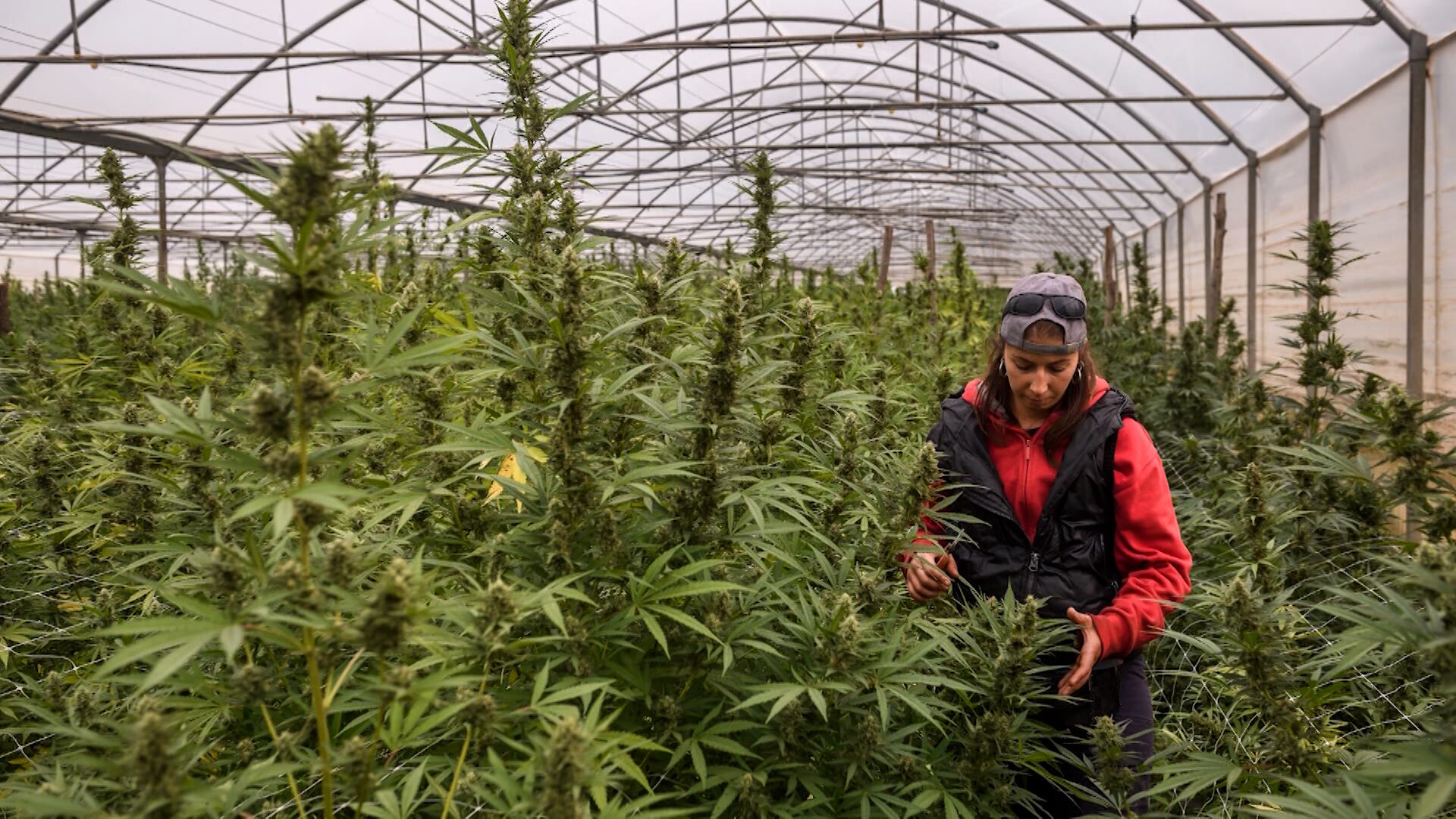
Cheddar's Chloe Aiello has our cannabis year-in-review, breaking down how several states legalized adult recreational use and greenlit medicinal use in 2021. She noted that while a cannabis legalization and decriminalization bill was introduced in Congress this year, potential FDA involvement in the industry, as well as a 25 percent excise tax, killed any chance the bill had of moving forward. Aiello also speculated that some form of cannabis reform could be rolled out in 2022, as the midterm elections draw closer.
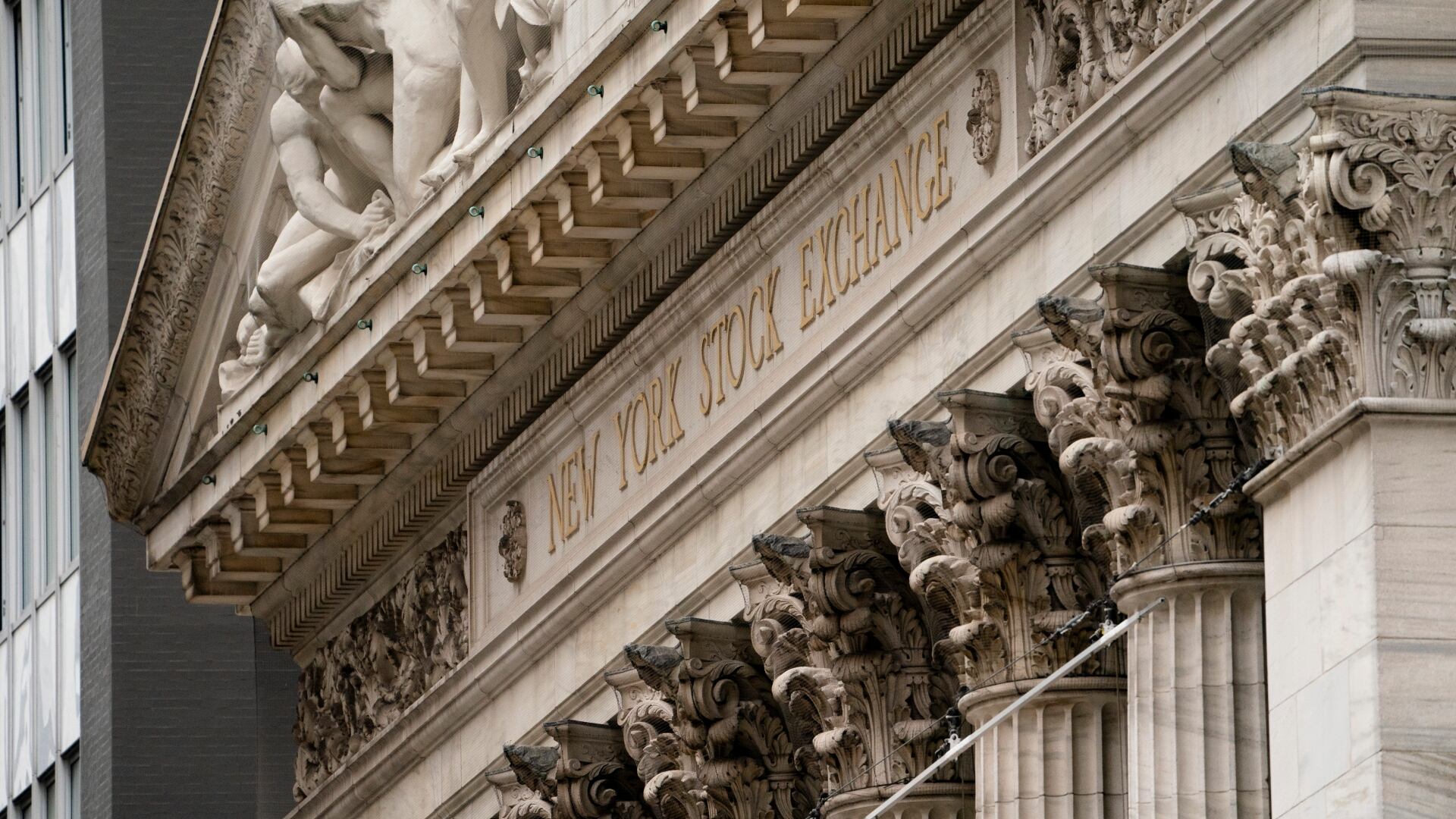
Jim Worden, Chief Investment Officer at Wealth Consulting Group, joins Cheddar News' Closing Bell, where he says the period between Christmas and New Year's is difficult to predict due to a lack of institutional volume, with the Omicron variant adding even more uncertainty on Wall Street.
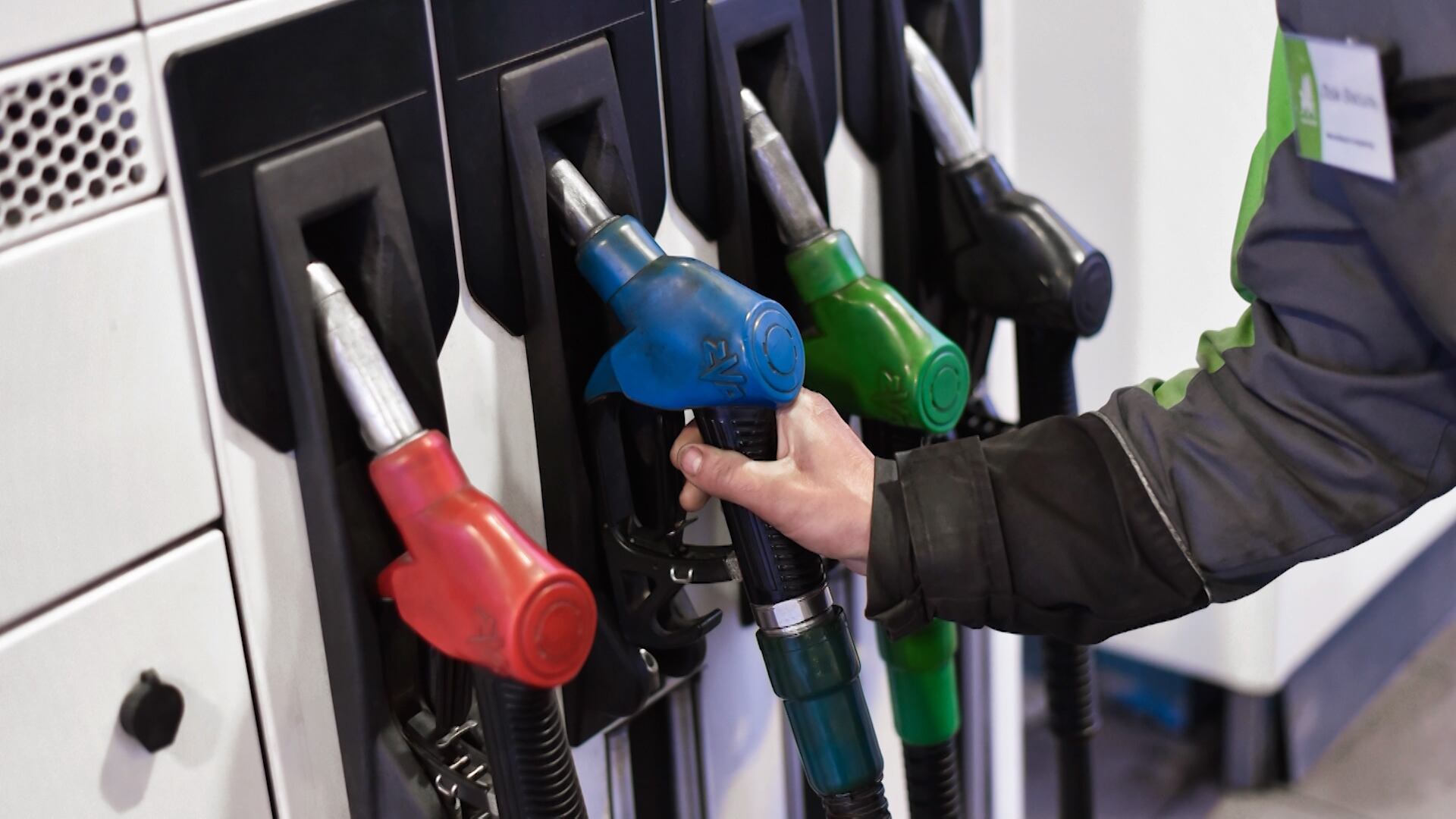
Prices at the pump this year reached a seven-year high, and a new forecast from GasBuddy shared with CNN predicts that gas prices will only continue to rise in 2022 and that the national average could even reach $4.00 a gallon; however, analysts at GasBuddy say anything could happen when it comes to gas prices in the future, as the pandemic has made it difficult to make any predictions about the economy. Consumer Energy Alliance federal policy advisor Michael Zehr joins Cheddar News' Closing Bell to discuss.
David Stryzewski, CEO of Sound Planning Group, joins Cheddar News' Closing Bell, where he says that some of the major stock positions are getting the most lift to the upside as the major indexes climb higher to begin the week.