Rep. Ro Khanna (D-CA): Congress Needs to Step Up to Spread Tech Development Across the U.S.
Congressman Ro Khanna represents the 17th district of California, better known as Silicon Valley. Khanna says that, despite the administration's insistence Republican tax reform will help the middle class, it will actually help corporations, including big tech companies.
Through his travels around the country, the Congressman learned that many communities want to embrace tech, but lack the resources. He believes the combination of federal and private-sector investment will help digitize towns all across America. Khanna says President Trump does not have his priorities straight when it comes tech investments.
Congressman Khanna spoke with Cheddar moments after the FCC voted to repeal net neutrality. The Representative called the decision "devastating," because it will directly hurt consumers pocketbooks. Every other country, he says, is strengthening net neutrality, and America should be doing the same.
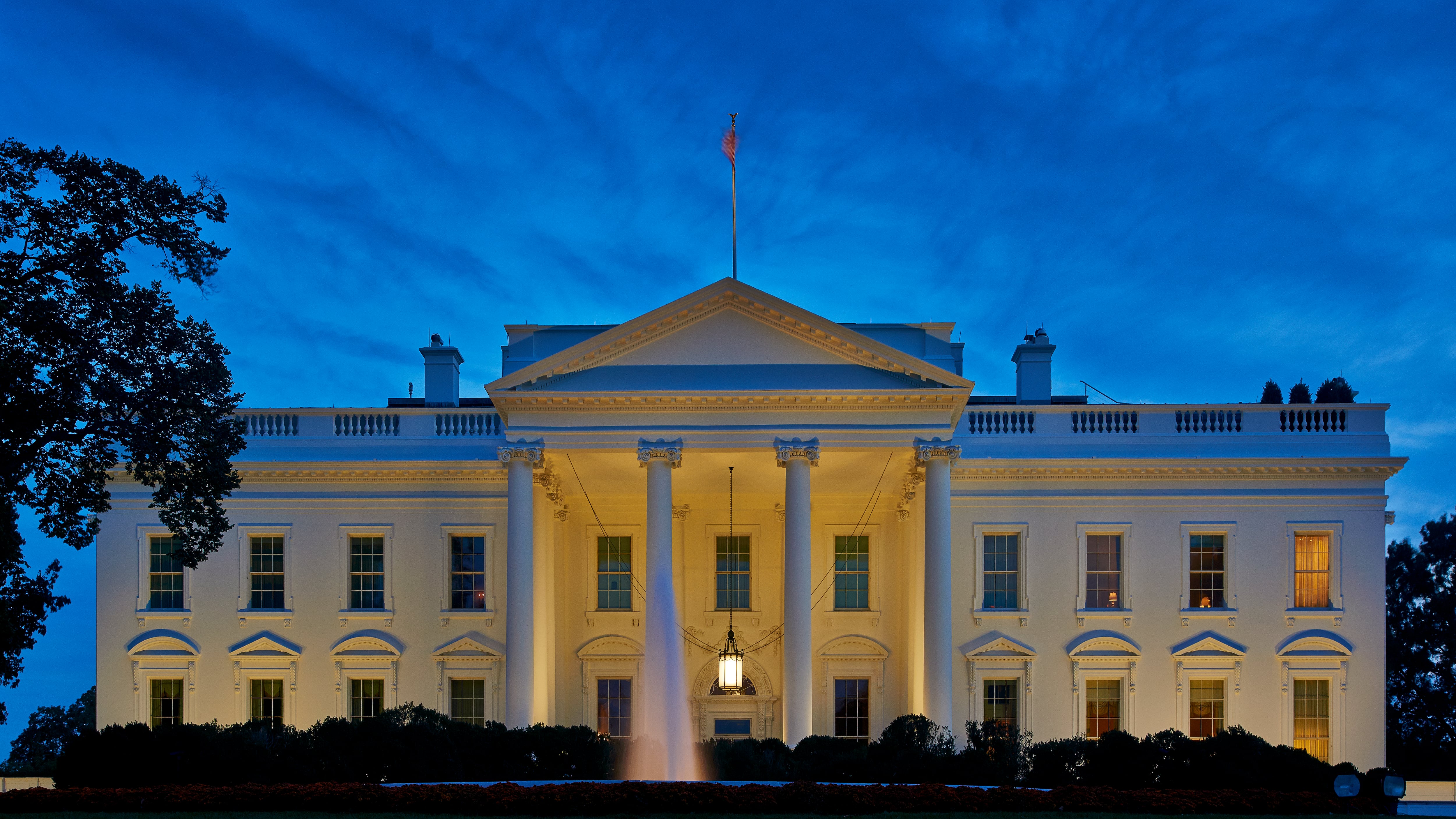
No fingerprints or DNA turned up on the baggie of cocaine found in a lobby at the White House last week despite a sophisticated FBI crime lab analysis, and surveillance footage of the area didn’t identify a suspect, according to a summary of the Secret Service investigation obtained by The Associated Press. There are no leads on who brought the drugs into the building.
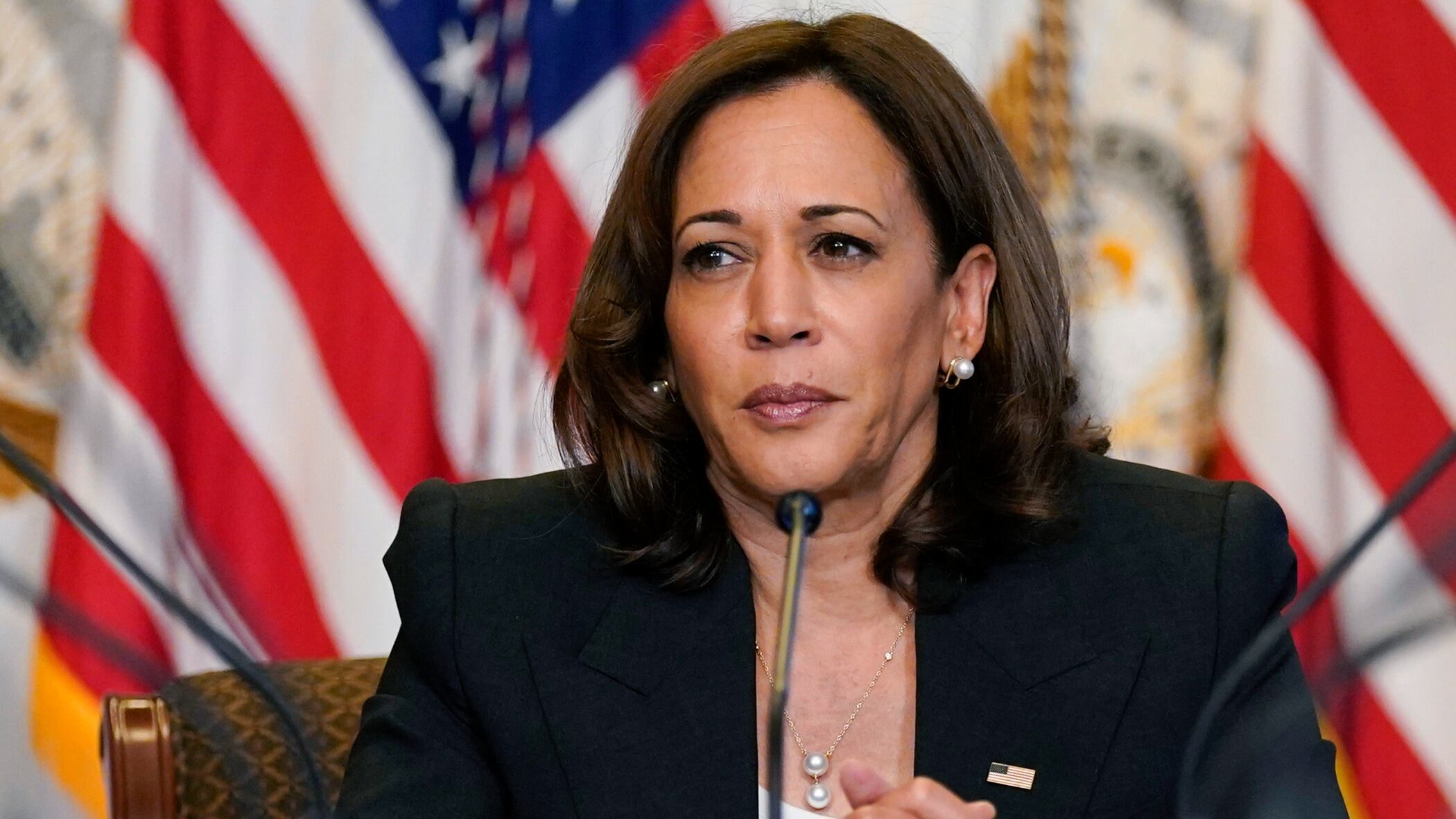
Kamala Harris, who made history as the first woman or person of color to serve as vice president, has made history again by matching the record for most tiebreaking votes in the Senate.
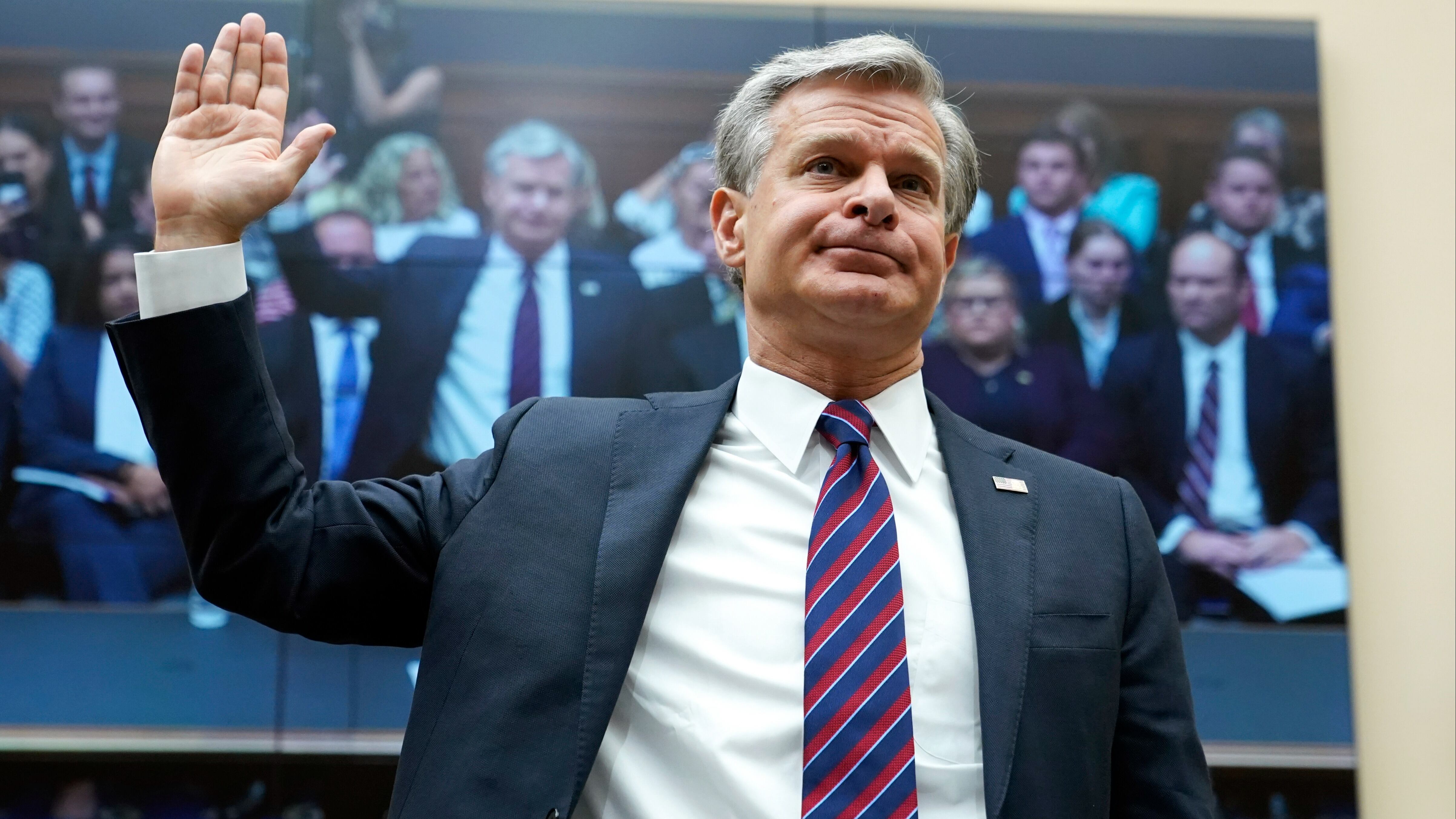
Republicans on the House Judiciary Committee accused the agency of targeting conservatives, suppressing evidence that Covid-19 came from a lab leak and abusing its surveillance powers.
The Biden administration calls it a “student loan safety net.” Opponents call it a backdoor attempt to make college free. And it could be the next battleground in the legal fight over student loan relief.
Nearly 30,000 people in Mississippi were dropped from the state's Medicaid program after an eligibility review that the government ended during the pandemic.
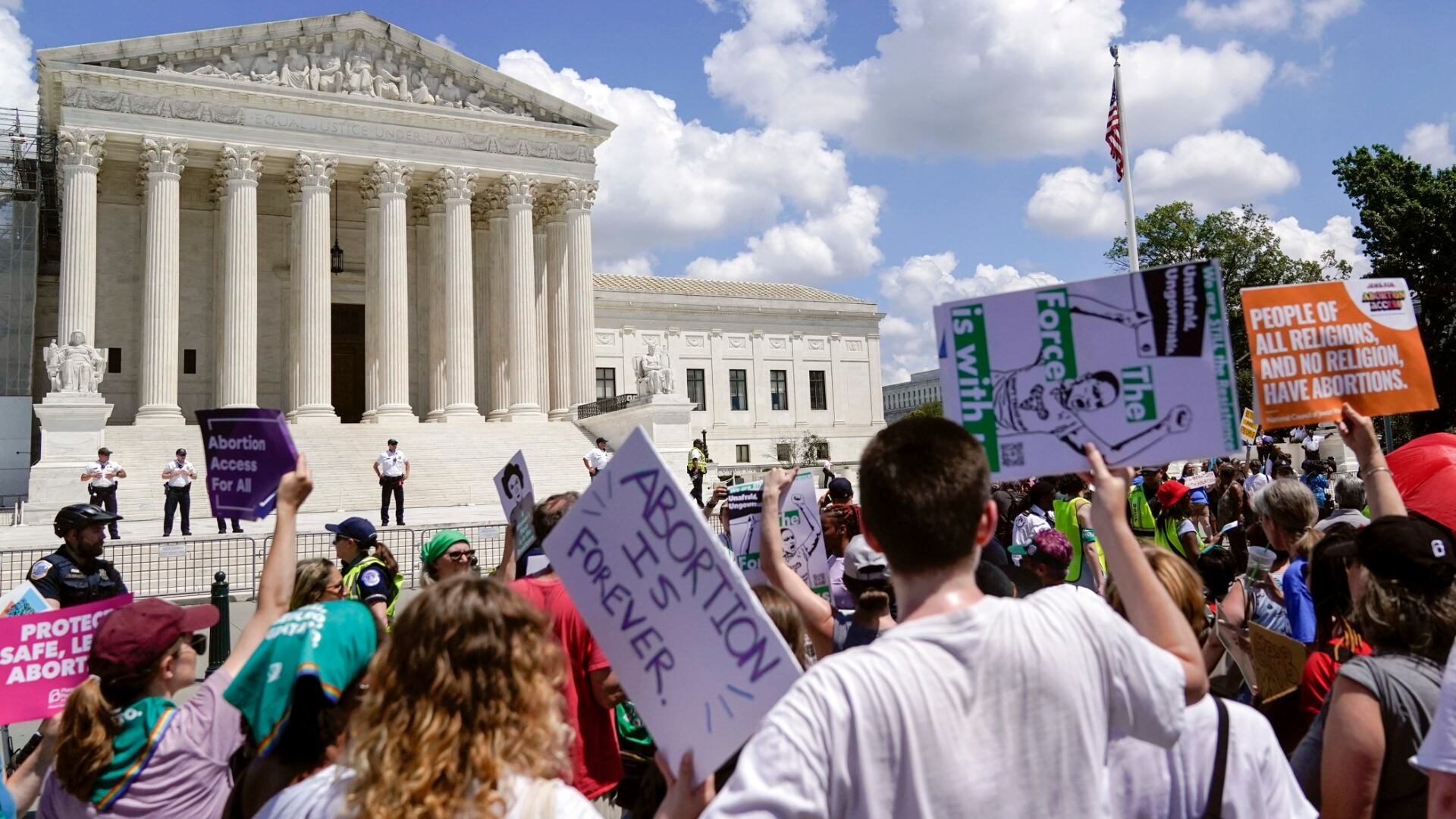
Members of a deeply conservative Amish community in Minnesota don't need to install septic systems to dispose of their “gray water,” the state Court of Appeals ruled Monday in a long-running religious freedom case that went all the way up to the U.S. Supreme Court.