As the ranking member of the House Intelligence Committee, Devin Nunes has recently been in the spotlight for his pro-Trump support during recent impeachment inquiry hearings. But like all members of Congress, he has an election coming up in 2020 and his Democrat challenger says his campaign has seen an outpouring of support since the hearings began.
"We've received over $300,000 in contributions since the beginning of this impeachment hearing from over 10,000 individual contributions," said Phil Arballo, who is trying to win the seat for California's 22nd District — a seat which Nunes has held since 2003.
Arballo, a Mexican-American businessman, entered the Democratic primary for the seat in June but said his campaign has seen a "groundswell of support" since attention shifted to Nunes during the hearings last week.
"As a constituent of his, and I can tell you from talking to a lot of people every day here on the ground, it's embarrassing, that he's our representative, here. He does not represent us here," Arballo said of the Central Valley.
Nunes defeated his Democratic challenger in 2018, but Arballo thinks the tide will turn in 2020.
"It's a very winnable seat," he said. "Everything is trending in the right direction for our race next year."
Nunes is not the only Republican whose role in the hearings may be helping Democratic challengers. Rep. Elise Stefanik of New York's 21st Congressional District played a prominent role in the hearings. Her 2020 challenger Tedra Cobb, who unsuccessfully challenged Stefanik in 2018, announced her campaign raised $1 million the weekend after the impeachment hearings.
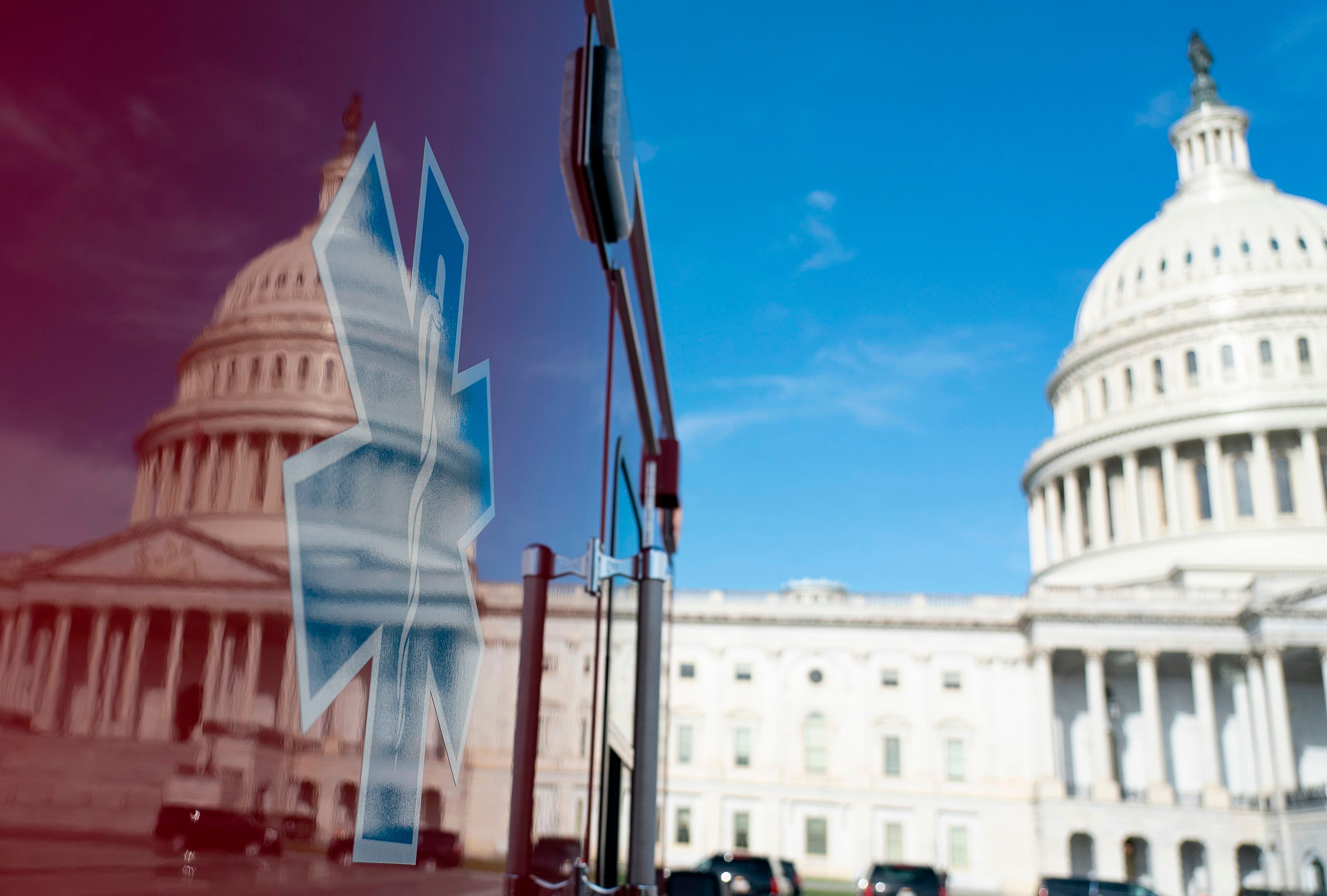
The House of Representatives overwhelmingly passed the $2.2 trillion coronavirus aid package Friday afternoon, but what was expected to be a smooth confirmation process devolved into a mad dash in the Capitol after one of the House’s own threatened to derail the vote with a procedural objection.
Despite President Donald Trump’s call to put the economy back to work by Easter, one Johns Hopkins physician says there may have to be “variability” in when states and cities restart their economies.
Stocks are opening lower on Wall Street as the market gives back some of the gains it piled up over the past three days. Major indexes are down more than 3% in early trading Friday.
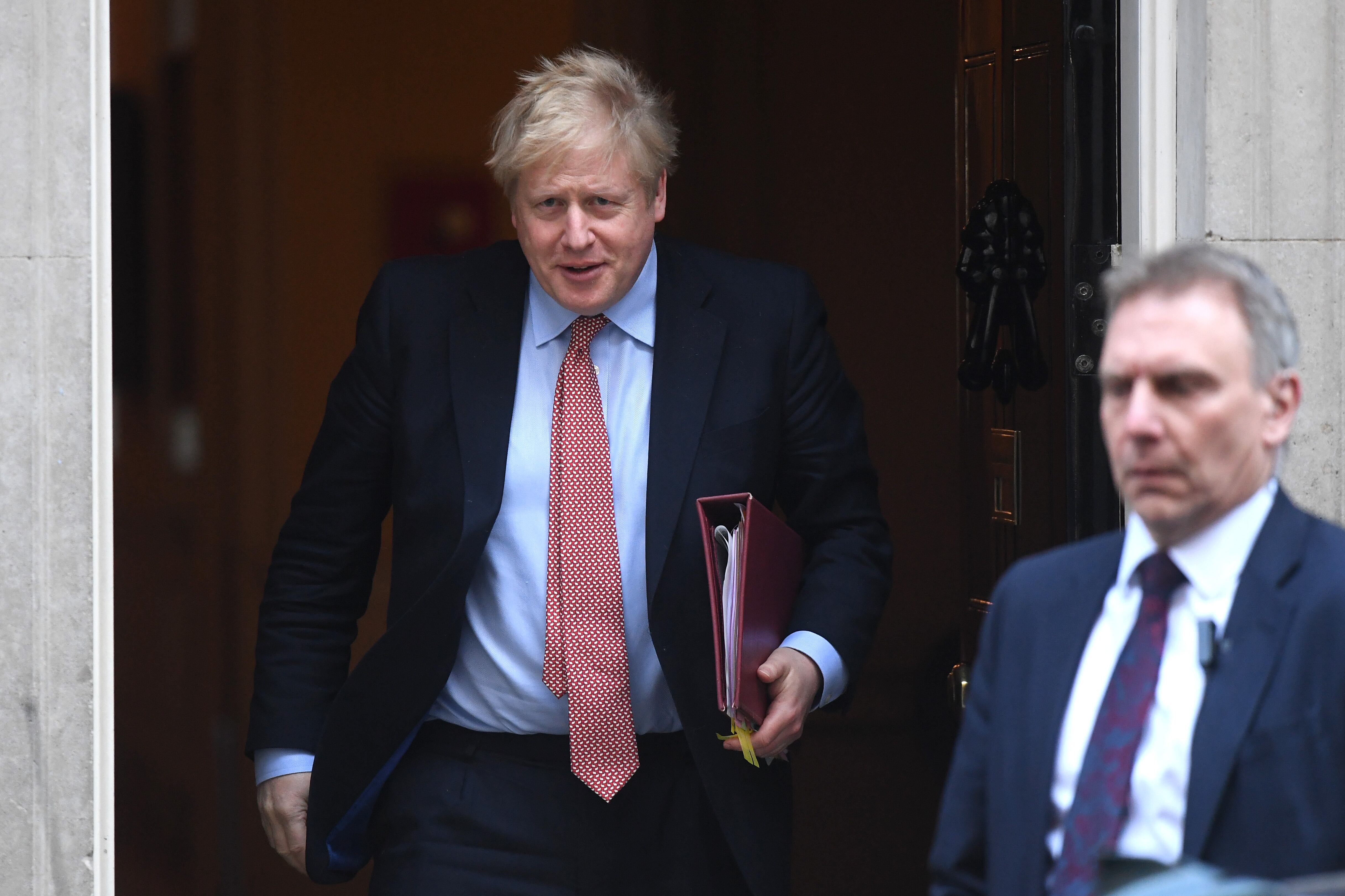
British Prime Minister Boris Johnson has tested positive for the new coronavirus, but remains in charge of the U.K.’s response to the outbreak.
Stocks are surging again on Wall Street as a massive coronavirus relief bill gets closer to passing Congress. Major indexes jumped more than 6%, bringing the S&P 500 up 17% since Monday.
Stocks are rising more than 3% early Thursday, putting the market on track for its first three-day rally in six weeks, even as the astonishing scale of the downturn slamming the economy because of the coronavirus becomes more apparent.
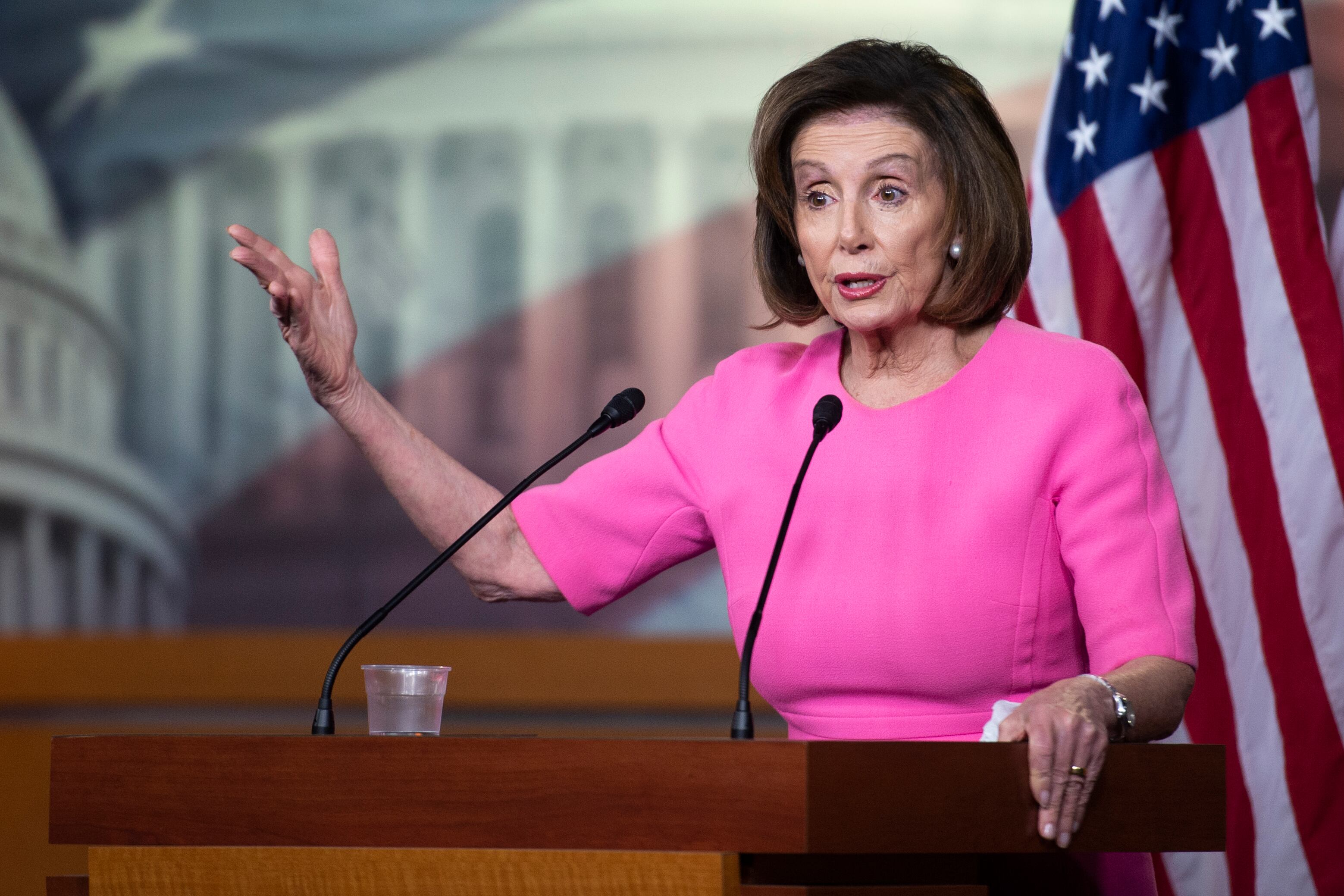
House Speaker Nancy Pelosi said she is 'very proud' of the $2.2 trillion coronavirus aid package and confirmed the House will take up the package Friday.
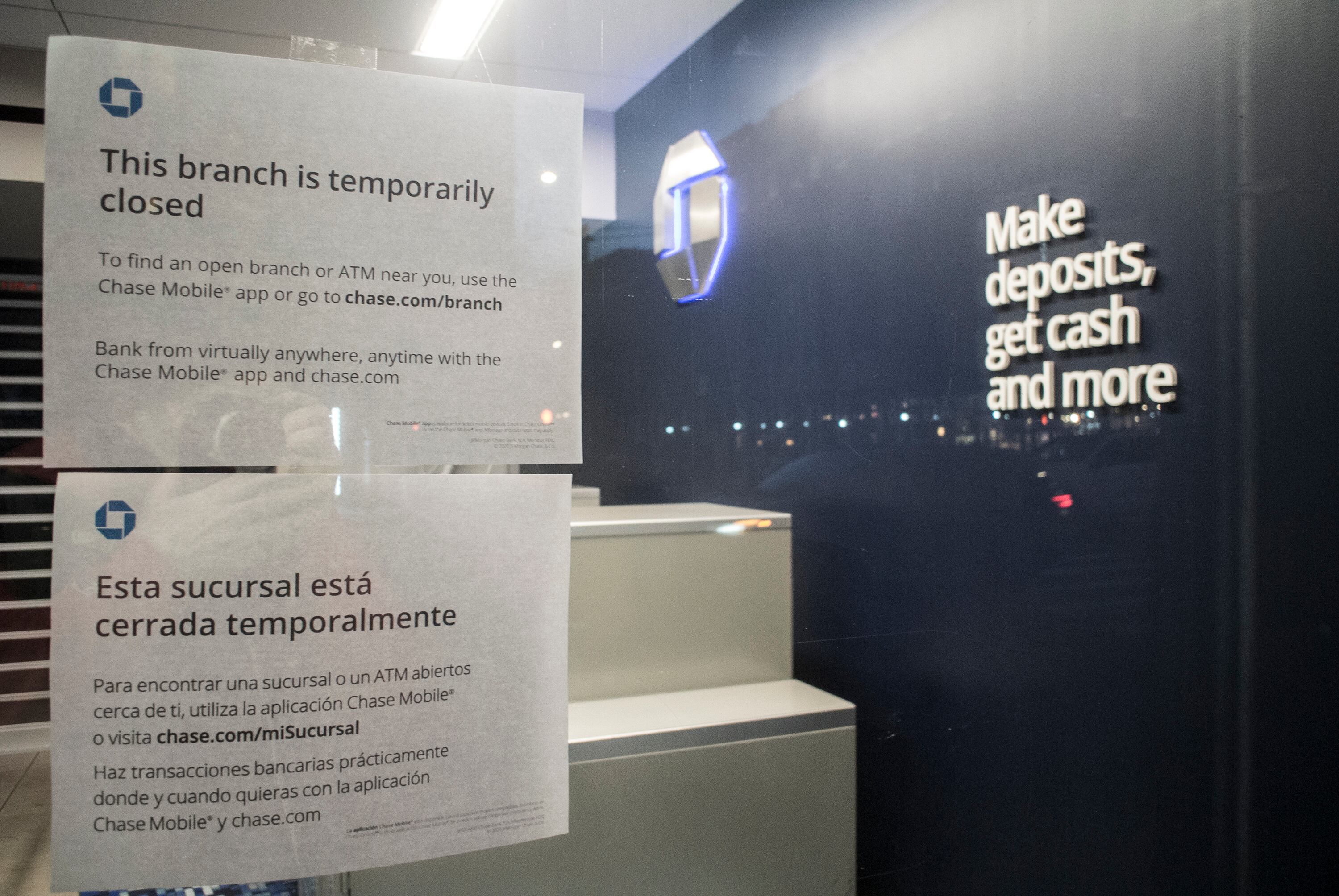
On Tuesday the chairman of the FDIC put out a public service announcement urging people to keep their cash in the bank, as customers of U.S. banks and credit unions have been making big withdrawals in the midst of the coronavirus pandemic and recession.
After a day of uncertainty, the Senate unanimously passed a $2.2 trillion coronavirus relief bill late Wednesday. 4
The Senate passed an unparalleled $2.2 trillion economic rescue package steering aid to businesses, workers and health care systems engulfed by the coronavirus pandemic.