As the ranking member of the House Intelligence Committee, Devin Nunes has recently been in the spotlight for his pro-Trump support during recent impeachment inquiry hearings. But like all members of Congress, he has an election coming up in 2020 and his Democrat challenger says his campaign has seen an outpouring of support since the hearings began.
"We've received over $300,000 in contributions since the beginning of this impeachment hearing from over 10,000 individual contributions," said Phil Arballo, who is trying to win the seat for California's 22nd District — a seat which Nunes has held since 2003.
Arballo, a Mexican-American businessman, entered the Democratic primary for the seat in June but said his campaign has seen a "groundswell of support" since attention shifted to Nunes during the hearings last week.
"As a constituent of his, and I can tell you from talking to a lot of people every day here on the ground, it's embarrassing, that he's our representative, here. He does not represent us here," Arballo said of the Central Valley.
Nunes defeated his Democratic challenger in 2018, but Arballo thinks the tide will turn in 2020.
"It's a very winnable seat," he said. "Everything is trending in the right direction for our race next year."
Nunes is not the only Republican whose role in the hearings may be helping Democratic challengers. Rep. Elise Stefanik of New York's 21st Congressional District played a prominent role in the hearings. Her 2020 challenger Tedra Cobb, who unsuccessfully challenged Stefanik in 2018, announced her campaign raised $1 million the weekend after the impeachment hearings.
As governments around the world consider how to monitor new coronavirus outbreaks while reopening their societies, many are starting to bet on smartphone apps to help stanch the pandemic. But their decisions on which technologies to use — and how far those allow authorities to peer into private lives — are highlighting some uncomfortable trade-offs between protecting privacy and public health.
The stock market shook off a weak start and ended with modest gains Monday, thanks to another solid showing from big technology companies.
The Treasury Department says it will need to borrow a record $2.99 trillion during the current April-June quarter to cover the cost of the government’s various pandemic rescue efforts.
Companies across a wide swath of industries have found ways to give back to communities in their time of need amid the COVID-19 pandemic.
It’s a morning of firsts for the Supreme Court: the first time audio of the court’s arguments is being heard live by the world and the first arguments by telephone. The changes are a result of the coronavirus pandemic, which has made holding courtroom sessions unsafe.
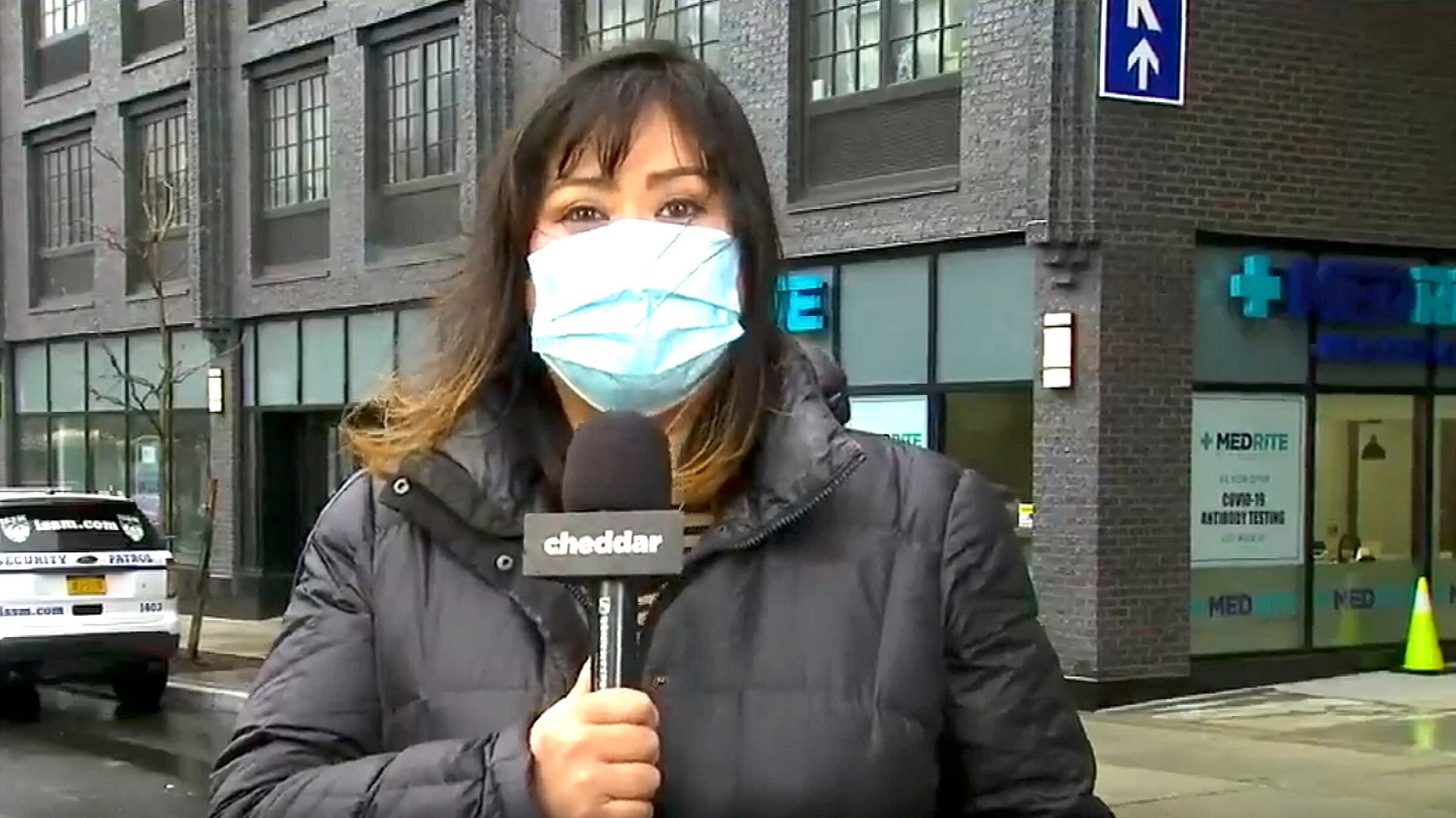
COVID-19 tests look for antibodies, which are proteins the body develops in response to toxic or foreign substances inside the bloodstream.
Utah's Lieutenant Governor Spencer Cox and Domo CEO Josh James joined Cheddar to discuss their partnership on testing for COVID-19.
From Wall Street to Silicon Valley, these are the top stories that moved markets and had investors, business leaders, and entrepreneurs talking this week on Cheddar.
Stocks ended lower on Wall Street Friday, giving up their gains for the week, after Amazon and other big companies laid out how the coronavirus pandemic is hitting their bottom lines.
Prime Minister Justin Trudeau said Friday that Canada is banning the use and trade of assault-style weapons immediately.