As the ranking member of the House Intelligence Committee, Devin Nunes has recently been in the spotlight for his pro-Trump support during recent impeachment inquiry hearings. But like all members of Congress, he has an election coming up in 2020 and his Democrat challenger says his campaign has seen an outpouring of support since the hearings began.
"We've received over $300,000 in contributions since the beginning of this impeachment hearing from over 10,000 individual contributions," said Phil Arballo, who is trying to win the seat for California's 22nd District — a seat which Nunes has held since 2003.
Arballo, a Mexican-American businessman, entered the Democratic primary for the seat in June but said his campaign has seen a "groundswell of support" since attention shifted to Nunes during the hearings last week.
"As a constituent of his, and I can tell you from talking to a lot of people every day here on the ground, it's embarrassing, that he's our representative, here. He does not represent us here," Arballo said of the Central Valley.
Nunes defeated his Democratic challenger in 2018, but Arballo thinks the tide will turn in 2020.
"It's a very winnable seat," he said. "Everything is trending in the right direction for our race next year."
Nunes is not the only Republican whose role in the hearings may be helping Democratic challengers. Rep. Elise Stefanik of New York's 21st Congressional District played a prominent role in the hearings. Her 2020 challenger Tedra Cobb, who unsuccessfully challenged Stefanik in 2018, announced her campaign raised $1 million the weekend after the impeachment hearings.
Michigan Secretary of State Jocelyn Benson pushed back against President Trump's attacks on mail-in voting, which have continued for days, leading Twitter to put up its first fact checks on the president's account.
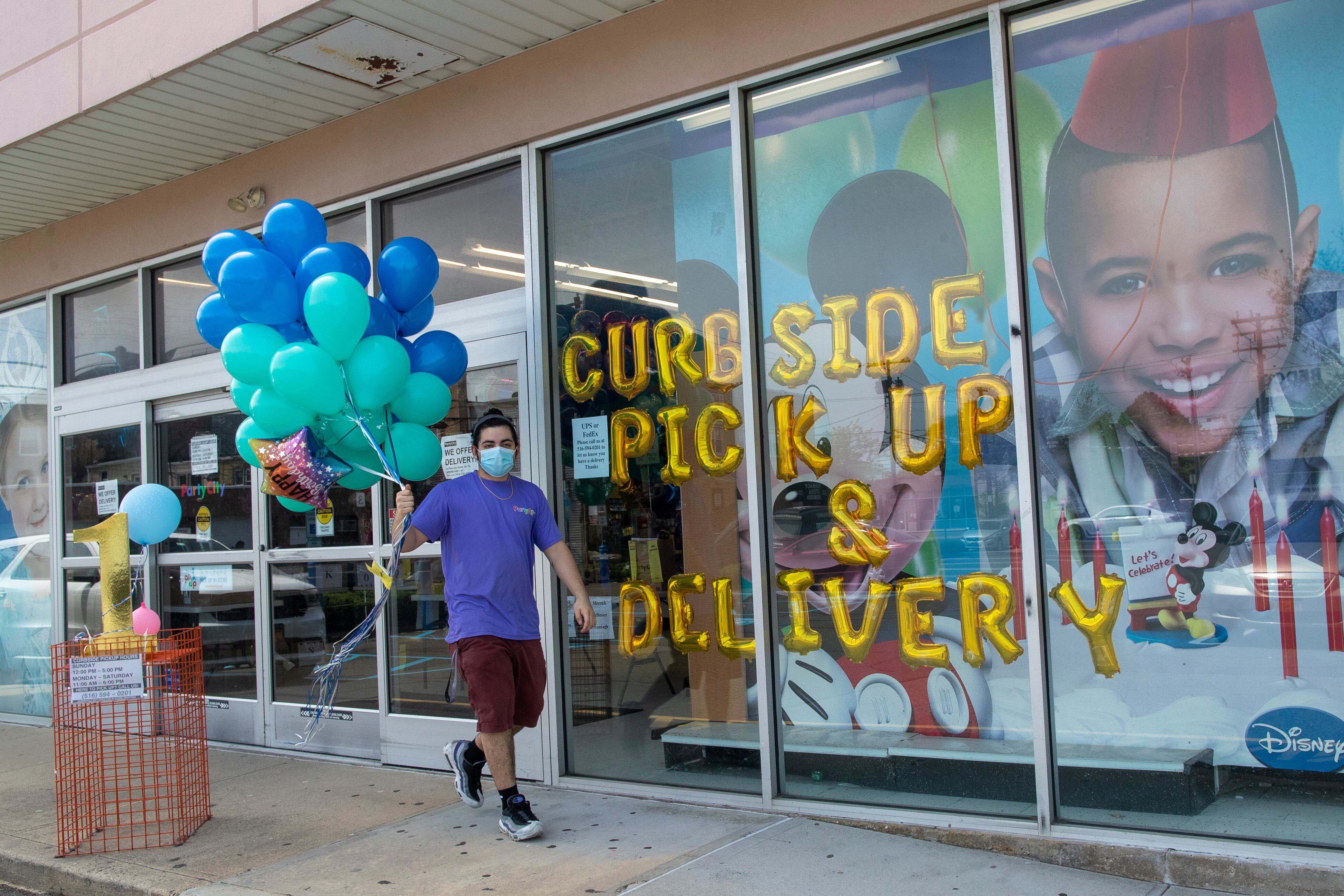
The House has passed an overwhelmingly bipartisan measure to modify a new “paycheck protection” program for businesses that have suffered COVID-related losses.
The government figures underscore the continuing damage to businesses and livelihoods from the outbreak that has now killed at least 100,000 people in the U.S.
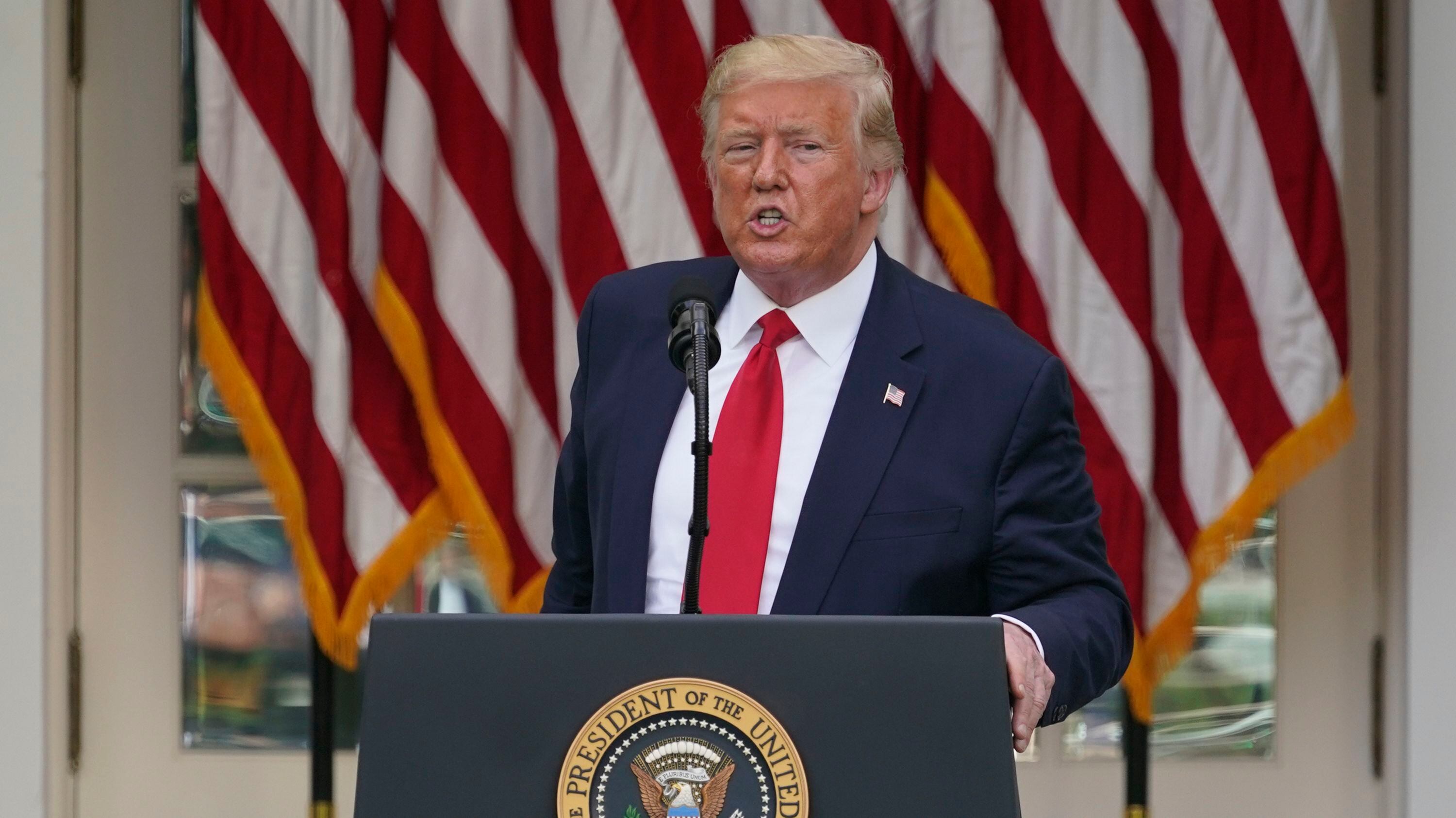
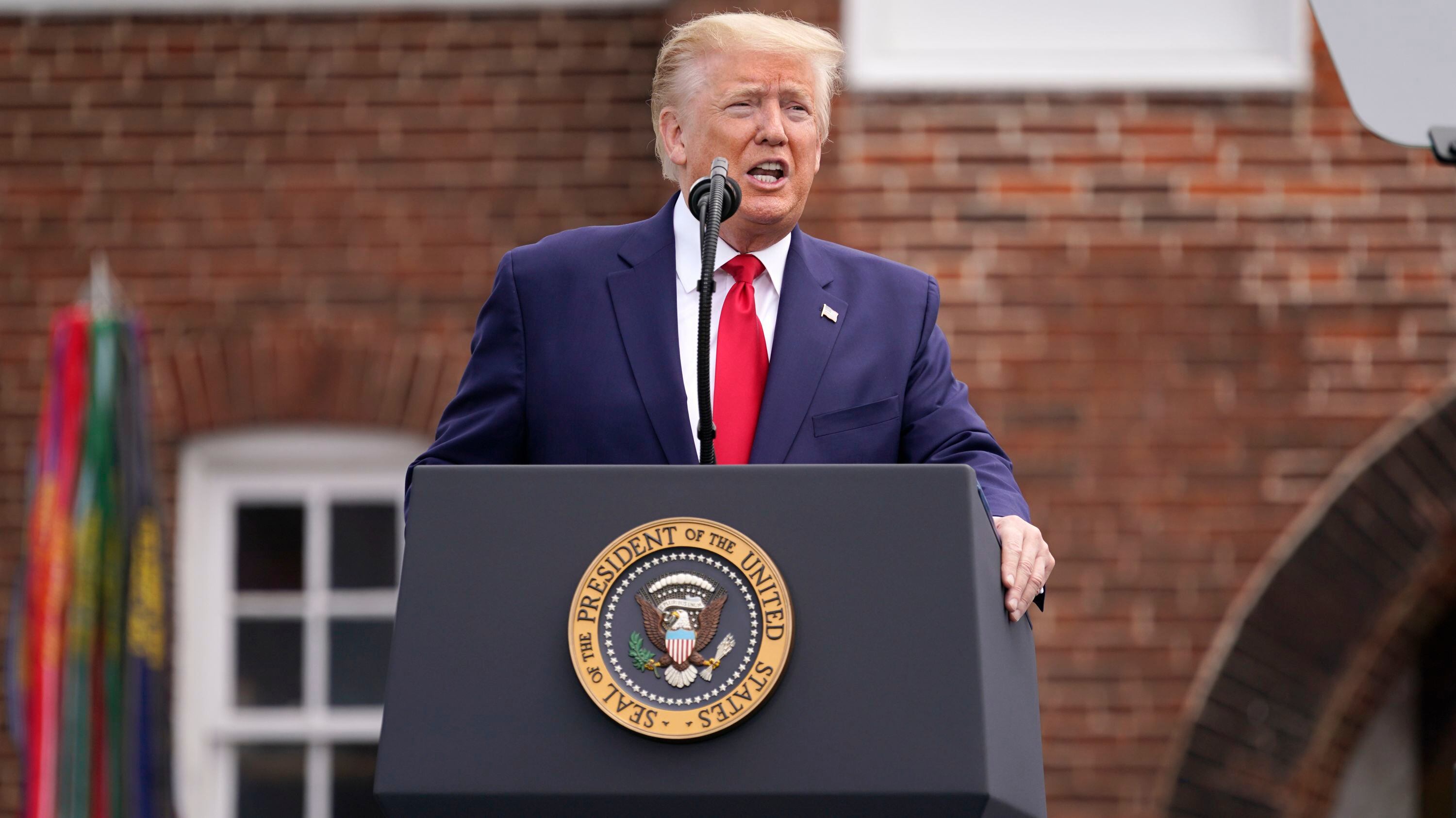
President Donald Trump is threatening social media companies with new regulation or even closure after Twitter added fact checks to two of his tweets.
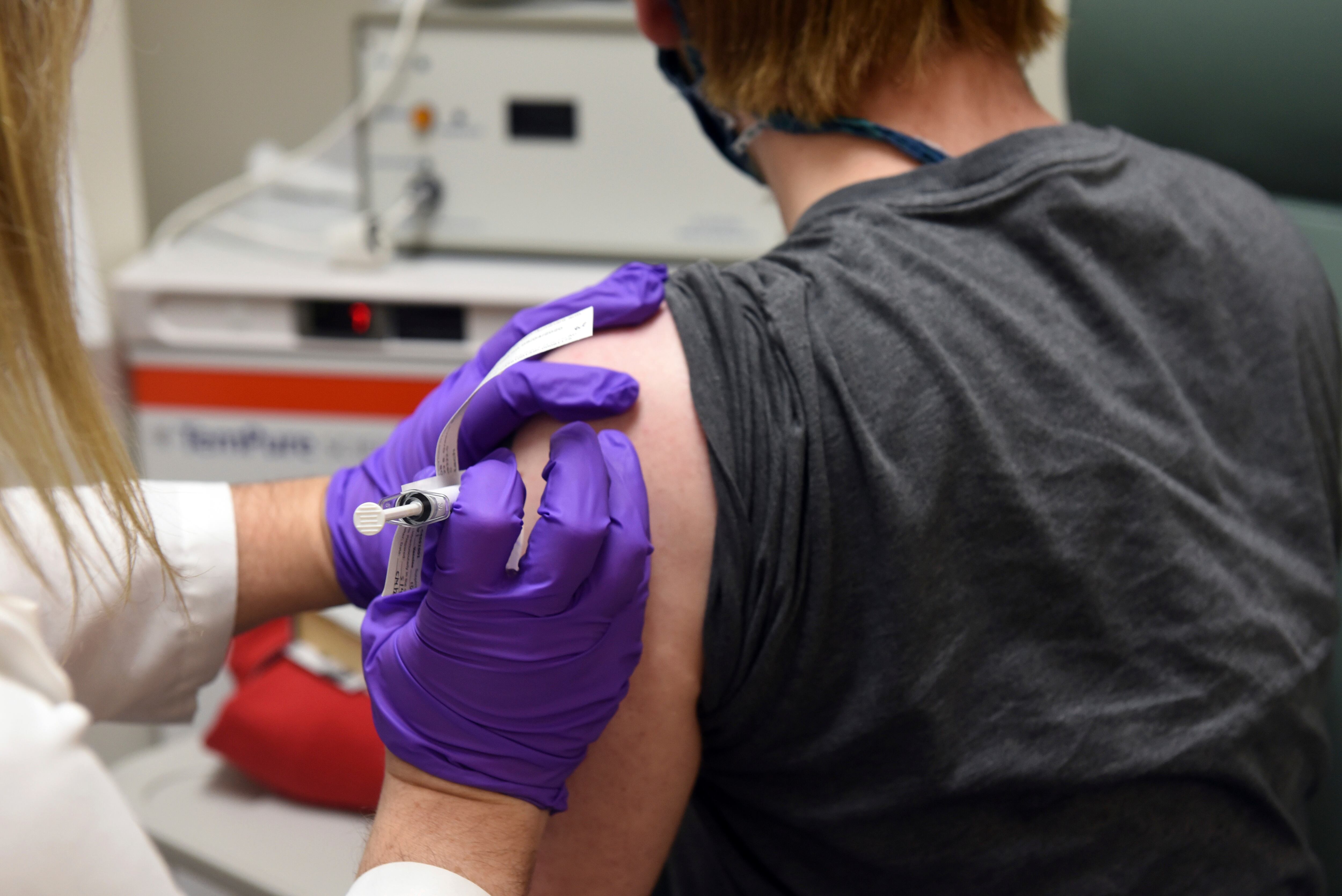
Only about half of Americans say they would get a COVID-19 vaccine if the scientists working furiously to create one succeed.
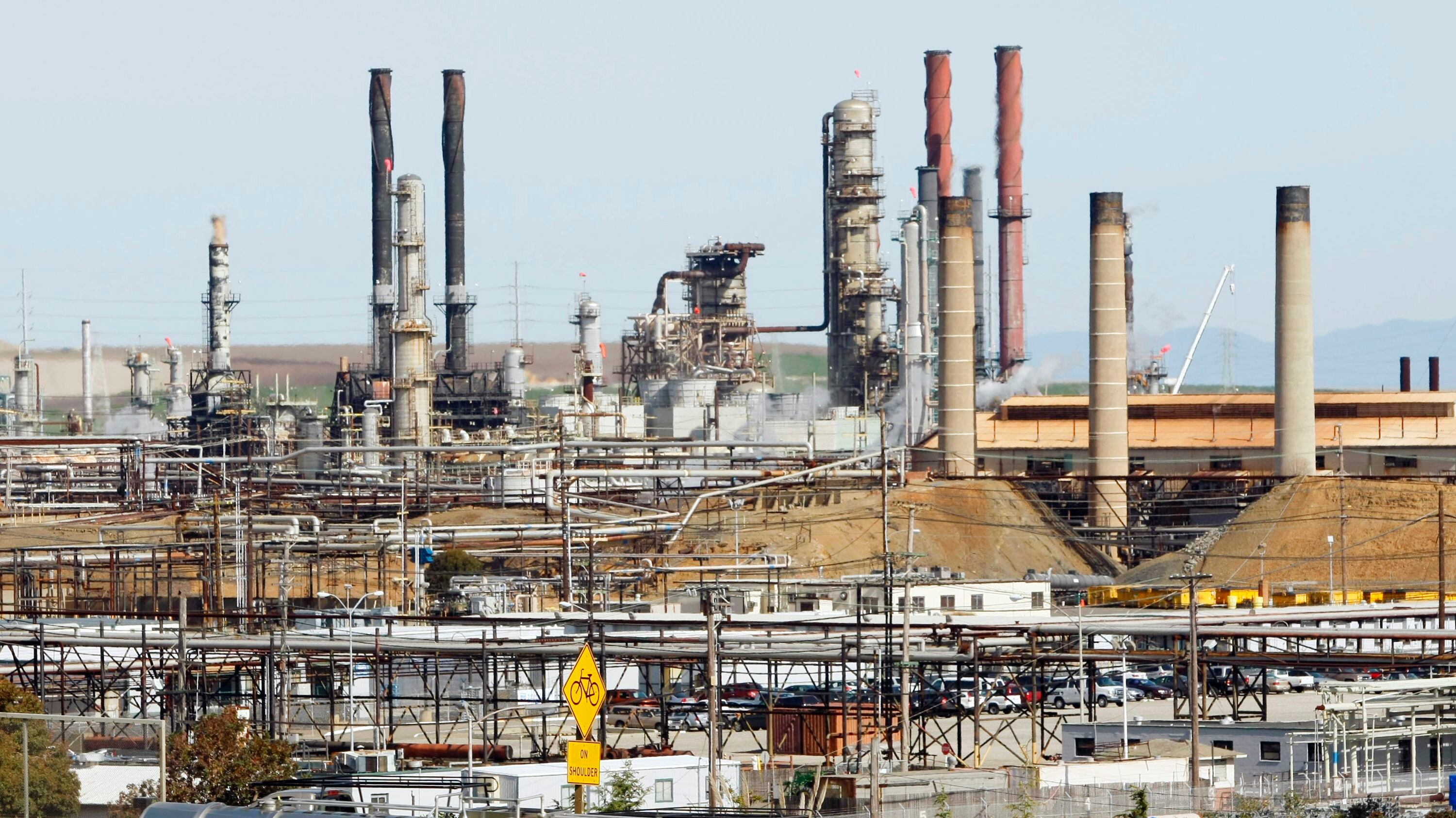
A U.S. appeals court has ruled against major oil companies in lawsuits brought by California cities and counties seeking damages for climate change.
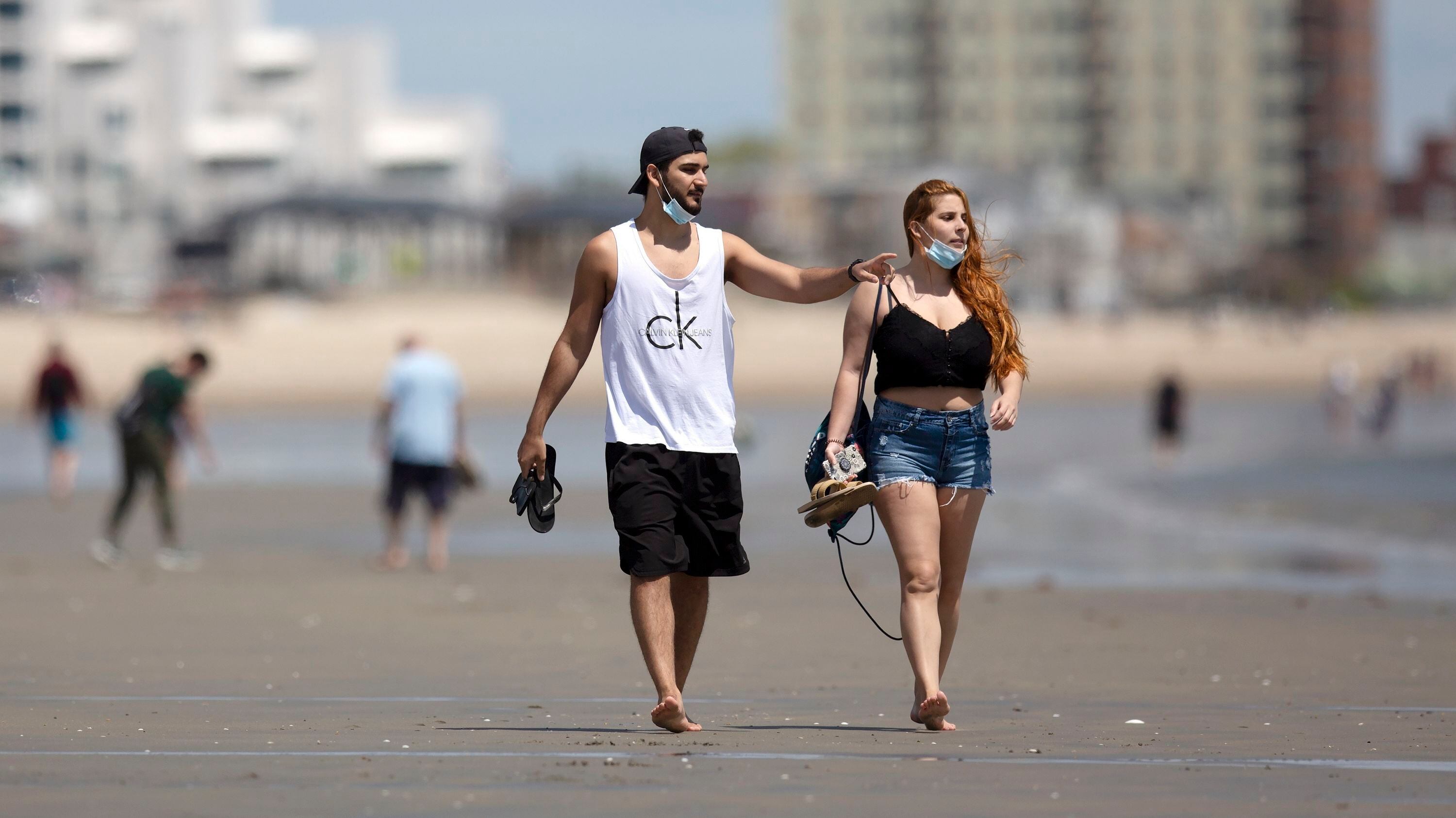
While much of the U.S. remains shuttered, state and local leaders in waterfront communities are beginning to allow beaches, boardwalks, and coastal businesses to open on a limited basis.
Georgia Gov. Brian Kemp is lobbying for the Republican National Convention to be moved to his state, a day after President Donald Trump demanded assurances from North Carolina’s Democratic governor that the convention can go forward in August despite coronavirus fears.
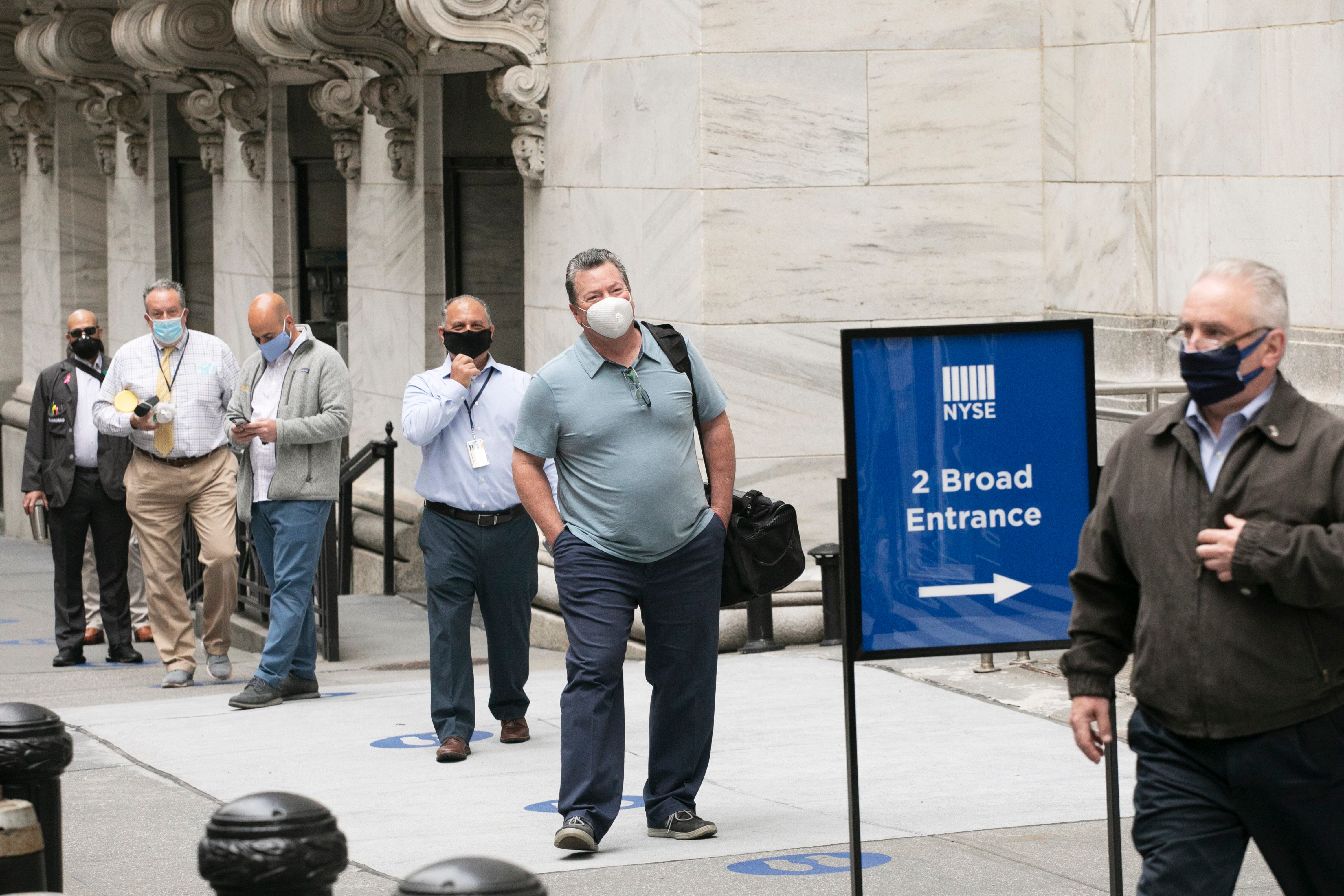
The trading floor of the New York Stock Exchange is reopening for the first time in two months, but it doesn't look — or sound — the same.
From Wall Street to Silicon Valley, these are the top stories that moved markets and had investors, business leaders, and entrepreneurs talking this week on Cheddar.