As the ranking member of the House Intelligence Committee, Devin Nunes has recently been in the spotlight for his pro-Trump support during recent impeachment inquiry hearings. But like all members of Congress, he has an election coming up in 2020 and his Democrat challenger says his campaign has seen an outpouring of support since the hearings began.
"We've received over $300,000 in contributions since the beginning of this impeachment hearing from over 10,000 individual contributions," said Phil Arballo, who is trying to win the seat for California's 22nd District — a seat which Nunes has held since 2003.
Arballo, a Mexican-American businessman, entered the Democratic primary for the seat in June but said his campaign has seen a "groundswell of support" since attention shifted to Nunes during the hearings last week.
"As a constituent of his, and I can tell you from talking to a lot of people every day here on the ground, it's embarrassing, that he's our representative, here. He does not represent us here," Arballo said of the Central Valley.
Nunes defeated his Democratic challenger in 2018, but Arballo thinks the tide will turn in 2020.
"It's a very winnable seat," he said. "Everything is trending in the right direction for our race next year."
Nunes is not the only Republican whose role in the hearings may be helping Democratic challengers. Rep. Elise Stefanik of New York's 21st Congressional District played a prominent role in the hearings. Her 2020 challenger Tedra Cobb, who unsuccessfully challenged Stefanik in 2018, announced her campaign raised $1 million the weekend after the impeachment hearings.
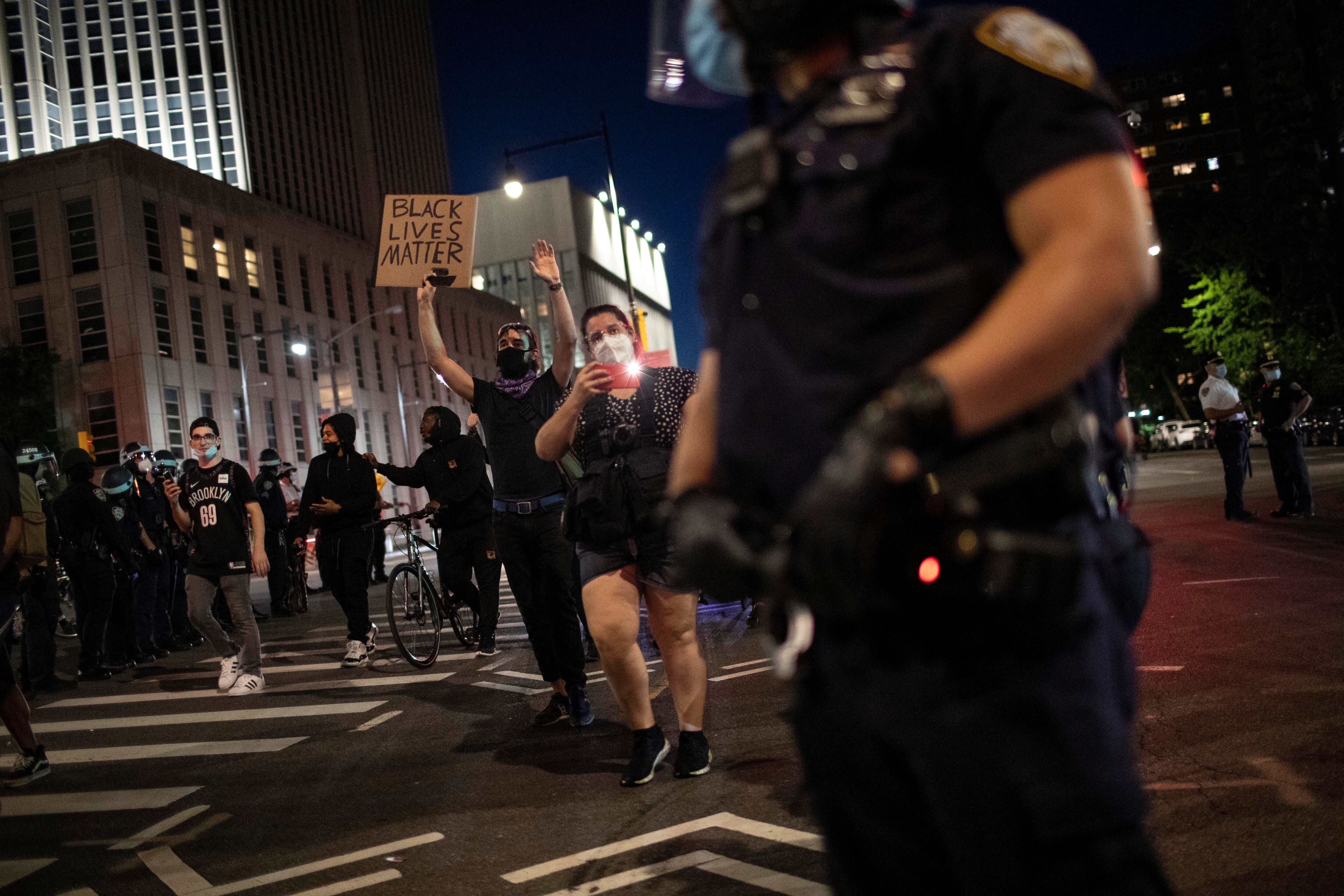
Rep. Clarke spoke to Cheddar about the NYPD and Mayor De Blasio's handling on two NYPD squad cars driving into a crowd of protesters over the weekend.
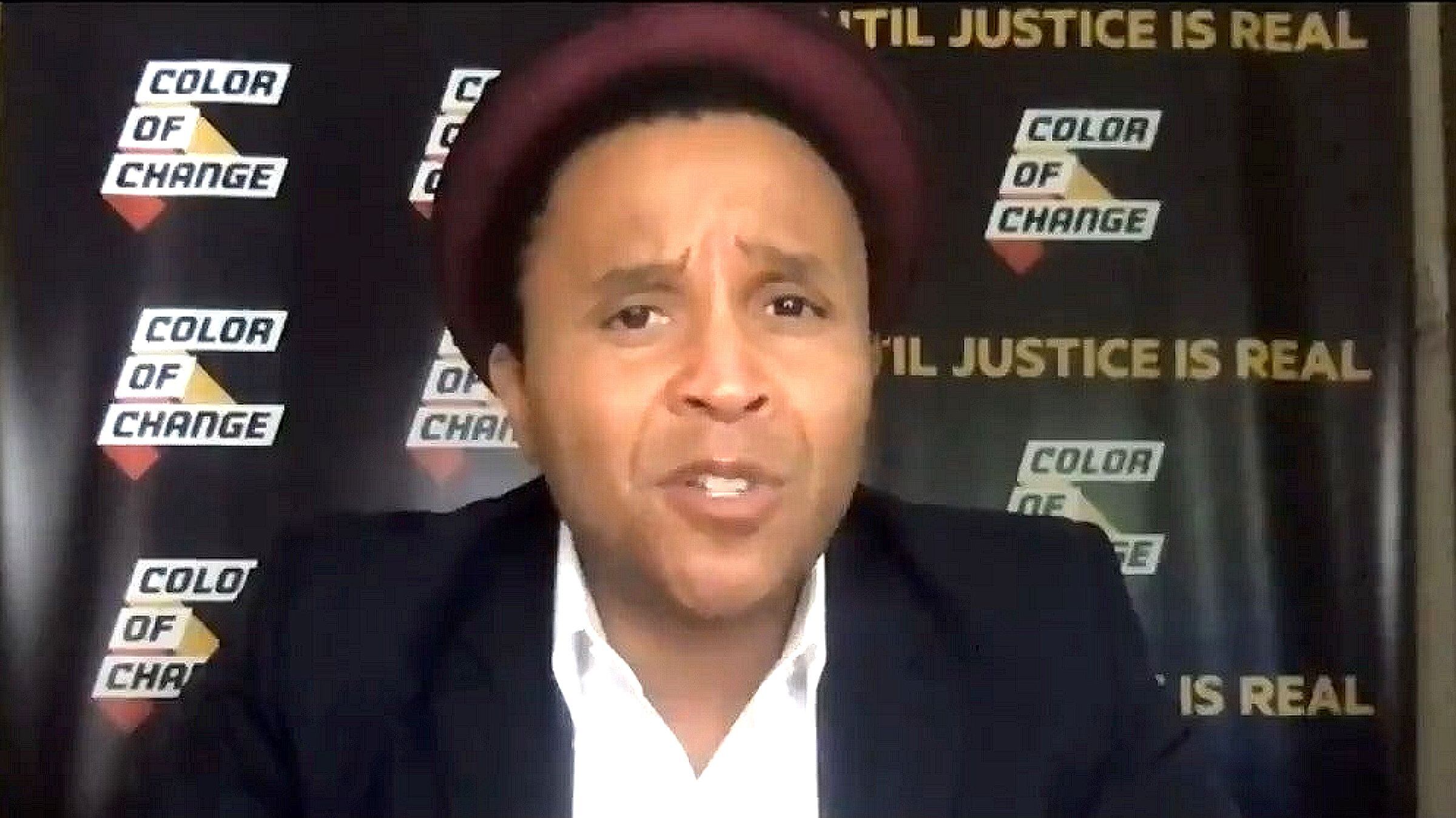
As demonstrations across the country grow more violent by the day, Rashad Robinson says a lack of leadership in the White House is part of the issue.
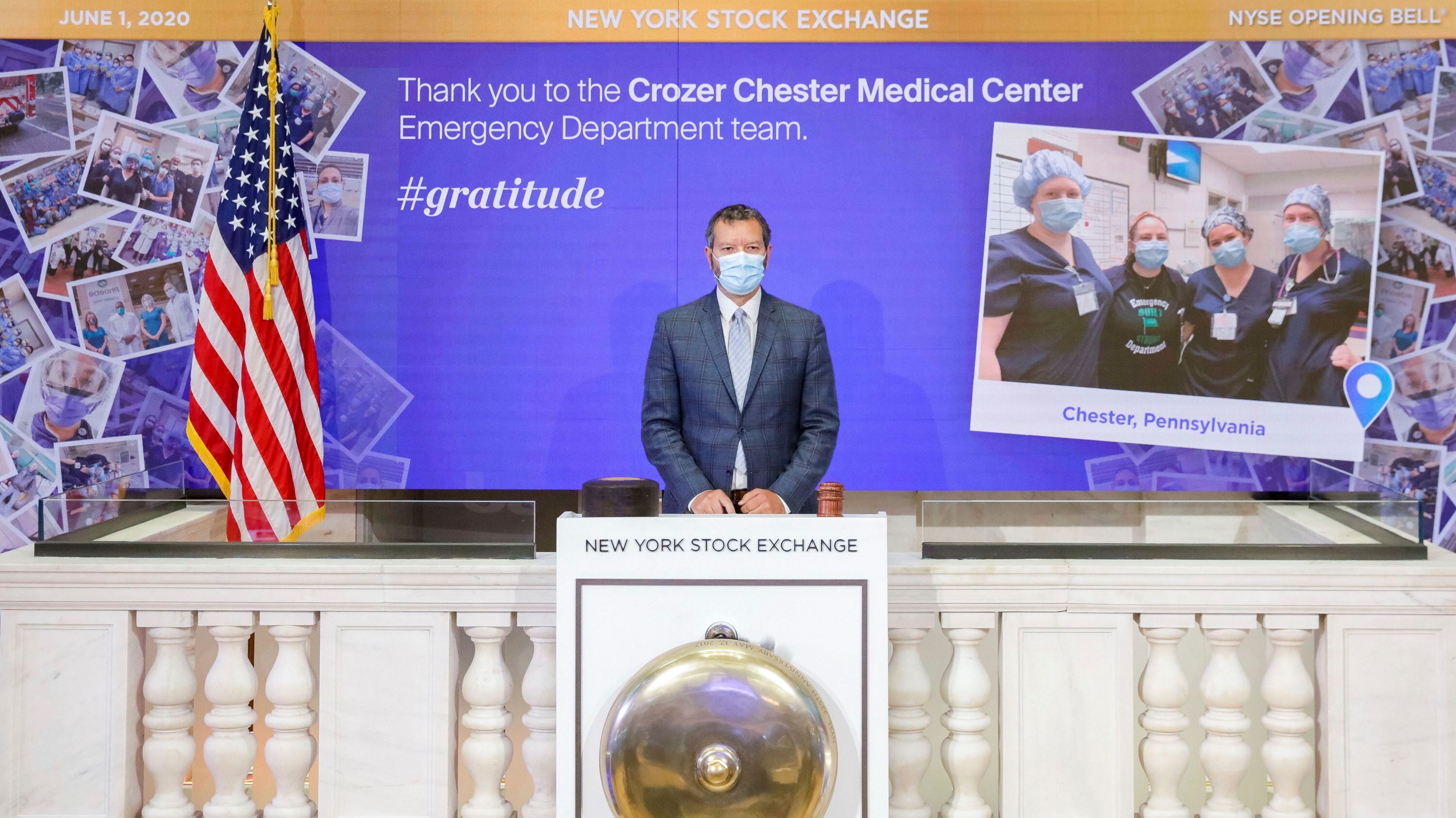
The S&P 500 climbed 0.4% after wavering between small gains and losses in the early going.
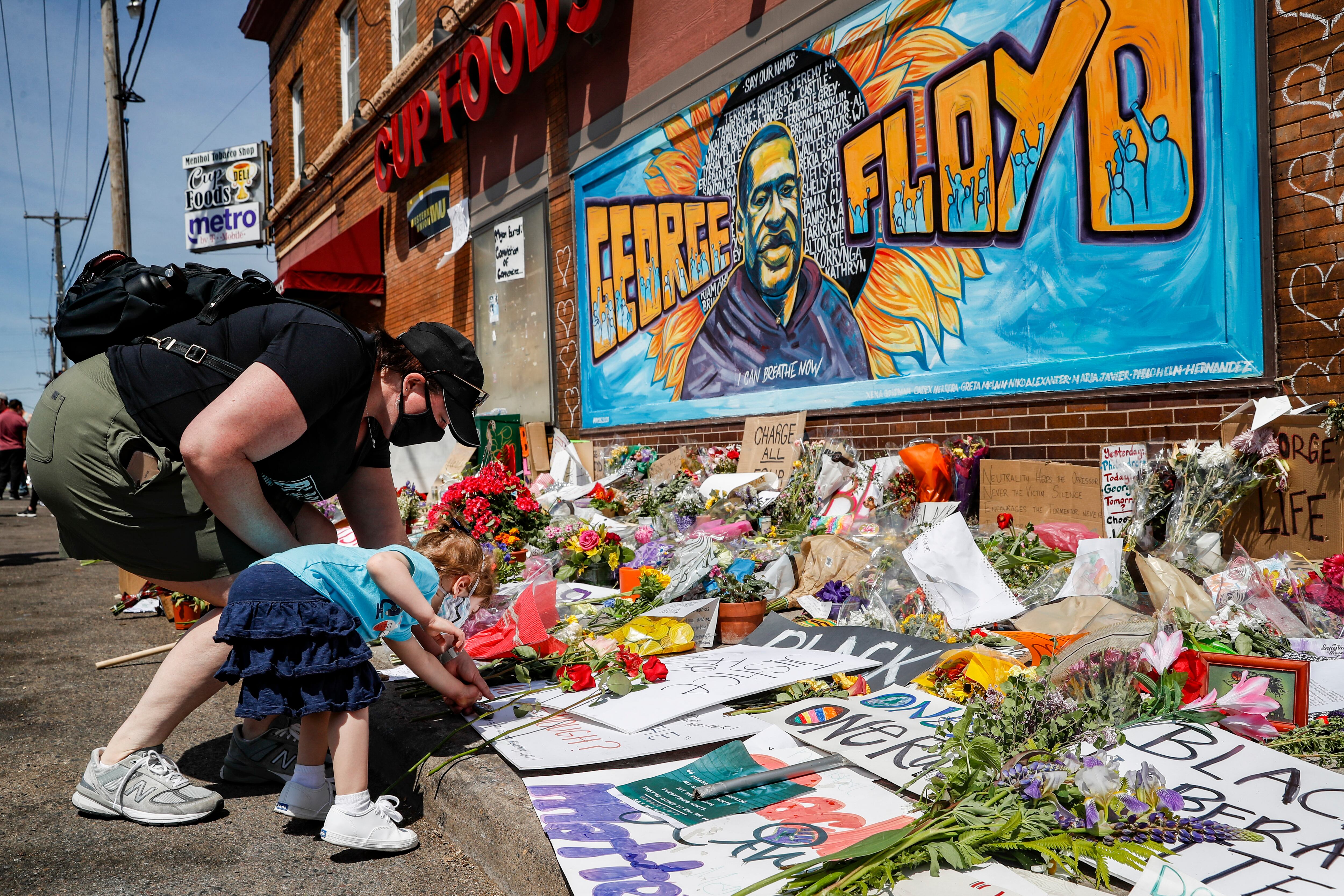
An autopsy commissioned for George Floyd’s family found that Floyd died of asphyxiation due to neck and back compression when a Minneapolis police officer kneeled on his neck for several minutes and ignored his cries of distress, the Floyd family’s attorneys said Monday.
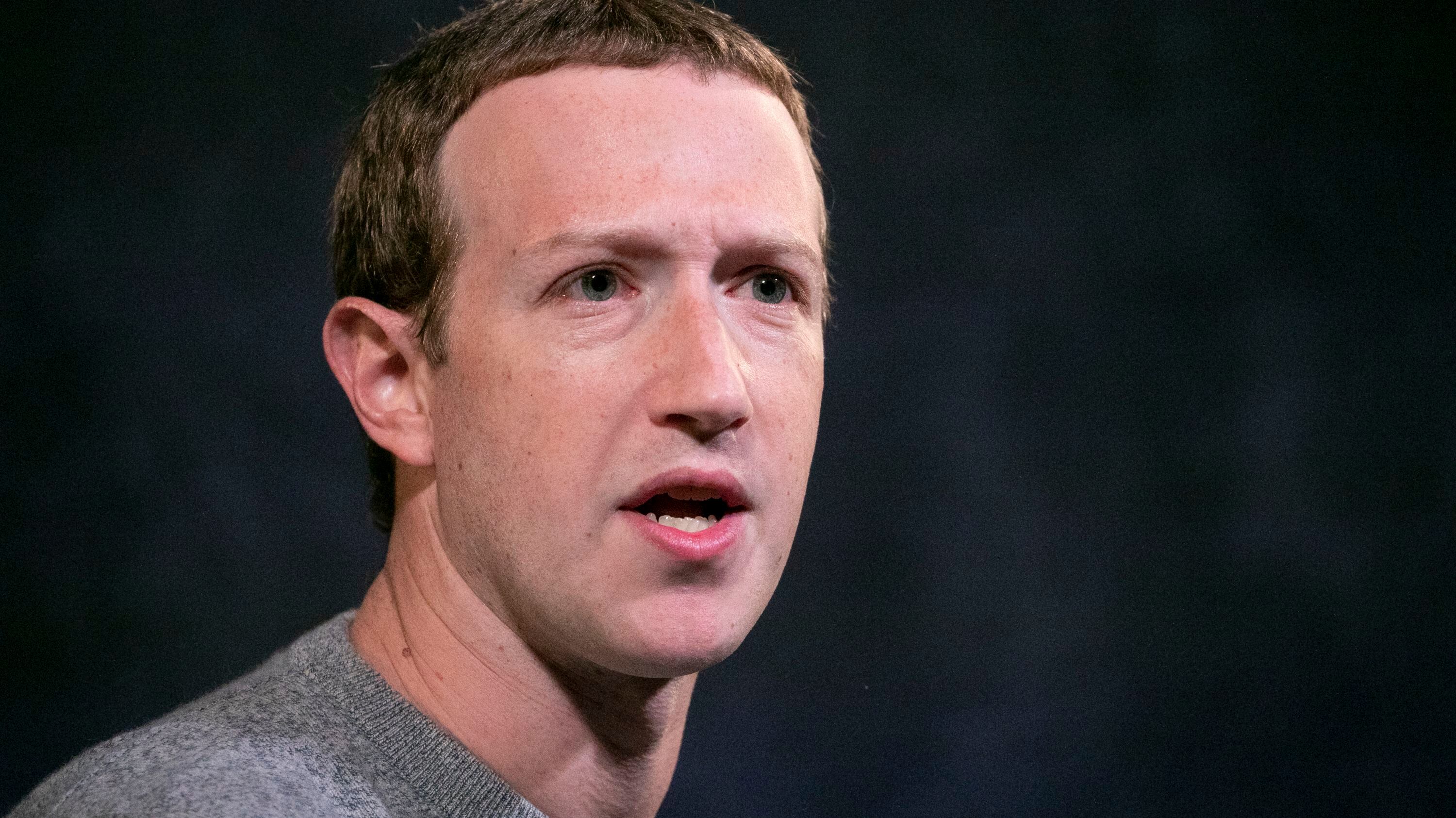
Facebook employees are using Twitter to register their frustration over CEO Mark Zuckerberg’s decision to leave up posts by President Donald Trump that suggested protesters in Minneapolis could be shot.
Federal health authorities have received reports of nearly 26,000 nursing home residents dying from COVID-19, according to materials prepared for the nation's governors. That number is partial and likely to go higher.
Leslie Ricard Chambers, deputy executive counsel for Louisiana Governor John Bel Edwards, talked to Cheddar Monday morning, as cities across the country woke up after another night of unrest.
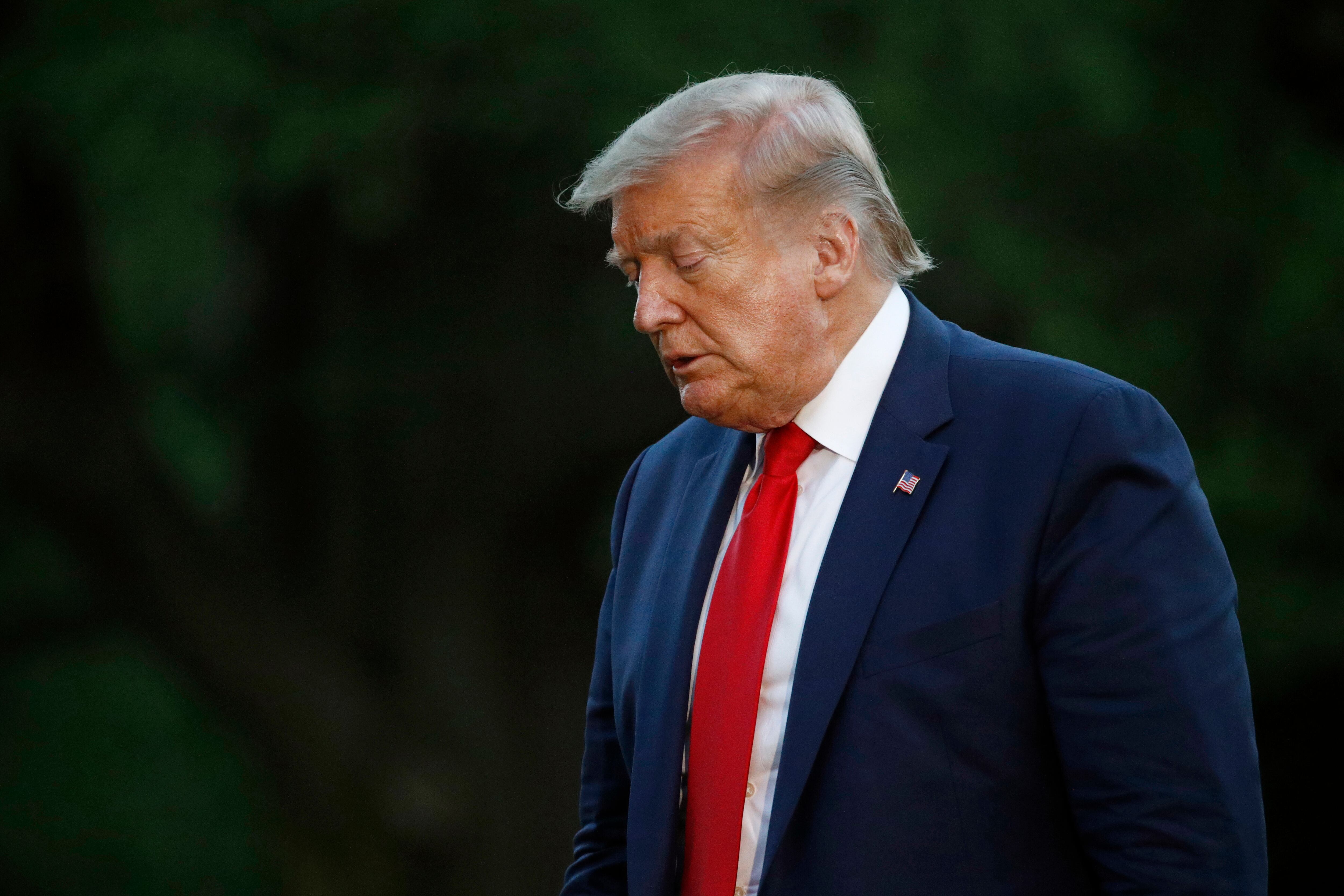
President Donald Trump is deriding the nation’s governors as “weak” and demanding tougher crackdowns on protesters in the aftermath of more violent protests in dozens of American cities.
President Donald Trump spent time in a White House bunker during Friday night's protests outside the executive mansion. Secret Service agents rushed him there as some of the demonstrators were throwing rocks and tugging at police barricades.
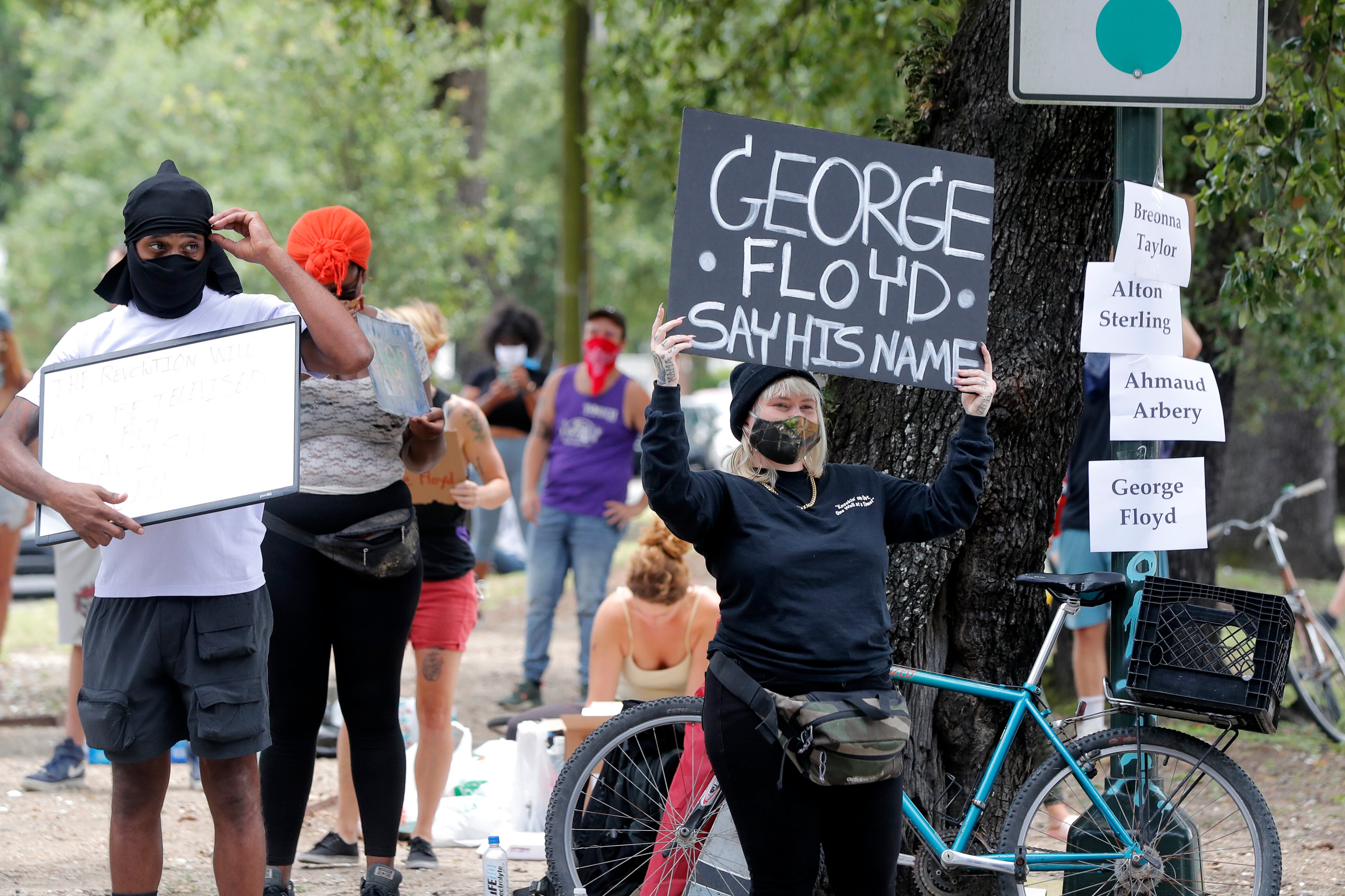
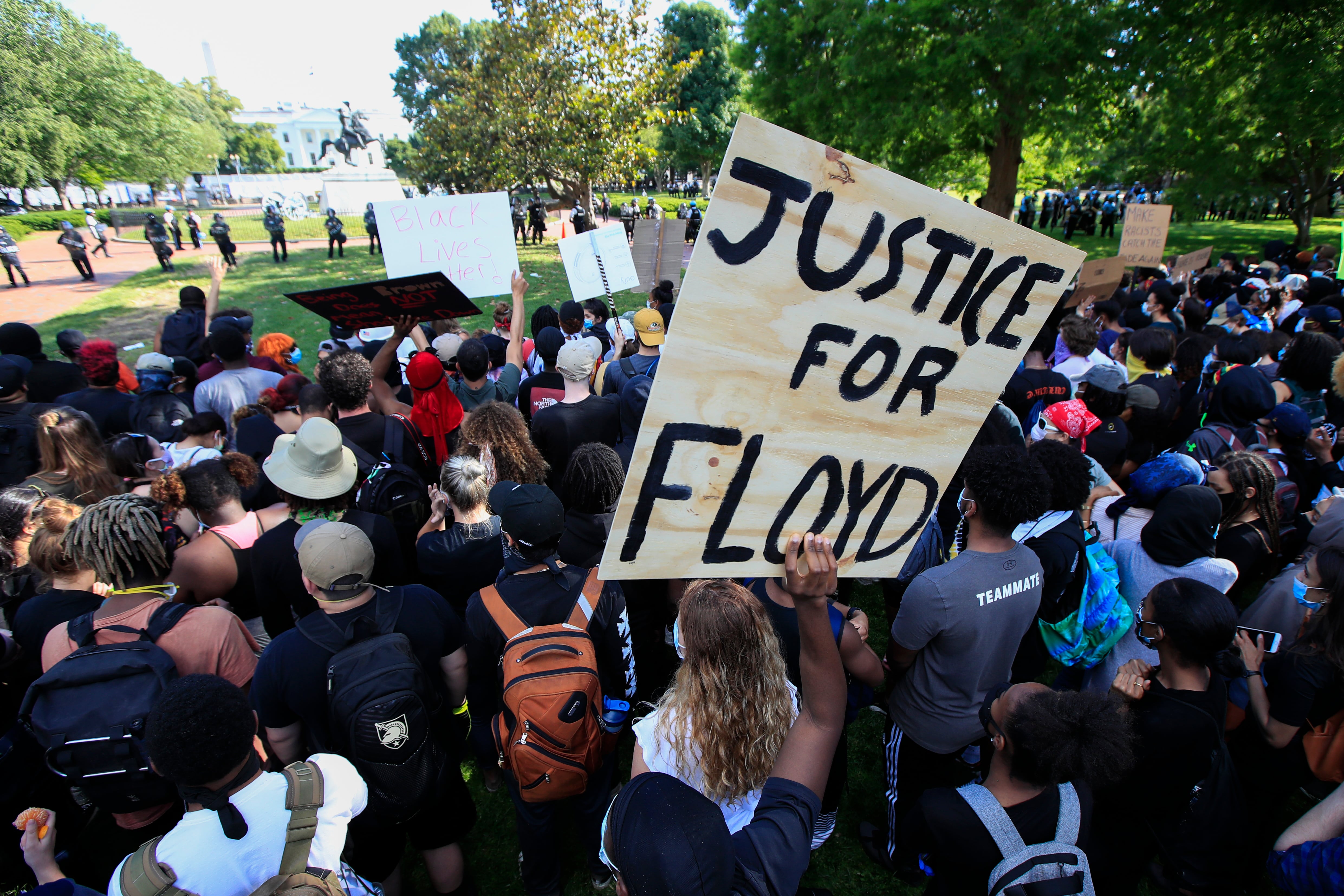
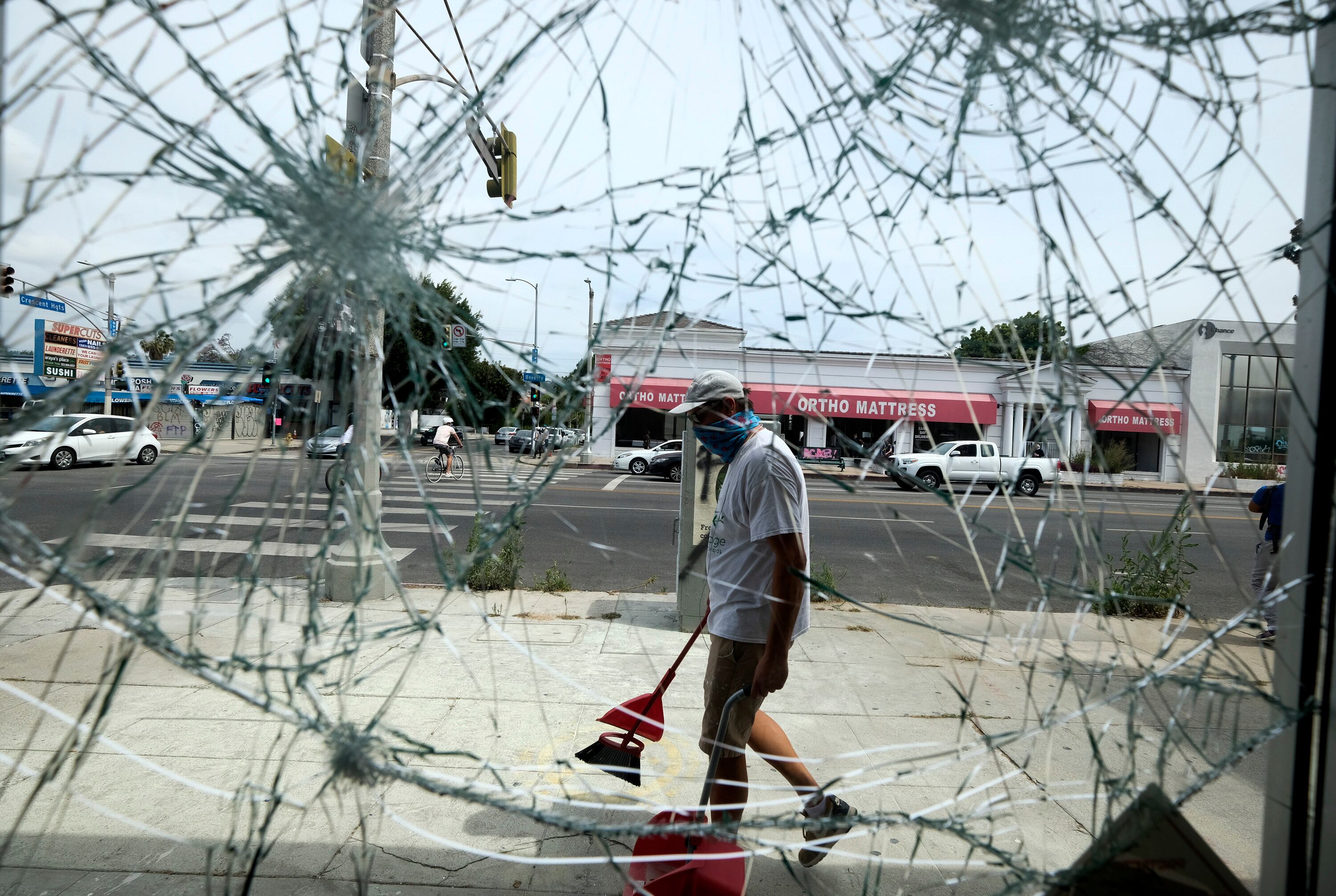
America’s cities boarded up windows, swept up glass and covered graffiti Sunday as the country's most significant night of protests in a half-century spilled into another day of unrest fueled by killings of black people at the hands of police.