As the ranking member of the House Intelligence Committee, Devin Nunes has recently been in the spotlight for his pro-Trump support during recent impeachment inquiry hearings. But like all members of Congress, he has an election coming up in 2020 and his Democrat challenger says his campaign has seen an outpouring of support since the hearings began.
"We've received over $300,000 in contributions since the beginning of this impeachment hearing from over 10,000 individual contributions," said Phil Arballo, who is trying to win the seat for California's 22nd District — a seat which Nunes has held since 2003.
Arballo, a Mexican-American businessman, entered the Democratic primary for the seat in June but said his campaign has seen a "groundswell of support" since attention shifted to Nunes during the hearings last week.
"As a constituent of his, and I can tell you from talking to a lot of people every day here on the ground, it's embarrassing, that he's our representative, here. He does not represent us here," Arballo said of the Central Valley.
Nunes defeated his Democratic challenger in 2018, but Arballo thinks the tide will turn in 2020.
"It's a very winnable seat," he said. "Everything is trending in the right direction for our race next year."
Nunes is not the only Republican whose role in the hearings may be helping Democratic challengers. Rep. Elise Stefanik of New York's 21st Congressional District played a prominent role in the hearings. Her 2020 challenger Tedra Cobb, who unsuccessfully challenged Stefanik in 2018, announced her campaign raised $1 million the weekend after the impeachment hearings.
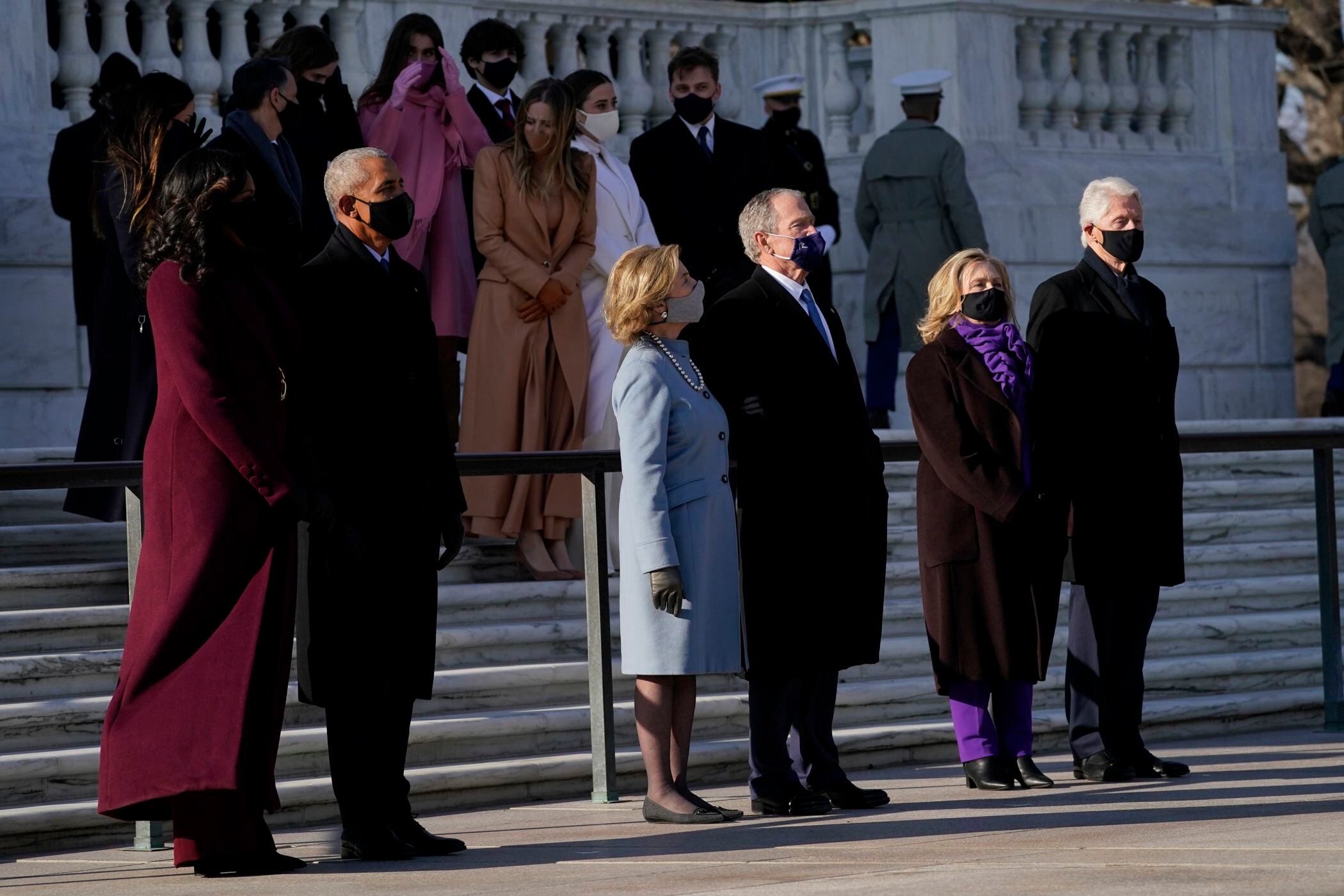
Four former presidents are urging Americans to get vaccinated as soon as COVID-19 doses are available to them, as part of a campaign to overcome hesitancy for the shots.
You can’t separate classic New York City architecture from the fire escape. They’re all over.
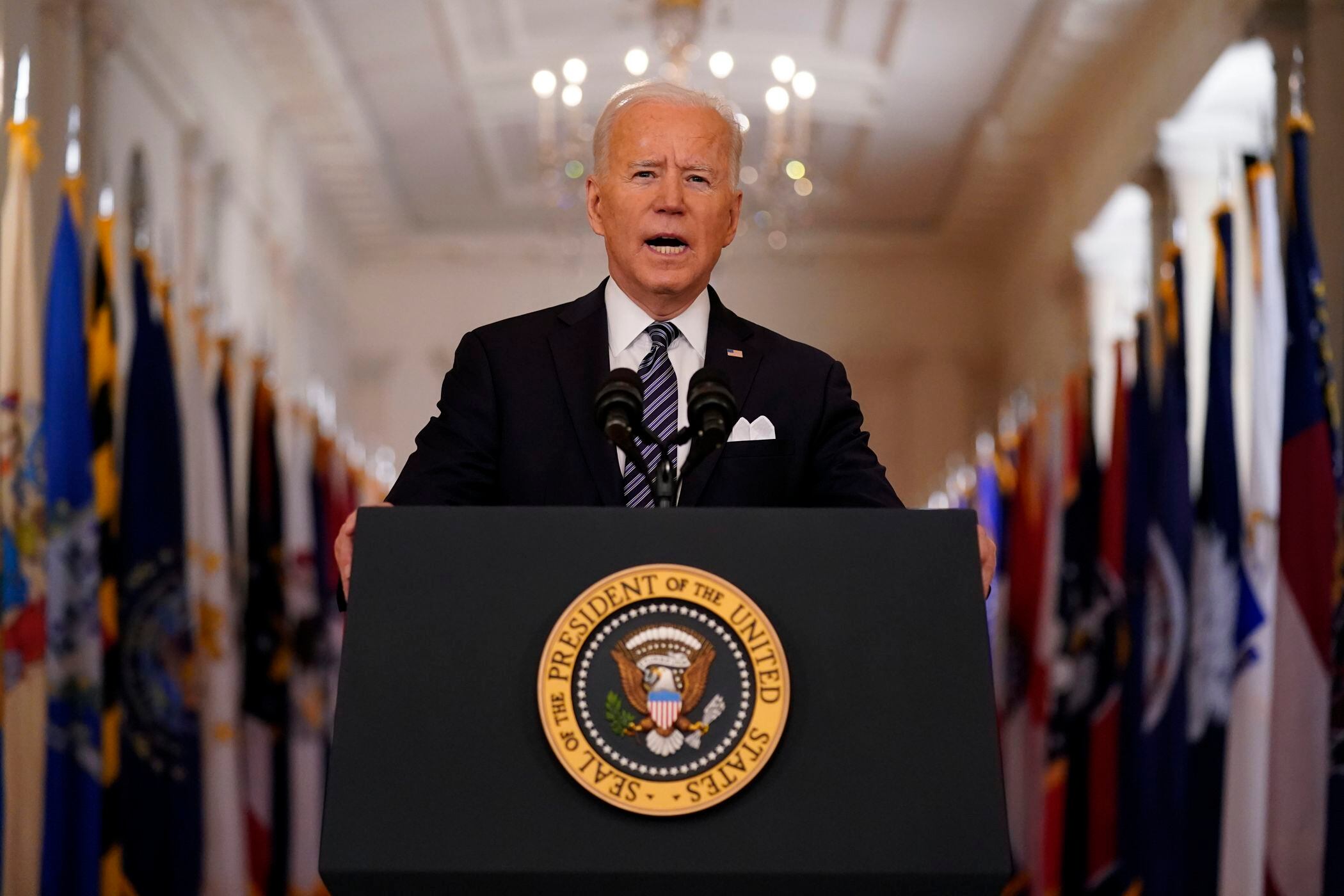
President Joe Biden is outlining his plan to make all adult Americans eligible for vaccination by May 1 and get the nation back “closer to normal” by the Fourth of July.
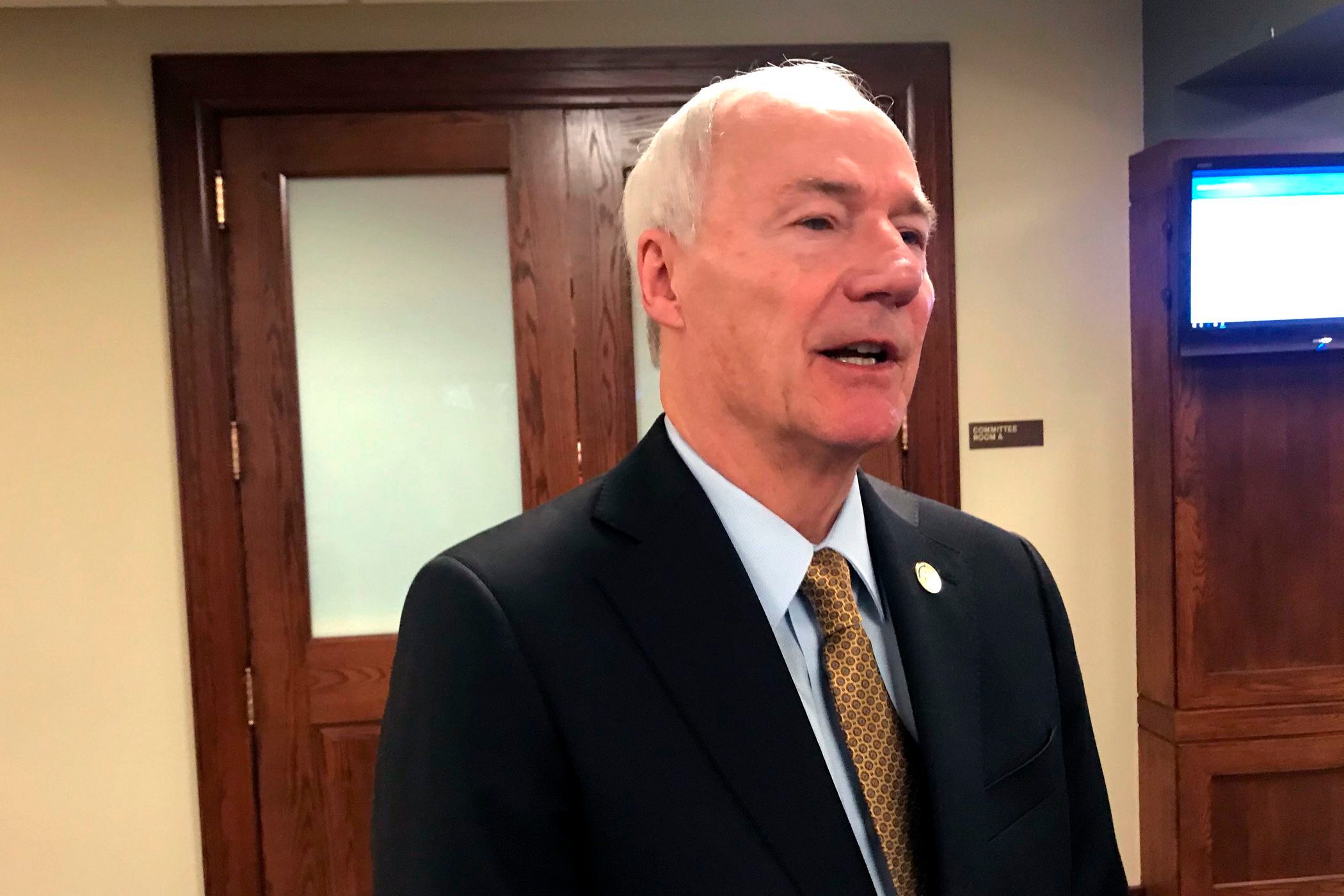
Arkansas Gov. Asa Hutchinson defended his decision to keep much of the economy, including schools, open during the pandemic., as well as signing a near-total abortion ban bill.
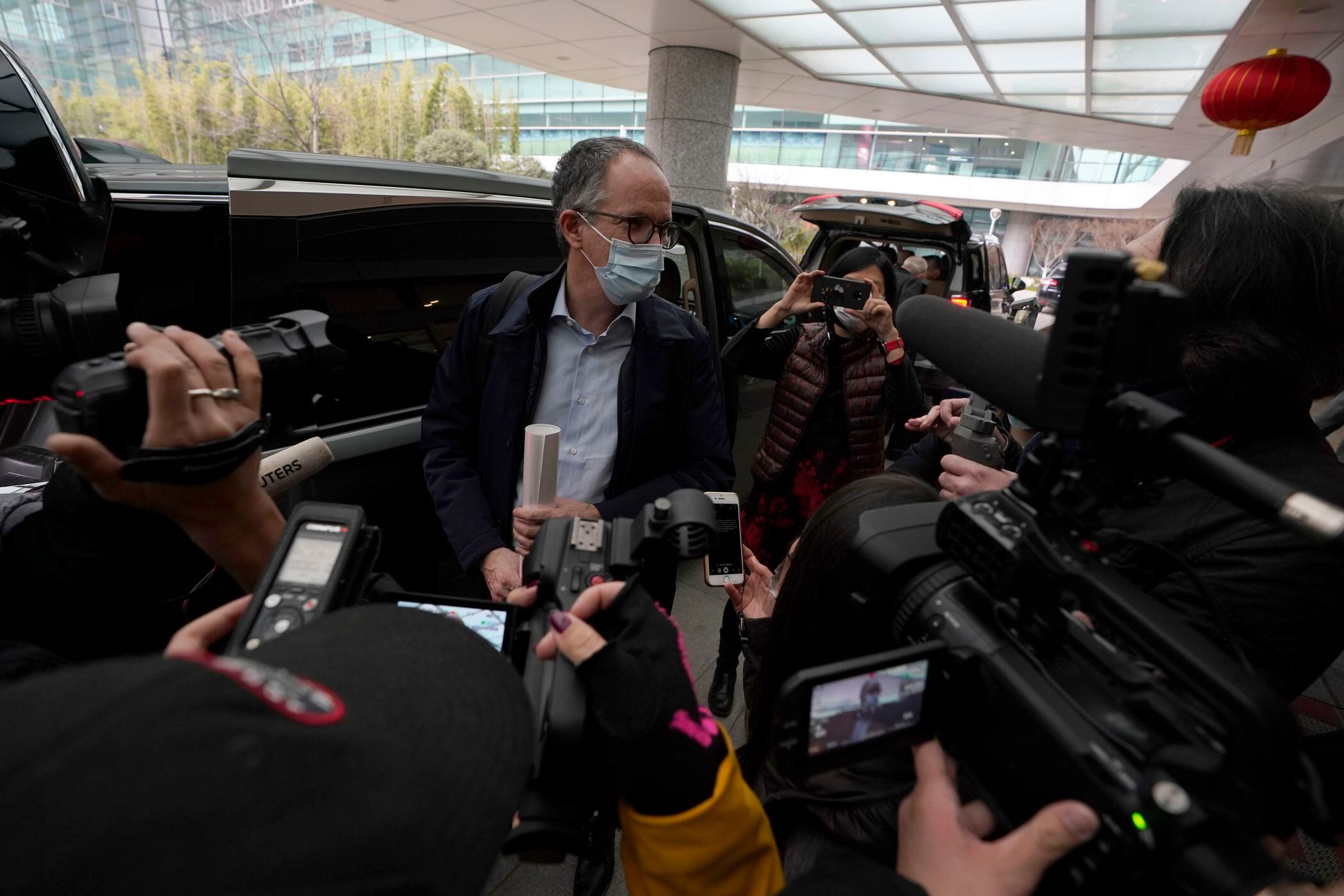
When the World Health Organization declared a pandemic one year ago on Thursday, it did so only after weeks of resisting the term and maintaining the coronavirus could still be stopped.
Prince William says that his family is not racist, becoming the first British royal to speak out about accusations of bigotry made by Prince Harry and Meghan, his brother and sister-in-law.
Congress has sent President Joe Biden the landmark $1.9 trillion COVID-19 relief bill.
Eisenhower’s interstate system was the biggest infrastructure project of its time. What justified the cost was its potential to connect all corners of America, but the unforeseen impacts of the highway system seemed to do the opposite of the intention.
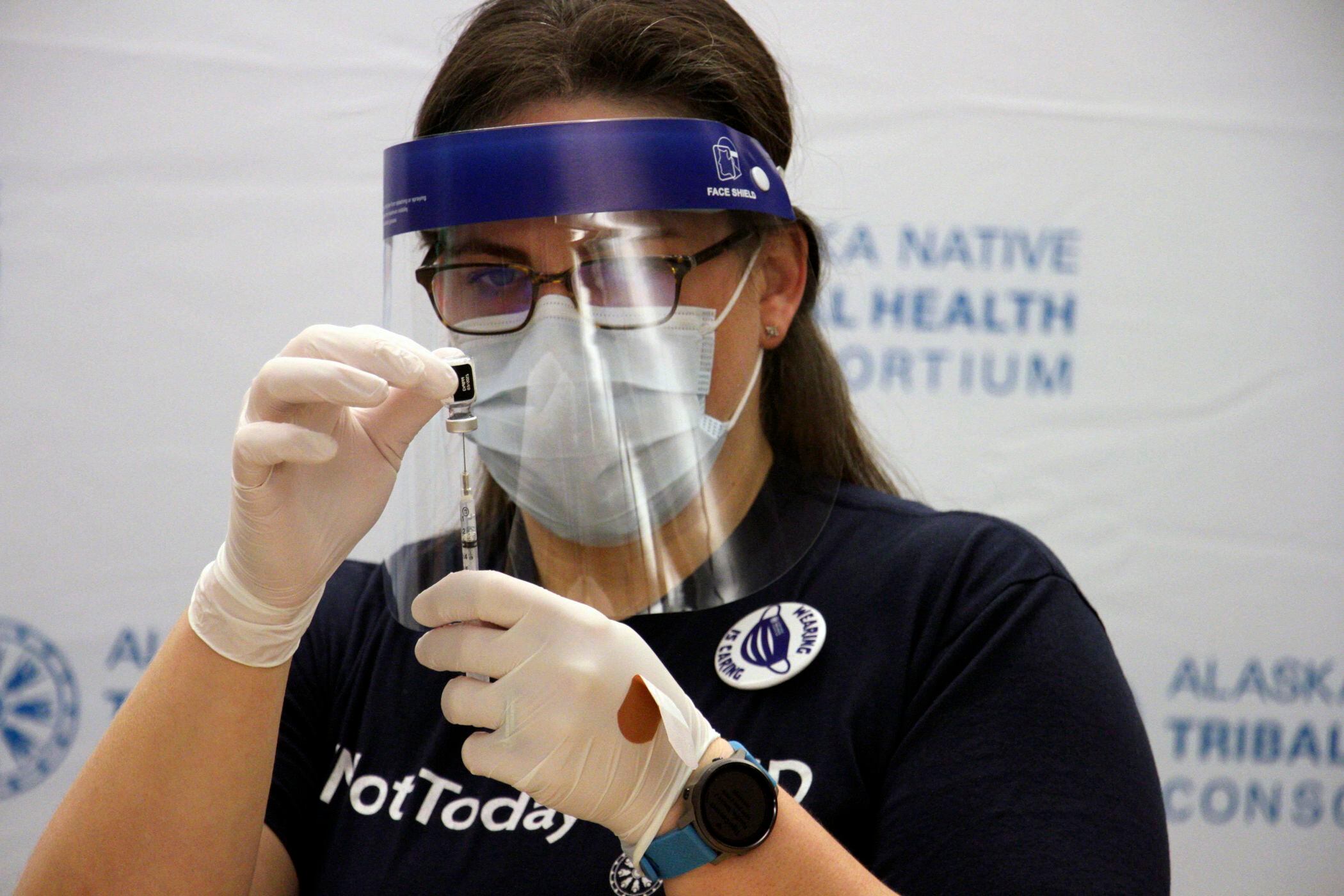
Dr. Anne Zink, chief medical officer for the state of Alaska, spoke to Cheddar about Alaska's remarkable task of getting COVID vaccines to a widespread populace even as the state opens up eligibility to nearly everyone.
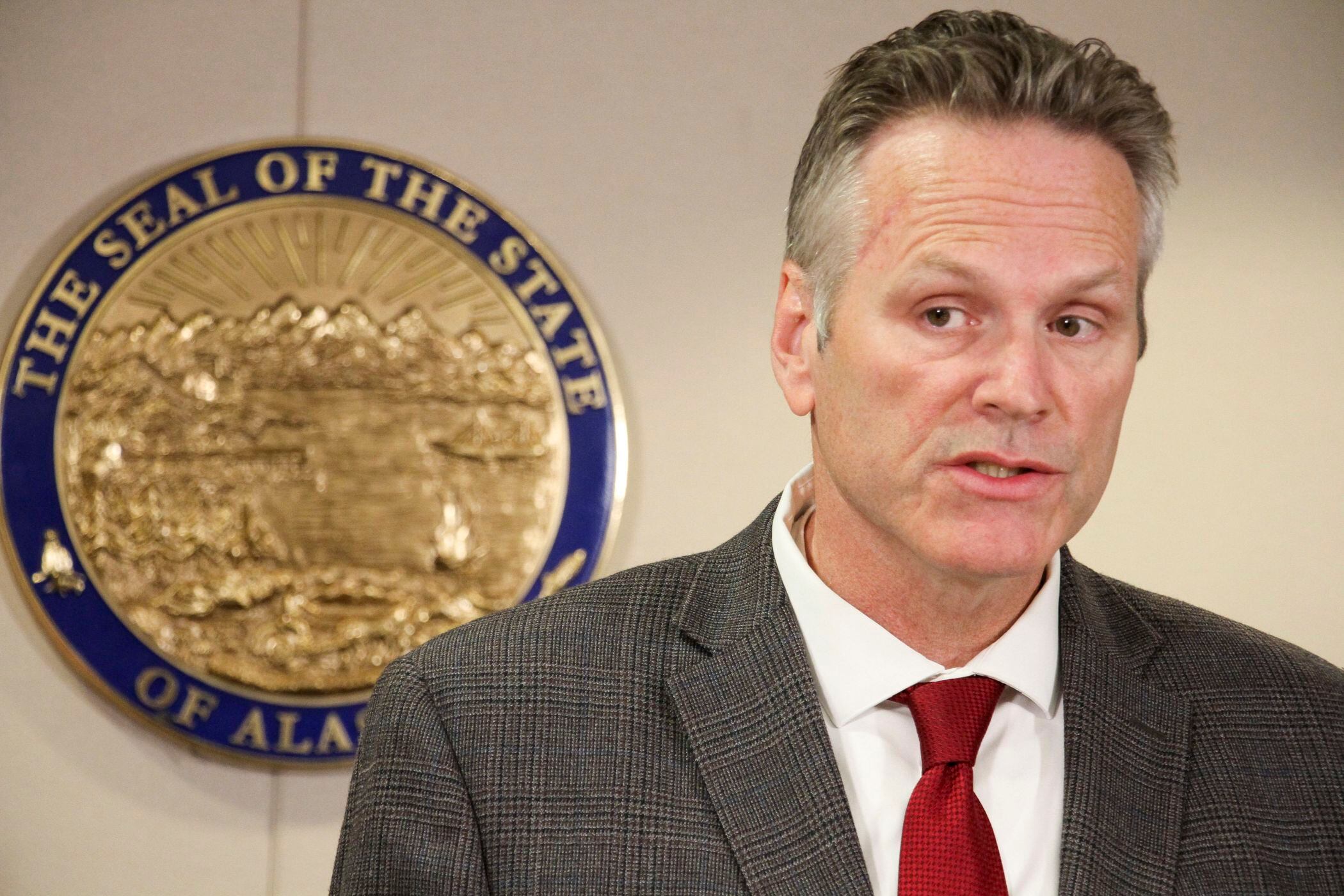
Gov. Mike Dunleavy says Alaska has become the first state to drop eligibility requirements and allow anyone 16 or older who lives or works in the state to get a COVID-19 vaccination.