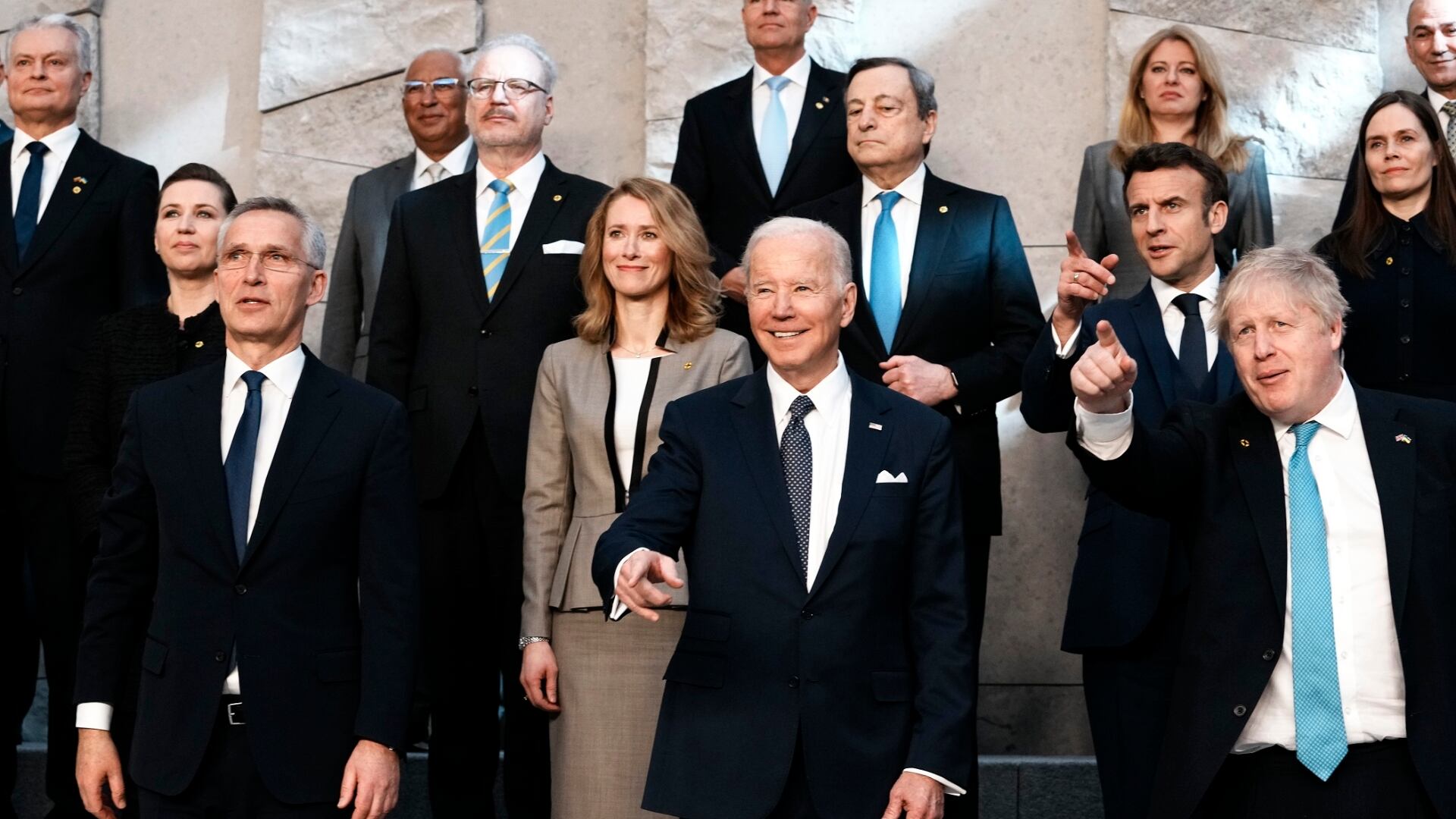
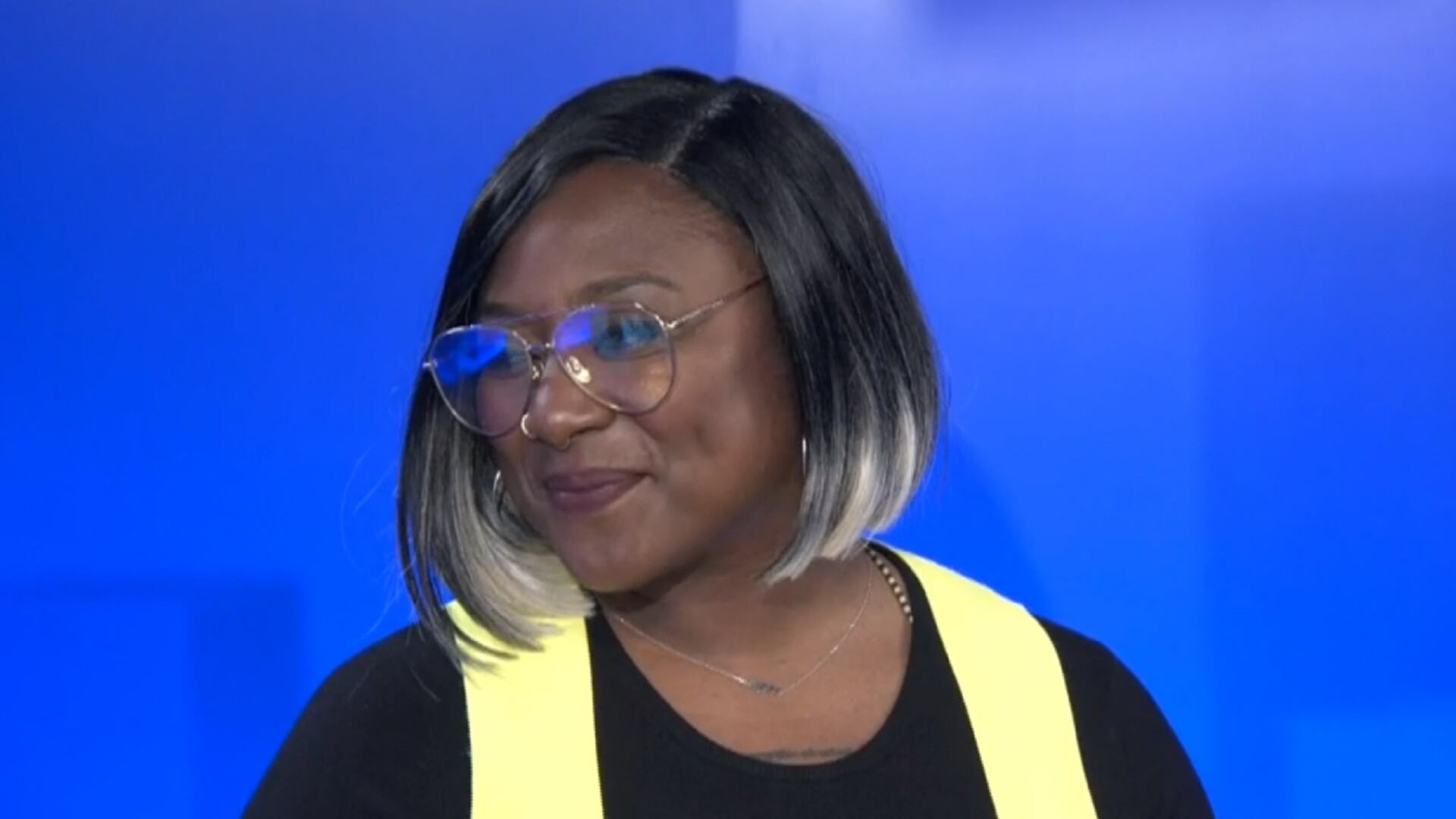
*By Alisha Haridasani* Maintaining diplomatic momentum after the historic meeting Friday between the North Korean leader Kim Jung-un and President Moon Jae-in of South Korea will likely fall on the shoulders of President Trump, who will have his own summit with Kim next month. “I’m sure Seoul is reaching out to their Washington counterparts and coaching them in how to deal with the North Koreans and how to achieve an outcome where all three parties, to some degree, are at least satisfied with the outcome,” said Andrew Jeong, reporter at the Wall Street Journal in Seoul. Kim and Moon agreed Friday to rid the Korean peninsula of nuclear weapons, a pledge they have made before, and to negotiate a formal end to the Korean War, which was paused in 1953 without a peace treaty. The bold, if not entirely new, statements did not include any details about how the leaders would achieve their goals. Success, analysts said, would depend on how Trump’s meeting with Kim goes. Announced earlier this month, and scheduled for May, it would be the first meeting between a sitting American president and a North Korean leader. Former President Jimmy Carter met with Kim’s grandfather, Kim Il Sung, on a visit to North Korea in 1994. According to Rep. Don Norcross (D-NJ), the president will have to convince North Korea to agree to verification that it is living up to its promises. "North Korea has a history of saying one thing and doing something very different," he said. North Korea has pledged to abandon its nuclear program several times since 1985, when it signed the Nuclear Non-Proliferation Treaty, only to withdraw and backtrack from earlier agreements. "As President Reagan used to say, trust but we need to verify," said Norcross. Though much remains to be negotiated, and success is a long way off, Trump said on Twitter that the United States “should be very proud of what is taking place in Korea.” In an [official statement](https://www.whitehouse.gov/briefings-statements/statement-press-secretary-inter-korean-summit/), the White House press secretary said the administration was “hopeful that talks will achieve progress toward a future of peace and prosperity for the entire Korean Peninsula,” and said the U.S. “appreciates the close coordination with our ally,” South Korea. North Korea has pledged to abandon its nuclear program several times since 1985, when it signed the Nuclear Non-Proliferation Treaty, only to withdraw and backtrack from earlier agreements. The dramatic meeting Friday between Kim and Moon took place in the demilitarized zone that divides their two countries as it has since the end of the war. Kim reached across the border, shook Moon’s hand, and then became the first North Korean leader to step foot in South Korea. That symbolic step set the tone for the rest of their seemingly friendly meeting. If future talks are successful at ending the more than half century of enmity, the people of North Korea stand to benefit most, said Jeong of the Wall Street Journal. Economic sanctions have crippled the country, and the government’s authoritarian rule under the Kim family has left its citizens on the brink of starvation for years. “If this peace comes, this could mean that the North has more cash and more capital to spend on its economy,” Jeong said. For full interview, [click here](https://cheddar.com/videos/congressman-norcross-d-nj-says-the-opioid-crisis-has-killed-too-many-of-his-constituents).