Rep. Norcross (D-NJ): I'm Optimistic But Cautious About North Korea
*By Alisha Haridasani*
Maintaining diplomatic momentum after the historic meeting Friday between the North Korean leader Kim Jung-un and President Moon Jae-in of South Korea will likely fall on the shoulders of President Trump, who will have his own summit with Kim next month.
“I’m sure Seoul is reaching out to their Washington counterparts and coaching them in how to deal with the North Koreans and how to achieve an outcome where all three parties, to some degree, are at least satisfied with the outcome,” said Andrew Jeong, reporter at the Wall Street Journal in Seoul.
Kim and Moon agreed Friday to rid the Korean peninsula of nuclear weapons, a pledge they have made before, and to negotiate a formal end to the Korean War, which was paused in 1953 without a peace treaty. The bold, if not entirely new, statements did not include any details about how the leaders would achieve their goals.
Success, analysts said, would depend on how Trump’s meeting with Kim goes. Announced earlier this month, and scheduled for May, it would be the first meeting between a sitting American president and a North Korean leader. Former President Jimmy Carter met with Kim’s grandfather, Kim Il Sung, on a visit to North Korea in 1994.
According to Rep. Don Norcross (D-NJ), the president will have to convince North Korea to agree to verification that it is living up to its promises. "North Korea has a history of saying one thing and doing something very different," he said.
North Korea has pledged to abandon its nuclear program several times since 1985, when it signed the Nuclear Non-Proliferation Treaty, only to withdraw and backtrack from earlier agreements.
"As President Reagan used to say, trust but we need to verify," said Norcross.
Though much remains to be negotiated, and success is a long way off, Trump said on Twitter that the United States “should be very proud of what is taking place in Korea.” In an [official statement](https://www.whitehouse.gov/briefings-statements/statement-press-secretary-inter-korean-summit/), the White House press secretary said the administration was “hopeful that talks will achieve progress toward a future of peace and prosperity for the entire Korean Peninsula,” and said the U.S. “appreciates the close coordination with our ally,” South Korea.
North Korea has pledged to abandon its nuclear program several times since 1985, when it signed the Nuclear Non-Proliferation Treaty, only to withdraw and backtrack from earlier agreements.
The dramatic meeting Friday between Kim and Moon took place in the demilitarized zone that divides their two countries as it has since the end of the war. Kim reached across the border, shook Moon’s hand, and then became the first North Korean leader to step foot in South Korea. That symbolic step set the tone for the rest of their seemingly friendly meeting.
If future talks are successful at ending the more than half century of enmity, the people of North Korea stand to benefit most, said Jeong of the Wall Street Journal.
Economic sanctions have crippled the country, and the government’s authoritarian rule under the Kim family has left its citizens on the brink of starvation for years.
“If this peace comes, this could mean that the North has more cash and more capital to spend on its economy,” Jeong said.
For full interview, [click here](https://cheddar.com/videos/congressman-norcross-d-nj-says-the-opioid-crisis-has-killed-too-many-of-his-constituents).
The school shooting in Texas that left 19 children and 2 teachers dead has reignited the debate over gun control.
The tragedy in Uvalde is the deadliest school shooting in nearly a decade and marks the latest in a string of mass shootings in the country. Jared Moskowitz, Broward County Commissioner and candidate for Congress in FL-23, joined Cheddar's Opening Bell to discuss why gun control measures are stalled in the Senate, and where legislation can move forward from here.
Police and detectives are still investigating the tragic school shooting in Uvalde, Texas that killed 19 children and two adults. Cheddar News was joined by Kirk Burkhalter, professor at New York Law School and former NYPD detective to gain some insight on what investigators are looking for and what comes next.
Texas authorities say the gunman who massacred 21 people at an elementary school was in the building for over an hour before he was killed by law enforcement officers.
Join Cheddar News as we break down the top headlines for Thursday, May 26 including updates on the Texas school shooting, President Joe Biden's executive order on police reform, and a recount in the Pennsylvania GOP Senate primary.
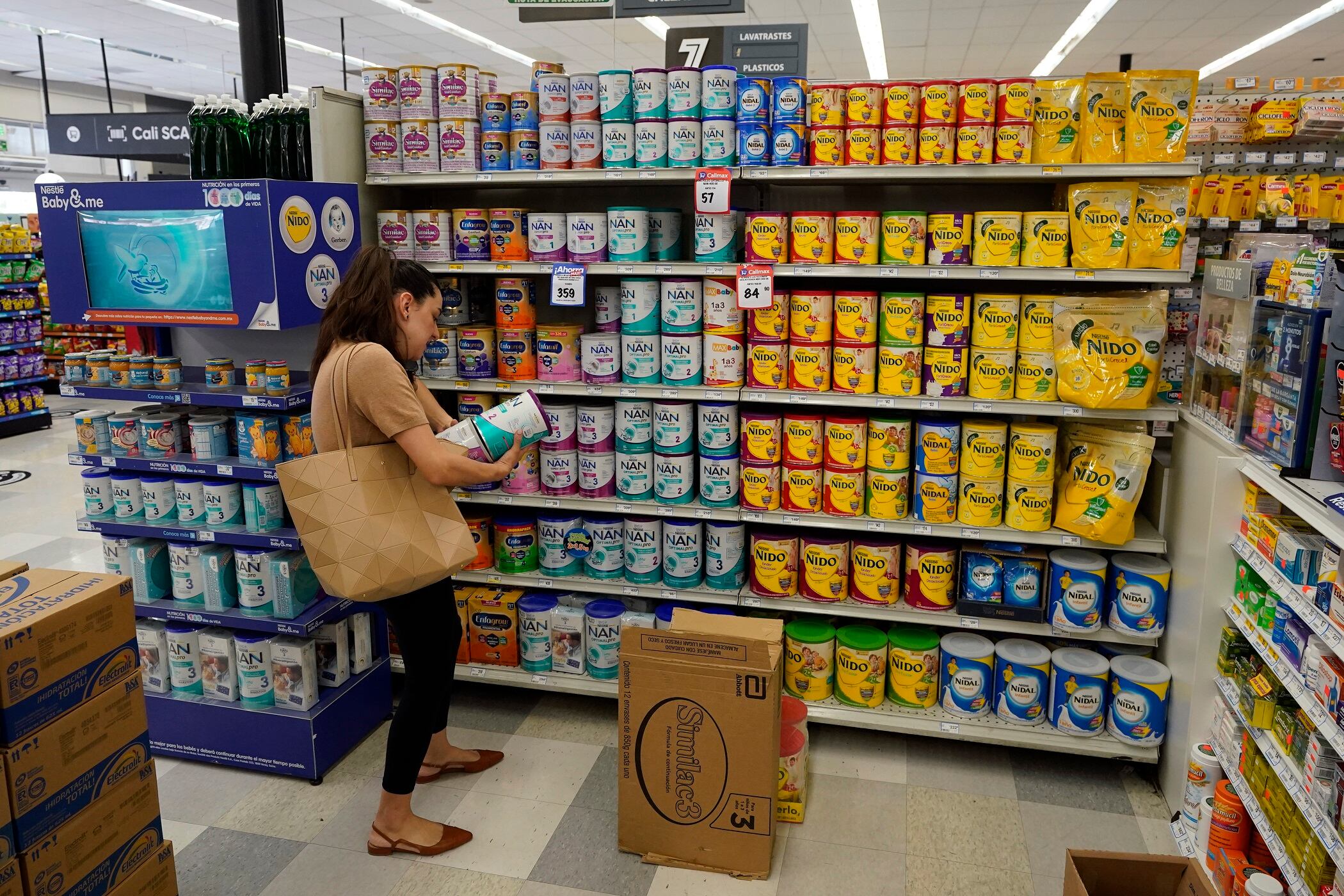
Representative Morgan Griffith of Virginia rebuked words from the FDA commissioner that could have been construed as blaming parents for stockpiling baby formula exacerbating the shortage.
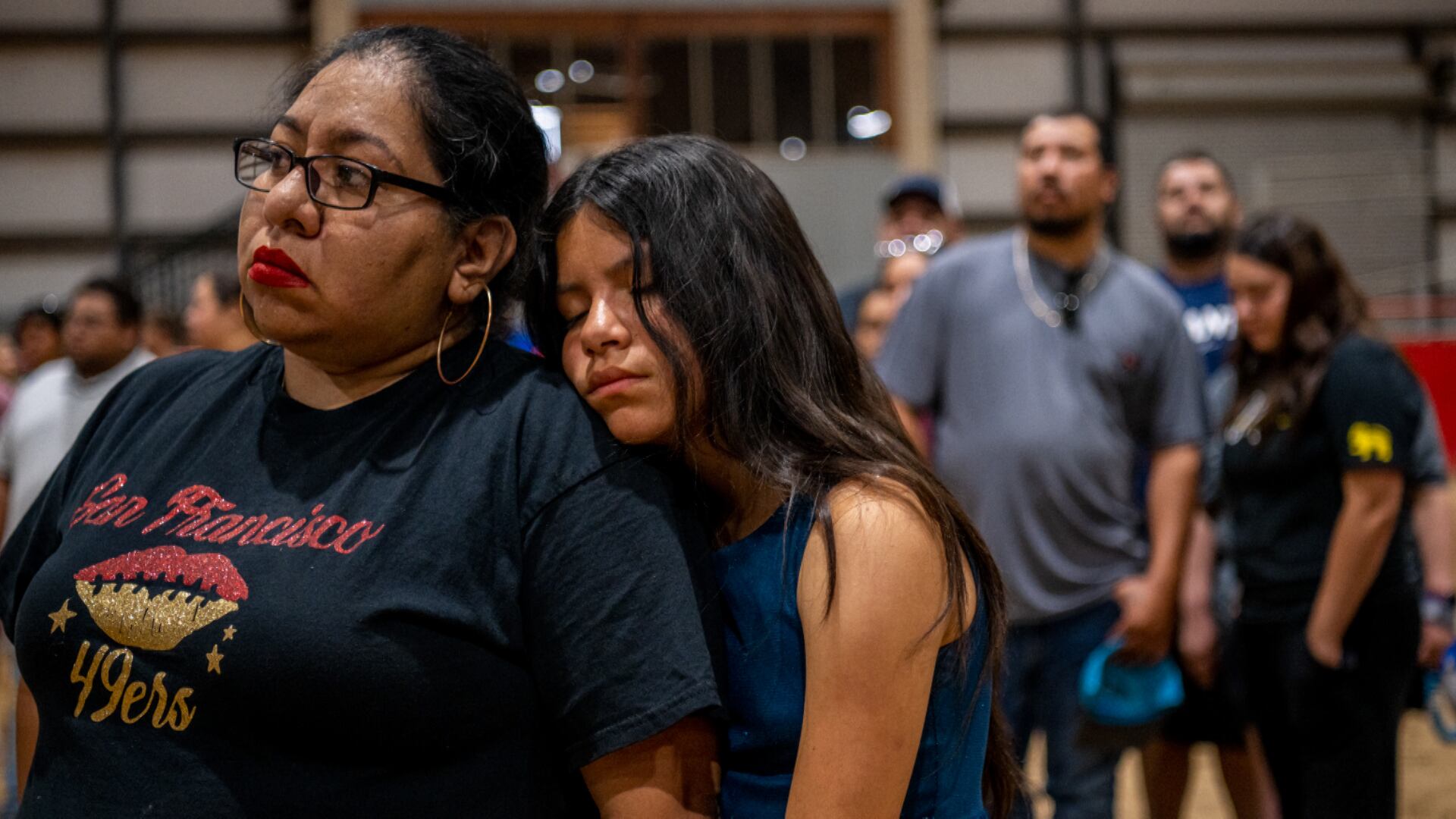
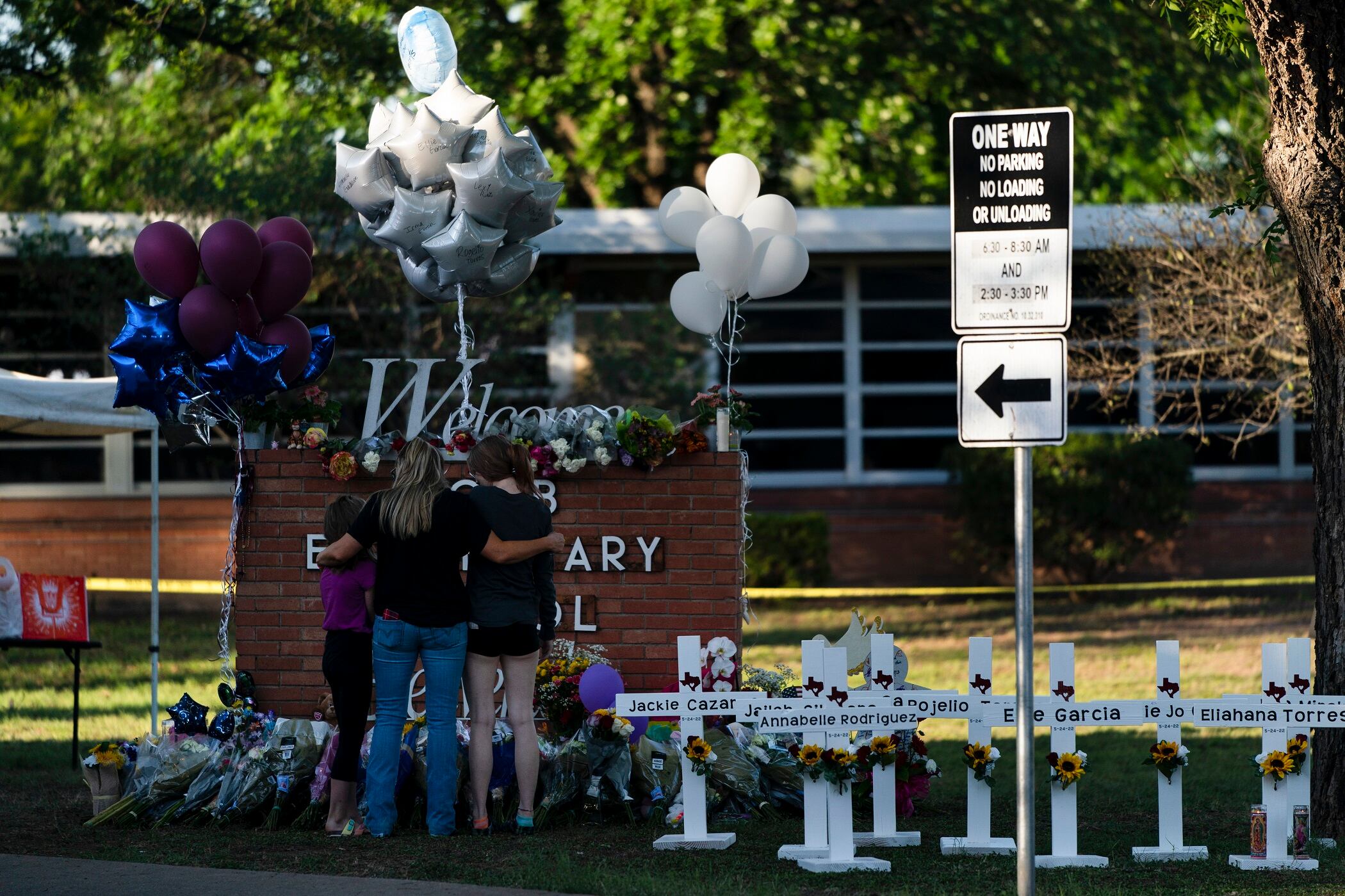
Cheddar News reporter Megan Pratz brings the latest from the scene of yesterday's horrific school shooting at a Robb Elementary School in Uvalde, Texas. Now the second-deadliest school shooting in U.S. history with 19 children and two adults killed, Pratz goes into comments by Texas Gov. Greg Abbott, details about the deceased shooter, and reactions from members of the community.
The Robb Elementary School mass shooting killing 19 children and two adults in Uvalde, Texas pm Tuesday was the deadliest school shooting since the 2012 Sandy Hook massacre in Newtown, Connecticut, and came just 10 days after the grocery store shooting in Buffalo, New York. Nelson Vergara, the founder and CEO of 360 Protective Solutions, joined Cheddar’s Opening Bell to discuss. "Right now what law enforcement is concentrating on is trying to trace his steps as to what motivated the gunman to act the way he did. What it boils down to just trying to figure out what led to his motivation to do such a horrific act.”
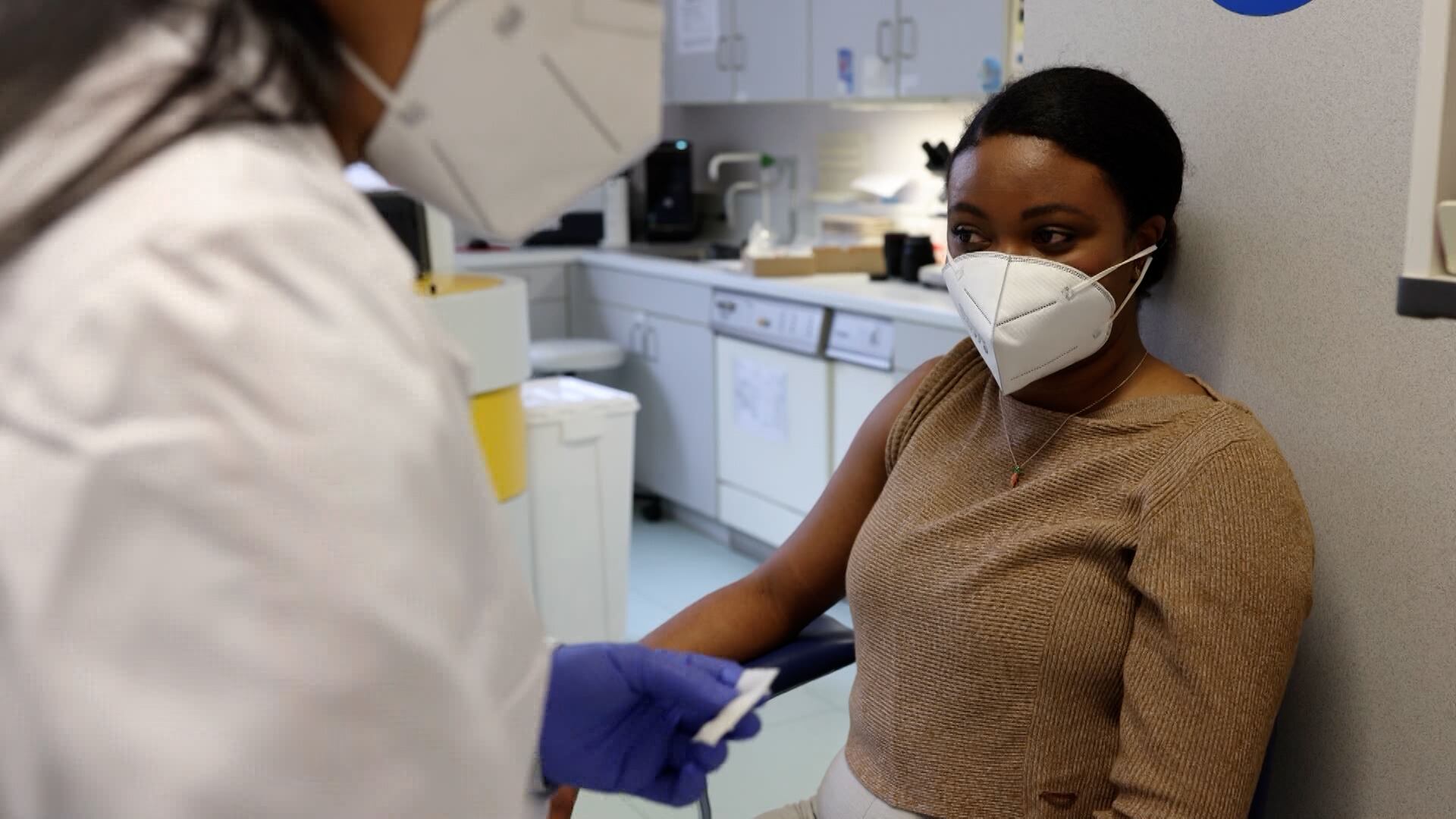
An recently conducted AP-NORC poll found that majorities of the Black and Hispanic populations in the U.S. still find themselves either somewhat worried or extremely worried over the pandemic, while more than half of white Americans responded with either being not too worried or not worried at all. Dr. Chris Pernell, the chief strategic integration and health equity officer at University Hospital, joined Cheddar News to talk about how perceptions of COVID-19 differ between groups of Americans. "We’re still seeing people get infected, and because of the toll of the disproportionate impact, we have concerns among the Black and brown community about whether or not they have an increased risk of exposure because of where they work, because of the use of public transportation, because they live in homes that they may not be able to safely quarantine and or isolate in, and because they have at baseline chronic health conditions that may make coronavirus more severe in those persons," she said.
Judith Enck, a former regional administrator for the EPA and the president of Beyond Plastics, joined Cheddar News to talk about the role of plastics in the climate crisis and California's investigation of ExxonMobil and other oil companies for misleading the public on the ability to recycle plastics. "The reason why petrochemical companies like Exxon have gotten away with selling more and more plastic is that they've lied to the public and told us don't worry about all those negative upstream impacts and downstream impacts of plastics. Just be sure to recycle it. Well, guess what? Plastics largely are not recycled," Enck said.