Rep. Norcross (D-NJ): I'm Optimistic But Cautious About North Korea
*By Alisha Haridasani*
Maintaining diplomatic momentum after the historic meeting Friday between the North Korean leader Kim Jung-un and President Moon Jae-in of South Korea will likely fall on the shoulders of President Trump, who will have his own summit with Kim next month.
“I’m sure Seoul is reaching out to their Washington counterparts and coaching them in how to deal with the North Koreans and how to achieve an outcome where all three parties, to some degree, are at least satisfied with the outcome,” said Andrew Jeong, reporter at the Wall Street Journal in Seoul.
Kim and Moon agreed Friday to rid the Korean peninsula of nuclear weapons, a pledge they have made before, and to negotiate a formal end to the Korean War, which was paused in 1953 without a peace treaty. The bold, if not entirely new, statements did not include any details about how the leaders would achieve their goals.
Success, analysts said, would depend on how Trump’s meeting with Kim goes. Announced earlier this month, and scheduled for May, it would be the first meeting between a sitting American president and a North Korean leader. Former President Jimmy Carter met with Kim’s grandfather, Kim Il Sung, on a visit to North Korea in 1994.
According to Rep. Don Norcross (D-NJ), the president will have to convince North Korea to agree to verification that it is living up to its promises. "North Korea has a history of saying one thing and doing something very different," he said.
North Korea has pledged to abandon its nuclear program several times since 1985, when it signed the Nuclear Non-Proliferation Treaty, only to withdraw and backtrack from earlier agreements.
"As President Reagan used to say, trust but we need to verify," said Norcross.
Though much remains to be negotiated, and success is a long way off, Trump said on Twitter that the United States “should be very proud of what is taking place in Korea.” In an [official statement](https://www.whitehouse.gov/briefings-statements/statement-press-secretary-inter-korean-summit/), the White House press secretary said the administration was “hopeful that talks will achieve progress toward a future of peace and prosperity for the entire Korean Peninsula,” and said the U.S. “appreciates the close coordination with our ally,” South Korea.
North Korea has pledged to abandon its nuclear program several times since 1985, when it signed the Nuclear Non-Proliferation Treaty, only to withdraw and backtrack from earlier agreements.
The dramatic meeting Friday between Kim and Moon took place in the demilitarized zone that divides their two countries as it has since the end of the war. Kim reached across the border, shook Moon’s hand, and then became the first North Korean leader to step foot in South Korea. That symbolic step set the tone for the rest of their seemingly friendly meeting.
If future talks are successful at ending the more than half century of enmity, the people of North Korea stand to benefit most, said Jeong of the Wall Street Journal.
Economic sanctions have crippled the country, and the government’s authoritarian rule under the Kim family has left its citizens on the brink of starvation for years.
“If this peace comes, this could mean that the North has more cash and more capital to spend on its economy,” Jeong said.
For full interview, [click here](https://cheddar.com/videos/congressman-norcross-d-nj-says-the-opioid-crisis-has-killed-too-many-of-his-constituents).
Markets opened lower this morning as investors rounded out a wild 2021. Jay Hatfield, CEO Infrastructure Capital Advisors, joined Cheddar's Opening Bell to discuss which sectors and industries to watch in the new year.
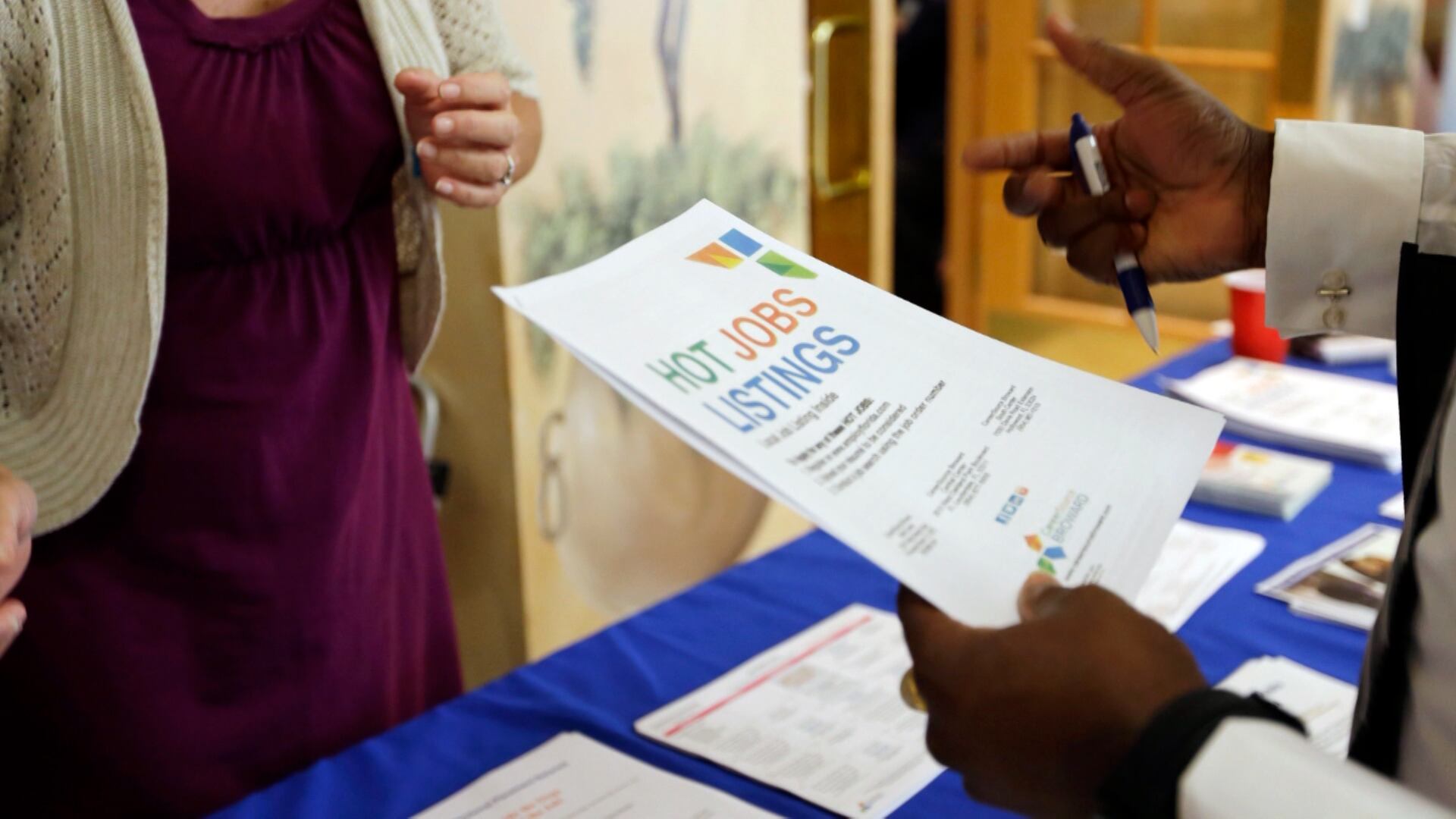
Markets opened higher as investors react to positive data on the labor front, with weekly jobless claims falling to 198,000 for the week ending December 25. Ross Mayfield, investment strategy analyst at Baird joined Cheddar's Opening Bell to discuss the market open.
U.S. officials spoke to Russian leaders for nearly eight hours earlier this week, in hopes of reducing tensions between Russia and Ukraine. Russia forced the west to the negotiating table by massing 100,000 troops near the Ukrainian border, sparking fears of an invasion, and then submitted a set of demands which the west rejected. Joel Rubin, former Deputy Assistant Secretary of State & President at Washington Strategy Group explains what the rest of the week might look like, and why other European nations may be on the side of the U.S.
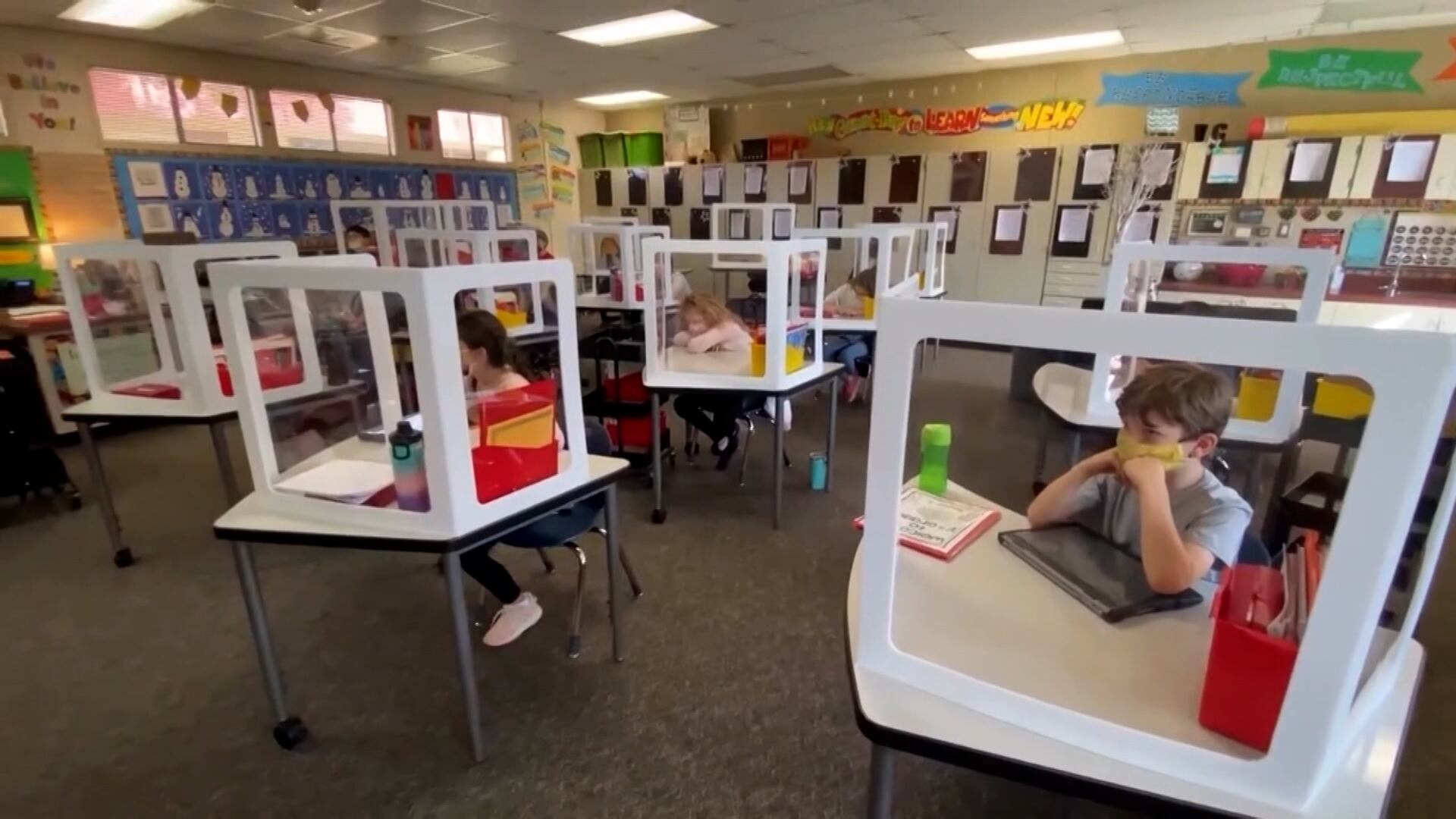
Chicago schools opened their doors again following a dispute between the teachers union and the city over as the omicron variant continues to surge, but the safety issues they fought over weren't just limited to the Windy City. Dr. Bayo Curry-Winchell, family medicine and urgent care doctor, joined Cheddar in discussing concerns of parents, teachers, and students as schools try to operate amid COVID and noted what she's been observing as the number of infections among children rises. "I am seeing them contract the illness from so many different aspects," she said. "It could be from a fellow classmate. It could be from a parent. All of those things really play in the effect of transmission as well as contracting the illness."
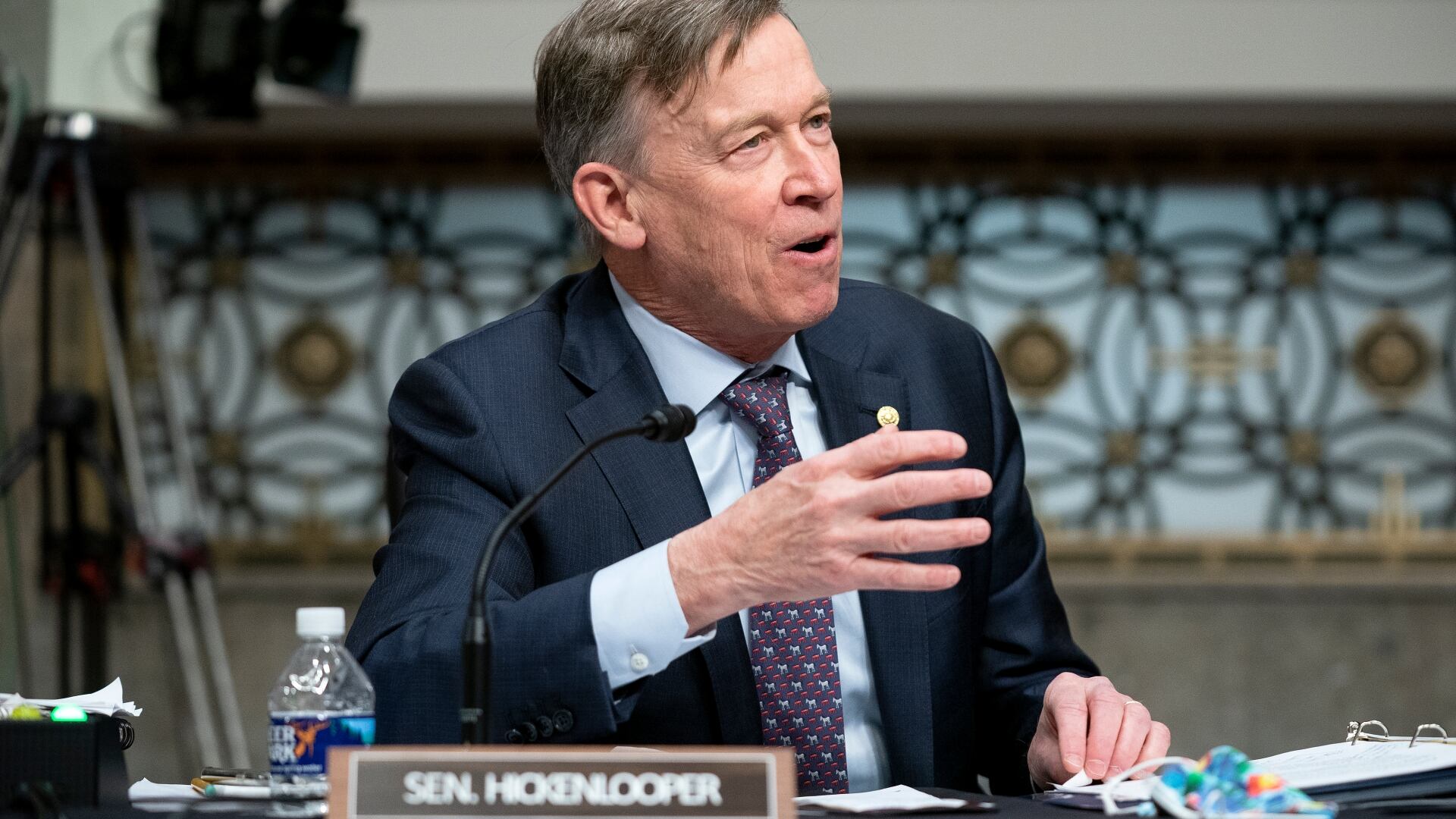
Sen. John Hickenlooper (D-Colo.) is looking for clarification about a federal standard regarding THC impairment while driving. "I think in terms of marijuana, the fact that it's still a Schedule 1 narcotic — it's treated the same as heroin and cocaine — it means that we can't get standards developed," he said about the lack of cohesive regulations. The lawmaker also explained his previous opposition to cannabis legalization in Colorado when he was governor and why his position changed.
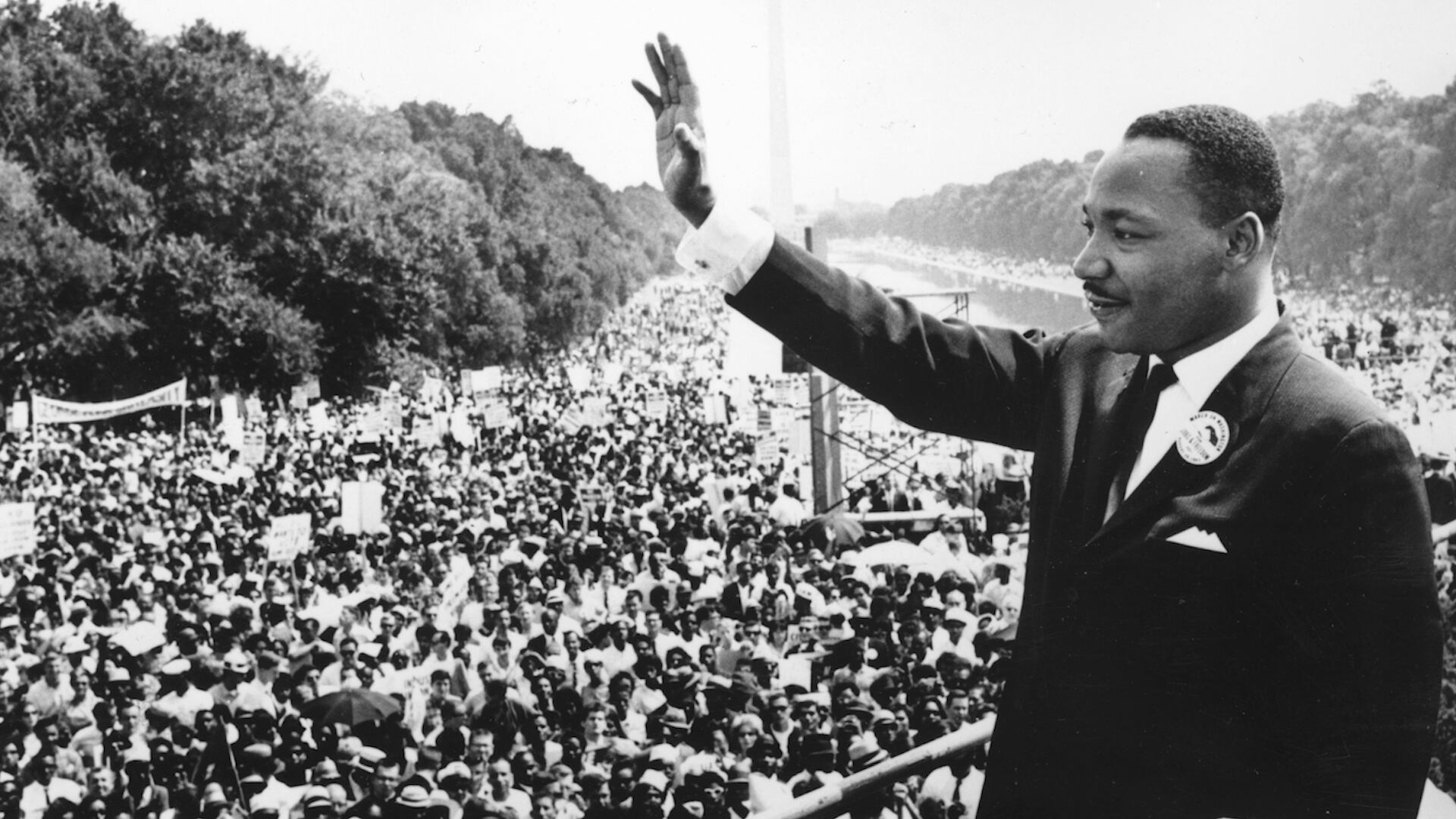
With Martin Luther King Jr. Day fast approaching, Rep. James Clyburn (D-S.C. 6th District), the House Majority Whip, talked about the importance of honoring the iconic civil rights activist. "As we consider the life and celebrate the legacy of Martin Luther King Jr., let's think about who and what we are as a country, and whether or not we're going to give up on the ideals of this country or continue to press forward," he said. Clyburn also discussed the push for new voting legislation, the For the People Act and the John Lewis Act, as well as the fate of the Senate filibuster.
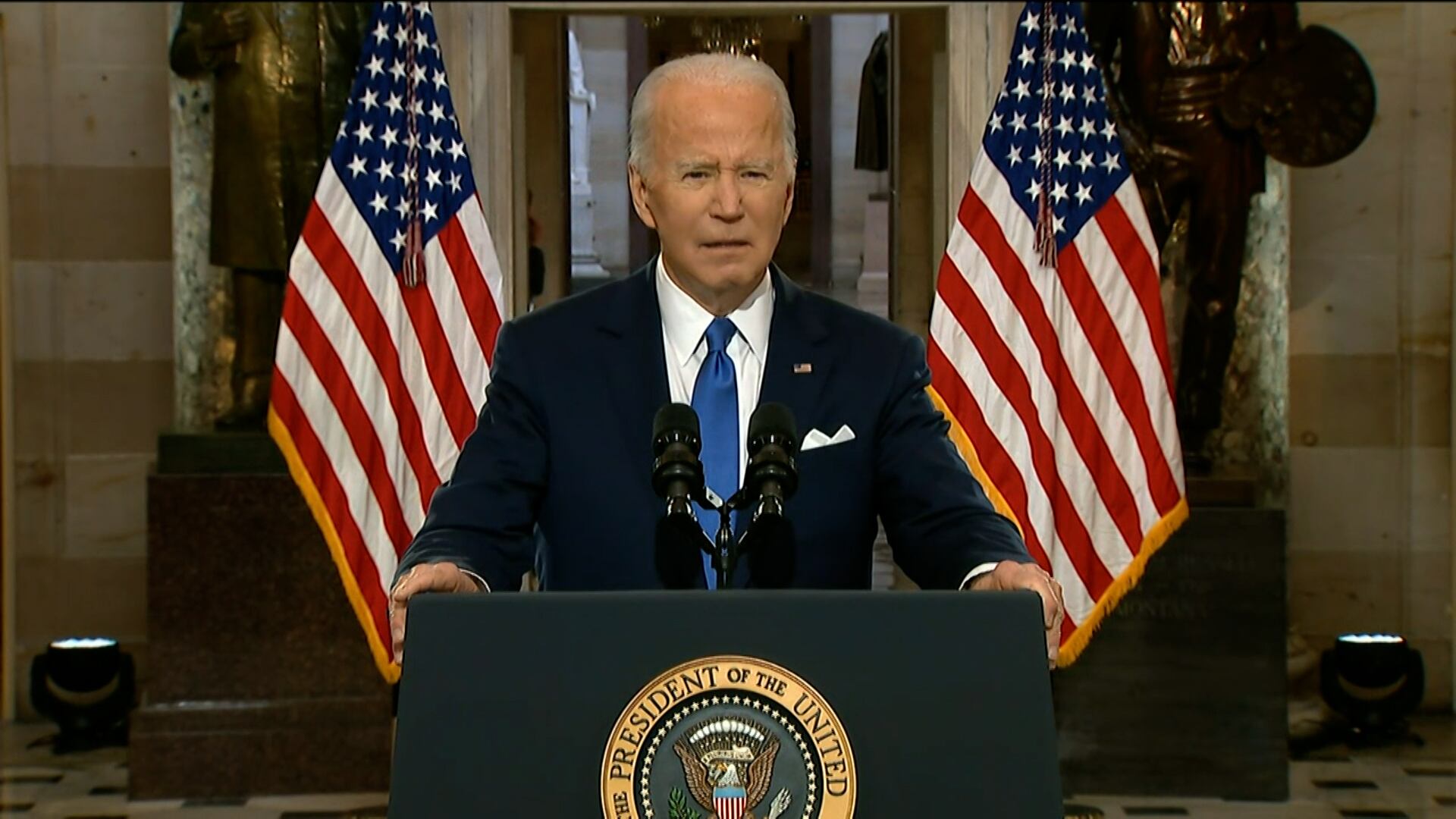
One year after the attack on Capitol Hill, America is still deeply divided and politically broken. Zoe Tillman, senior reporter for BuzzFeed News, breaks down President Biden's remarks on January 6, and why the country disagrees on its views over the violent insurrection.
While the pandemic caused financial troubles for many, the unique circumstances of the last two years proved helpful to many Americans. Whether it was the federal government's stimulus checks, expanded unemployment insurance, or general lockdowns, recent data reveals that the covid-19 pandemic helped many reach financial security. Neale Godfrey, Financial Expert and New York Times #1 Best Selling Author joined Cheddar's Opening Bell to discuss.
U.S. markets opened higher despite red-hot inflation data which showed the highest surge in nearly 40 years. Jon Maier, CIO, GlobalX ETFs joined Cheddar's Opening Bell to discuss this historic report.
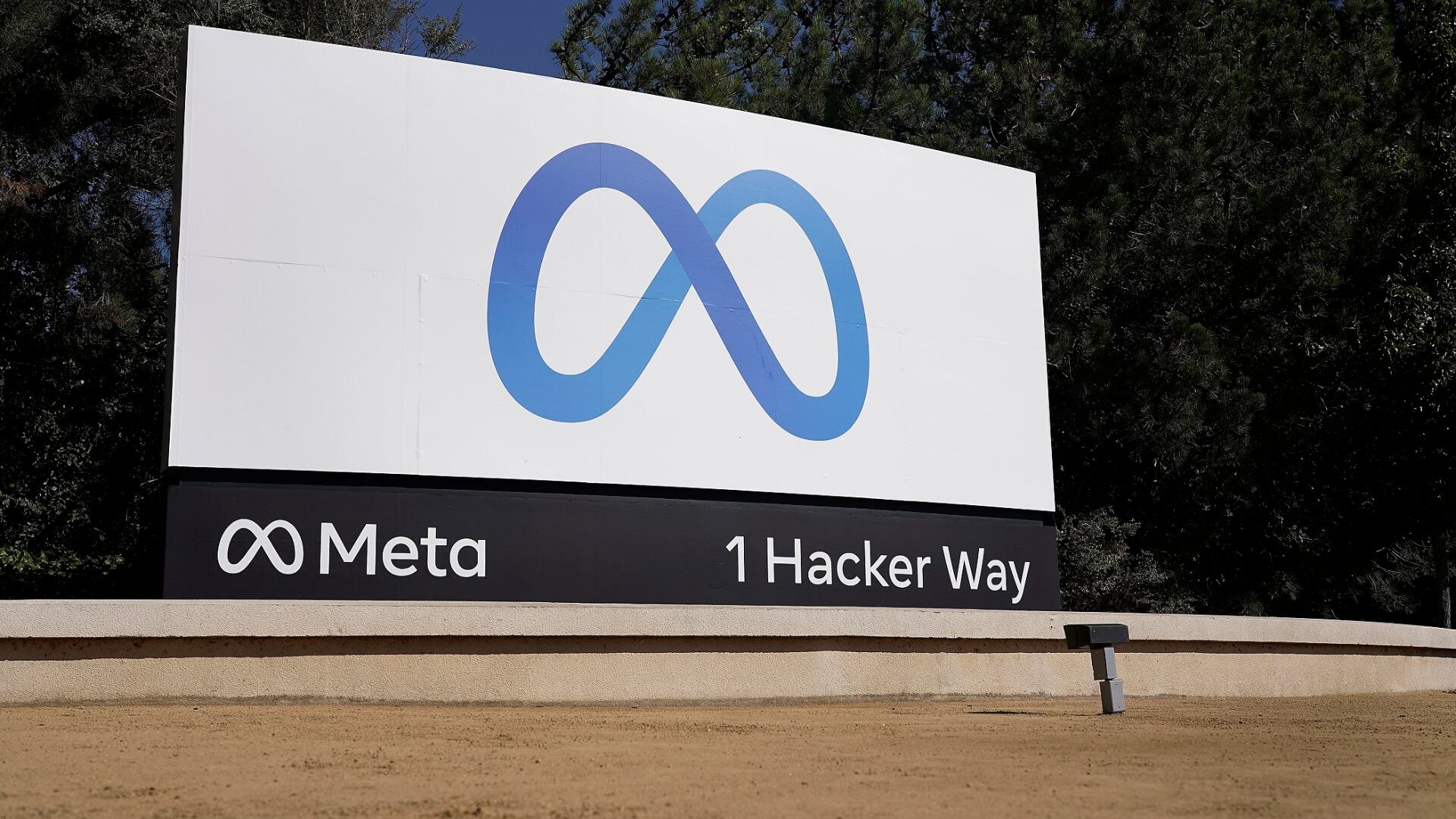
Meta's request to have a Federal Trade Commission antitrust lawsuit dismissed was rejected by a federal judge. Prosecutors presented enough evidence in their latest filing to go forward with the case accusing the tech giant of operating a social networking monopoly through Facebook, Instagram, and WhatsApp.