From Hollywood to Capitol Hill, the allegations of sexual harassment against prominent figures in their industries seem to be piling up.
And one policymaker wants to change how claims of harassment are handled in the nation's capital.
“I would like to know how much money was spent [to settle claims of] sexual harassment,” Representative Gregory Meeks tells Cheddar, adding that there’s a lot to be done in terms of changing the prevailing system.
Current policy for harassment claims in Washington doesn’t require that the amount of settlements are disclosed. Meeks says that not only do taxpayers deserve to know when their money is being used as a settlement, but that there needs to be a space that encourages victims to come forward.
The New York Democrat is calling for a “zero tolerance” policy.
Meeks’ statements come after Rep. John Conyers (D-MI) resigned from his position as a ranking member of the House Judiciary Committee amid a wave of accusations. The eighty-eight year old reportedly reached a $27,000 taxpayer-funded settlement in 2015 with a staffer who reportedly refused his advances. While Conyers has denied any wrongdoing, he said he’s decided to step aside to allow the House Ethics Committee to conduct its investigation.
Sen. Al Franken (D-MN) has also had to respond to allegations that he groped or forcibly kissed women without their consent. In a short press conference Monday, the SNL alum apologized for his behavior and promised he’ll work to regain voters’ -- and women’s -- trust. Franken was recently defended by female co-stars of SNL who called him a family man and stood in solidarity with him.
Then there’s Alabama Senatorial candidate Roy Moore, who’s running to fill the seat vacated by now-Attorney General Jeff Sessions. The GOP judge has been accused of preying on teenage girls while he was in his early thirties. He has rejected those claims and won the endorsement of President Donald Trump.
Many have called for the politicians involved to step down entirely. Meeks supports an investigation into allegations against Franken and others, but draws a sharp distinction between that and those who have a track record of abuse.
“Roy Moore is a whole different thing, even Charlie Rose, where you see a pattern of consistent and persistent aggression trying to lure someone into bed,” he said. “Or even the words of the current President of the U.S. who said that he felt, because of his celebrity, status to grab women where he wanted to grab them.”
House Minority Leader Nancy Pelosi, meanwhile, came under fire for her defense of Conyers this weekend. After calling for an ethics investigation against her colleague, the California Democrat went on NBC’s “Meet the Press” and made statements that some perceived as bipartisan or tone-deaf.
In an interview Sunday, before Conyers stepped down from the Judiciary Committee, Pelosi touted his record in support of women and questioned the identity of his accusers.
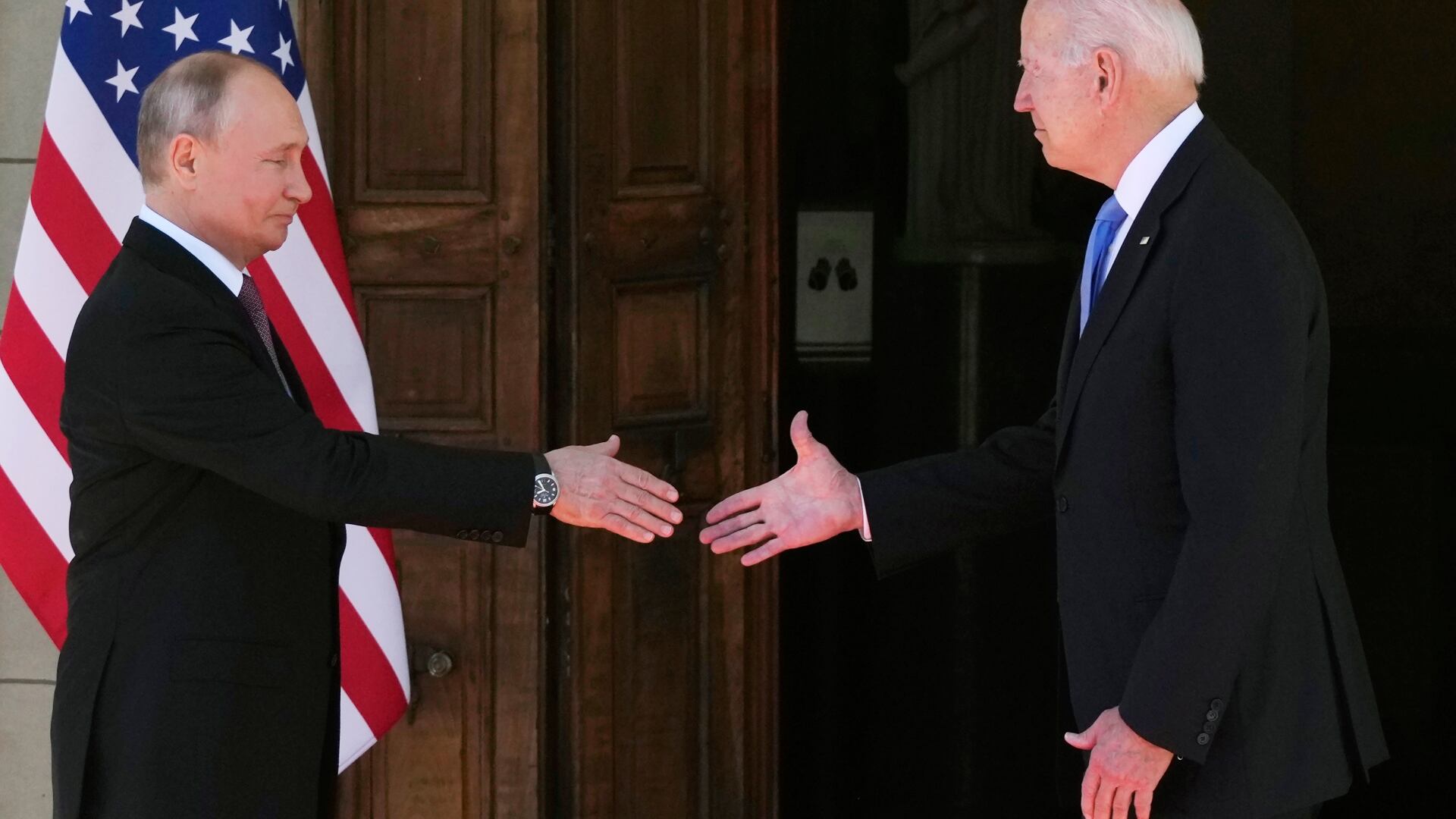
President Biden spoke with Russian President Vladimir Putin for the fourth time this year. Biden and Putin spoke for two hours about the massing of Russian troops and materials near the Russian border with Ukraine. Various outlets have reported that the U.S. has intelligence that Russia could be planning an invasion of Ukraine in the next few months. Both countries said the call was productive, but the situation remains tense.
Hagar Chemali, foreign policy expert and host of "Oh My World!" on YouTube, joins Cheddar Politics to discuss.
A recent Wall Street Journal poll indicated that Hispanic voters are up for grabs for the upcoming midterm elections, with 41 percent of respondents saying they would vote for Democrats and 44 percent for Republicans. Bryanta "Bre" Maxwell, a Democratic Strategist, former political director for Jaime Harrison's senate campaign, and principal and CEO of Indigo Consulting, LLC, joined Cheddar to break down the numbers and to dive into what this specific electorate is looking for as the balance of power in Congress hangs in the balance in 2022.
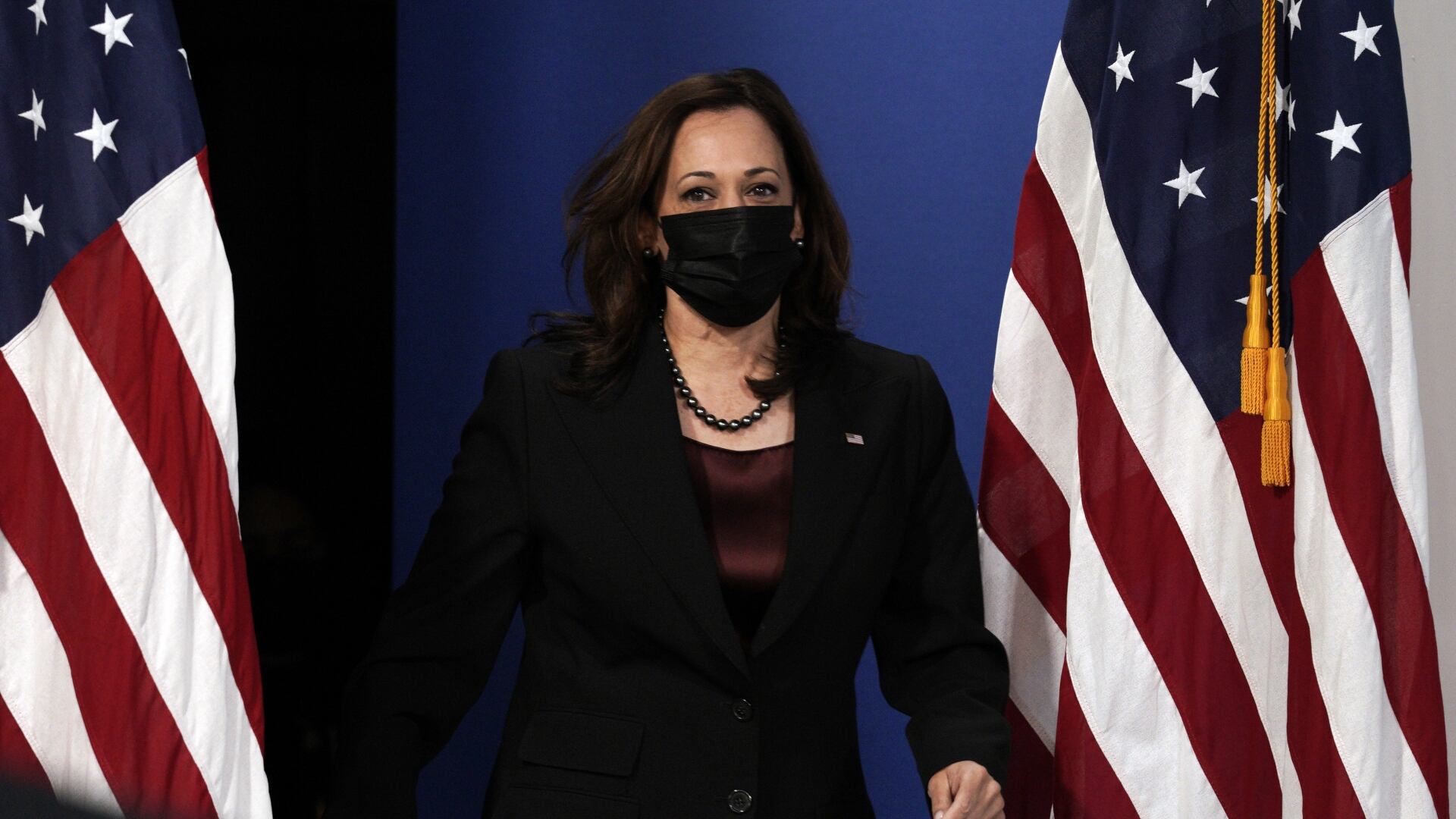
Vice President Kamala Harris received impressive amount of media coverage in January for making history. However, the media attention waned significantly and some are now even saying she has almost disappeared from public view. Reecie Colbert, founder of BlackWomenViews Media, joined Cheddar Politics to discuss more.
If you thought you heard the last of the Mueller report back in 2019, you'd be wrong. While the bombshell report was the biggest story in Washington for years, much of the report remained redacted. Our friends at BuzzFeed News weren't satisfied, so they sued to have certain passages unredacted. They notched another win when a federal appeals court ordered ten passages from the report to be released.
Matt Topic, BuzzFeed's attorney in the case, and Jason Leopold, reporter at BuzzFeed News, join Cheddar Politics to discuss.
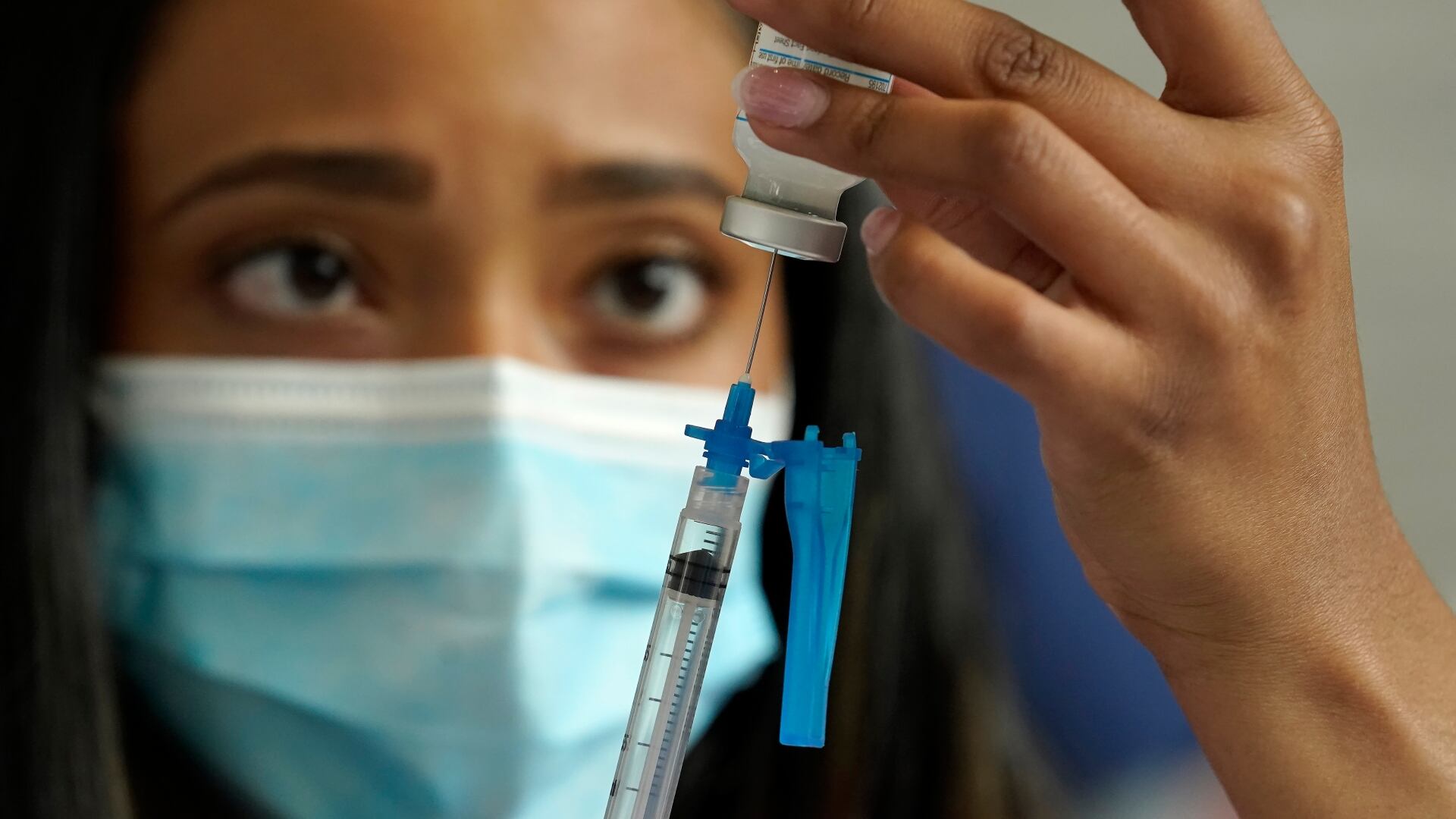
The U.S. reported its first confirmed case of the omicron variant in California on Wednesday. Scientists and health officials are racing to understand the variant, with the WHO saying it's still too early to determine whether it's more contagious, more deadly or more resistant to vaccines than other variants. Omicron has pushed members of the WHO to commit to start talks over a "gobal pandemic treaty" for future pandemic preparedness.
Priti Krishtel, co-founder and co-executive director of the Initiative for Medicines, Access & Knowledge, joins Cheddar Politics to discuss.
Wednesday was not a good day for those who believe in abortion rights in this country as the Supreme Court heard arguments on a Mississippi abortion law that bans most abortions after 15 weeks of pregnancy. The majority of the court appears poised to roll back abortion rights, and the questions from the conservative justices seemed to indicate the law for nearly 50 years is likely to change.
Jessica Mason Pieklo, senior vice president and executive editor of Rewire News Group, joined Cheddar Politics to discuss Wednesday's hearing.
Michael Cohen, Donald Trump's former personal lawyer, has been busy since completing his prison sentence in November. He's getting into the NFT space, selling his federal prison badge and the original manuscript of his book "Disloyal" as NFTs. Cohen joined Cheddar to discuss his latest venture and why he thinks there is still much to be revealed about his case.
Jonathan Adler, Law Professor at Case Western Reserve University, joined Wake Up With Cheddar to discuss Tuesday's ruling and provide legal context to recent battles over vaccine mandates.
Carlo and Baker wrap up the week talking about the Biden economic boom that no one seems to notice, a verdict in the Jussie Smollett case, the first Starbucks union in America and the pleasures of the "dude nod."