Rep. McGovern: New Farm Bill Will Impact the Most Vulnerable Americans
A proposed overhaul of food stamps, the largest federal public assistance program in the country, has created a partisan fight over the Farm Bill in the House Agriculture Committee, traditionally one of the most bipartisan committees in Congress.
Funding for the Supplemental Nutrition Assistance Program, or SNAP, which used to be known as food stamps, makes up around [80 percent](https://www.farmpolicyfacts.org/farm-policy-history/) of mandatory spending in the Farm Bill. It provides around [42 million Americans](https://fns-prod.azureedge.net/sites/default/files/pd/29SNAPcurrPP.pdf) with an average of about [$125 a month per person]
(https://fns-prod.azureedge.net/sites/default/files/pd/SNAPsummary.pdf) to buy groceries and other necessities, according to the U.S. Department of Agriculture.
The House Agriculture Committee voted last week to introduce a new Farm Bill to the House on a strict party-line vote (26 to 20). The new measure, which would replace the old law set to expire in September, is largely uncontroversial, leaving many of the current farmers' subsidies unchanged.
The major point of contention has to do with proposed changes to SNAP that would enact stricter requirements on aid recipients. All able-bodied recipients between the ages of 18 and 59 would be required to enroll in state-run employment or training programs for [20 hours a week](https://agriculture.house.gov/uploadedfiles/agriculture_and_nutrition_act_of_2018_section_by_section.pdf) in order to receive food aid. Those who aren't enrolled would be ineligible for benefits for 12 months. The bill also allocates $1 billion a year for states to establish those mandatory education and training programs.
These changes to the food aid program offer "beneficiaries a springboard out of poverty to a good paying job, and opportunity for a better way of life," said the committee’s chairman, Rep. Michael Conaway (R-Texas), in a [statement](https://agriculture.house.gov/news/documentsingle.aspx?DocumentID=4277) last week.
House Speaker Paul Ryan praised the proposed plan, and said it was “the precise thing we need to get people from welfare to work.” The Farm Bill requirements are similar to those included in a recent [executive order issued by President Trump](https://www.nytimes.com/2018/04/10/us/trump-work-requirements-assistance-programs.html) that would require low-income recipients of federal aid or housing assistance to work or risk losing their benefits.
Democrats on the committee said such requirements would result in millions of the country's most vulnerable citizens kicked out of a program they rely on to survive. Furthermore, the ranking member of the subcommittee on nutrition, Rep. Jim McGovern (D-Mass.) said the bill was drafted without Democrats' input.
“We held 23 hearings on SNAP. Nothing in the Farm Bill reflects those hearings,” McGovern said Tuesday in an interview with Cheddar.
“The majority of people who are on SNAP are not expected to work ー they’re kids, they’re seniors, they’re people who are disabled. Of those who can work, the majority work,” said McGovern.
He also said that the new funding for education and training amounts to only about $25 to $30 per person ー far short of what is needed.
The Congressional Budget Office will release its own analysis of the bill and it could reportedly reach the floor for a vote in early [May](https://about.bgov.com/blog/farm-bill-slated-house-floor-action-week-may-7/).
For the full interview, [click here](https://cheddar.com/videos/rep-jim-mcgovern-d-ma-is-sick-and-tired-of-republicans-beating-up-on-poor-people).
It is extremely rare for federal prosecutors to get search warrants for lawyers "because they usually want to protect attorney-client privilege," explains Politico's Daniel Lippman. The fact that the FBI moved on Cohen suggests he "might not have been totally legal" in his work for Trump. The president blasted the raid, calling it a "disgraceful situation."
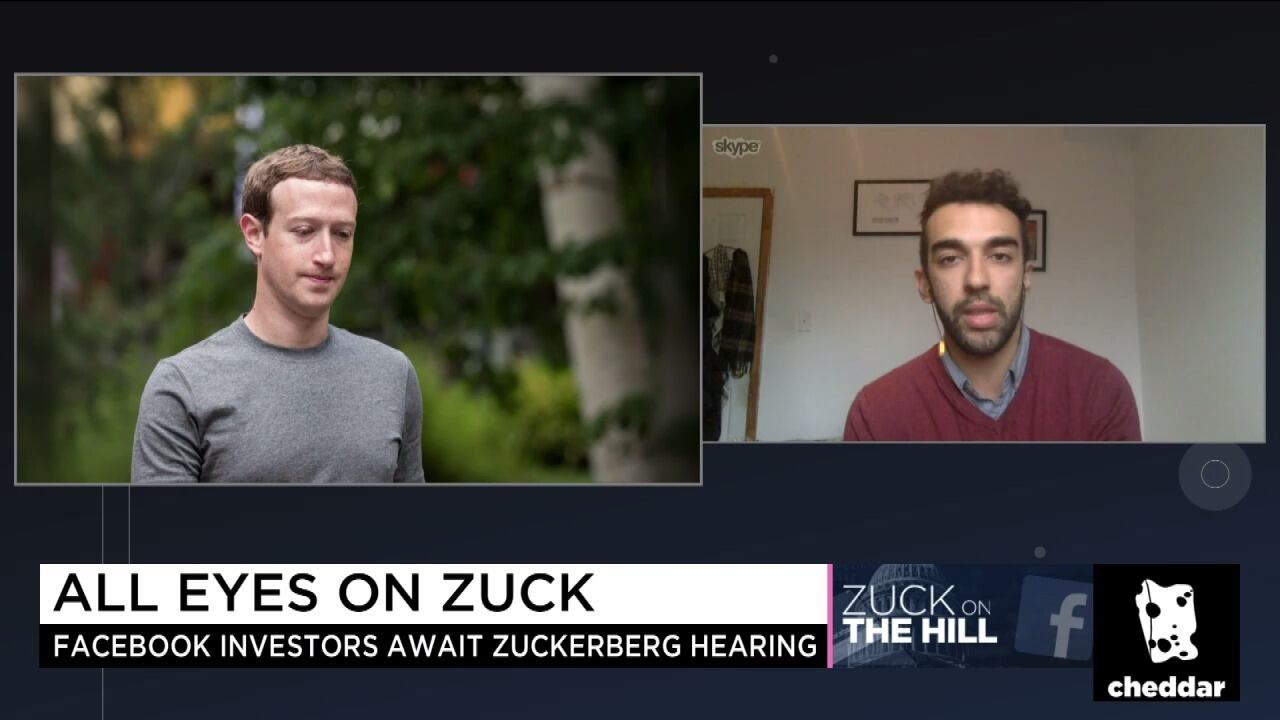
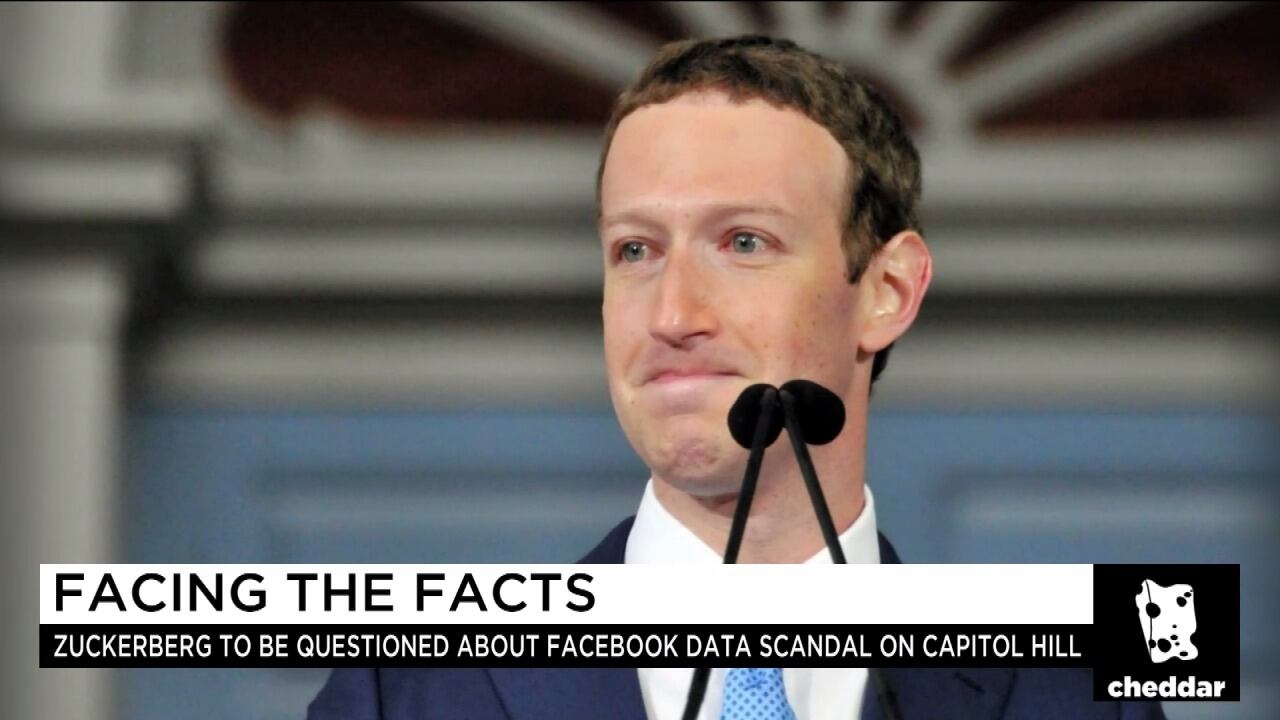
Democrats have already signaled that they're going to focus more on election interference and be "a little bit more aggressive than Republicans" during Mark Zuckerberg's testimonies this week, says Ali Breland, technology and politics reporter at The Hill. The Facebook CEO will appear before Congress Tuesday and Wednesday to face questions about the Cambridge Analytica scandal.
President Trump's feud with Amazon and its CEO Jeff Bezos continues, as the president claims that the tech giant does not pay its fair share of taxes and that it's causing the U.S. Postal Service to lose money. Cheddar breaks down President Trump's claims and explores how Amazon's deal with the post office works.
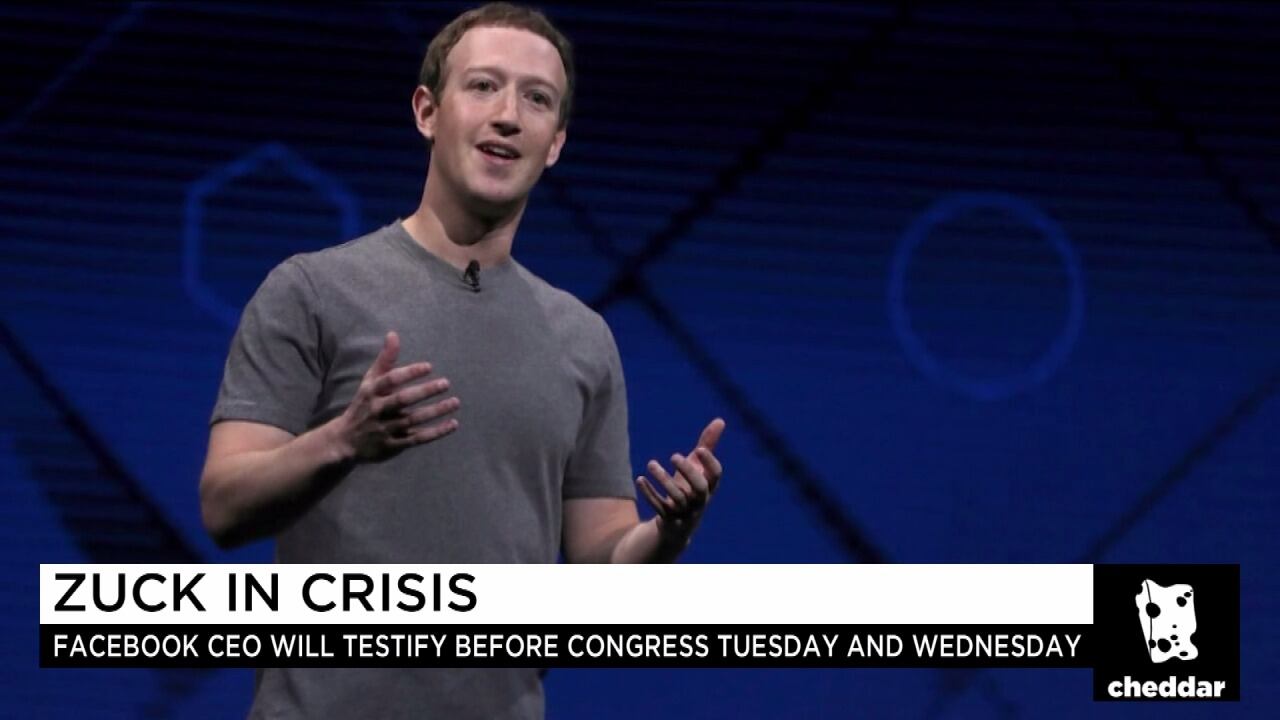
The Facebook CEO's hearings on Capitol Hill will likely dominate headlines for days. If those stories focus more on the new initiatives that the social network has recently rolled out, rather than the data scandal itself, "that would be a big win," says Aaron Pressman, Senior Technology Reporter at Fortune Magazine.
The president is likely to respond to the brutal chemical attack in Syria that took place over the weekend, says Jon Miller, CRTV's White House Correspondent. That's based on the fact that, not only has the president taken military action against Syria before, but there also seems to be some support for some kind of a response among voters.
The trade war rhetoric "runs the risk of overplaying [Trump's] hand" in negotiations, says Clayton Allen, Vice President of Special Situations at Height Capital Management. That could, in the long run, come back and hurt employment rates in the U.S.
A lot of top executives of big name brands, like Apple or Starbucks, are starting to take political stances that are "unrelated to the bottom line," explains Aaron Chatterji, Associate Professor at Duke University's Fuqua School of Business and author of a recent Harvard Business Review article about CEO activism.
Washington won't easily forgive Facebook for sending a "low-level" deputy to testify when Congress first wanted answers about Russia's role in the 2016 election. And legislators are likely to take out their frustration on the CEO when he appears before them next week, says Ken Gude, Senior Fellow at the Center for American Progress.
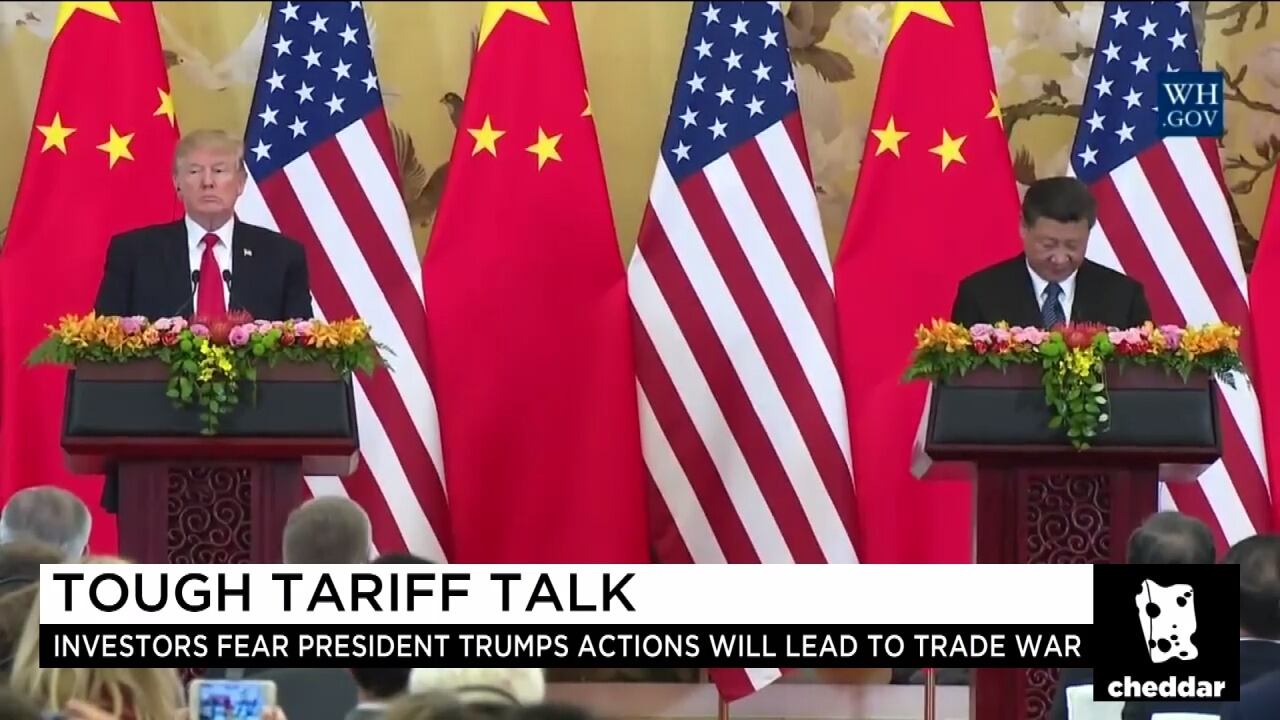
President Trump is stoking fears of a trade war with China yet again. On Thursday evening, Trump threatened more tariffs on China worth $100 billion dollars, on top of the tariffs Trump is already planning. China immediately fired back, saying the country will continue to meet Trump's tariff threats with counter-actions.
President Trump also made news when he finally broke his silence on the Stormy Daniels controversy. When asked by reporters if he knew about the payment by his lawyer to Daniels, Trump quickly said, "no." Michael Avenatti, Stormy Daniels' lawyer, said Trump denying knowledge of the payment is "a gift from the heavens."
Executives and fighters from the UFC were at the New York Stock Exchange to ring the opening bell on Friday in celebration of the organization's 25th anniversary. Amanda Nunes, a UFC fighter, and Lawrence Epstein, the COO of the UFC, join us to weigh in on the milestone and preview the UFC 223 taking place at Barclays Center in Brooklyn this weekend. Epstein also commented on the arrest of UFC star Conor McGregor, saying McGregor's actions don't represent UFC's values.
West Virginia is the first state to test out voting via blockchain, collaborating with venture capitalist Bradley Tusk. "[People] want to vote the same way that they order something from Amazon," says Mac Warner, WV's Secretary of State. The experiment has rolled out for deployed military voters in some counties, with plans to deploy it across the state for the midterm elections in November.