Rep. McGovern: New Farm Bill Will Impact the Most Vulnerable Americans
A proposed overhaul of food stamps, the largest federal public assistance program in the country, has created a partisan fight over the Farm Bill in the House Agriculture Committee, traditionally one of the most bipartisan committees in Congress.
Funding for the Supplemental Nutrition Assistance Program, or SNAP, which used to be known as food stamps, makes up around [80 percent](https://www.farmpolicyfacts.org/farm-policy-history/) of mandatory spending in the Farm Bill. It provides around [42 million Americans](https://fns-prod.azureedge.net/sites/default/files/pd/29SNAPcurrPP.pdf) with an average of about [$125 a month per person]
(https://fns-prod.azureedge.net/sites/default/files/pd/SNAPsummary.pdf) to buy groceries and other necessities, according to the U.S. Department of Agriculture.
The House Agriculture Committee voted last week to introduce a new Farm Bill to the House on a strict party-line vote (26 to 20). The new measure, which would replace the old law set to expire in September, is largely uncontroversial, leaving many of the current farmers' subsidies unchanged.
The major point of contention has to do with proposed changes to SNAP that would enact stricter requirements on aid recipients. All able-bodied recipients between the ages of 18 and 59 would be required to enroll in state-run employment or training programs for [20 hours a week](https://agriculture.house.gov/uploadedfiles/agriculture_and_nutrition_act_of_2018_section_by_section.pdf) in order to receive food aid. Those who aren't enrolled would be ineligible for benefits for 12 months. The bill also allocates $1 billion a year for states to establish those mandatory education and training programs.
These changes to the food aid program offer "beneficiaries a springboard out of poverty to a good paying job, and opportunity for a better way of life," said the committee’s chairman, Rep. Michael Conaway (R-Texas), in a [statement](https://agriculture.house.gov/news/documentsingle.aspx?DocumentID=4277) last week.
House Speaker Paul Ryan praised the proposed plan, and said it was “the precise thing we need to get people from welfare to work.” The Farm Bill requirements are similar to those included in a recent [executive order issued by President Trump](https://www.nytimes.com/2018/04/10/us/trump-work-requirements-assistance-programs.html) that would require low-income recipients of federal aid or housing assistance to work or risk losing their benefits.
Democrats on the committee said such requirements would result in millions of the country's most vulnerable citizens kicked out of a program they rely on to survive. Furthermore, the ranking member of the subcommittee on nutrition, Rep. Jim McGovern (D-Mass.) said the bill was drafted without Democrats' input.
“We held 23 hearings on SNAP. Nothing in the Farm Bill reflects those hearings,” McGovern said Tuesday in an interview with Cheddar.
“The majority of people who are on SNAP are not expected to work ー they’re kids, they’re seniors, they’re people who are disabled. Of those who can work, the majority work,” said McGovern.
He also said that the new funding for education and training amounts to only about $25 to $30 per person ー far short of what is needed.
The Congressional Budget Office will release its own analysis of the bill and it could reportedly reach the floor for a vote in early [May](https://about.bgov.com/blog/farm-bill-slated-house-floor-action-week-may-7/).
For the full interview, [click here](https://cheddar.com/videos/rep-jim-mcgovern-d-ma-is-sick-and-tired-of-republicans-beating-up-on-poor-people).
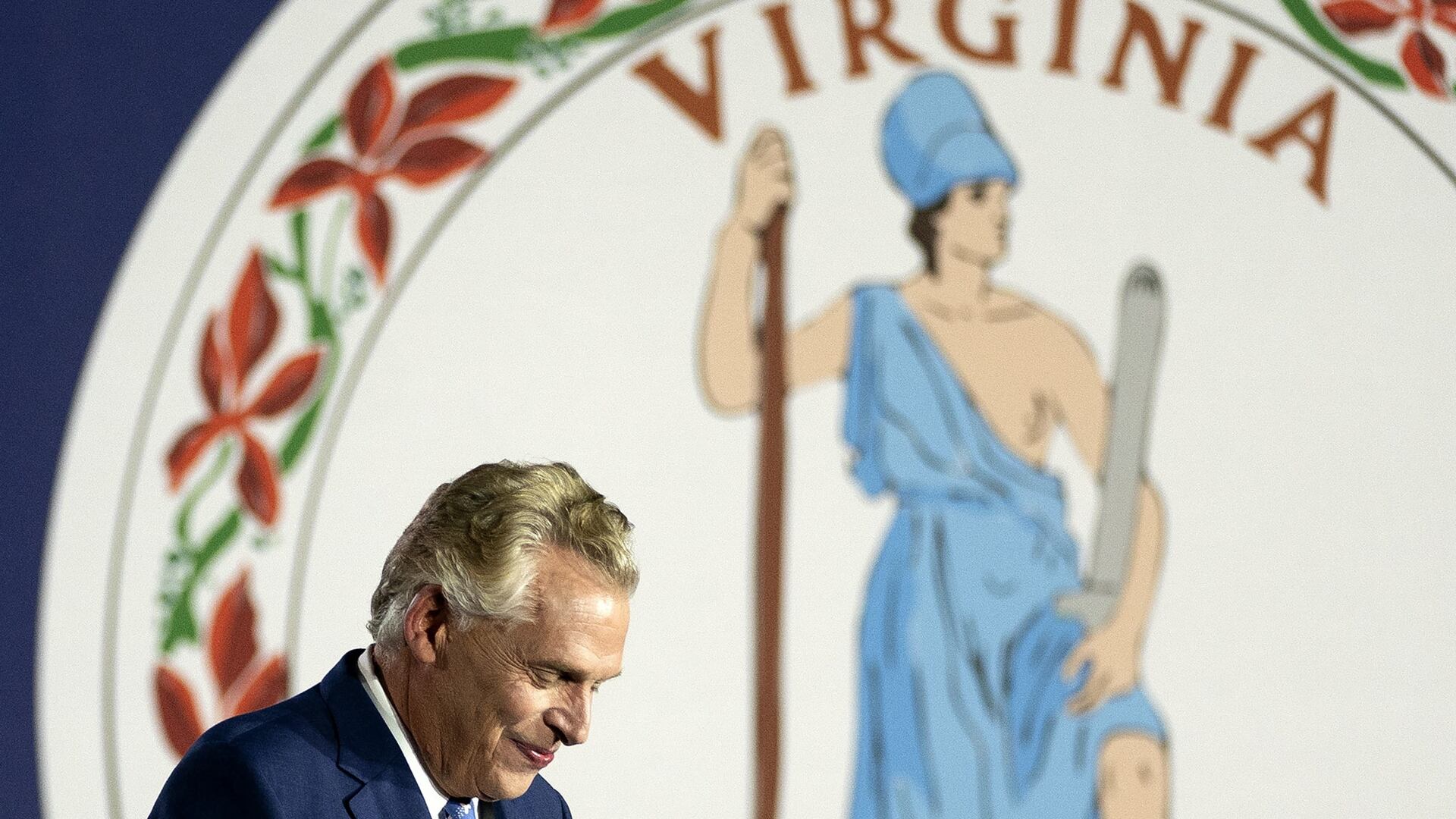
Going into election day on Tuesday, many of us had an inkling it might not be a great day for Democrats. History tells us the president's party tends to lose congressional seats, governorships and state legislature seats in off-year and midterm elections. Tuesday turned out to be a big wake-up call for democrats. Not only did Terry McAuliffe lose in the Virginia governor's race, Gov. Phil Murphy won re-election by an incredibly slim margin. Both races saw continued Democratic losses in rural areas and a shift of suburban voters back to the GOP. Liz Landers, chief political correspondent at Vice News, joins Cheddar Politics to discuss.
Week one of UN climate summit is coming to an end, world leaders made a number of promises to save the planet. President Biden attended the first two days of the meeting.
Alan Neuhauser, vice president of Silverline Communications, joined Cheddar Politics to talk more about the pledges that came out from the summit and their significance.
It's been a busy week for the Supreme Court. It heard arguments on three of the most watched cases in the docket for this term. The court heard arguments in two cases challenging the Texas abortion law on Monday - one filed by abortion providers and the other by the justice department. Instead of weighing in on the constitutionality of the matter itself, justices focused on the unusual structure of the law that enables citizens to enforce the law, not the state government.
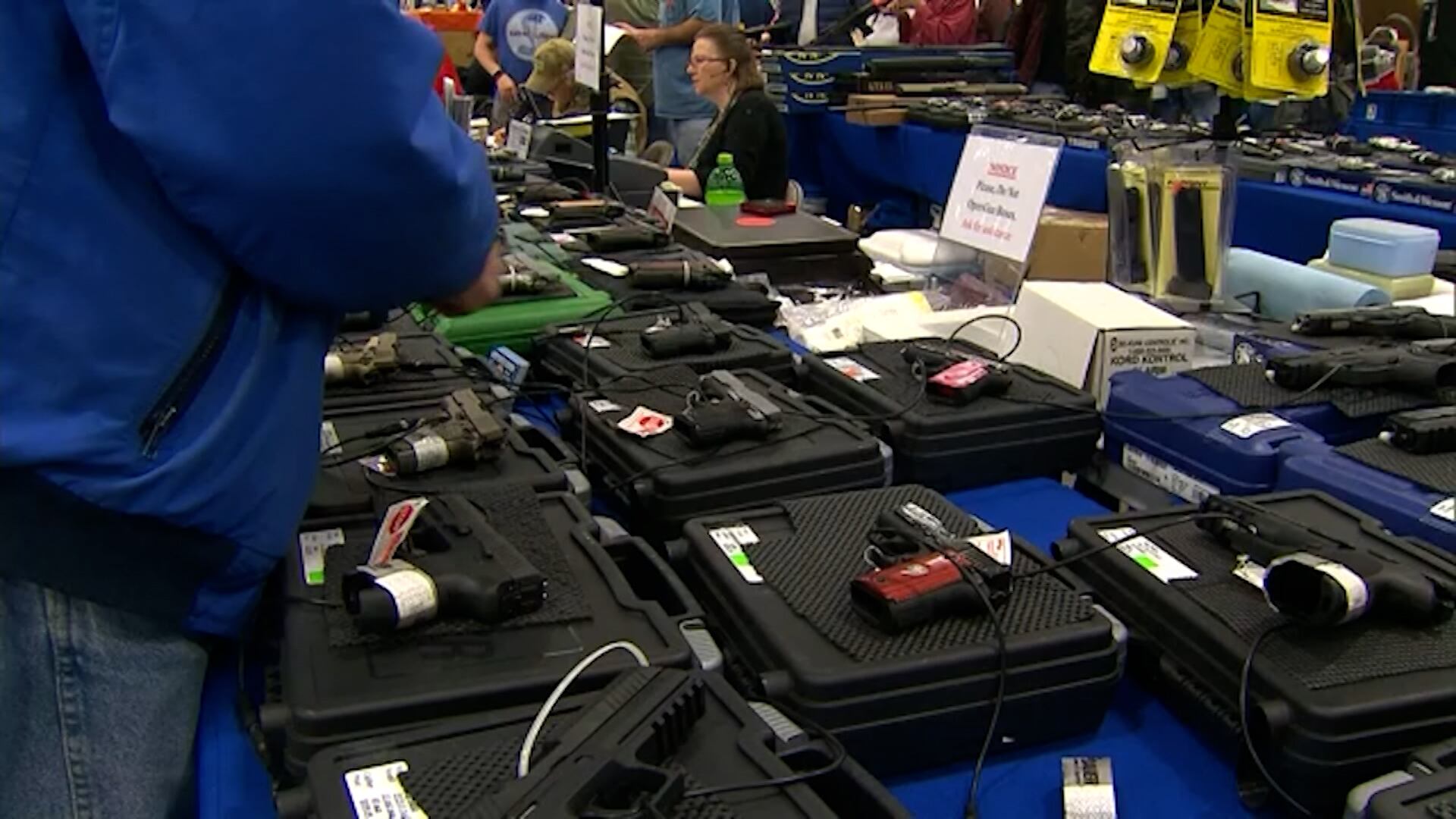
On Wednesday, the court heard arguments in the biggest Second Amendment case in more than a decade. The dispute is over a New York gun law that requires people seeking a license to carry a handgun in public to show a "proper cause." The challengers in this case claim the law inhibits their constitutional Second Amendment rights.
Amy Howe, co-founder of SCOTUSBlog, joined Cheddar Politics to break the cases down.
This is the first installment of Cheddar Changemakers, where we spotlight young activists making a difference in the world and speaking up on issues regarding mental health, voting, and climate change.
Republicans are considered, and often act like, the party opposed to action on climate change. They've made a point of fighting even modest regulations on businesses related to stemming the worst effects of climate change. But Republicans aren't a monolith on climate change, and our next guest reminds us that "conservation" and "conservative" have the same word root.
Quill Robinson, VP of government affairs at the American Conservation Coalition, joins Cheddar Politics to discuss.
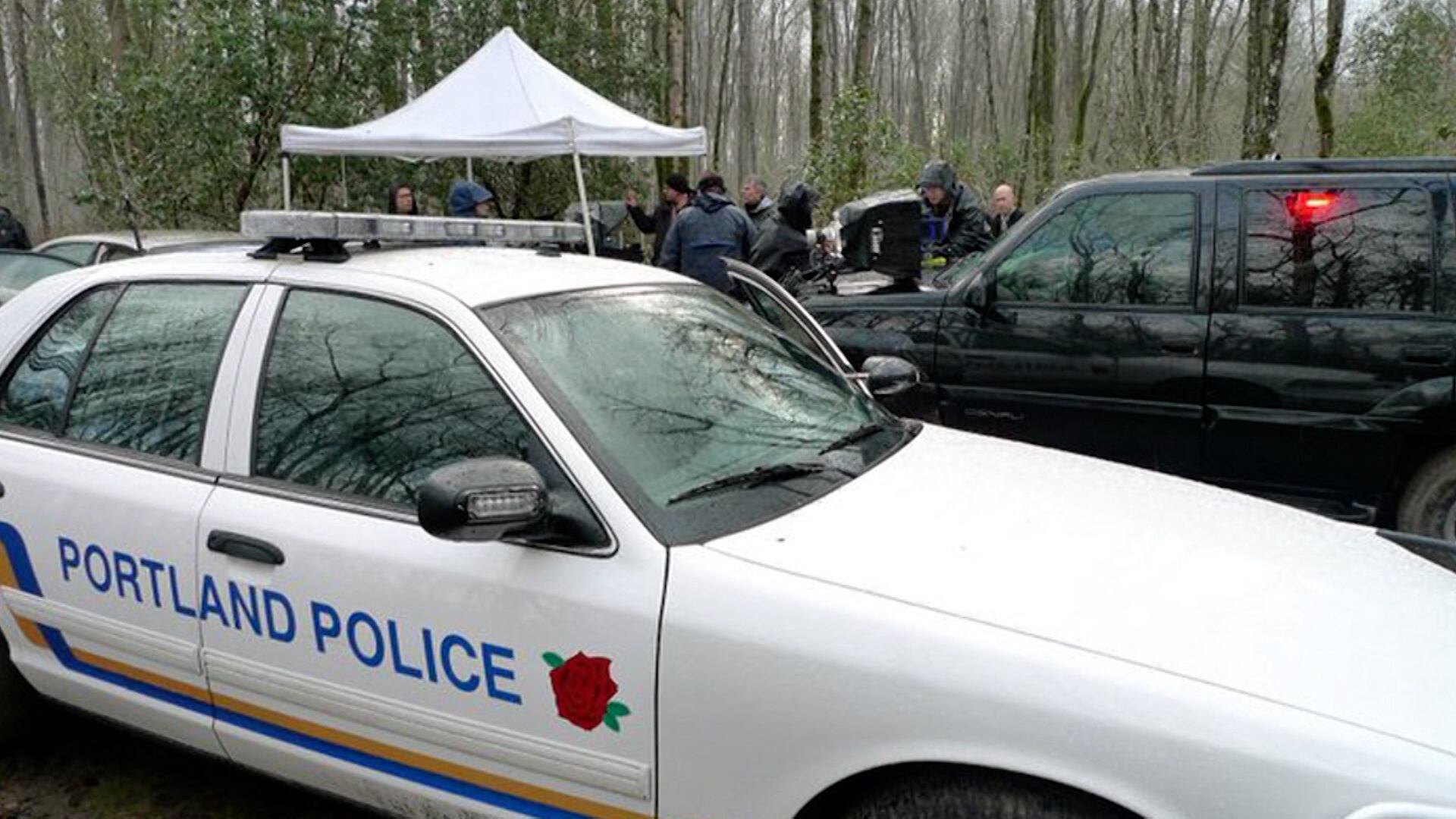
The mayor of Portland, Oregon, Ted Wheeler joined Cheddar News Wrap to discuss his plans to get an increase in the city's police budget for more personnel, changes to public safety response, and more body cameras. The Democratic mayor addressed the growth in violent crimes amid the pandemic, but noted the need for officers who take their roles seriously. We want officers who understand that policing is an important responsibility, it's a high calling," he said. "We also want a police bureau that is accountable and responsible to the public it serves."
More American tech companies continue to pull their businesses out of China as the Communist Party cracks down on firms — both foreign and domestic. Yahoo and Fortnite have become the latest companies to withdraw from the country, and the withdrawals come just days after Microsoft announced it would take LinkedIn offline. Shehzad Qazi, managing director at China Beige Book International, joined Cheddar to provide some insight into how the crackdowns in China would also impact the tech companies at home in the United States.
A new report out by the Center for Countering Digital Hate shows how just ten publishers are responsible for the bulk of climate change misinformation on social media--and companies like Facebook and Google are making money off them. Imran Ahmed, CEO of the Center for Countering Digital Hate, joined Cheddar to discuss.
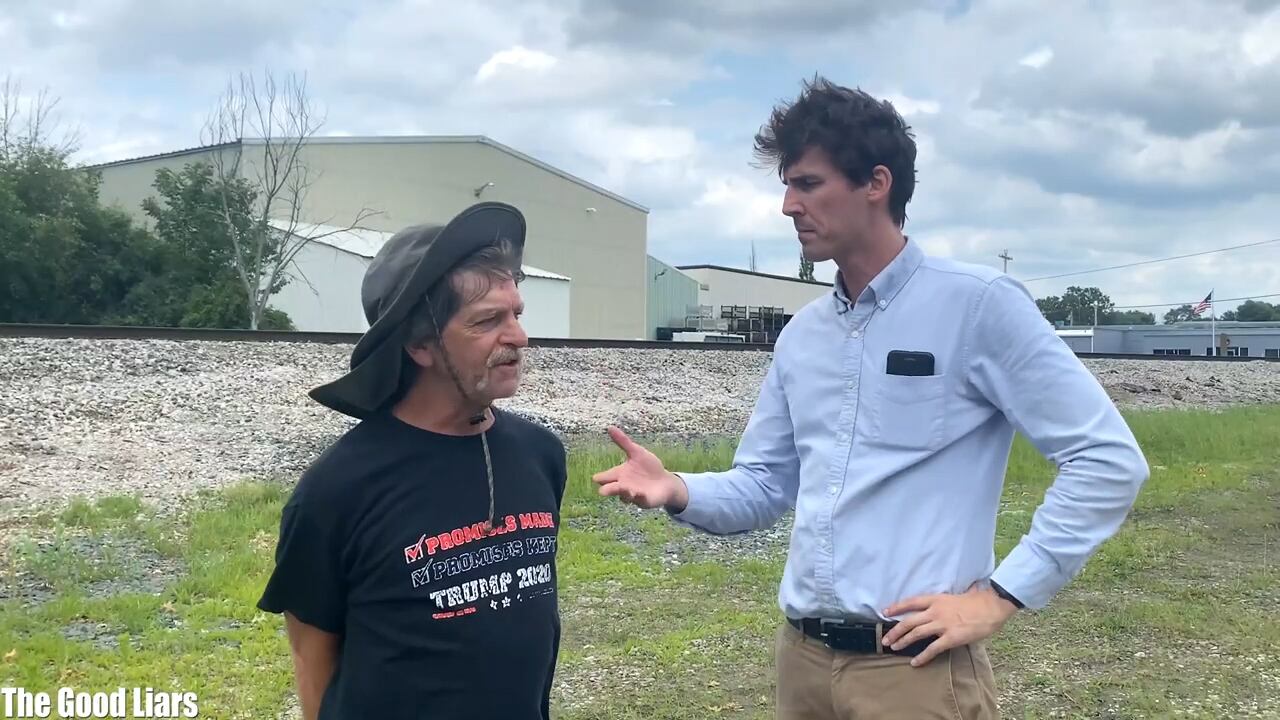
'The Good Liars' are Jason Selvig and Davram Stiefler, a comedy duo that's been shaking up the political world for years. They're out with a new mockumentary, 'The Supporters,' following the 2020 election. Jason Selvig & Davram Stiefler, Stunt Comedians and creators of 'The Good Liars' joined Cheddar News to discuss.