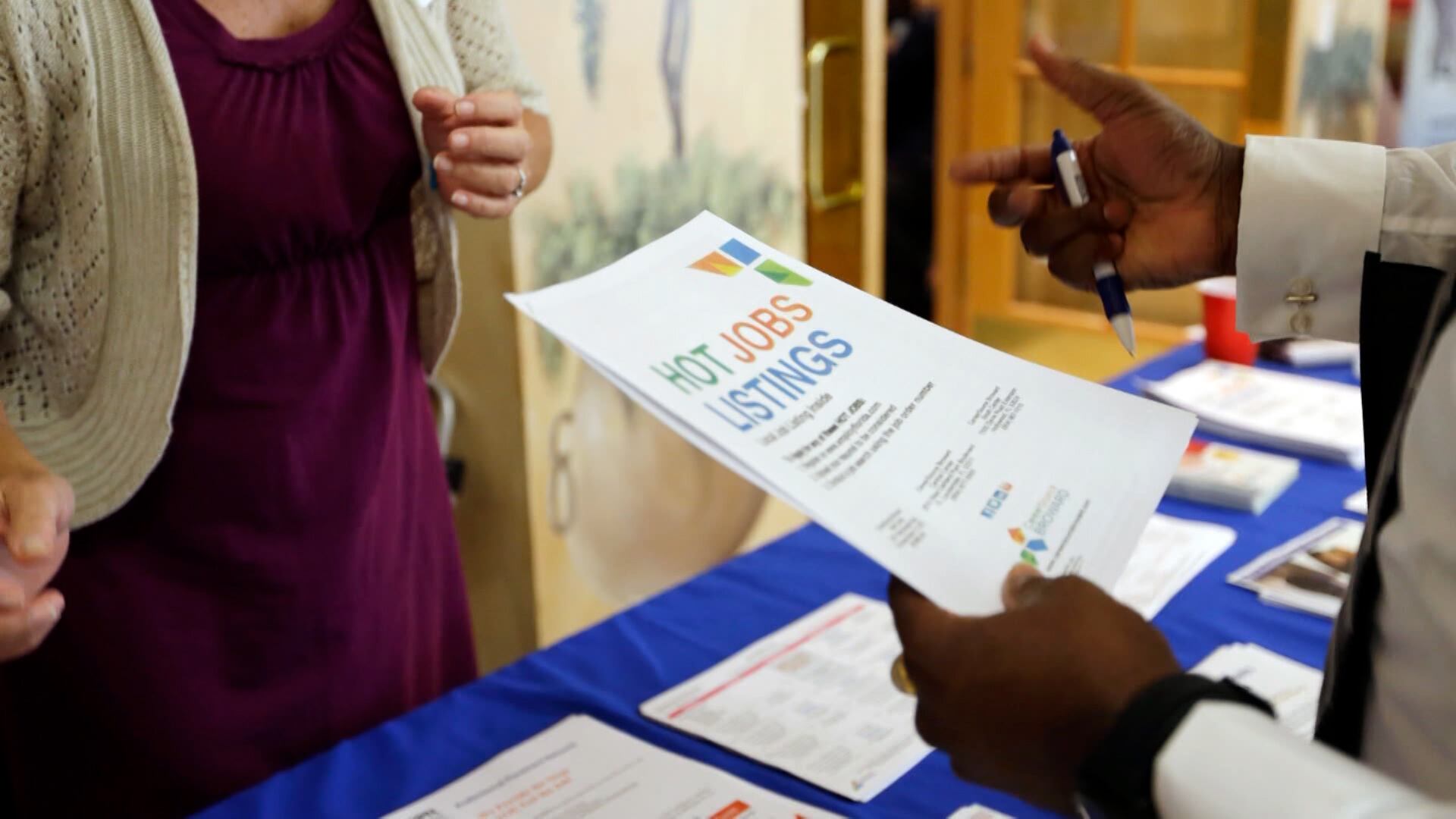
A proposed overhaul of food stamps, the largest federal public assistance program in the country, has created a partisan fight over the Farm Bill in the House Agriculture Committee, traditionally one of the most bipartisan committees in Congress. Funding for the Supplemental Nutrition Assistance Program, or SNAP, which used to be known as food stamps, makes up around [80 percent](https://www.farmpolicyfacts.org/farm-policy-history/) of mandatory spending in the Farm Bill. It provides around [42 million Americans](https://fns-prod.azureedge.net/sites/default/files/pd/29SNAPcurrPP.pdf) with an average of about [$125 a month per person] (https://fns-prod.azureedge.net/sites/default/files/pd/SNAPsummary.pdf) to buy groceries and other necessities, according to the U.S. Department of Agriculture. The House Agriculture Committee voted last week to introduce a new Farm Bill to the House on a strict party-line vote (26 to 20). The new measure, which would replace the old law set to expire in September, is largely uncontroversial, leaving many of the current farmers' subsidies unchanged. The major point of contention has to do with proposed changes to SNAP that would enact stricter requirements on aid recipients. All able-bodied recipients between the ages of 18 and 59 would be required to enroll in state-run employment or training programs for [20 hours a week](https://agriculture.house.gov/uploadedfiles/agriculture_and_nutrition_act_of_2018_section_by_section.pdf) in order to receive food aid. Those who aren't enrolled would be ineligible for benefits for 12 months. The bill also allocates $1 billion a year for states to establish those mandatory education and training programs. These changes to the food aid program offer "beneficiaries a springboard out of poverty to a good paying job, and opportunity for a better way of life," said the committee’s chairman, Rep. Michael Conaway (R-Texas), in a [statement](https://agriculture.house.gov/news/documentsingle.aspx?DocumentID=4277) last week. House Speaker Paul Ryan praised the proposed plan, and said it was “the precise thing we need to get people from welfare to work.” The Farm Bill requirements are similar to those included in a recent [executive order issued by President Trump](https://www.nytimes.com/2018/04/10/us/trump-work-requirements-assistance-programs.html) that would require low-income recipients of federal aid or housing assistance to work or risk losing their benefits. Democrats on the committee said such requirements would result in millions of the country's most vulnerable citizens kicked out of a program they rely on to survive. Furthermore, the ranking member of the subcommittee on nutrition, Rep. Jim McGovern (D-Mass.) said the bill was drafted without Democrats' input. “We held 23 hearings on SNAP. Nothing in the Farm Bill reflects those hearings,” McGovern said Tuesday in an interview with Cheddar. “The majority of people who are on SNAP are not expected to work ー they’re kids, they’re seniors, they’re people who are disabled. Of those who can work, the majority work,” said McGovern. He also said that the new funding for education and training amounts to only about $25 to $30 per person ー far short of what is needed. The Congressional Budget Office will release its own analysis of the bill and it could reportedly reach the floor for a vote in early [May](https://about.bgov.com/blog/farm-bill-slated-house-floor-action-week-may-7/). For the full interview, [click here](https://cheddar.com/videos/rep-jim-mcgovern-d-ma-is-sick-and-tired-of-republicans-beating-up-on-poor-people).