Rep. Kinzinger Thinks Trump "Gets" How To Deal With North Korea
The United States has tried to be patient with North Korea for 25 years now, but the strategy has led to a country that is just shy of developing an intercontinental ballistic missile, a Republican congressman told Cheddar.
Illinois Representative Adam Kinzinger said that after having lunch with President Donald Trump, he is confident that the U.S. is now moving in the right direction.
“When you use diplomacy against an adversary, the only way it really works is with a credible military threat behind it, ”Kinzinger said.
Trump, who’s currently on a multi-nation trip to Asia, has made his intent to denuclearize North Korea clear. According to the White House, this is one of the goals of his trip.
“President Trump will stress the United States’ commitment to the complete, verifiable, and permanent denuclearization of the Korean Peninsula and will call on all responsible nations to act now to ensure that the North Korean regime cannot threaten the world with nuclear devastation,” the White House reports.
Kinsinger maintains, however, that while Trump “gets” how to deal with North Korea and previously emphasized the importance of having a strong military threat, the president is now looking to exhaust all viable options before resorting to military action.
With this Indo-Pacific trip, Trump is sending a dual message to both North Korea and the country's allies and adversaries, Kinzinger said.
“To our friends: hey, join us in trying to make sure that North Korea does not get a nuclear weapon; it’s in all of our interests,” he said. “To our adversaries: why don’t you join us to help us ensure this as well.”
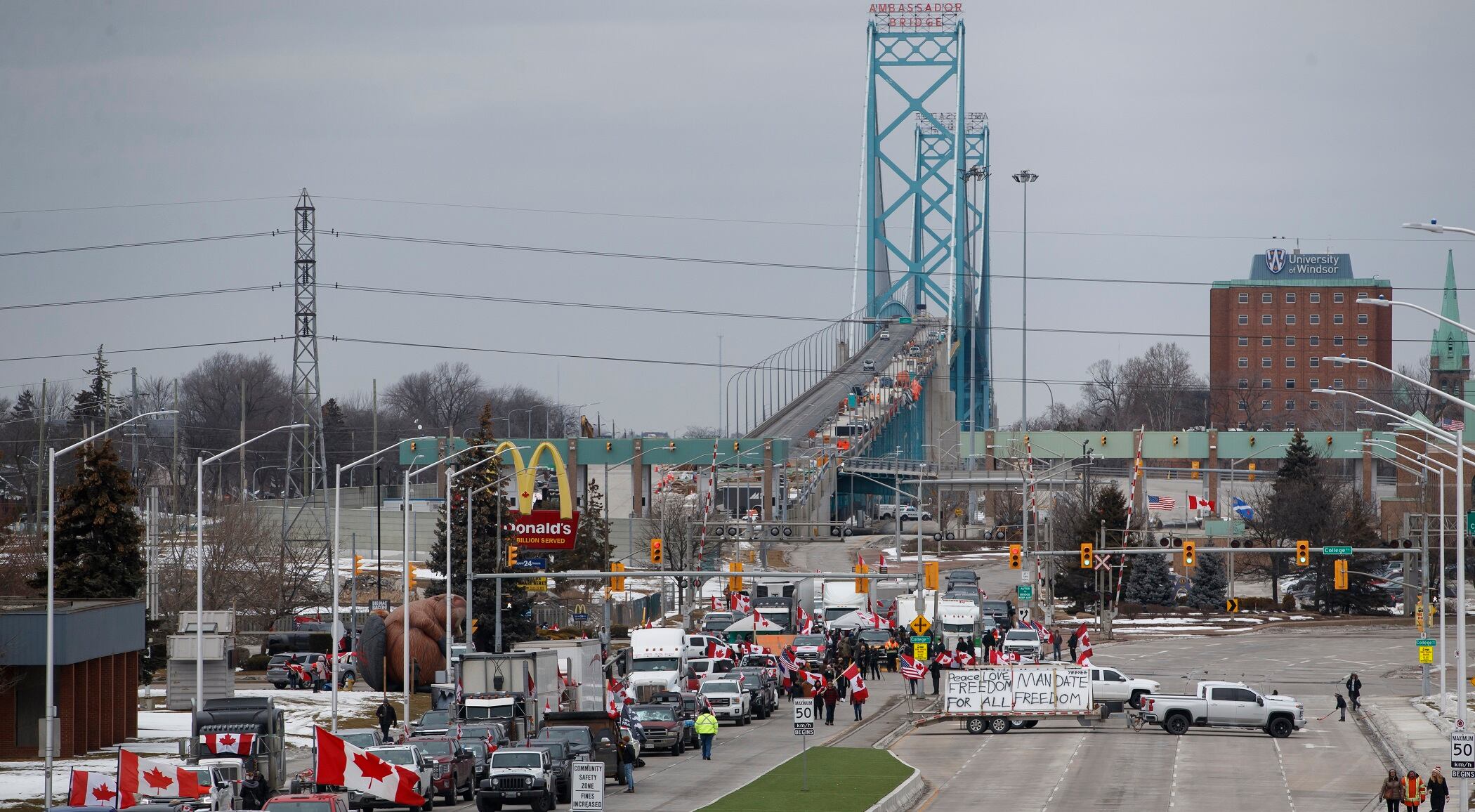
The truck blockade at the U.S. border by Canadians protesting the country’s COVID-19 restrictions is tightening the screws on the auto industry, forcing Ford, Toyota and General Motors to shut down plants or otherwise curtail production.
Inflation was hotter than expected in January, but the debate over what this means for the economy is getting even hotter as markets brace for a flurry of Fed rate hikes in 2022.
Inflation soared over the past year at its highest rate in four decades, hammering America’s consumers, wiping out pay raises and reinforcing the Federal Reserve’s decision to begin raising borrowing rates.
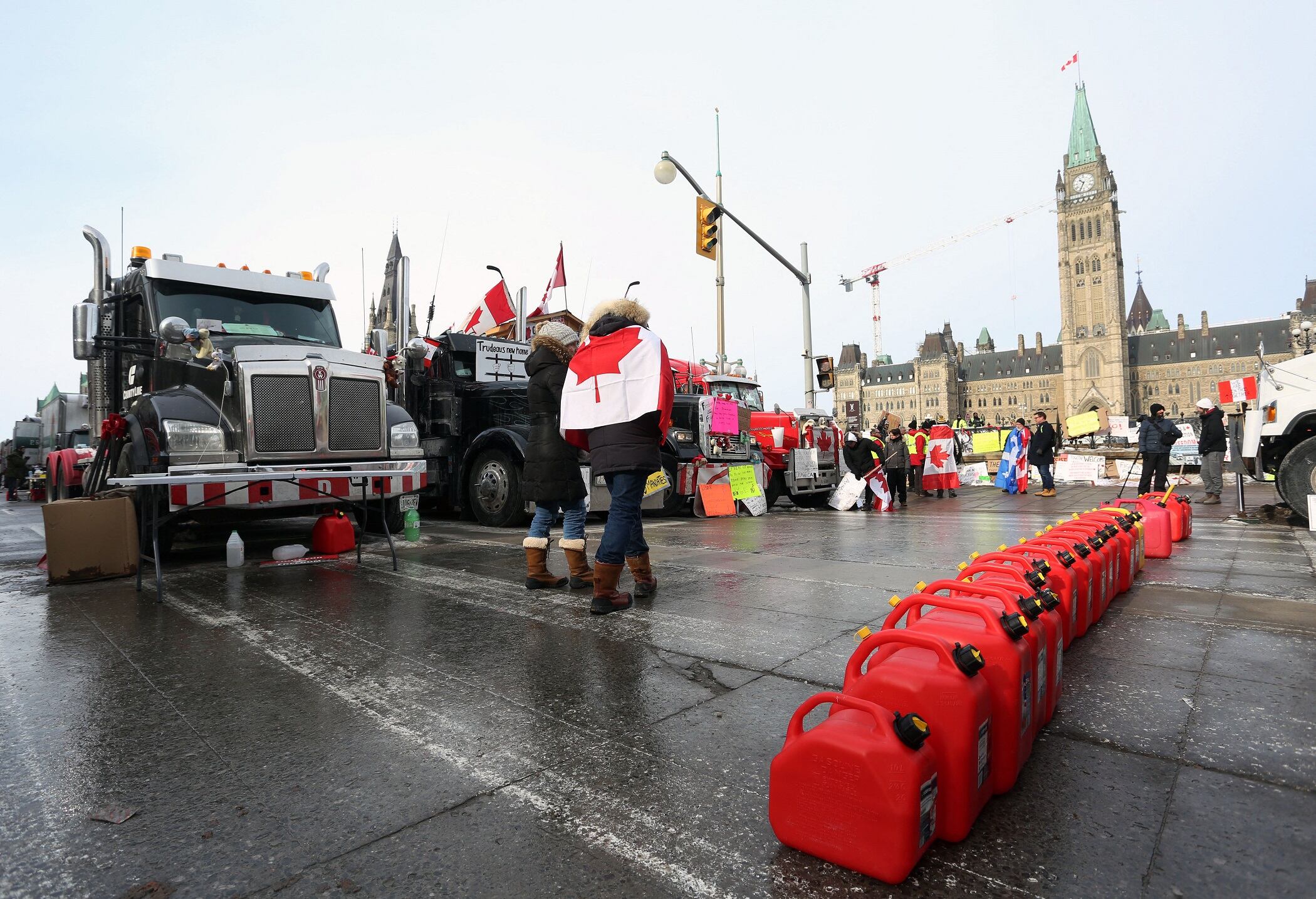
A rapidly growing list of Canadian provinces moved to lift their COVID-19 restrictions as protesters decrying vaccine mandates and other precautions kept up the pressure with truck blockades.
The House has approved legislation financing federal agencies for another month. It's the latest emblem of Congress’ inability to finish its budget work on time.
The IRS said Monday it will suspend the use of facial recognition technology to authenticate people who create online accounts after the practice was criticized by privacy advocates and lawmakers.
The first lady says real people often are caught in the middle. She spoke Monday in Washington about a now-stalled proposal for tuition-free community college, which she's pushed for a long time as a community college professor.
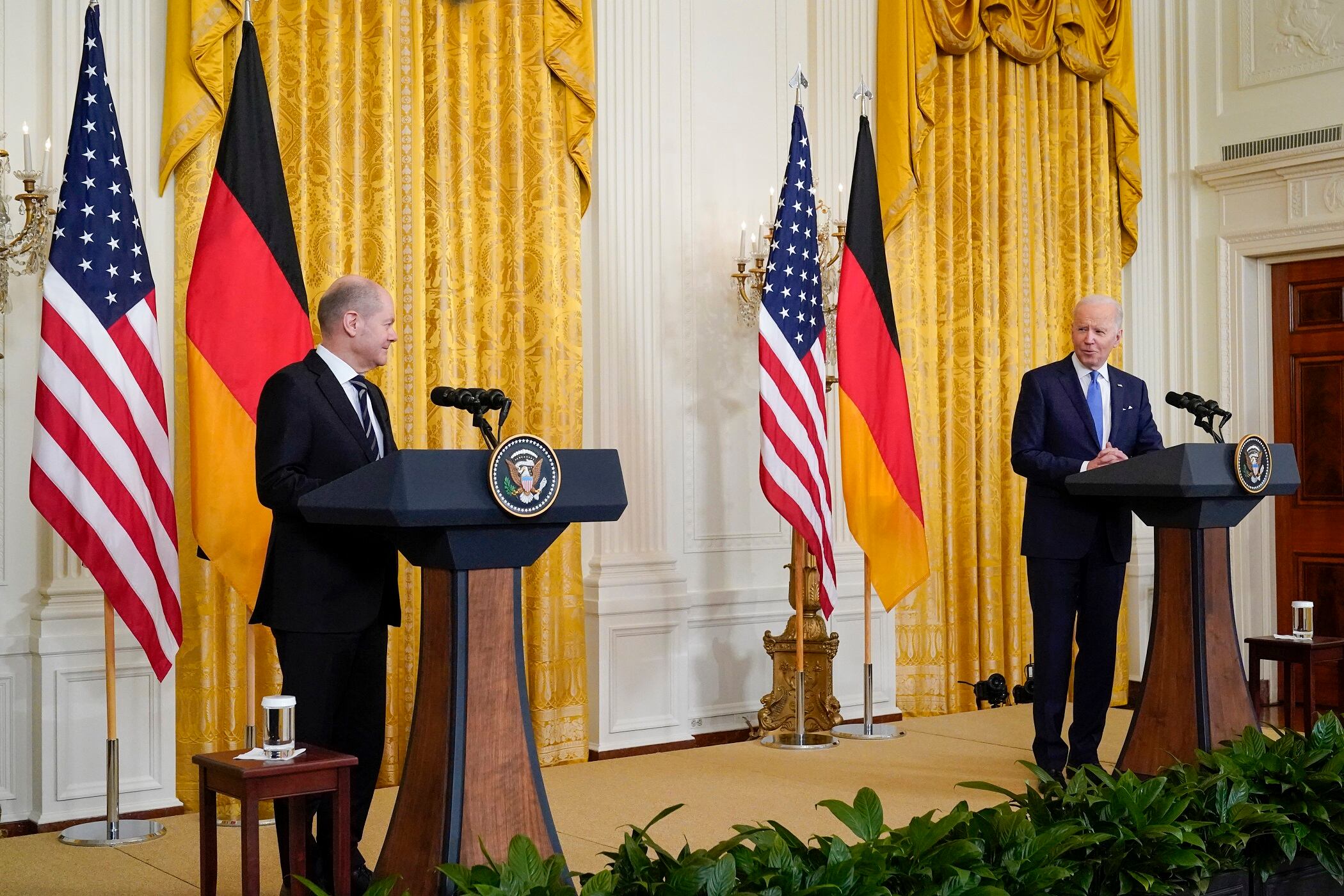
In a flurry of diplomacy across two continents, President Joe Biden emerged from a meeting with Germany’s new leader to vow the crucial Nord Stream 2 gas pipeline in Europe would be blocked if Russia further invades Ukraine.
Kristin Myers, Editor-in-Chief at The Balance, joined Cheddar News to preview the January jobs report, and to break down the racial disparity in employment numbers in the U.S.