Despite the Senate quickly removing the controversial $15 federal minimum wage hike passed in the House version of the latest COVID stimulus bill, Republican lawmakers are still speaking out against other items included in the plan as Senate Democrats rush to finalize their version of the bill.
For Rep. Kat Cammack (R-Fla. 3rd District), the price tag, which includes checks for qualified Americans, is too high.
"As far as the stimulus, that is a temporary solution and, again, it just adds to the further debt that our nation is in. For us, as millennials, this is killer because this is on our shoulders. The generations before us, they're not going to have to deal with these problems of sequestration," she told Cheddar. "It's millennials and Gen Zs that are really footing the bill for this."
At 33 years old, Cammack is currently one of the youngest members serving in the House.
In a letter to President Joe Biden, Cammack said approving another trillion-dollar spending bill would be irresponsible, in part, because funds from previous relief bills still have not been allocated.
The cost of the COVID relief bill was not the only concern for Cammack, however. The Florida congresswoman described other measures in the bill as a "wish list of projects" that Democrats are trying to push through.
"It has nothing to do with rescuing America from this pandemic. It had nothing to do with COVID relief," she alleged. Cammack stressed the need to get vaccines for Americans interested in receiving it and reopening schools.
"What does an underground tunnel in Silicon Valley have to do with COVID relief? What does a bridge in New York have to do with COVID relief? This was just some of the garbage that was tucked into this bill," she protested.
While a new poll from Morning Consult and Politico showed more than 70 percent of voters -- including more than half of GOP voters -- support the bill as it stands, Cammack said her party isn't worried about efforts to strike down the relief plan backfiring.
"The previous bills in 2020 under President Trump were all bipartisan. There was Republican and Democrat support. In this bill that Nancy Pelosi just pushed through last week — actually at 2:30 in the morning — that not only had every single Republican vote against it but members of her own caucus," she said.
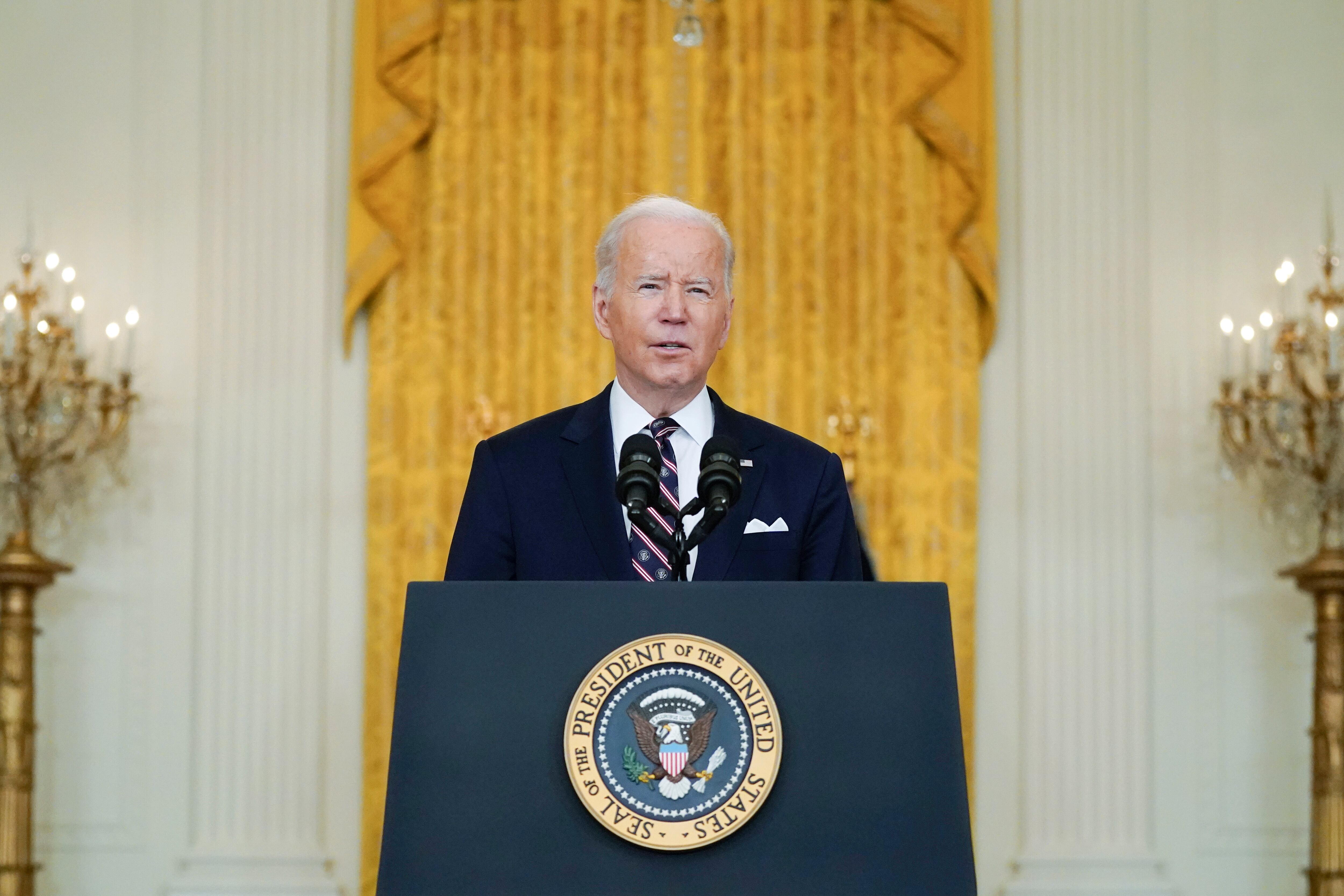
President Joe Biden said Tuesday that the U.S. will begin to impose sanctions on Russia, calling recent troop movement into Ukraine an 'invasion.' Biden and other government officials including from the State Department have begun to classify the Russian troop movement as an invasion after Russian President Vladimir Putin ordered troops to two independent Ukrainian areas in an alleged "peacekeeping" mission — which the West considers an act of aggression. Biden said Russia will continue to pay 'an even steeper price' if it continues sending troops into Ukraine. What happens next? Will Putin find a way around these sanctions? Ariel Cohen, senior fellow at the Atlantic Council, joins Closing Bell to discuss Biden's remarks, how the West will protect Ukraine since it doesn't belong to NATO, and more.
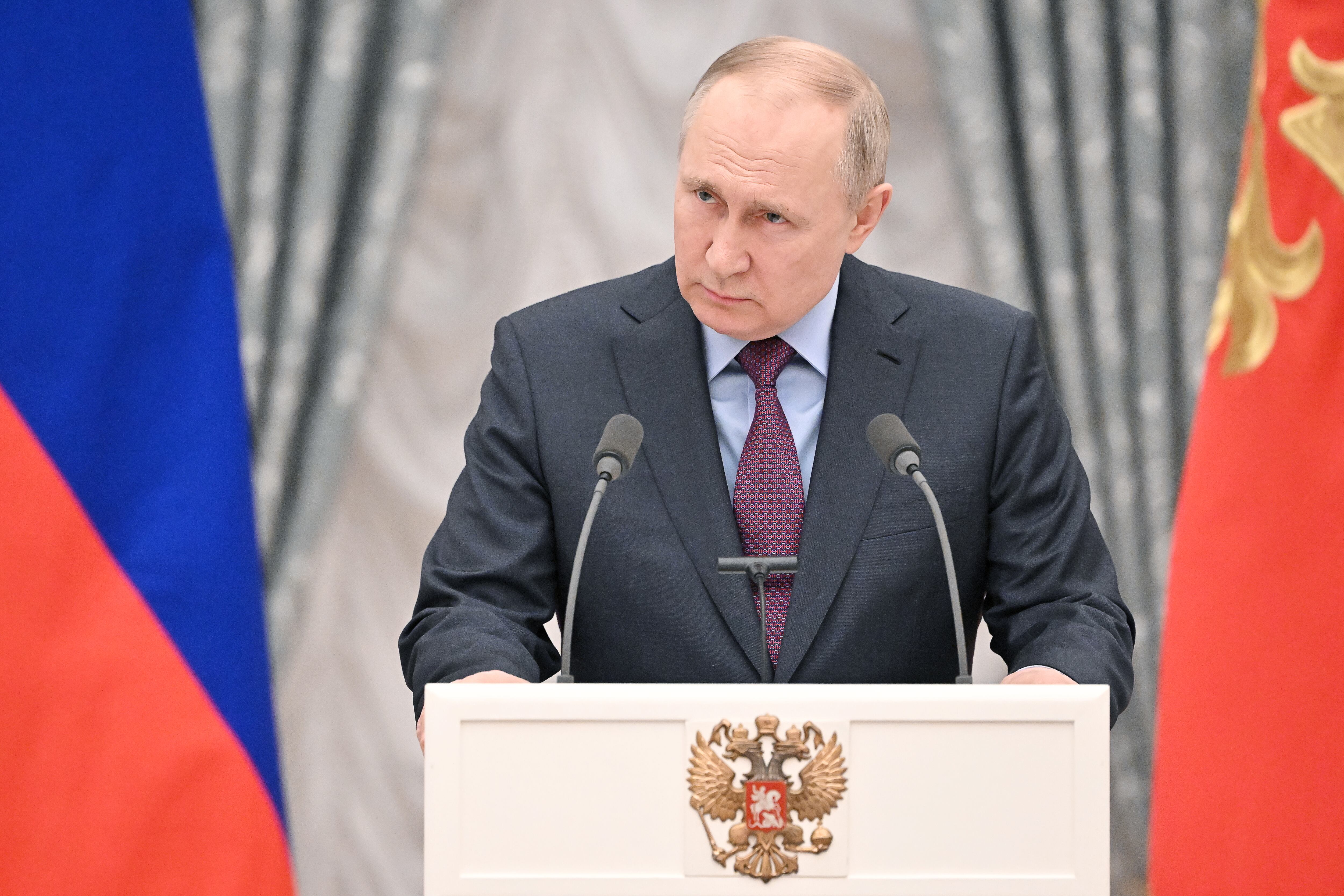
Russian lawmakers have given President Vladimir Putin a military force authorization in Ukraine, and President Biden has described Putin's announcement declaring the independence of two provinces within Ukraine and his subsequent deployment of peacekeepers as tantamount to "invasion. David Tafuri, a former Obama campaign foreign policy advisor and Bush State Department official, joined Cheddar News to discuss. "The Ukrainian military occupies more than 70 percent of those provinces still," Tafuri said, noting Putin alleged having a responsibility to defend those regions. "This would put Ukrainian forces and Russian forces right at each other engaged. And that might be how the war starts."
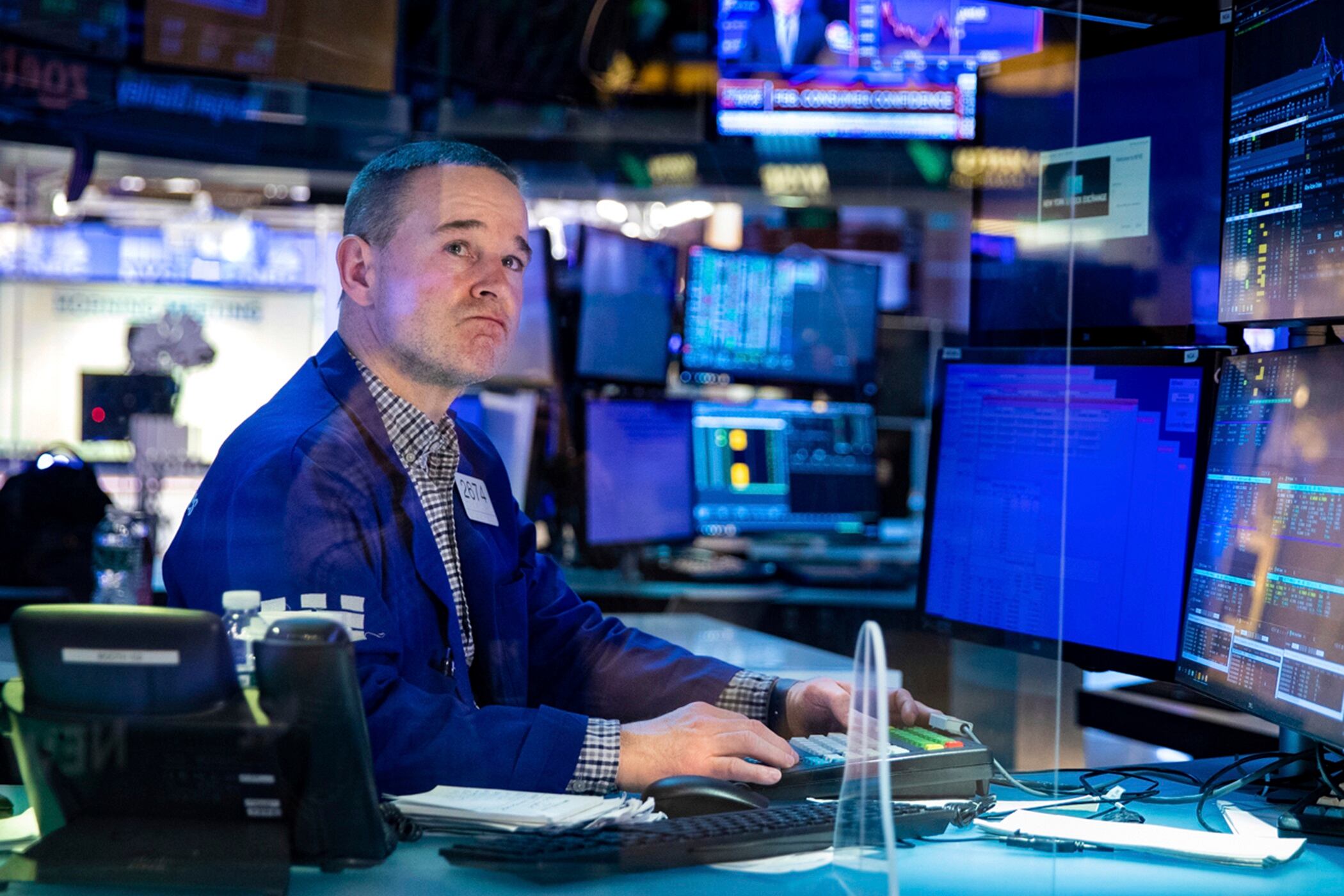
The major indexes ended Tuesday's session sharply lower due to escalating tensions between Russia and Ukraine. Bill Stone, Chief Investment Officer at The Glenview Trust Company, joins Cheddar News' Closing Bell, where he reminds viewers that Wall Street doesn't like uncertainty, and more of the recent losses are due to geopolitics than inflation.
Karim Hijazi, CEO of Prevailion, joins Cheddar News' Closing Bell, where he says that crypto's decentralized nature will pose obstacles for the FBI's new crypto unit, but it will also make progress with items such as managing fraudulent exchanges.
The Retail Industry Leaders Association released a report alleging the safety risks, economic losses, and potential job losses they link to a surge in shoplifting crimes in the United States. Lisa LaBruno, senior EVP of retail operations at the trade organization, joined Cheddar News to discuss the impact of websites that allow for the resale of unverified goods and passing the INFORM Consumers Act to stamp it out. “We need to hold the online marketplaces accountable for being a favored venue for criminals to resell stolen product," LaBruno said. "And that is exactly what the INFORM Act is designed to do."
The East-West faceoff over Ukraine has escalated dramatically, with Russian lawmakers authorizing President Vladimir Putin to use military force outside his country and President Biden and European leaders responding by slapping sanctions on Russian oligarchs and banks.
Stocks closed broadly lower Tuesday after Russia sent forces into Ukraine’s eastern region and the U.S., European Union and U.K. responded with economic sanctions.