Despite the Senate quickly removing the controversial $15 federal minimum wage hike passed in the House version of the latest COVID stimulus bill, Republican lawmakers are still speaking out against other items included in the plan as Senate Democrats rush to finalize their version of the bill.
For Rep. Kat Cammack (R-Fla. 3rd District), the price tag, which includes checks for qualified Americans, is too high.
"As far as the stimulus, that is a temporary solution and, again, it just adds to the further debt that our nation is in. For us, as millennials, this is killer because this is on our shoulders. The generations before us, they're not going to have to deal with these problems of sequestration," she told Cheddar. "It's millennials and Gen Zs that are really footing the bill for this."
At 33 years old, Cammack is currently one of the youngest members serving in the House.
In a letter to President Joe Biden, Cammack said approving another trillion-dollar spending bill would be irresponsible, in part, because funds from previous relief bills still have not been allocated.
The cost of the COVID relief bill was not the only concern for Cammack, however. The Florida congresswoman described other measures in the bill as a "wish list of projects" that Democrats are trying to push through.
"It has nothing to do with rescuing America from this pandemic. It had nothing to do with COVID relief," she alleged. Cammack stressed the need to get vaccines for Americans interested in receiving it and reopening schools.
"What does an underground tunnel in Silicon Valley have to do with COVID relief? What does a bridge in New York have to do with COVID relief? This was just some of the garbage that was tucked into this bill," she protested.
While a new poll from Morning Consult and Politico showed more than 70 percent of voters -- including more than half of GOP voters -- support the bill as it stands, Cammack said her party isn't worried about efforts to strike down the relief plan backfiring.
"The previous bills in 2020 under President Trump were all bipartisan. There was Republican and Democrat support. In this bill that Nancy Pelosi just pushed through last week — actually at 2:30 in the morning — that not only had every single Republican vote against it but members of her own caucus," she said.
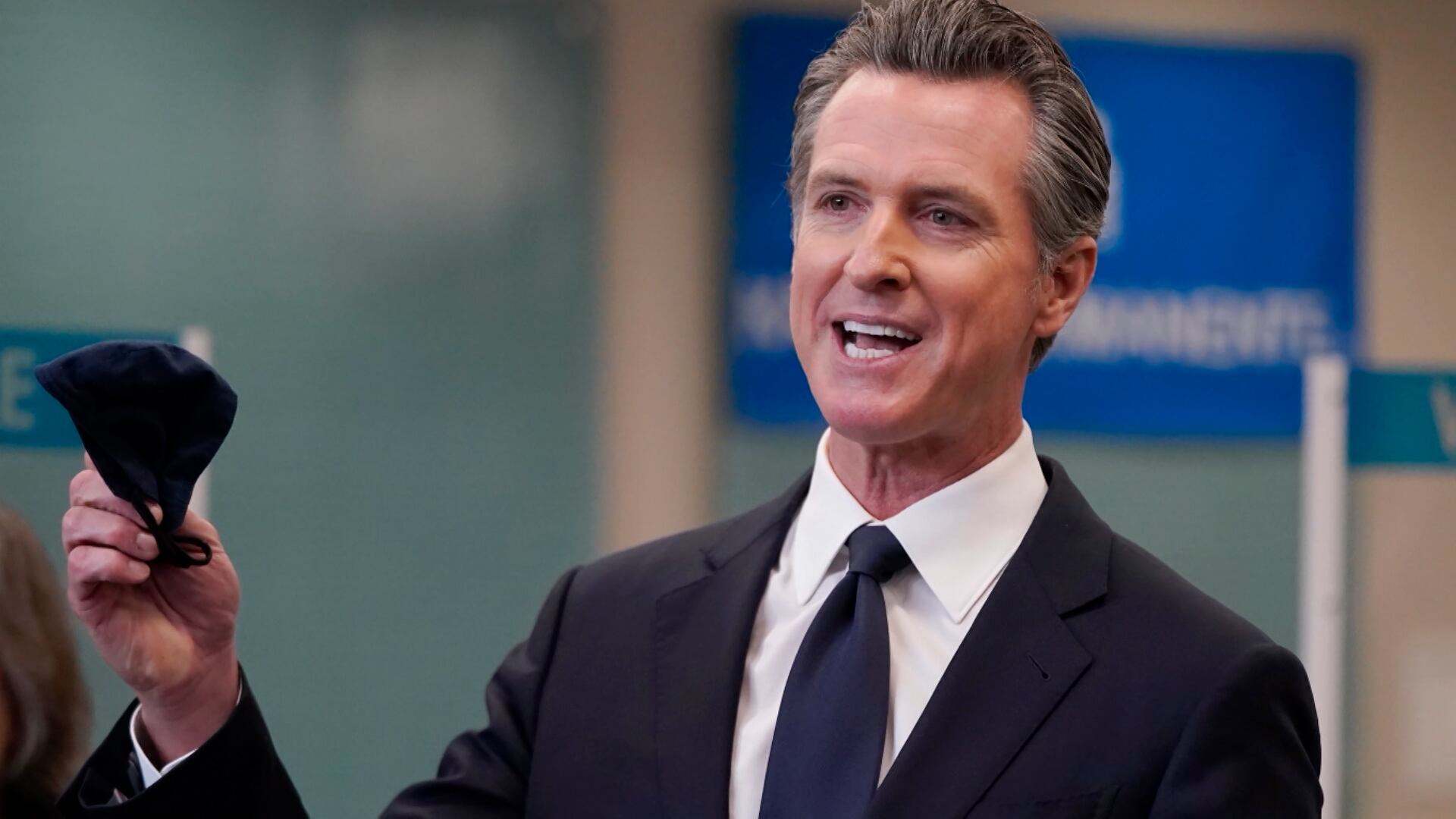
California Governor Gavin Newsom is projected to keep his job. Around two-thirds of the votes have been reported, and roughly 64% of those votes are in favor of keeping Newsom as their governor.
Daniel Strauss, senior political correspondent at The New Republic, joined Cheddar's Opening Bell to discuss more about what Newsom's win means to both political parties moving into Midterm elections season.
The Department of Justice is suing Texas over the state's new abortion law that prohibits abortions after six weeks, well before many women even know they're pregnant. The lawsuit argues the law is unconstitutional under long-standing Supreme Court precedent. It was filed last week in federal court in Texas, but could go all the way to the high court within weeks. Josh Blackman, a constitutional law professor at South Texas College of Law Houston, discusses the DOJ lawsuit and what it could mean for other abortion laws across the country.
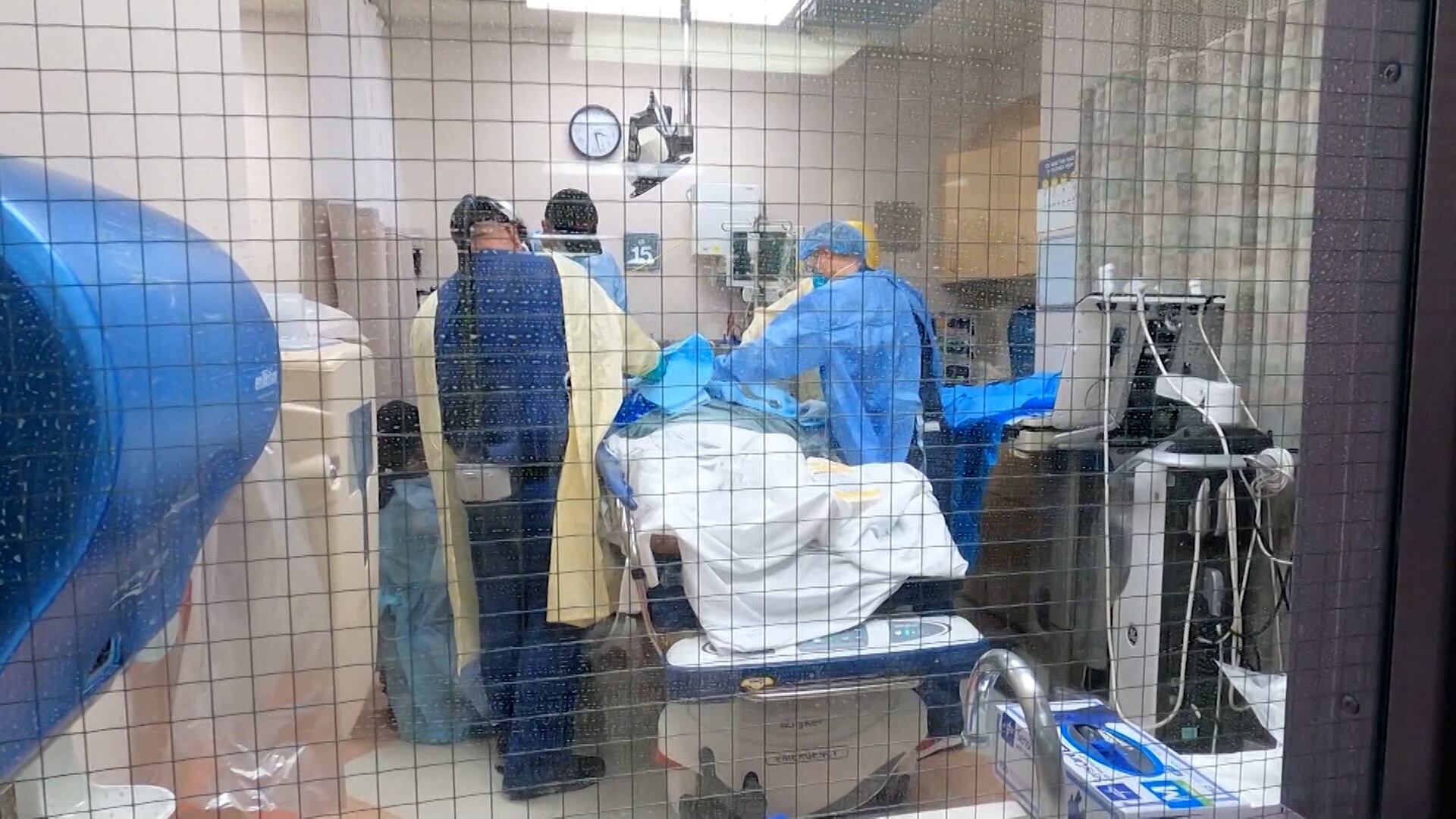
26 states have now fully vaccinated more than half of their population with Vermont, Connecticut, and Massachusetts fully vaccinating at least two-thirds of their residents. These three states are among the ones with the lowest new Covid-19 cases per capita, but in states with low vaccination rates, hospitals are filling up again.
Dr. Rob Davidson, ER doctor and executive director of Committee to Protect Health Care, joined Cheddar's Opening Bell to discuss more.
The Biden Administration has officially extended a ban on a Trump-era policy that prohibits traveling with a U.S. passport to North Korea. The extension is expected to last until August 2022. The ban was initially enforced after the death of Otto Warmbier, who entered a vegetative state while in North Korean custody. Advocates against the ban argue that it has caused crippling impacts on Korean Americans who have not been able to reunite with their families back home. Senior Fellow at The Foundation For Defense of Democracies Anthony Ruggiero joined Cheddar's News Wrap to discuss more.