Despite the Senate quickly removing the controversial $15 federal minimum wage hike passed in the House version of the latest COVID stimulus bill, Republican lawmakers are still speaking out against other items included in the plan as Senate Democrats rush to finalize their version of the bill.
For Rep. Kat Cammack (R-Fla. 3rd District), the price tag, which includes checks for qualified Americans, is too high.
"As far as the stimulus, that is a temporary solution and, again, it just adds to the further debt that our nation is in. For us, as millennials, this is killer because this is on our shoulders. The generations before us, they're not going to have to deal with these problems of sequestration," she told Cheddar. "It's millennials and Gen Zs that are really footing the bill for this."
At 33 years old, Cammack is currently one of the youngest members serving in the House.
In a letter to President Joe Biden, Cammack said approving another trillion-dollar spending bill would be irresponsible, in part, because funds from previous relief bills still have not been allocated.
The cost of the COVID relief bill was not the only concern for Cammack, however. The Florida congresswoman described other measures in the bill as a "wish list of projects" that Democrats are trying to push through.
"It has nothing to do with rescuing America from this pandemic. It had nothing to do with COVID relief," she alleged. Cammack stressed the need to get vaccines for Americans interested in receiving it and reopening schools.
"What does an underground tunnel in Silicon Valley have to do with COVID relief? What does a bridge in New York have to do with COVID relief? This was just some of the garbage that was tucked into this bill," she protested.
While a new poll from Morning Consult and Politico showed more than 70 percent of voters -- including more than half of GOP voters -- support the bill as it stands, Cammack said her party isn't worried about efforts to strike down the relief plan backfiring.
"The previous bills in 2020 under President Trump were all bipartisan. There was Republican and Democrat support. In this bill that Nancy Pelosi just pushed through last week — actually at 2:30 in the morning — that not only had every single Republican vote against it but members of her own caucus," she said.
2021 saw markets continue to be impacted by the onslaught of the coronavirus pandemic -most recently in the form of the Omicron variant- in addition to the global supply chain shortage, and increased inflation. But it wasn't all bad news, as crypto soared throughout the year, and meme stocks continued to have a moment. With the year coming to a close, investors are keeping an eye out to see if they should expect more of the same in the new year. Chris Vecchio, Senior Analyst, at DailyFX tells us what market trends to be on the watch for in 2022.
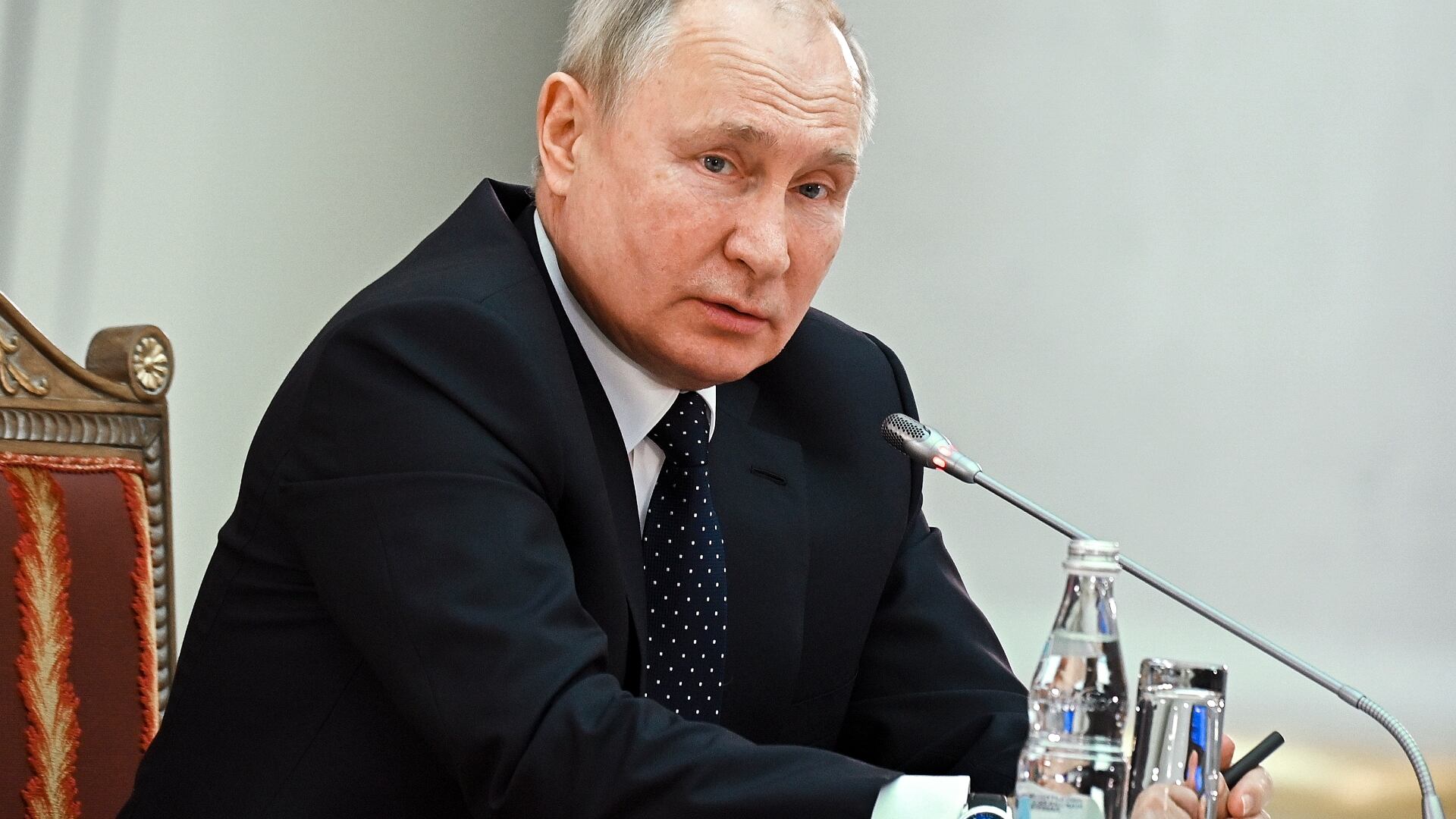
Matt Hayden, vice president of govtech solutions at Exiger and a former assistant secretary of cyber at Department of Homeland Security, joined Cheddar to discuss the surprise phone call initiated by Russian President Vladimir Putin to President Joe Biden, ahead of January security talks about the rising tensions over Ukraine. "We're hoping to hear that we're able to talk about the aggression and the leadup of the Ukrainian militarization," Hayden said. "But we're also looking to hear is how the Kremlin leveraged their talking points to try to test their negotiation stance with the United States leading into this January 10th meeting."
The No Surprises Act begins implementation on January 1, 2022. The legislation is meant to curb the practice of unexpected billing for care from providers the patient was unaware were out-of-network from their insurance. Patricia Kelmar, director of health care campaigns for U.S. PIRG joined Cheddar to describe the hundreds, sometimes thousands, of dollars charged to unsuspecting patients and how things will change under the new law. "If we are picking an in-network doctor and an in-network hospital, we should not see those added costs from anesthesiologists, radiologists, scrub-in surgeons," she said. "The other area it protects you is in air ambulances — not ground ambulances, unfortunately — but the helicopters or the airplanes you might need to transport you in an emergency situation."
President Joe Biden and Russian President Vladmir Putin are expected to have another conversation surrounding escalating tensions between Russia and Ukraine. Ariel Cohen, senior fellow at the Atlantic Council, joined Cheddar's Ken Buffa to discuss the ongoing tensions and why Putin's request for a conversation with Biden comes now. "This is very serious. This is the worst security crisis we had since the collapse of the Soviet Union," Cohen told Cheddar.
Stocks closed mixed on Wednesday, but two indexes - the Dow and the S&P 500 - ended the session with a new record. Akshata Bailkeri, Equity Analyst at Bruderman Asset Management, joins Cheddar News' Closing Bell, where she says there is a consensus for robust consumer spreading in 2022, especially as the Omicron variant is proving to be milder than other COVID-19 strains.