Politicians, the media, and the markets have all responded negatively to President Trump’s proposed tariffs on steel and aluminium.
But Congresswoman Marcy Kaptur (D-OH) has a different perspective. The trade war concerns won’t materialize “if you have a good agreement,” she told Cheddar. “We need trade parity, we need reciprocity in trade.”
She pointed out that China churns out 2.3 billion metric tonnes of steel every year when the world only uses 1.5 billion.
“You’ve got this enormous overhang on the global market...so America ends up being the dump market and our workers get put out of work.”
However, China’s steel manufacturing muscle doesn’t necessarily impact the U.S. market. In 2017, the U.S. got most of its steel from Canada and Mexico, according to the [Commerce Department](https://www.trade.gov/steel/countries/pdfs/imports-us.pdf).
On Wednesday, the White House announced certain markets, such as Canada and Mexico, may be exempt from the proposed 25 percent tax on steel imports and 10 percent tariffs on aluminium. The administration is expected to make the official announcement on them later this week.
In the aftermath of earthquakes, one of the U.S. territory’s top architects is making the case for short-term assistance combined with long-term vision.
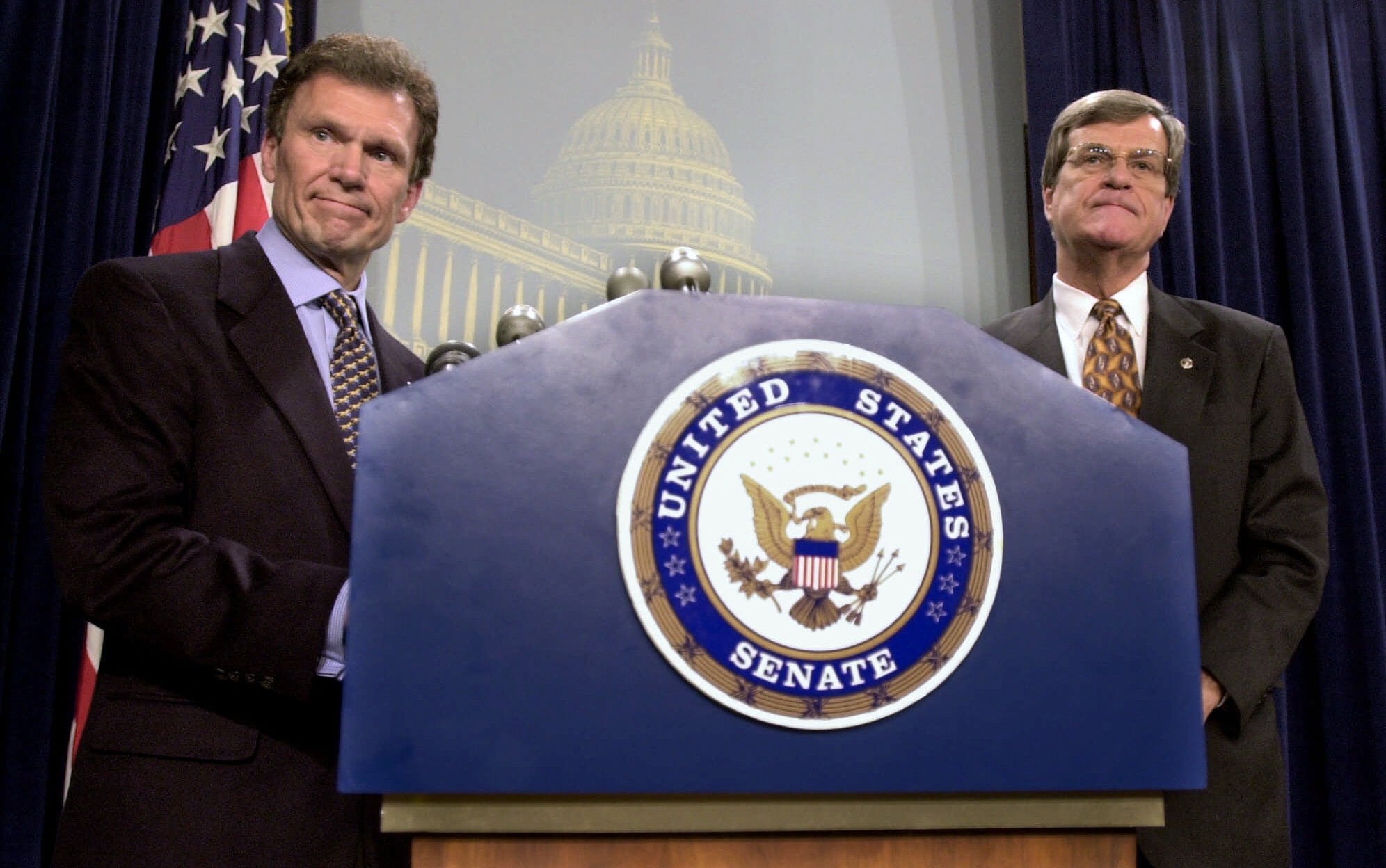
When President Bill Clinton was impeached more than 20 years ago, the Senate leaders who controlled his fate say they sought to appear neutral and separate from the White House and wanted to make the trial a bipartisan process. At least that’s how Trent Lott and Tom Daschle remember it today.
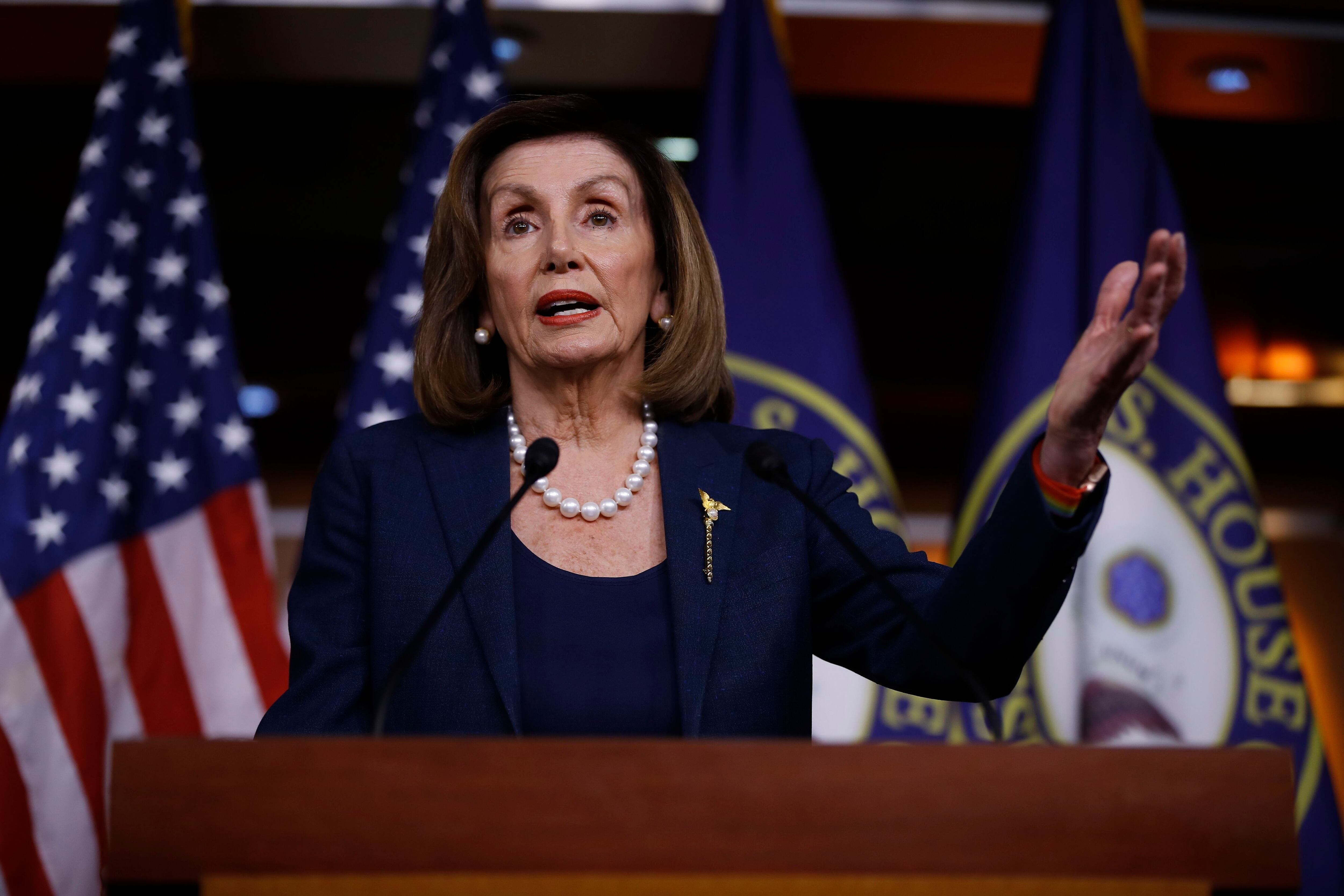
House Speaker Nancy Pelosi called Facebook’s behavior “shameful” during her weekly press conference Thursday.
The federal government's watchdog agency said Thursday a White House office violated federal law in withholding security assistance to Ukraine.
These are the headlines you Need 2 Know for Thursday, January 16, 2020.
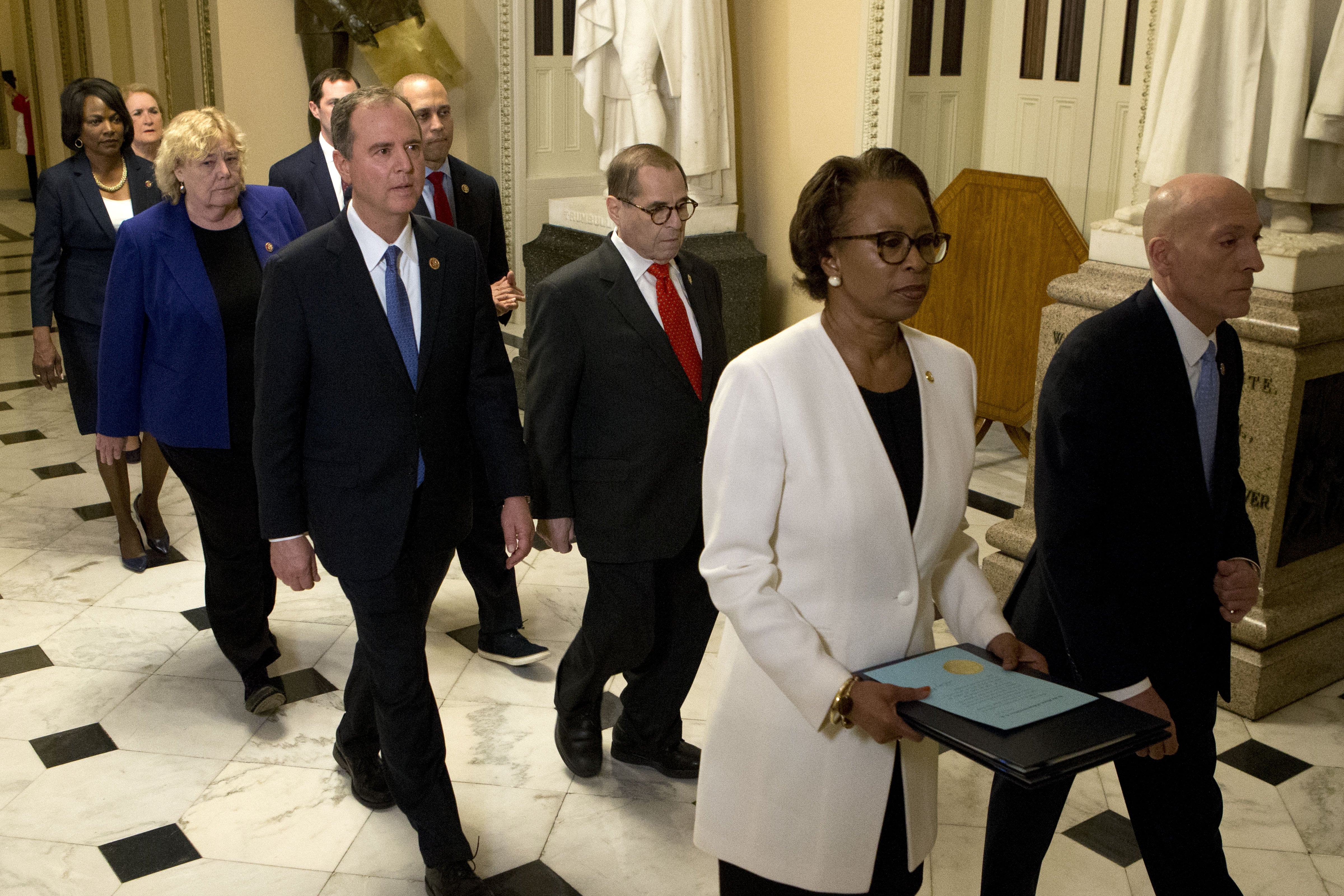
The House delivered the articles of impeachment against President Donald Trump to the Senate Wednesday hours after Speaker Nancy Pelosi named seven managers to handle prosecute the trial.
“[Trump] would win right now because the Democrats have not succeeded in making this election a referendum on Trump,” longtime Republican and political strategist Rick Wilson told Cheddar on the eve of another sort of referendum — the president’s impeachment trial.
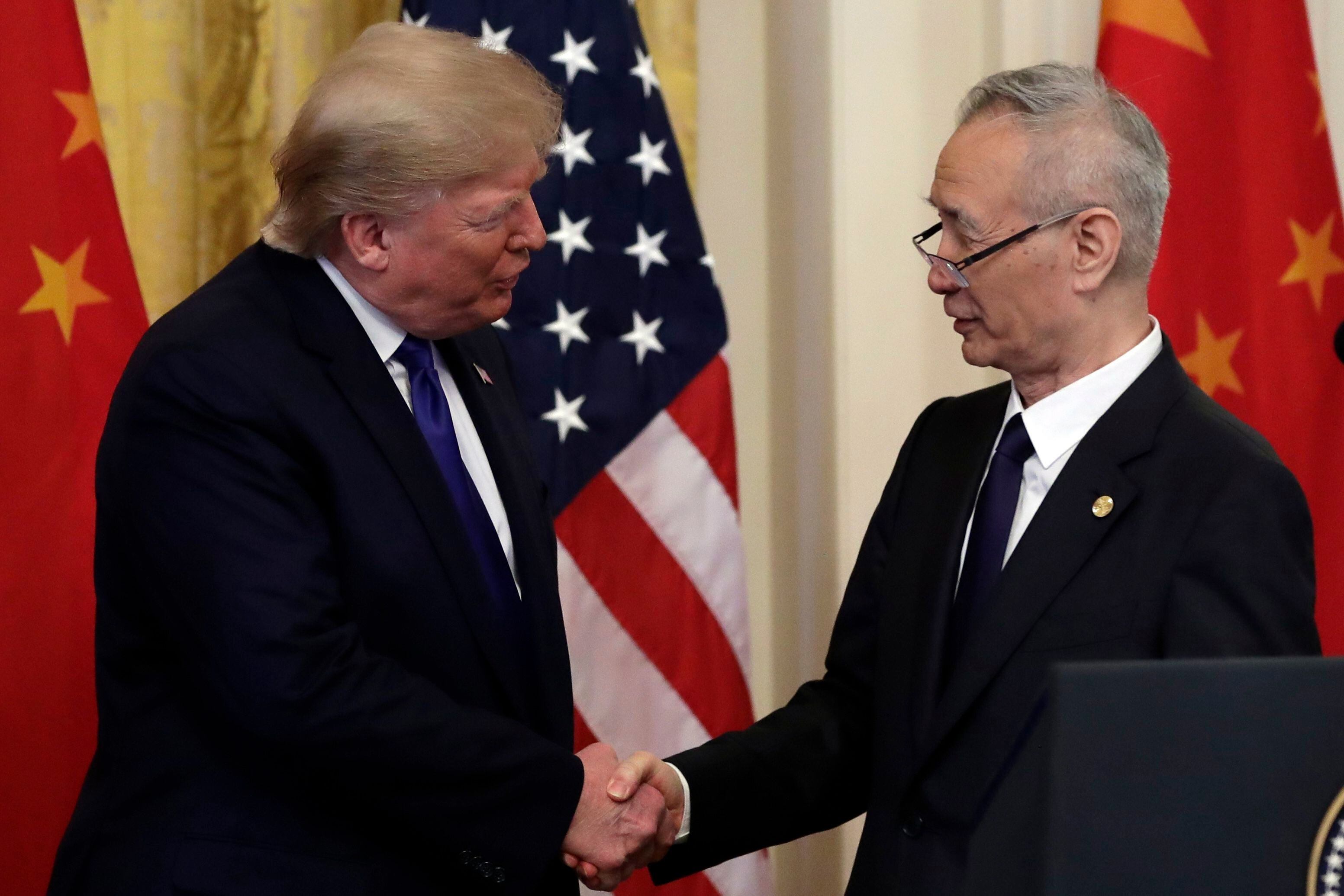
President Trump signed a so-called "phase one" trade deal with China on Wednesday, signaling a détente in a protracted trade war that resulted in hundreds of billions of dollars of tariffs being exchanged on exports between the world's two largest economies over the better part of two years.
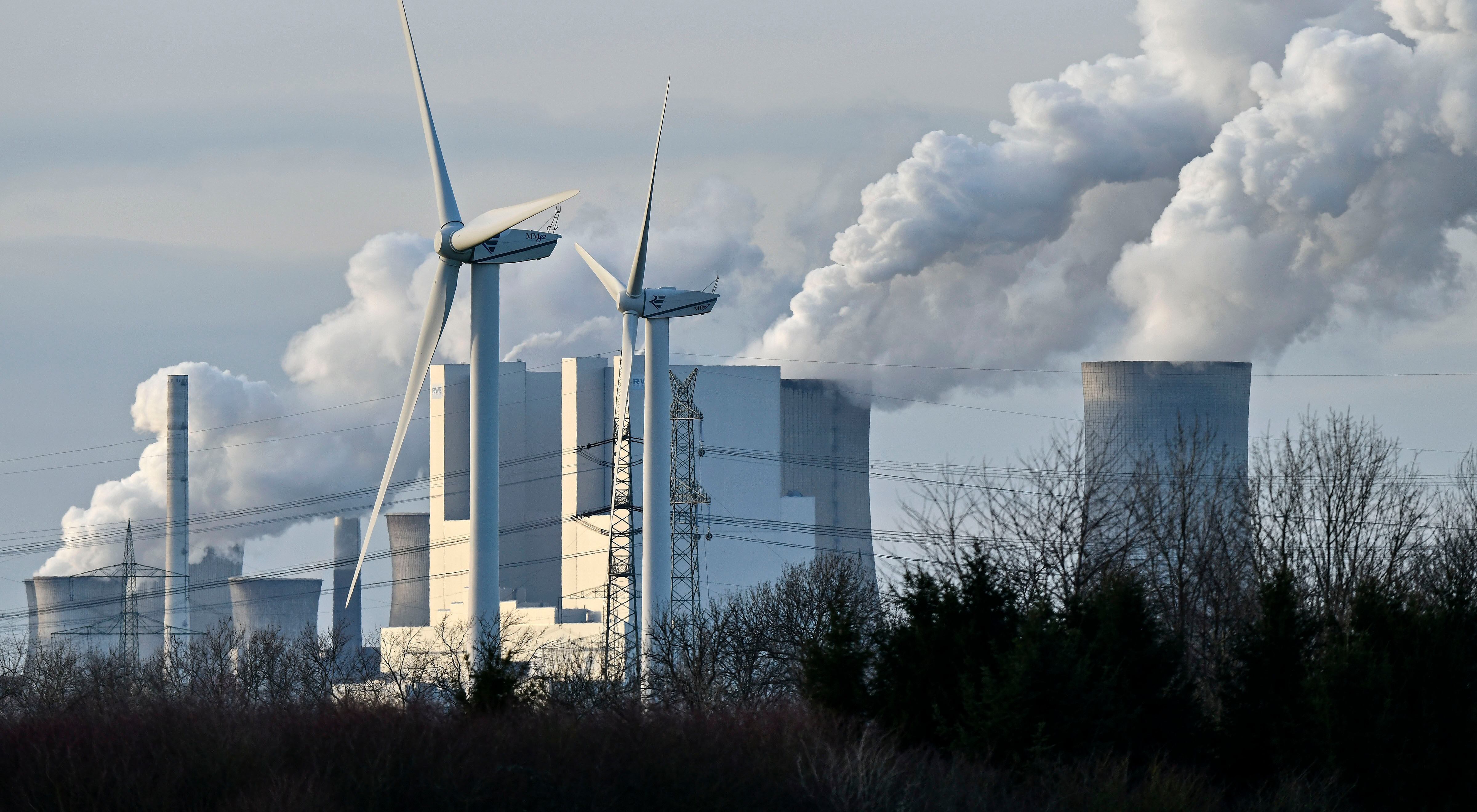
Weeks after the White House unexpectedly derailed a bipartisan tax deal for electric vehicles, offshore wind energy, and other major green priorities, dozens of emissaries from the nation’s renewable energy industries and environmental advocacy groups are gathering in the nation’s capital to begin charting their green-energy push for 2020 — and to dissect what went wrong in the final hours of its 2019 influence campaign.
Here are the headlines you Need 2 Know for Wednesday, January 15, 2020.