Politicians, the media, and the markets have all responded negatively to President Trump’s proposed tariffs on steel and aluminium.
But Congresswoman Marcy Kaptur (D-OH) has a different perspective. The trade war concerns won’t materialize “if you have a good agreement,” she told Cheddar. “We need trade parity, we need reciprocity in trade.”
She pointed out that China churns out 2.3 billion metric tonnes of steel every year when the world only uses 1.5 billion.
“You’ve got this enormous overhang on the global market...so America ends up being the dump market and our workers get put out of work.”
However, China’s steel manufacturing muscle doesn’t necessarily impact the U.S. market. In 2017, the U.S. got most of its steel from Canada and Mexico, according to the [Commerce Department](https://www.trade.gov/steel/countries/pdfs/imports-us.pdf).
On Wednesday, the White House announced certain markets, such as Canada and Mexico, may be exempt from the proposed 25 percent tax on steel imports and 10 percent tariffs on aluminium. The administration is expected to make the official announcement on them later this week.
New York state will extend its stay-at-home restrictions at least through May 15. Gov. Andrew Cuomo said Thursday that transmission rates still need to be tamed as he prolonged the restrictions that have left most New Yorkers housebound.
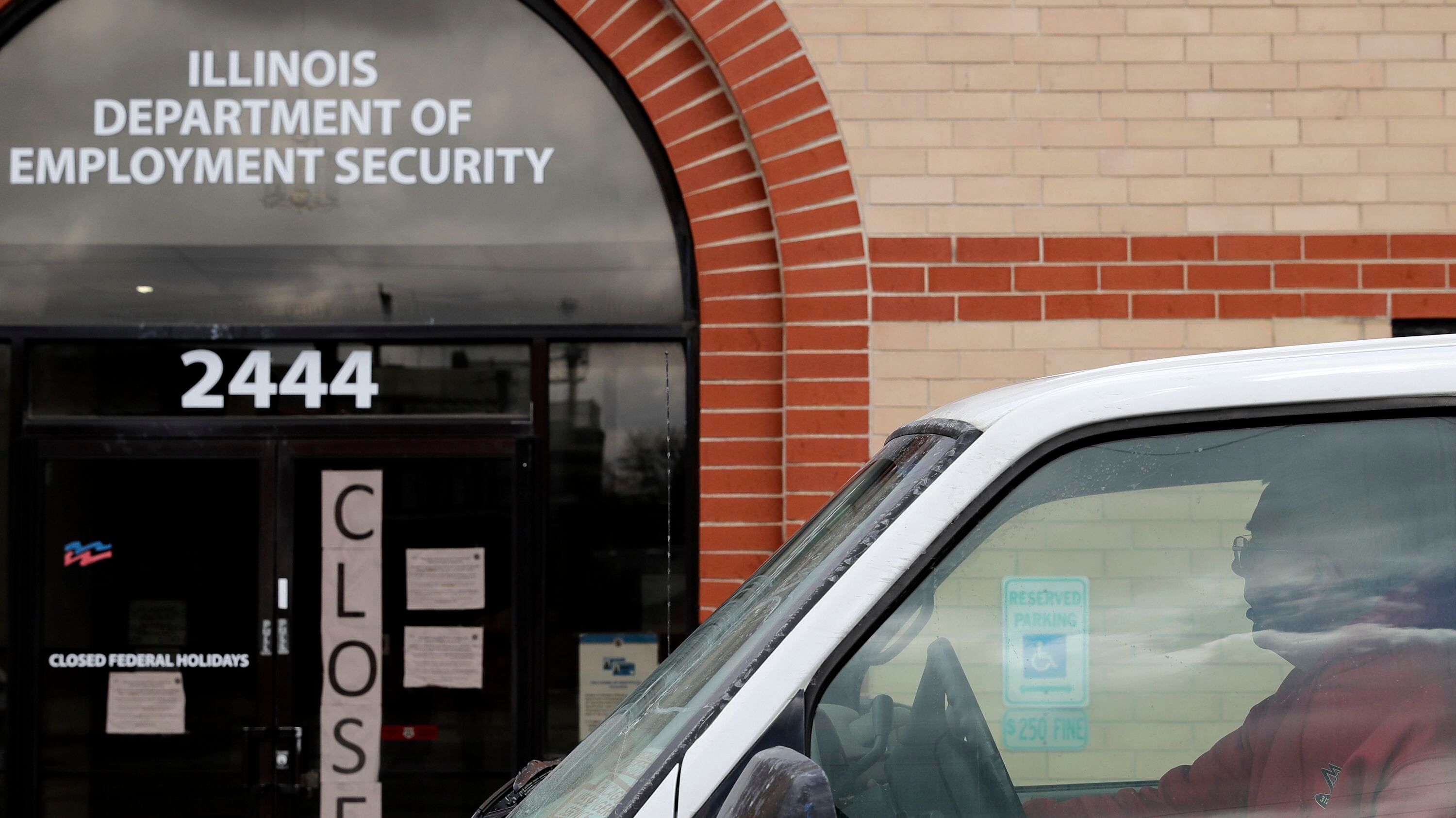
Stocks are mixed in early trading on Wall Street after the government reported that 5.2 million more people filed for unemployment benefits last week, which was not quite as many as had been feared.
Another 5.2 million people filed for unemployment in the week ending April 11, according to a U.S. Department of Labor report released Thursday morning.
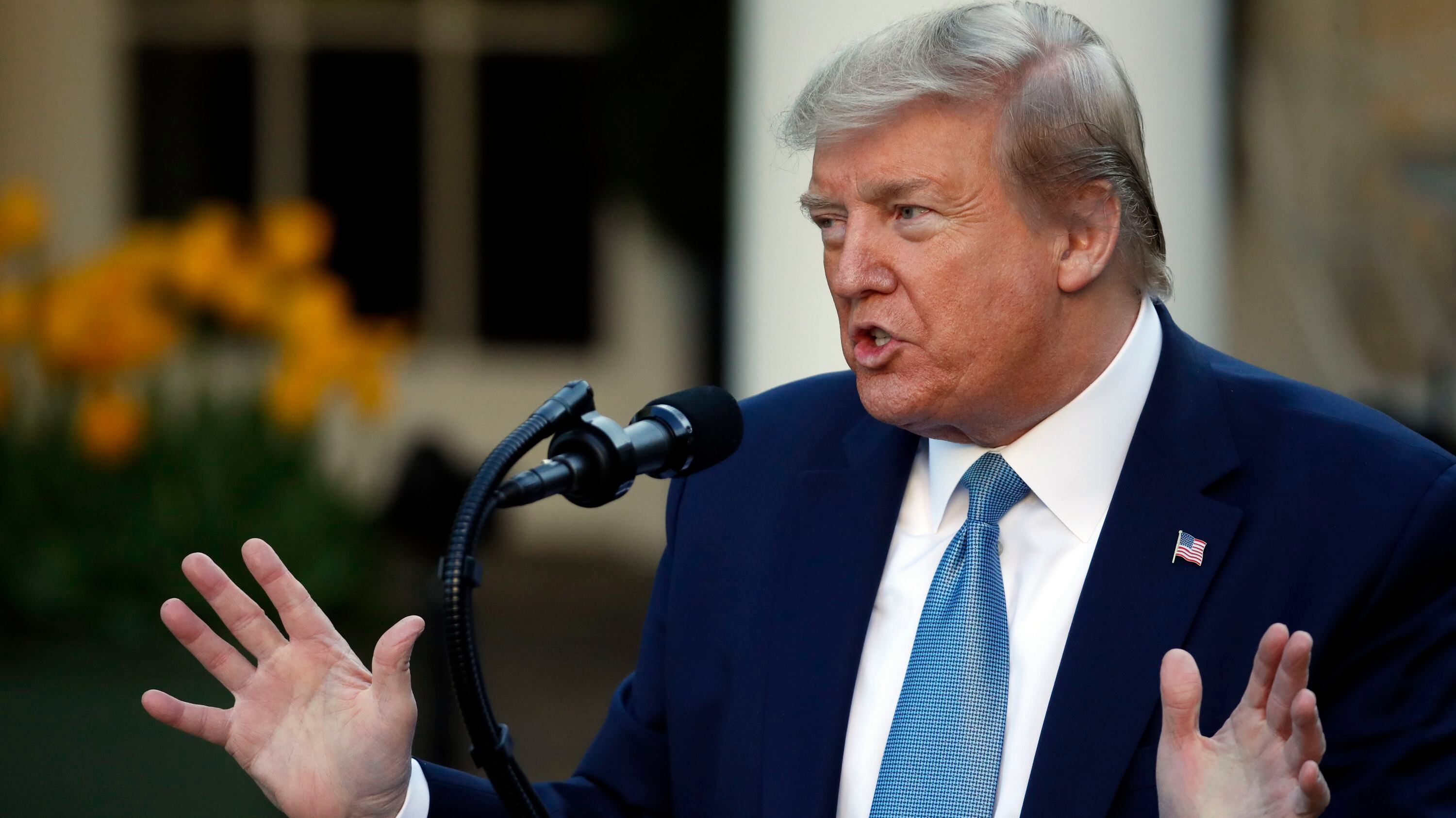
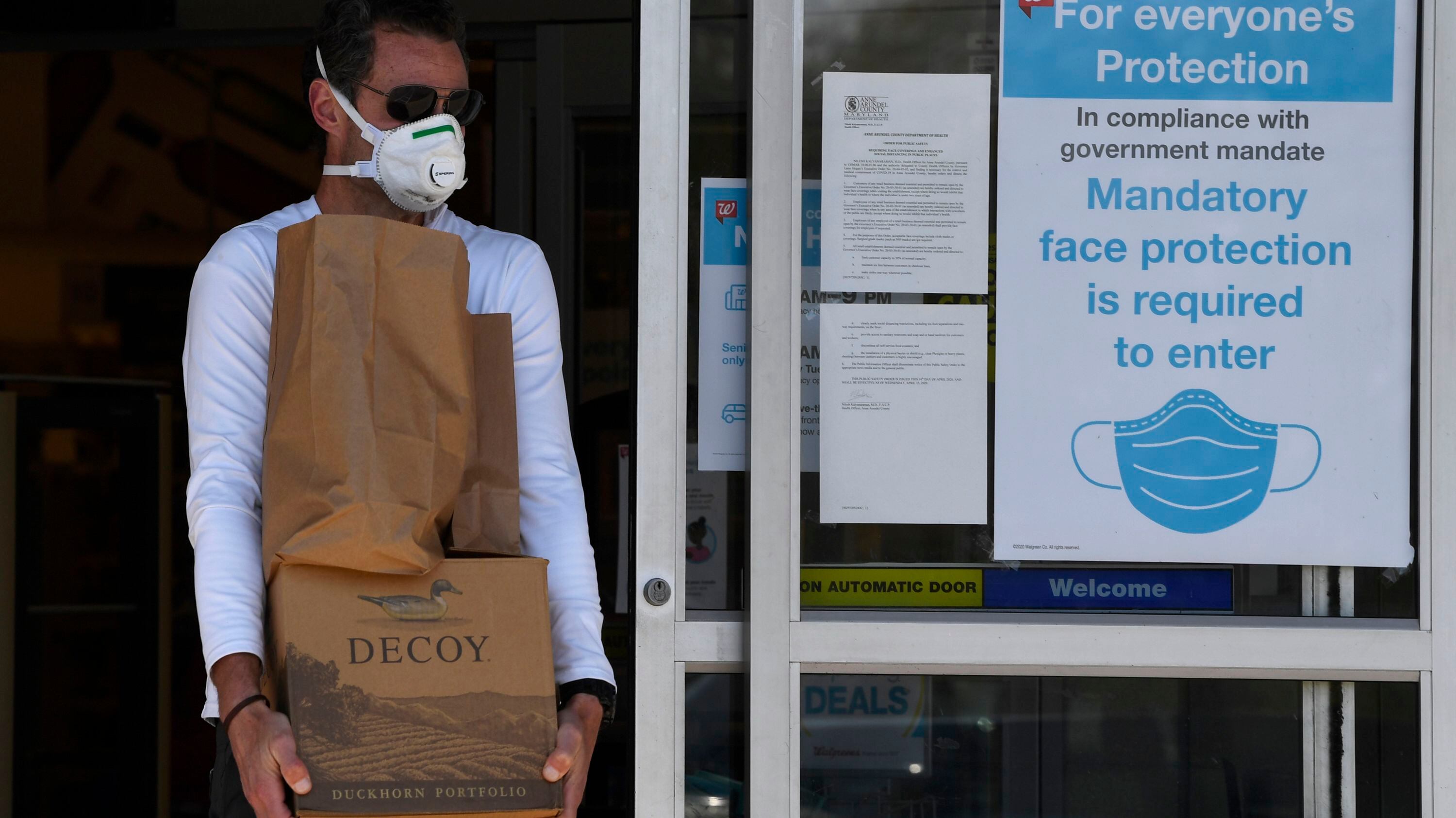
President Donald Trump says he’s prepared to announce new guidelines allowing some states to quickly ease up on on social distancing. At same time, though, business leaders are telling Trump they need more coronavirus testing and personal protective equipment before people can safely go back to work.
The IRS announced on March 21 that the federal income tax filing deadline has been pushed to July 15, 2020, due to the impact of the coronavirus pandemic.
Selling swept Wall Street after a dismal lineup of reports made clear how historic the coronavirus crunch has been for the economy. Markets are already bracing for what’s forecast to be the worst downturn since the Great Depression, but Wednesday’s data was even more dispiriting than expected.
John Stanton, co-founder of the Save Journalism Project, told Cheddar that the widespread cost-cutting and layoffs will have a long-term impact on the health of journalism.
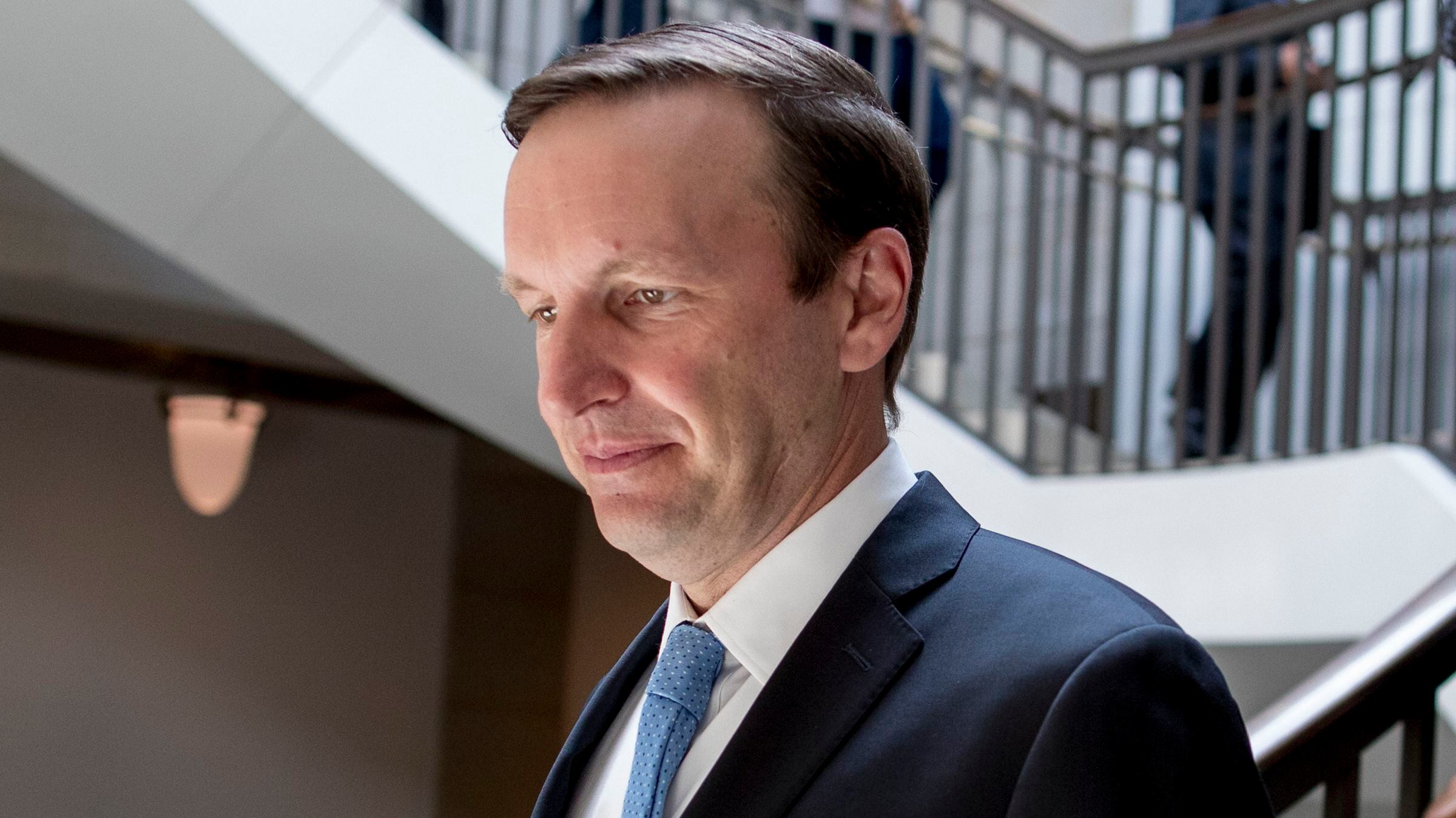
Sen. Chris Murphy (D-Conn.) on Wednesday told Cheddar that he is officially endorsing former vice president Joe Biden as the Democratic nominee for the presidency.
"Shark Tank" co-host and real estate mogul Barbara Corcoran has some tips on how to spend coronavirus stimulus checks wisely, now that they have begun landing in many bank accounts.
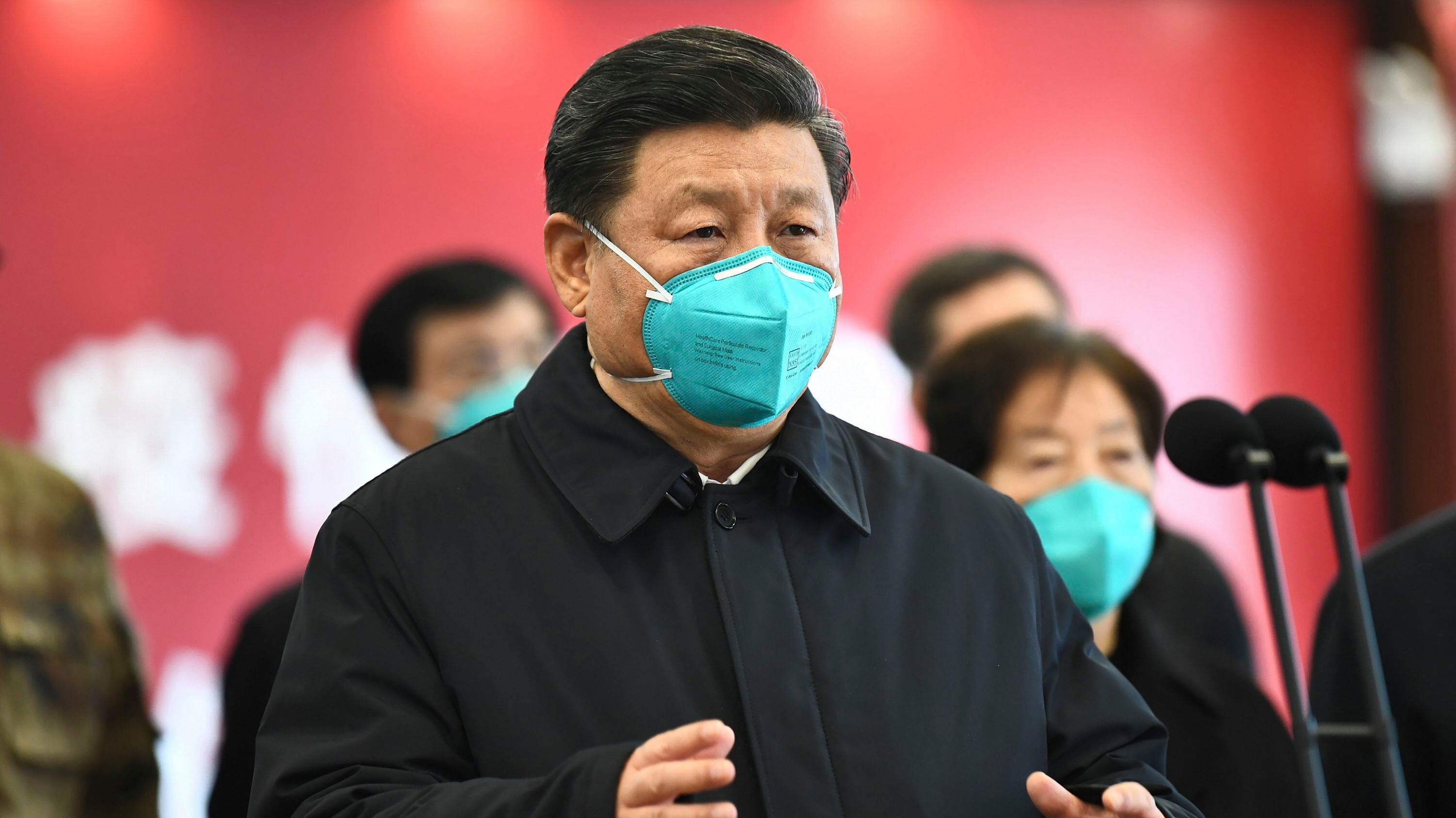
Top Chinese officials secretly determined they were likely facing a pandemic from a new coronavirus in mid-January, ordering preparations even as they downplayed it in public.