Politicians, the media, and the markets have all responded negatively to President Trump’s proposed tariffs on steel and aluminium.
But Congresswoman Marcy Kaptur (D-OH) has a different perspective. The trade war concerns won’t materialize “if you have a good agreement,” she told Cheddar. “We need trade parity, we need reciprocity in trade.”
She pointed out that China churns out 2.3 billion metric tonnes of steel every year when the world only uses 1.5 billion.
“You’ve got this enormous overhang on the global market...so America ends up being the dump market and our workers get put out of work.”
However, China’s steel manufacturing muscle doesn’t necessarily impact the U.S. market. In 2017, the U.S. got most of its steel from Canada and Mexico, according to the [Commerce Department](https://www.trade.gov/steel/countries/pdfs/imports-us.pdf).
On Wednesday, the White House announced certain markets, such as Canada and Mexico, may be exempt from the proposed 25 percent tax on steel imports and 10 percent tariffs on aluminium. The administration is expected to make the official announcement on them later this week.
Chuck Rocha, former senior adviser for Bernie for President 2020 and 2016, talks new Book "Tio Bernie," and what the Biden-Harris campaign can do to secure the Latino vote.
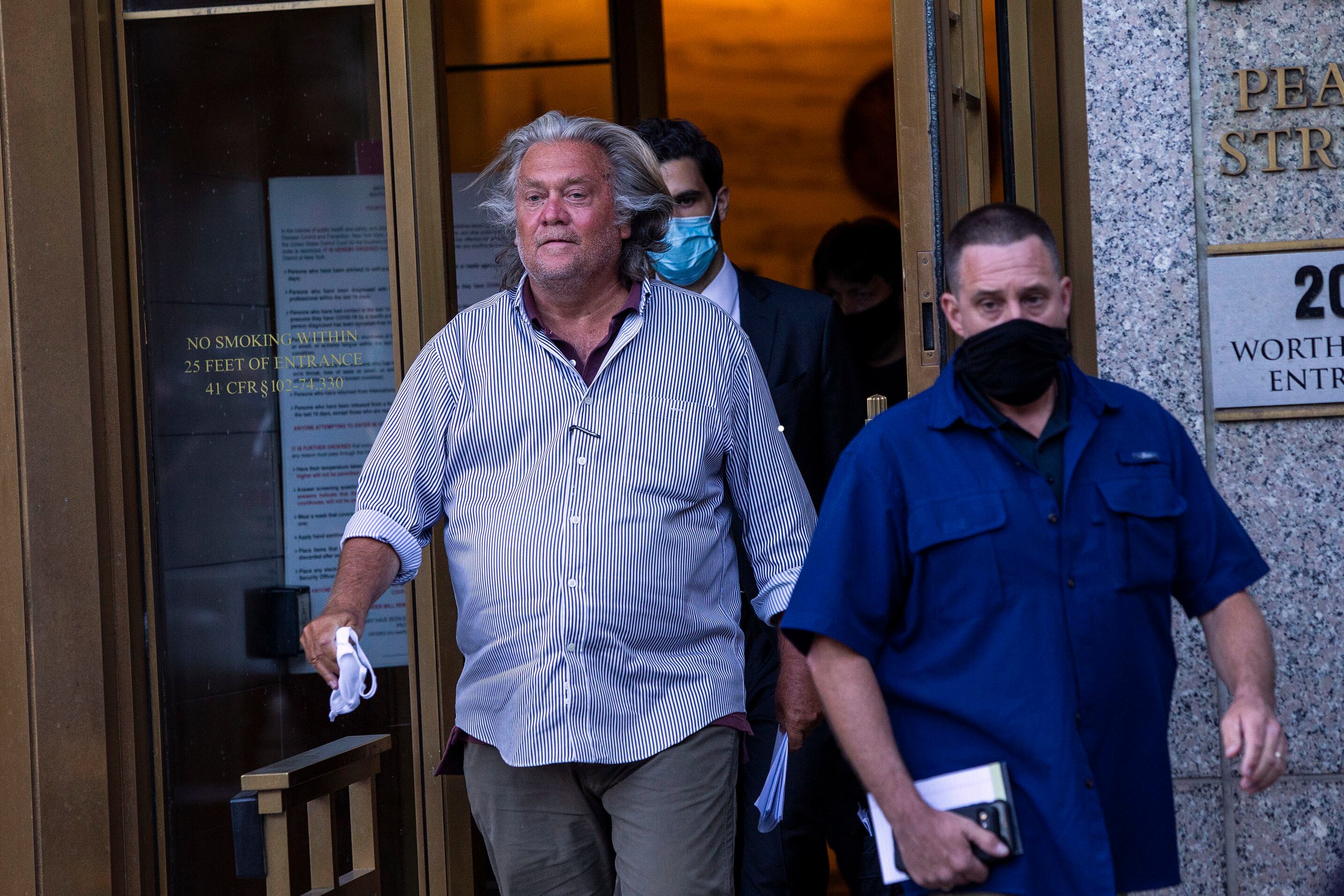
President Donald Trump’s former chief strategist, Steve Bannon, has pleaded not guilty to charges that he ripped off donors trying to fund a southern border wall.
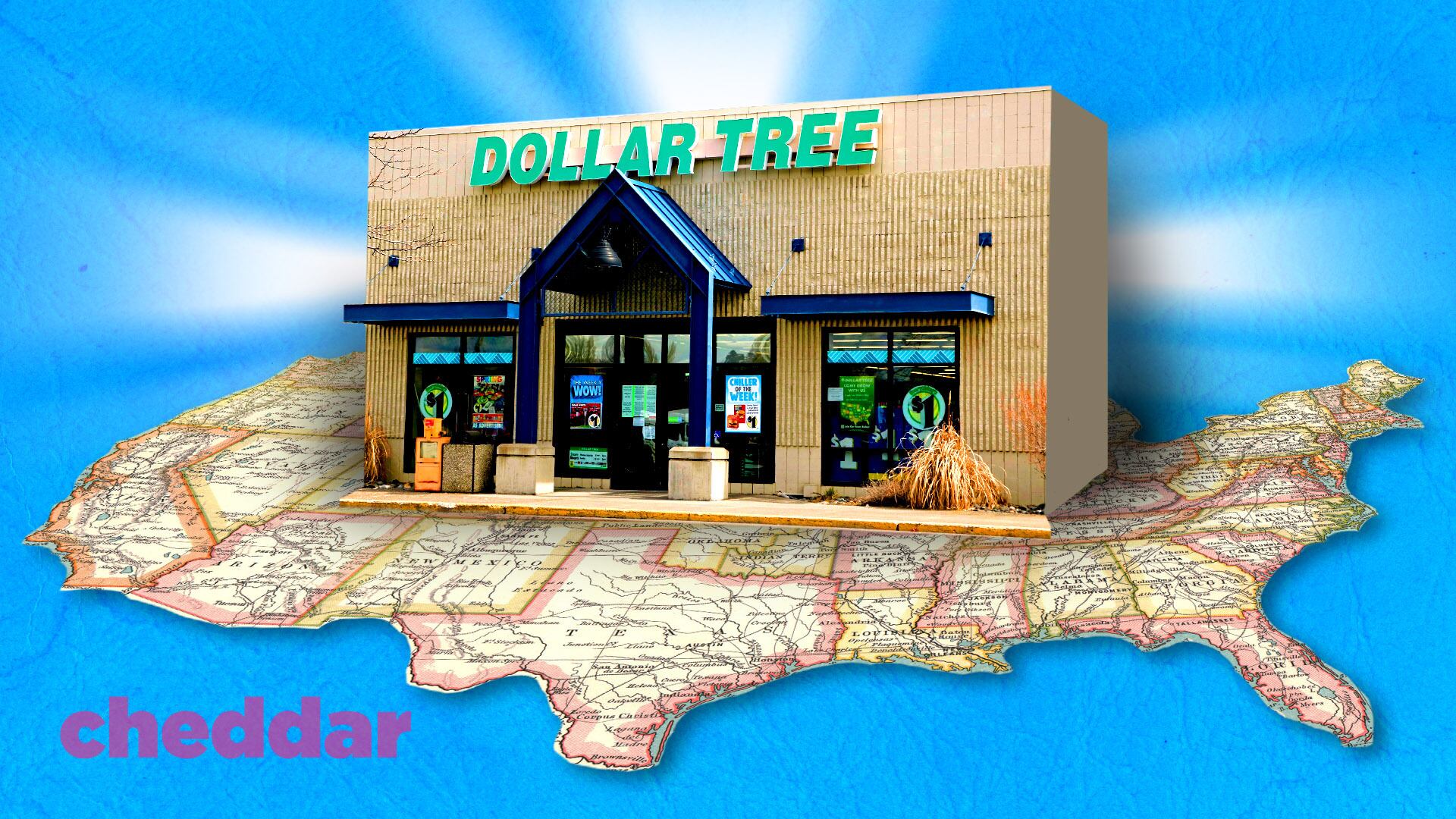
Dollar stores have conquered the United States, in an era where a “retail apocalypse” is slowly decimating brick and mortar retail shopping. The spread of these dollar stores is also deeply tied to issues of income inequality in the U.S. It’s argued that not only do these institutions benefit from poverty, but also that they perpetuate it. It has even led to some communities to limit the spread of dollar stores in their towns. So how did the dollar store conquer the U.S. - and what is their real impact?
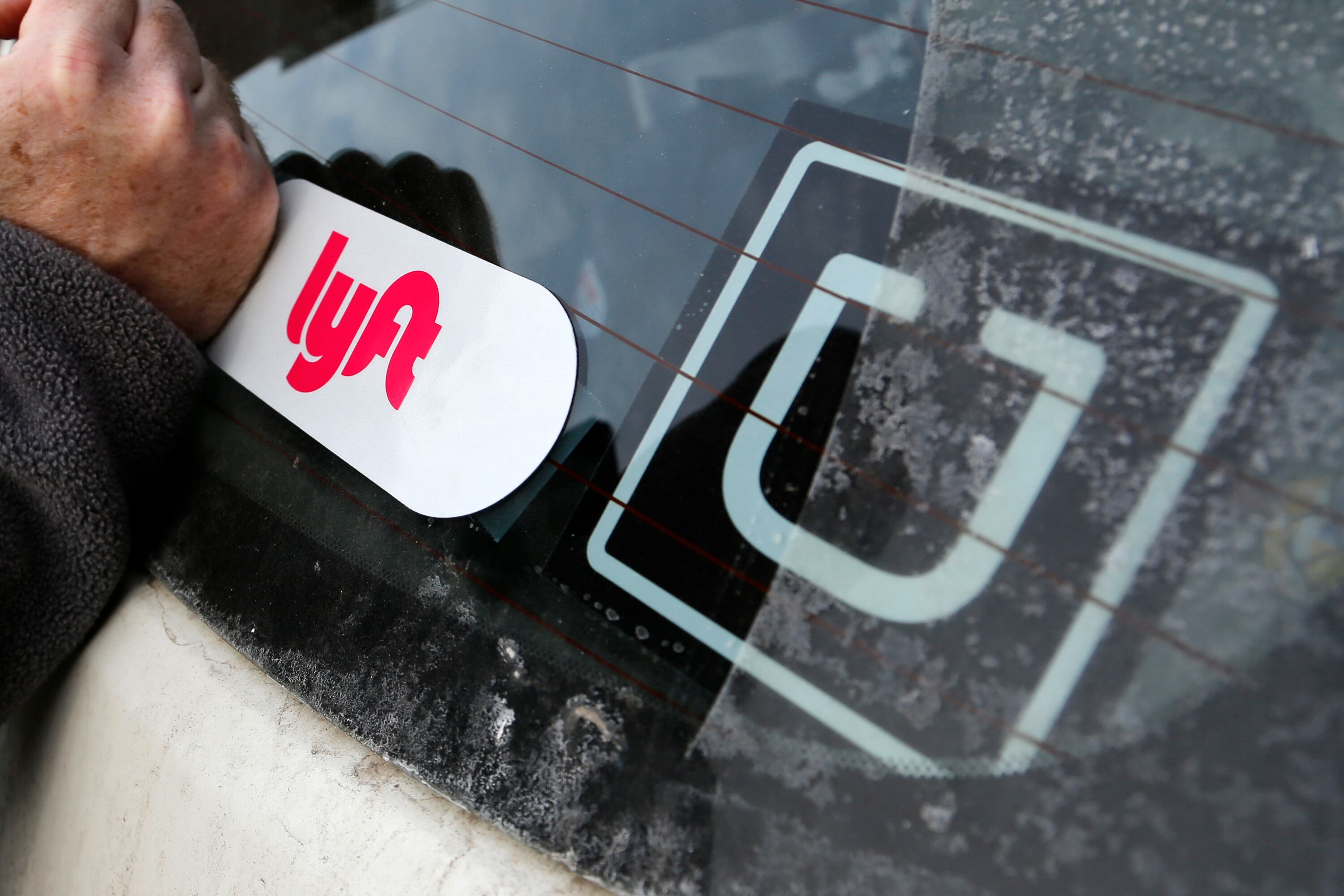
An appeals court has allowed ride-hailing giants Uber and Lyft to continue treating their drivers as independent contractors in California while an appeal works its way through the court.
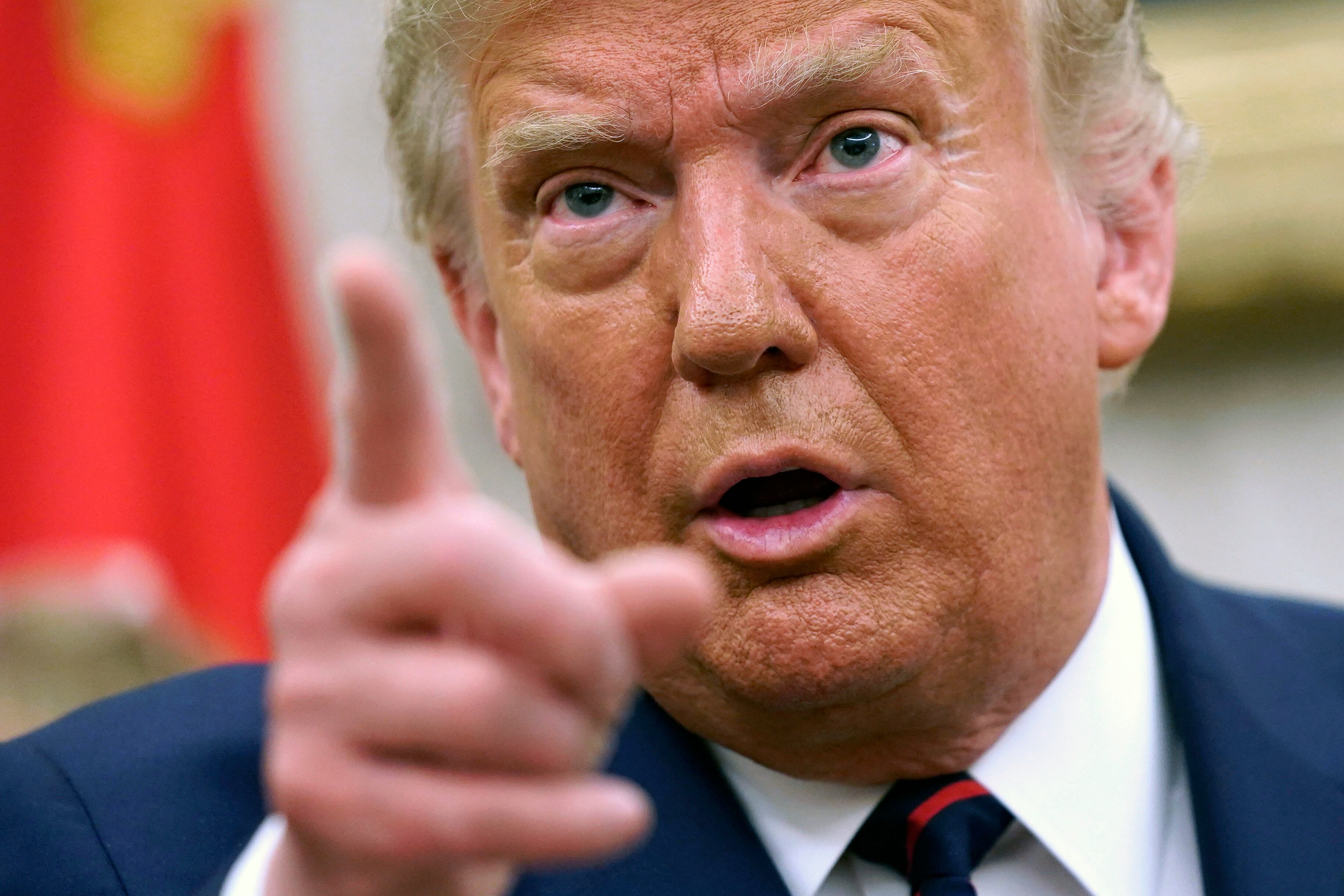
President Donald Trump is asking the Supreme Court to allow him to block critics from his personal Twitter account.
The new rule would tweak the Employee Retirement Income Security Act of 1974 (ERISA), which regulates the fiduciary duties of private plan managers.
Russian opposition leader Alexei Navalny is in a coma in a hospital in Siberia after falling ill from a suspected poisoning.
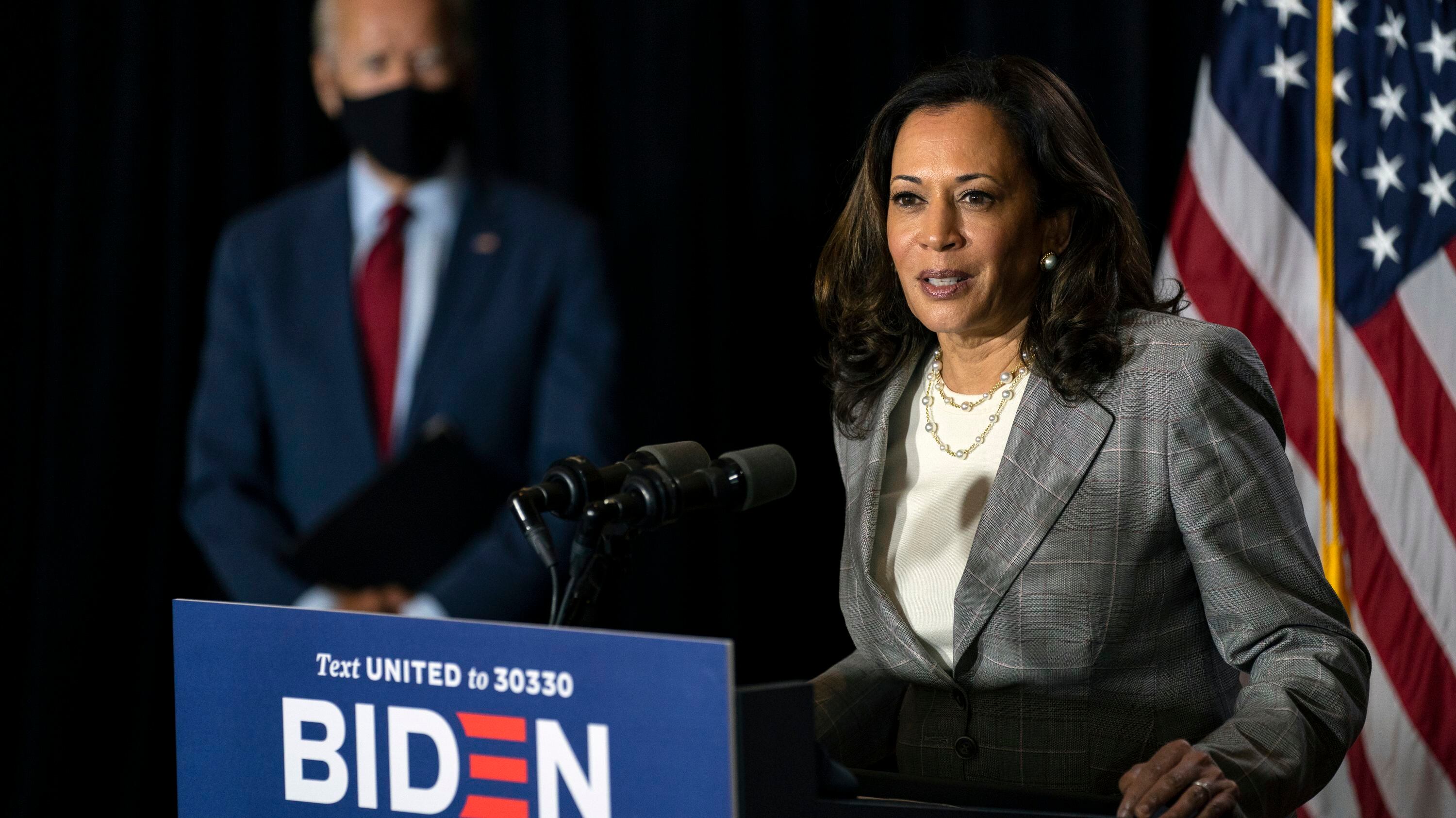
Kamala Harris is poised to make history as the first Black woman to accept a spot on a major party’s presidential ticket.
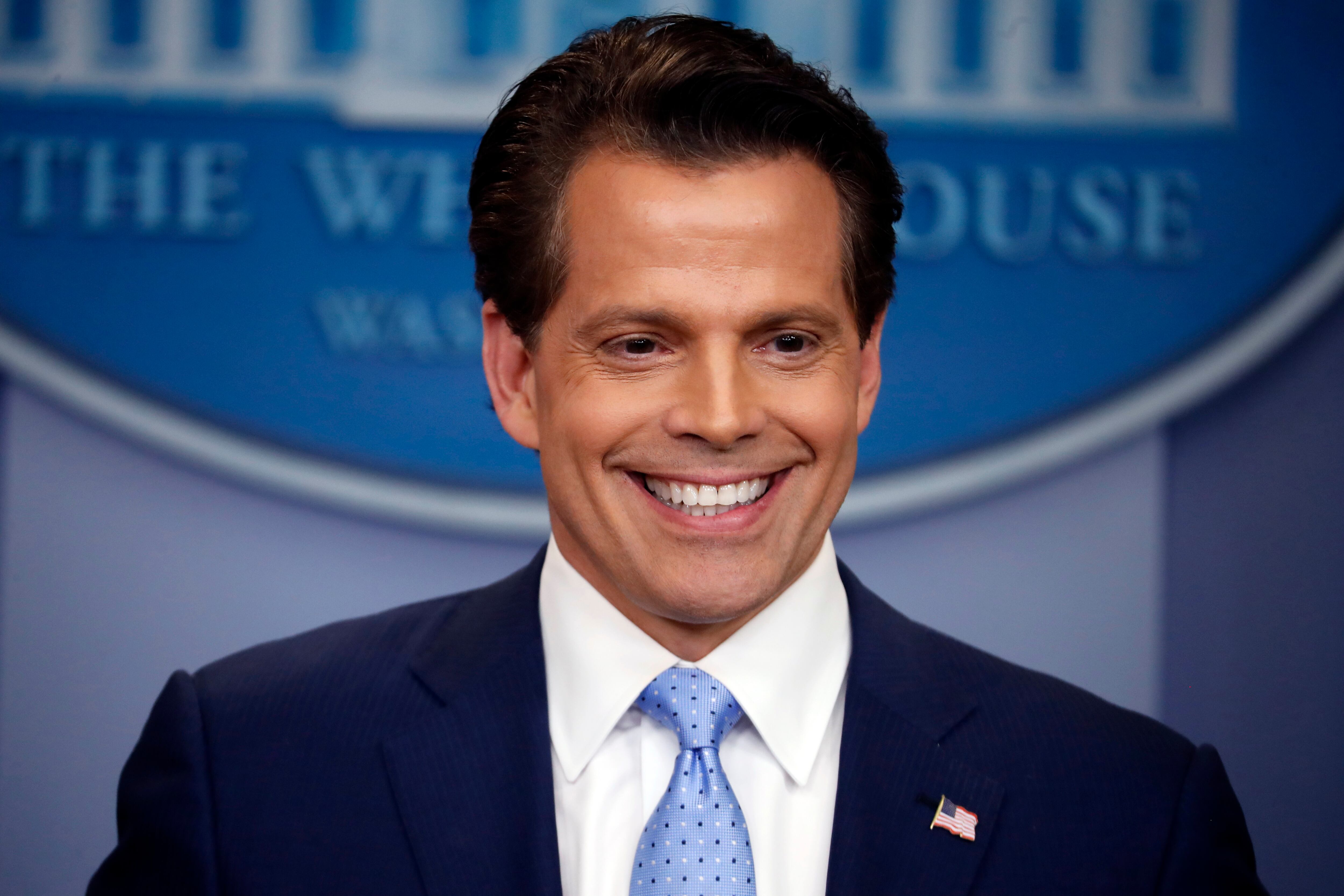
Hedge fund manager and former White House Communications Director Anthony Scaramucci joined Cheddar’s News Wrap Thursday evening with a warning about the current state of the S&P 500 index.
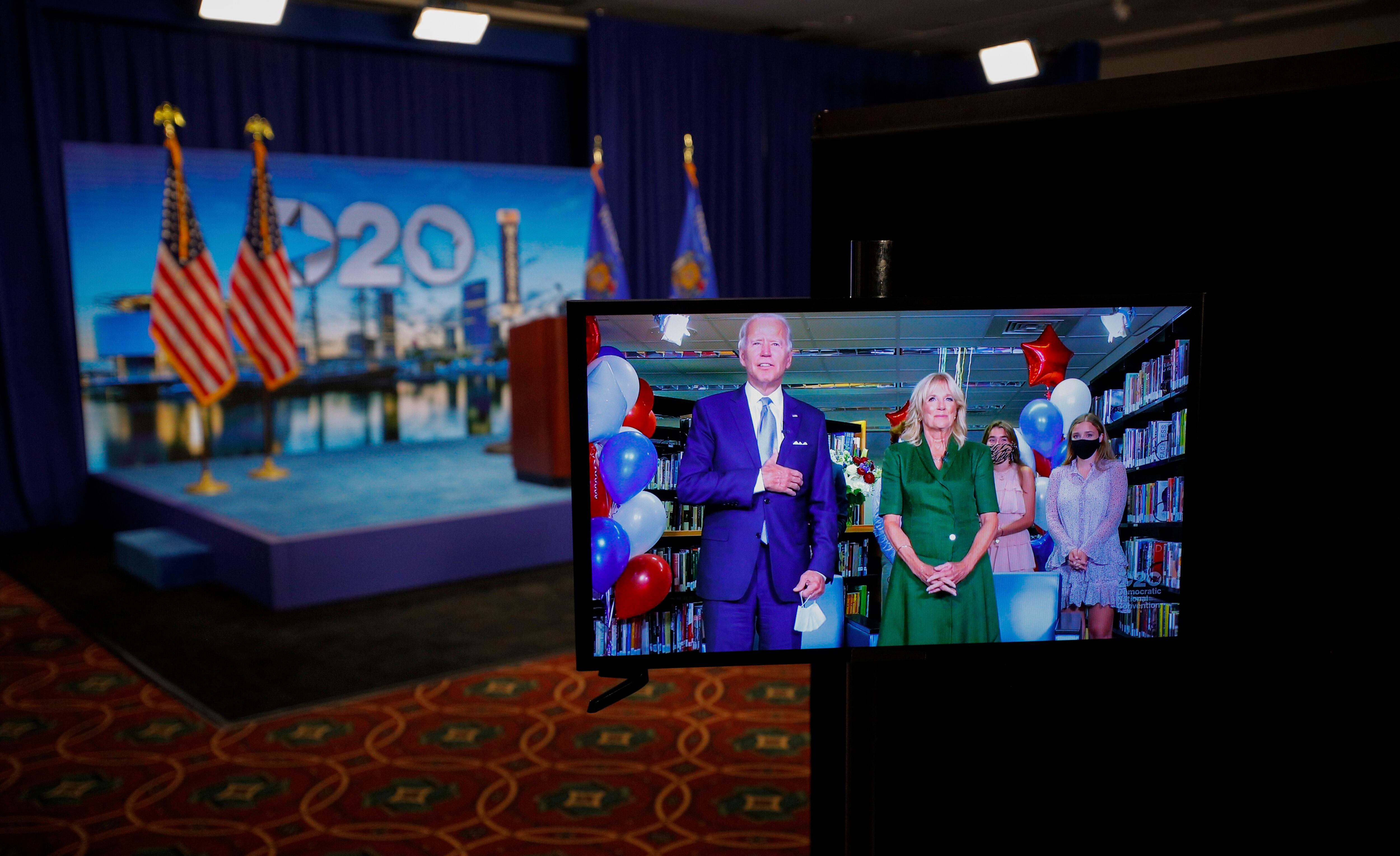
Democrats have formally nominated Joe Biden as their 2020 presidential nominee.