Rep. Joe Kennedy (D-MA) Talks Policy & Family Legacy
Congressman Joe Kennedy is a democrat who represents Massachusetts fourth district. His progressive policies and famous family name have thrust him into the spotlight after he gave the Democratic Party's official response to President Trump's State of the Union Address. Despite his opposition to the Commander in Chief, Rep. Kennedy believes Democrats who seek to lead the country need to be driven by what they are for rather than what they are against.
Congressman Kennedy believes there is bipartisan support for a sweeping infrastructure bill to fix America's roads and bridges, but worries how the price tag will impact the next generation of Americans. The plan put forth by the White House will cost $1.5 trillion.
As a 37-year-old congressman, Kennedy seeks to inspire millennial voters. Congressman Kennedy's message to young people: "Regardless of your political leanings, you've got to make your voice heard."
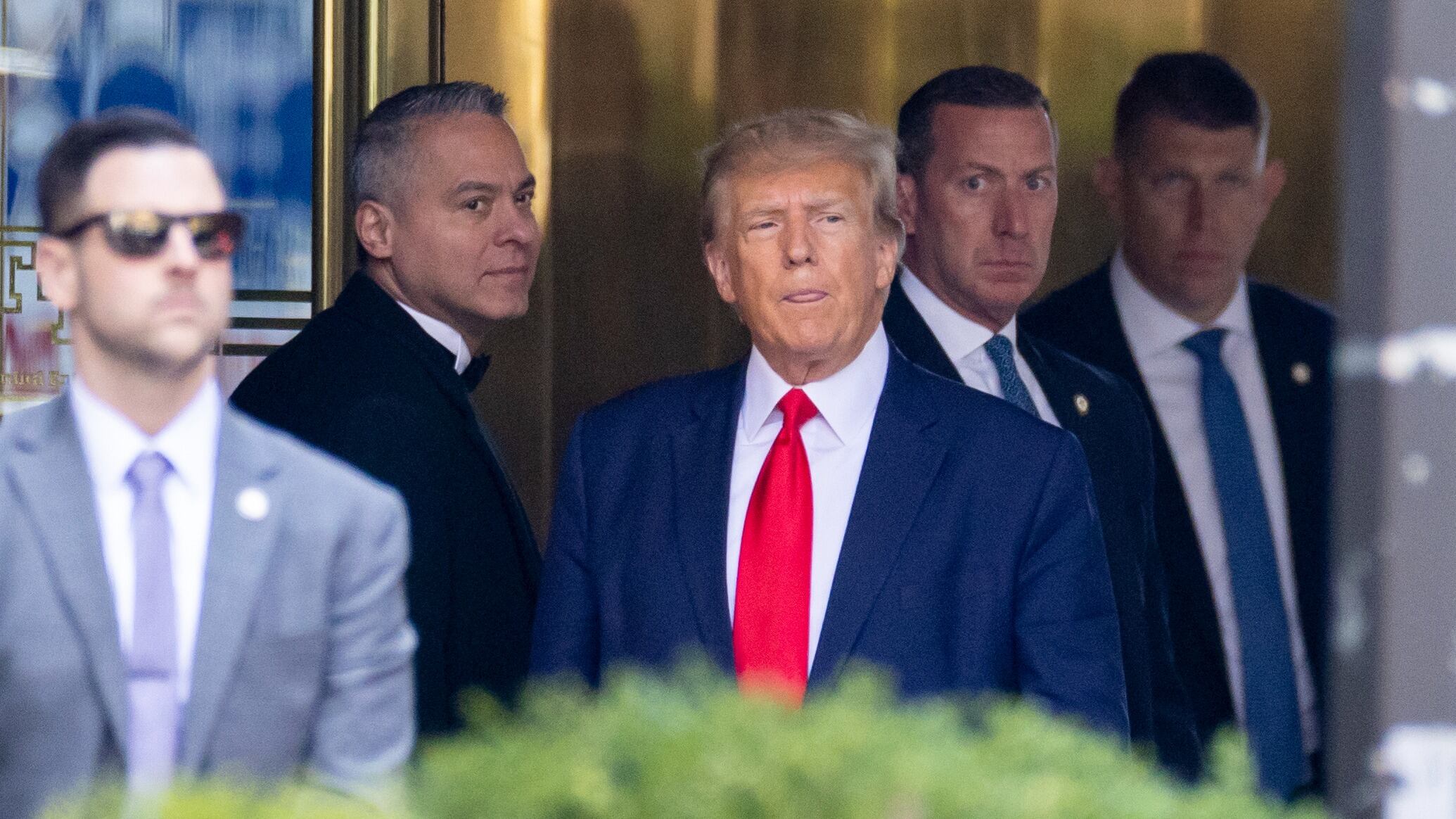
Former President Donald Trump answered questions for nearly seven hours Thursday during his second deposition in a legal battle with New York's attorney general over his company's business practices, reversing an earlier decision to invoke his Fifth Amendment protection against self-incrimination and remain silent.
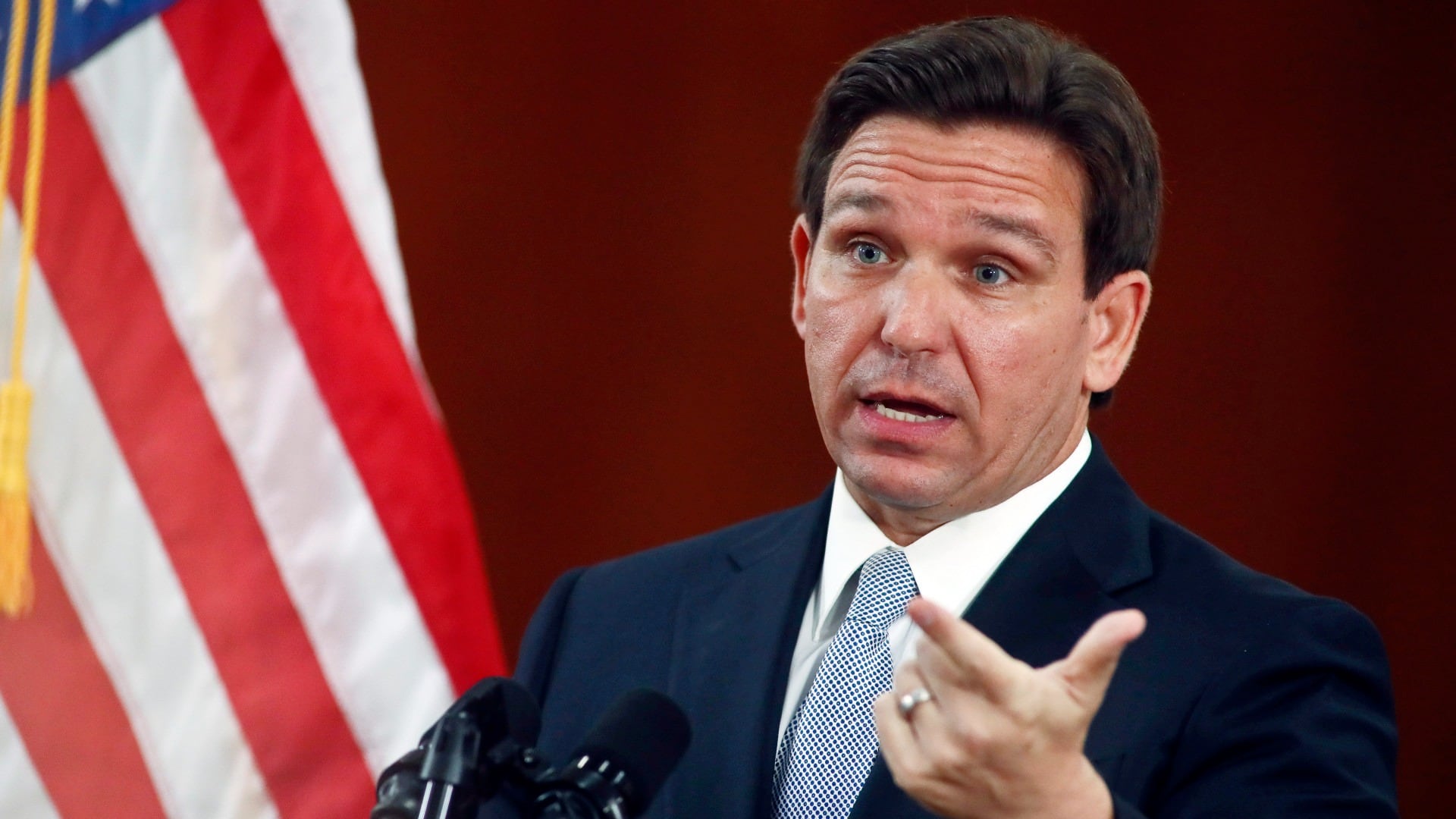
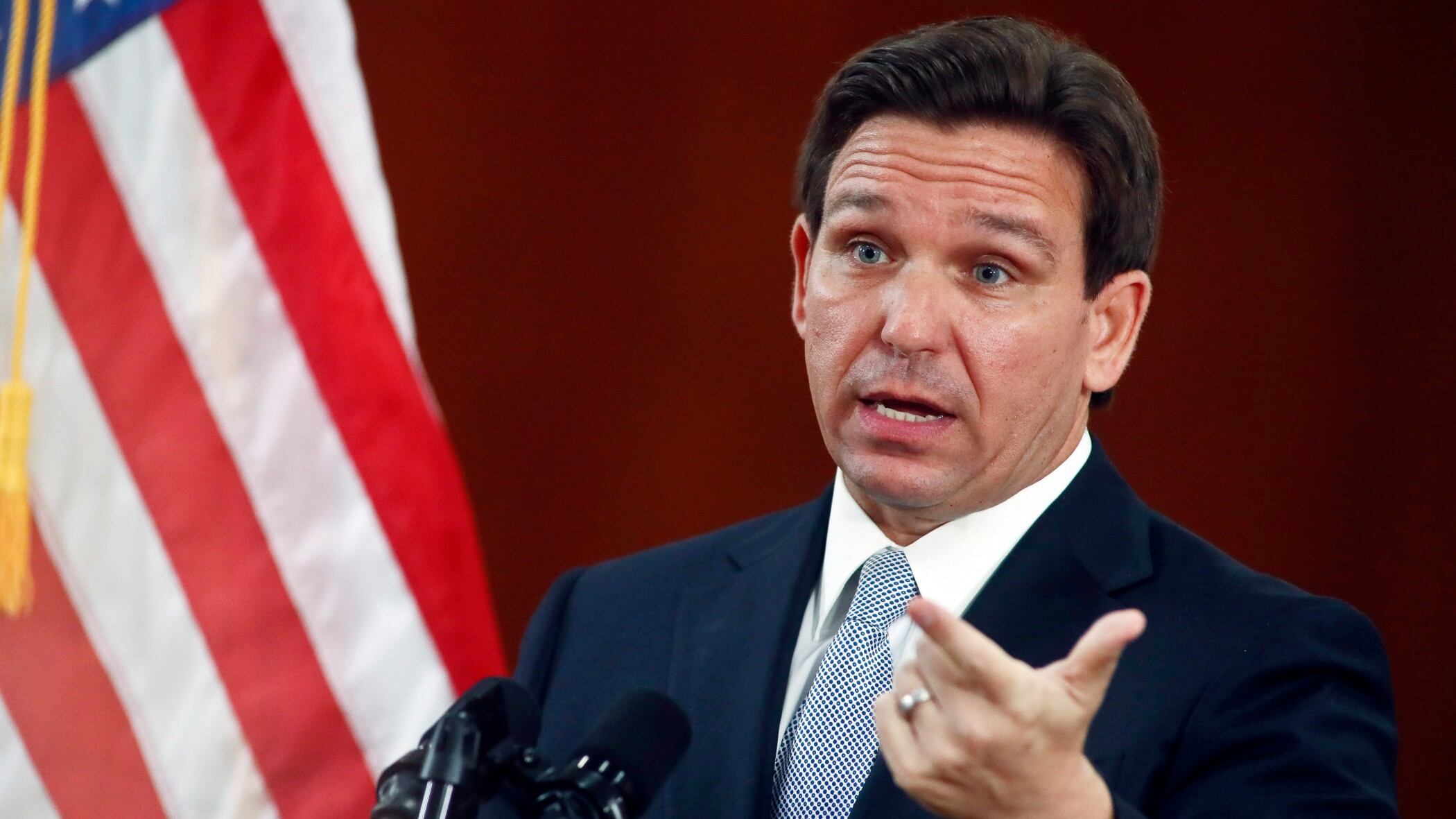
Republican Gov. Ron DeSantis has signed into law a bill approved by the Republican-dominated Florida Legislature to ban abortions after six weeks of pregnancy.
A federal appeals court has ruled that the abortion pill mifepristone can still be used for now but reduced the period of pregnancy when the drug can be taken and said it could not be dispensed by mail.
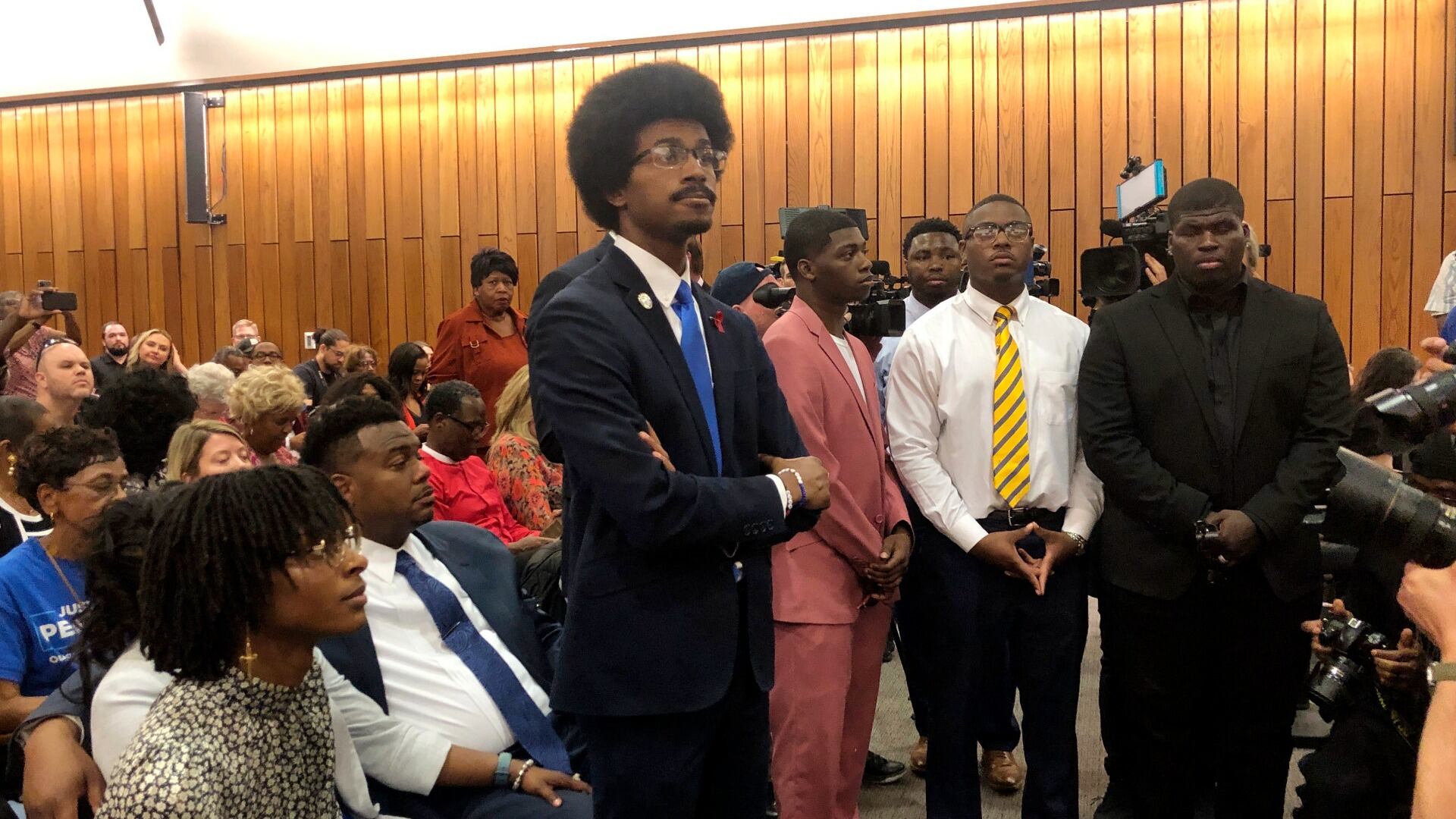
The second of two Black Democrats expelled from the Republican-led Tennessee House will return to the Legislature after a Memphis commission voted to reinstate him Wednesday.
Some abortion clinics are fielding lots of calls from patients since a court ruling last Friday threatened the availability of a main drug used in medication abortion, mifepristone.
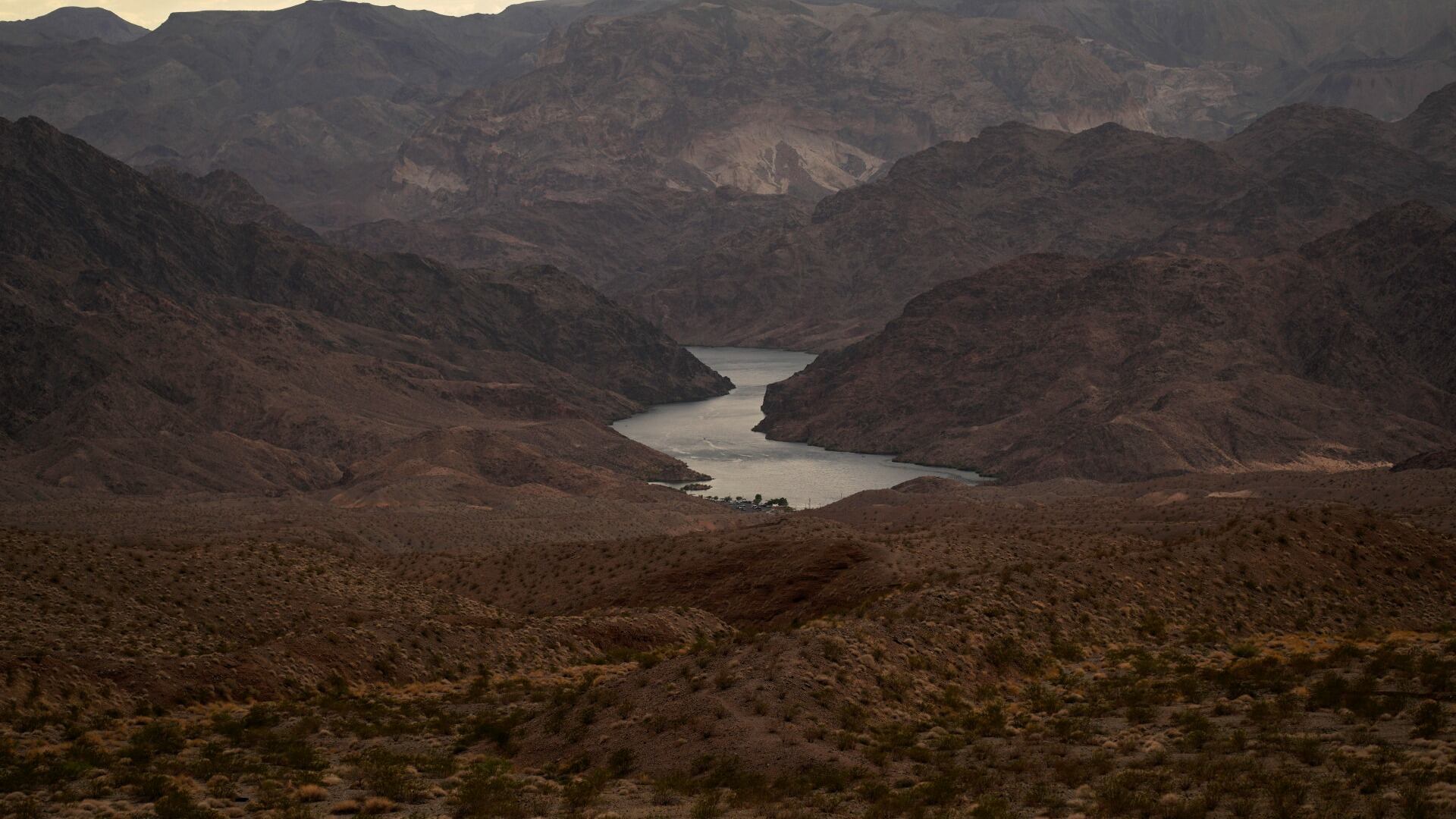
The Biden administration released an environmental analysis Tuesday that outlined two ways that seven Western states and tribes reliant on the over-tapped Colorado River could cut their use, but declined to publicly take a side on the best option.