Congressman Joaquin Castro (D-TX) is throwing his weight behind gun control, he told Cheddar in an interview Tuesday.
“I respect Second Amendment rights and people’s rights to own a gun, to protect themselves,” he said. “At the same time, I also believe that when we talk about things like semi-automatic weapons [and] bump stocks that make guns automatic, we ought to make sure that those aren’t just out there on the streets.”
His comments came after former Supreme Court Associate Justice John Paul Stevens penned a [New York Times](https://www.nytimes.com/2018/03/27/opinion/john-paul-stevens-repeal-second-amendment.html) op-ed in favor of a full-blown repeal of the Second Amendment, which he called a “relic of the 18th Century.”
While that view might be extreme, there does appear to be growing demand for gun reform in the country. The sentiment was highlighted at last weekend’s March For Our Lives rallies, which drew in hundreds of thousands of people across the country. Castro said that placed palpable pressure on legislators to act.
“It’s clear that the young people are not going away...They’re going to be very persistent on this issue,” said Castro.
And plenty of activists were out in force to make sure Saturday’s marchers will stay involved through the November elections.
“There’s a group called Move San Antonio that does wonderful work all over town registering people, and they were very active at the rally,” Castro said.
Whether those efforts will turn the historically red Texas blue remains to be seen. Castro says Democrats have a chance, but it will be “an uphill battle.”
“We always rank near the bottom in terms of voter participation,” explained Castro. “Texas hasn’t elected a Democrat [Senator] since the mid-1990s, and it’s an expensive state to run in.
“But we are getting stronger. We’ve got good candidates, and I think we have a chance of breaking through.”
For the full interview, [click here](https://cheddar.com/videos/rep-joaquin-castro-d-tx-wants-to-see-eye-to-eye-with-all-constituents).
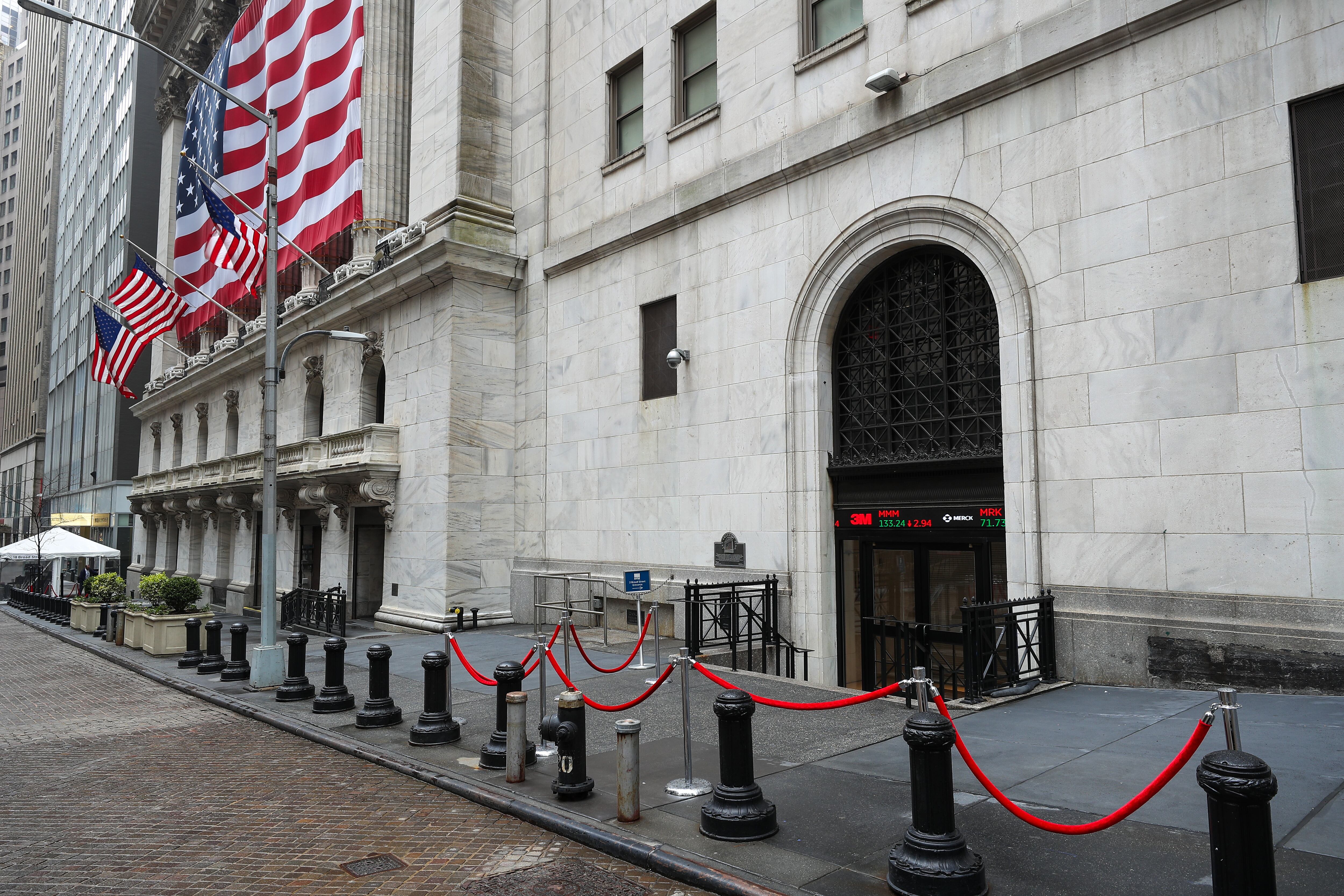
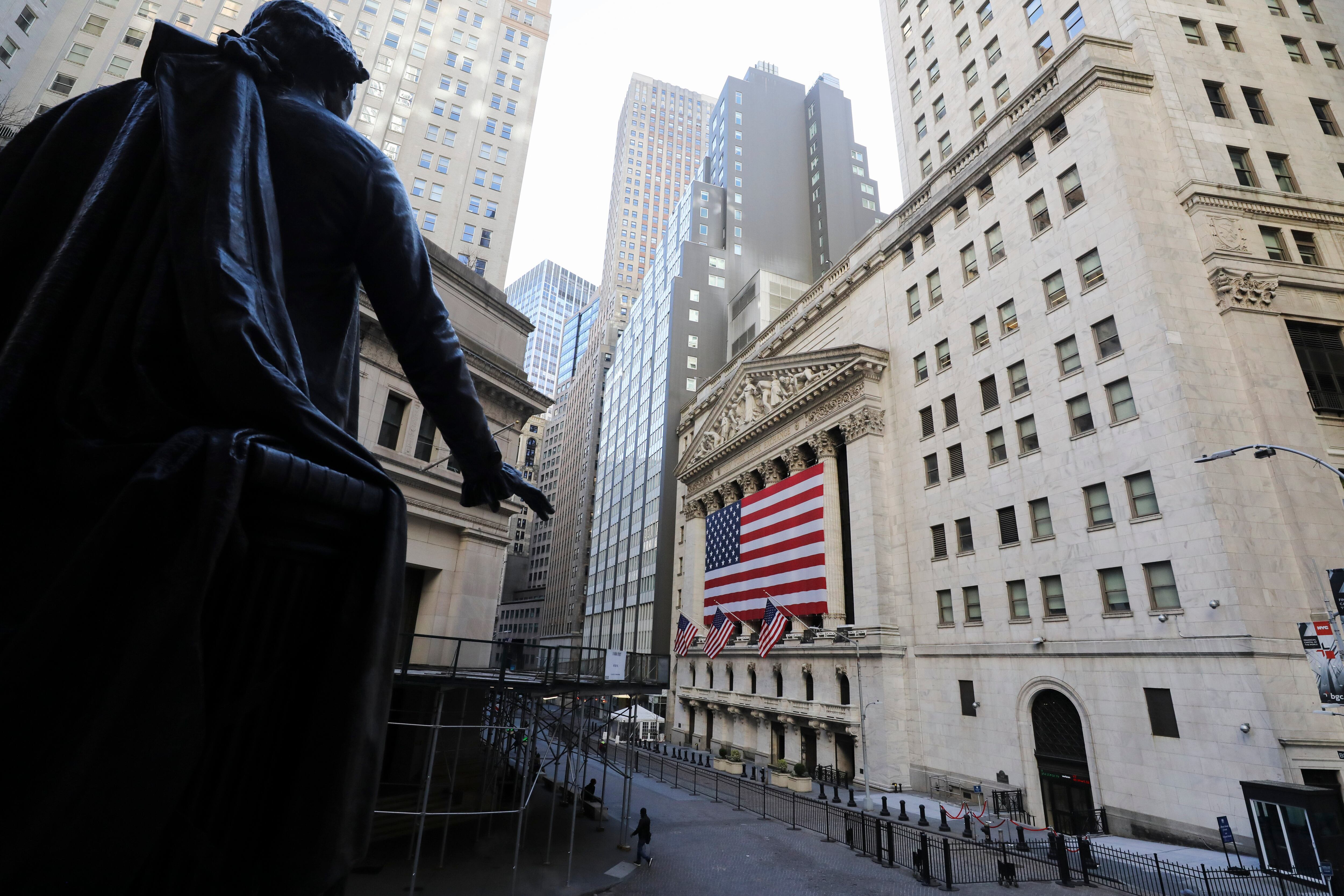
Stocks are inching higher on Wall Street Monday in more volatile trading as investors try to assess whether global authorities can do enough to nurse the economy through the damage caused by the coronavirus outbreak.
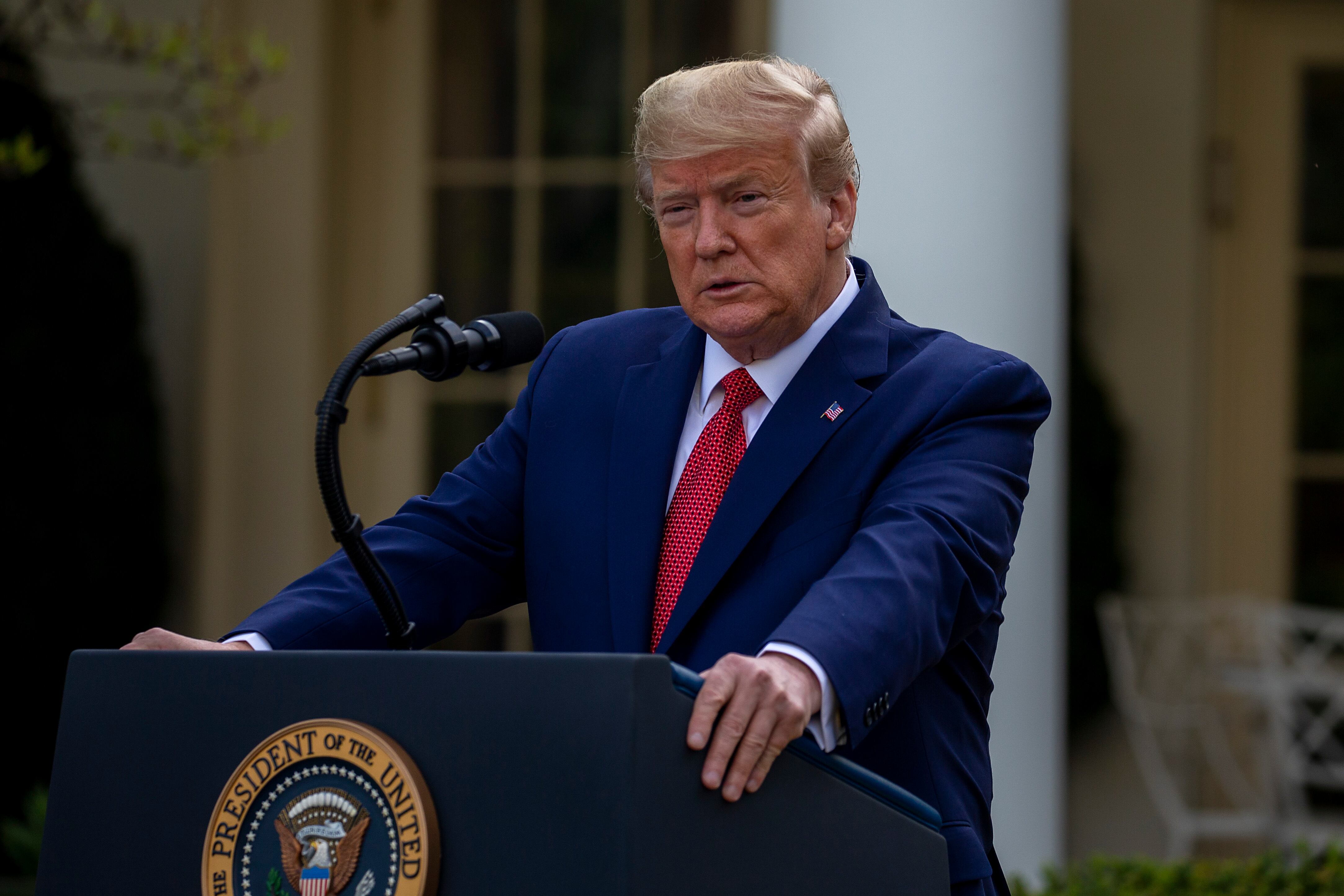
Bracing the nation for a coronavirus death toll that could exceed 100,000 people, President Donald Trump extended restrictive social distancing guidelines through April, bowing to public health experts who presented him with even more dire projections for the expanding coronavirus pandemic.
Trump said that the order will “require General Motors to accept, perform, and prioritize Federal contracts for ventilators." In a statement, he said the contracting process with the automaker was not moving quickly enough.
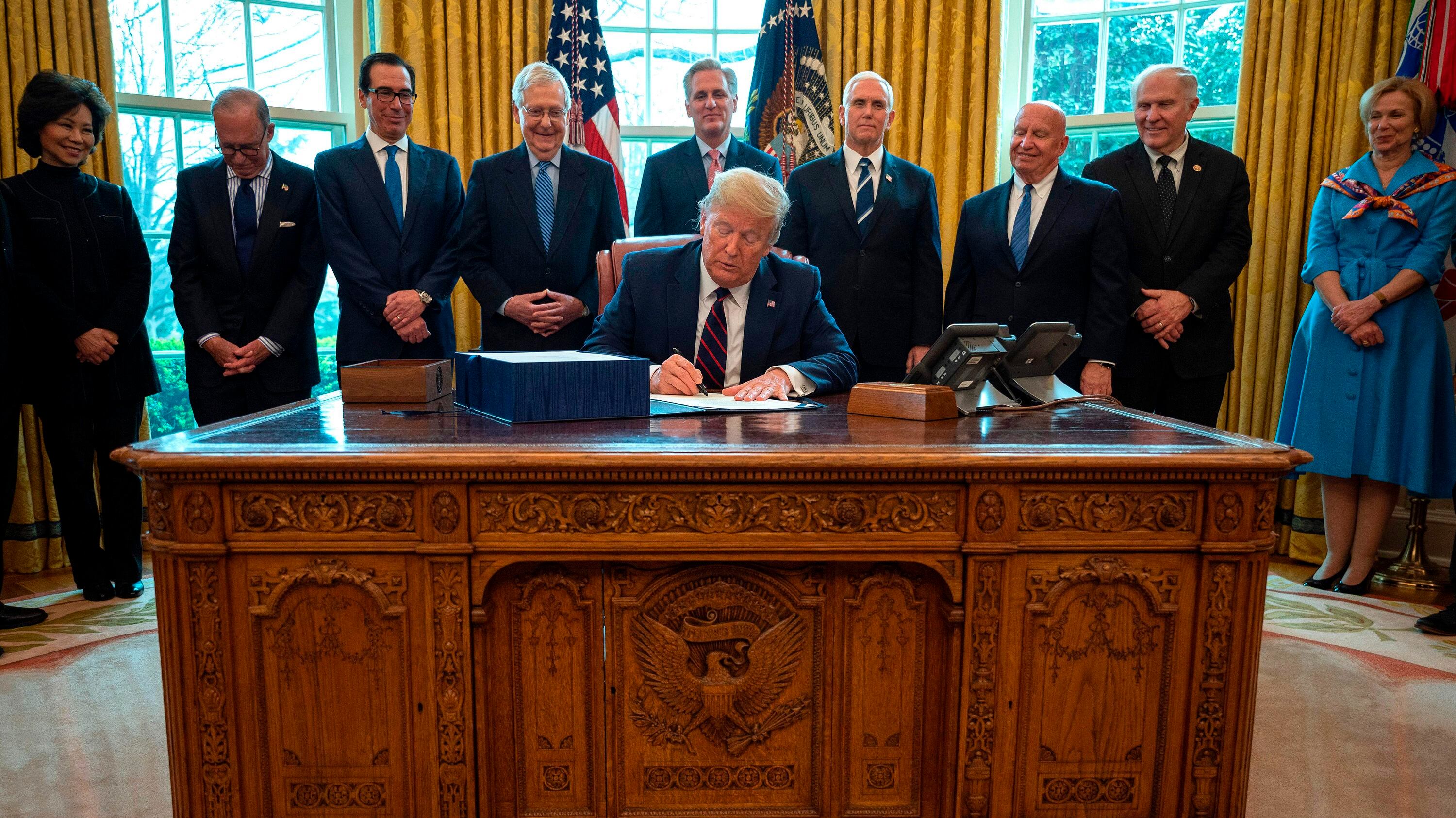
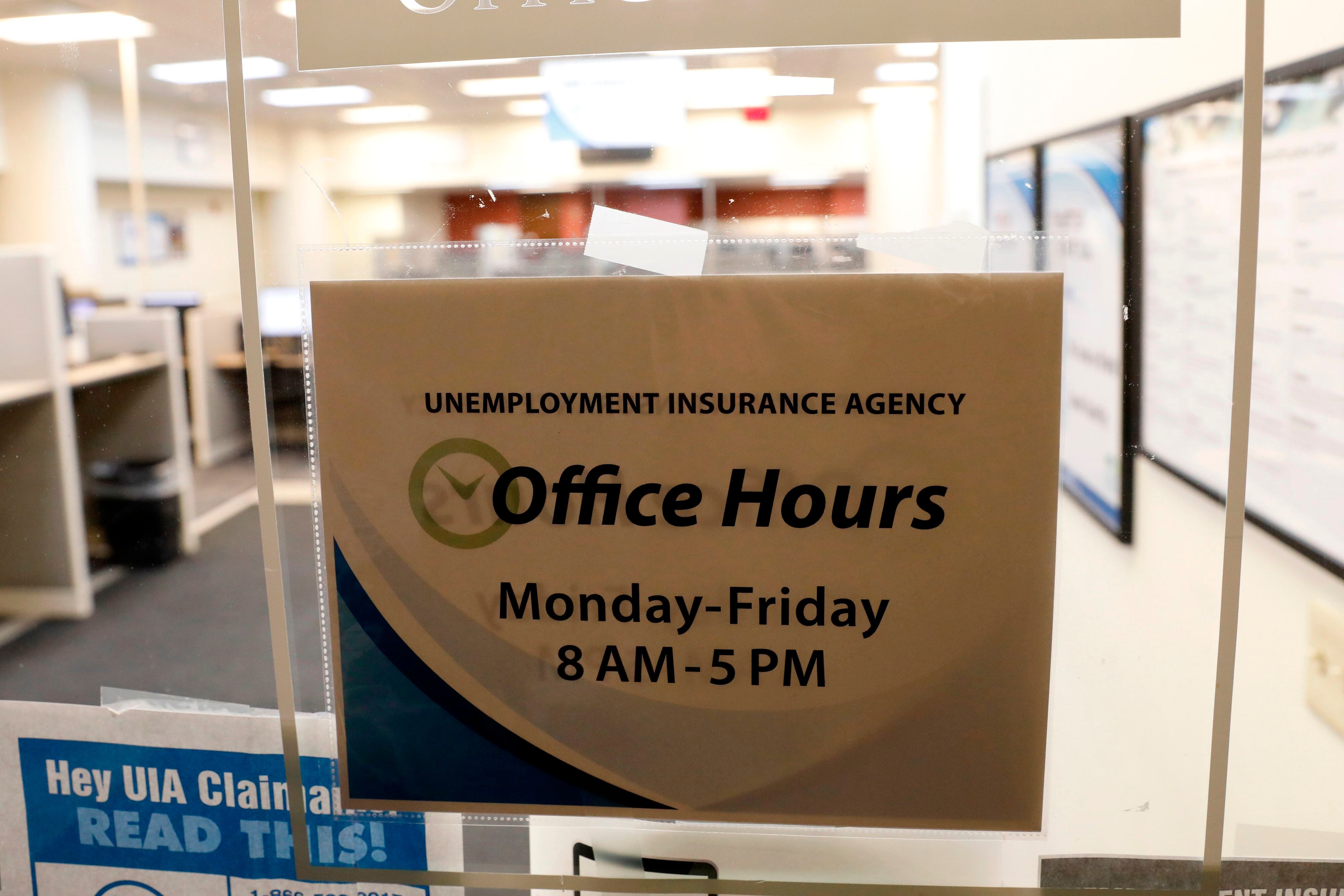
President Donald Trump has signed an unprecedented $2.2 trillion economic rescue package into law, after swift and near-unanimous action by Congress this week.
From Wall Street to Silicon Valley, these are the top stories that moved markets and had investors, business leaders, and entrepreneurs talking this week on Cheddar.
Stocks are moving lower on Wall Street as the market gives back some of the gains it piled up over the past three days. Major indexes are down more than 2% in afternoon trading Friday.
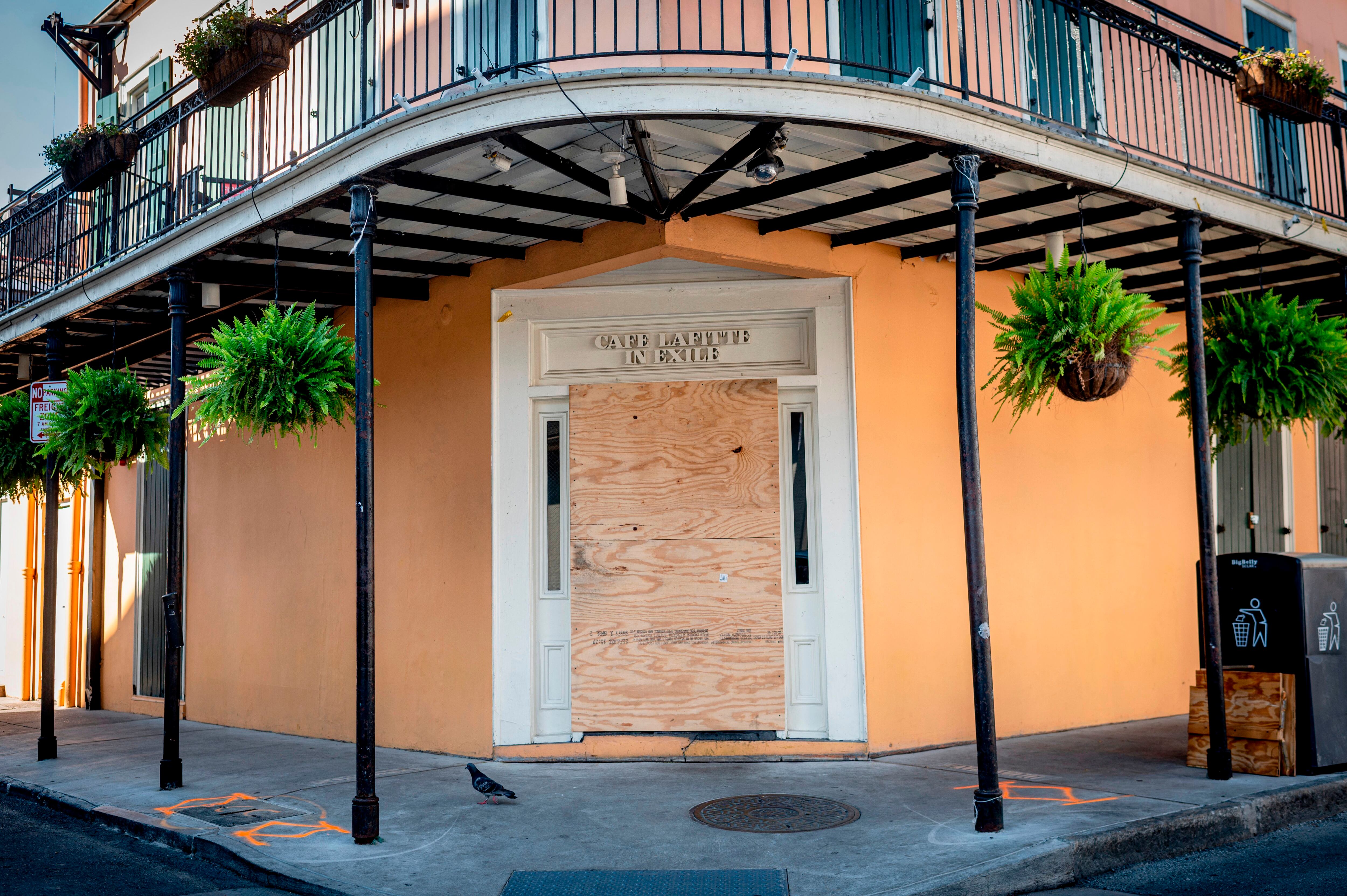
Restaurants are getting creative with private solutions as they hope to continue doing business, even while most of them are physically closed to the public, but the potential for saving most of these businesses may be a long shot.
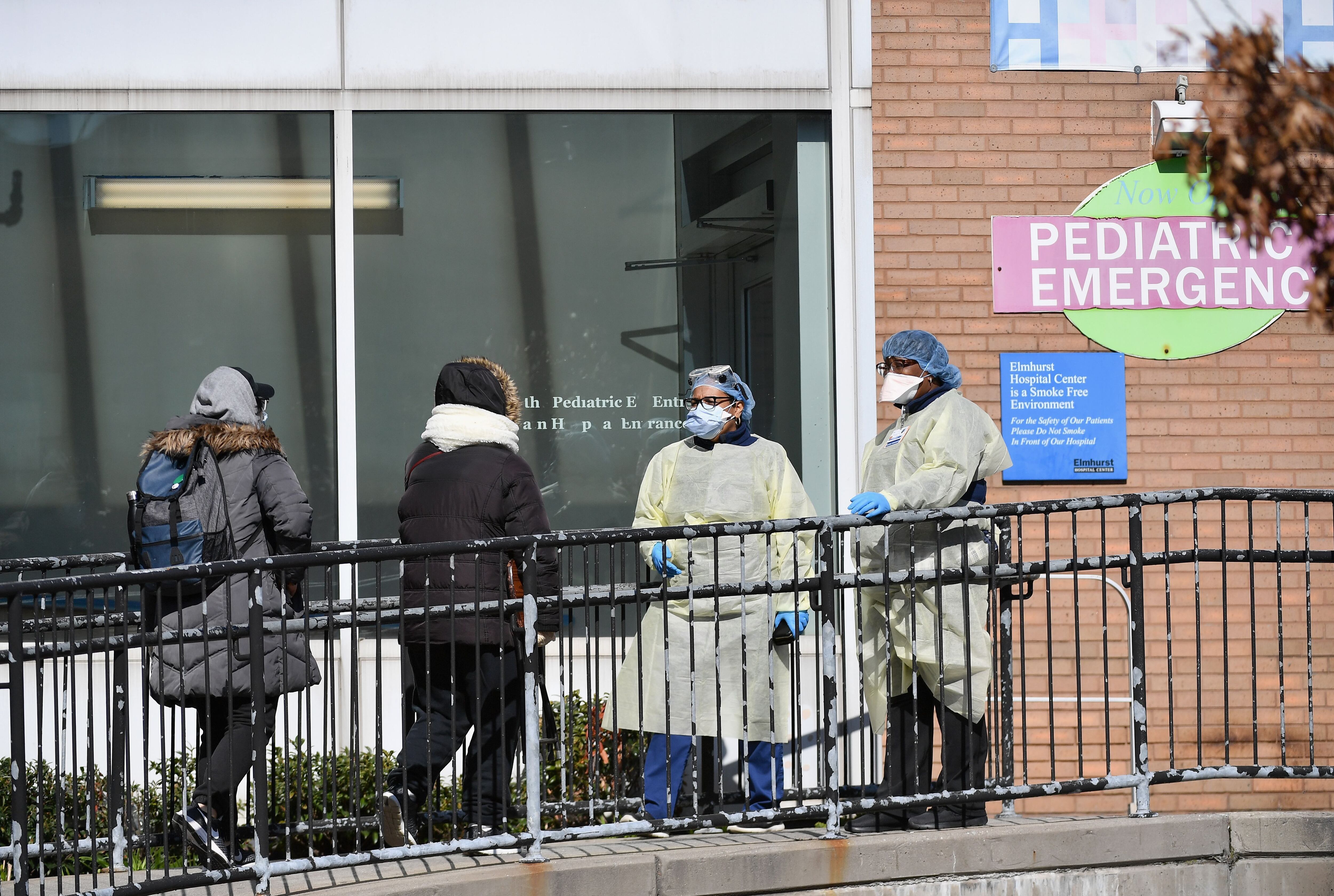
Healthcare workers have launched their own campaigns for gathering personal protective equipment as they fight the coronavirus on the frontlines, with #GetUsPPE trending across social media.
The House of Representatives overwhelmingly passed the $2.2 trillion coronavirus aid package Friday afternoon, but what was expected to be a smooth confirmation process devolved into a mad dash in the Capitol after one of the House’s own threatened to derail the vote with a procedural objection.
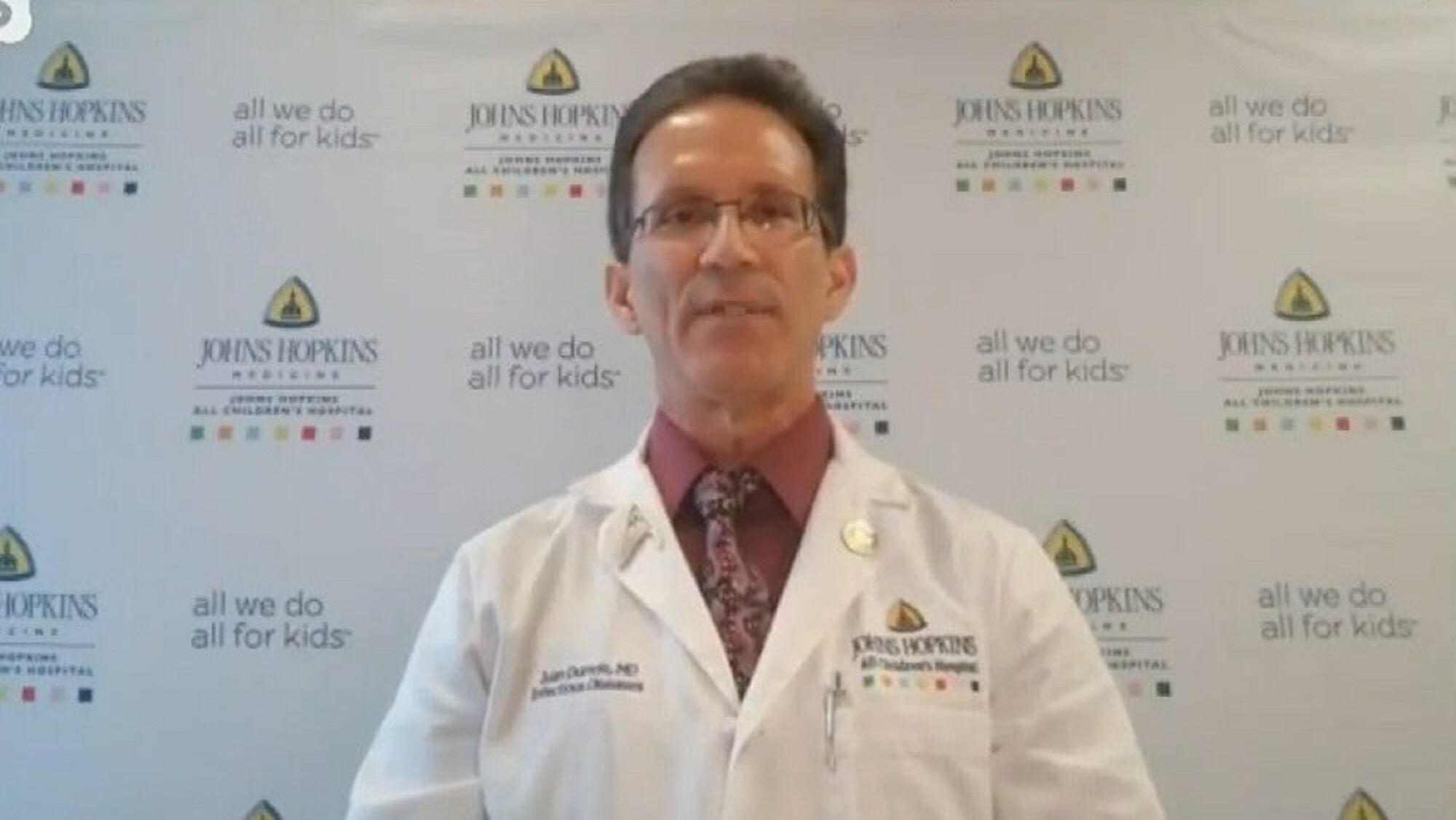
Despite President Donald Trump’s call to put the economy back to work by Easter, one Johns Hopkins physician says there may have to be “variability” in when states and cities restart their economies.