Congresswoman Debbie Dingell represents Michigan's twelfth district. She invited Cindy Garcia as her guest to President Trump's first State of the Union. Due to the Trump administration's immigration crackdown, Garcia's husband Jorge was deported to Mexico after living in America for 30 years.
Congresswoman Dingell brought Garcia in order to place a human face on families torn apart by Trump administration policies. She says now, more than ever, comprehensive immigration reform is a necessity.
"It's a living nightmare," Garcia said of her husband's deportation. "It's like dealing with death, except you never get to bury a body." She understands America's immigration system is broken, but is urging reform so no more families are torn apart like hers. Garcia's message to other immigrants struggling: stay strong, stay positive, there is a solution on the horizon.
Dr. Beth Cameron, who is currently vice president of global biology programs at the Nuclear Threat Initiative, was previously a senior director in the White House pandemic office under the National Security Council.
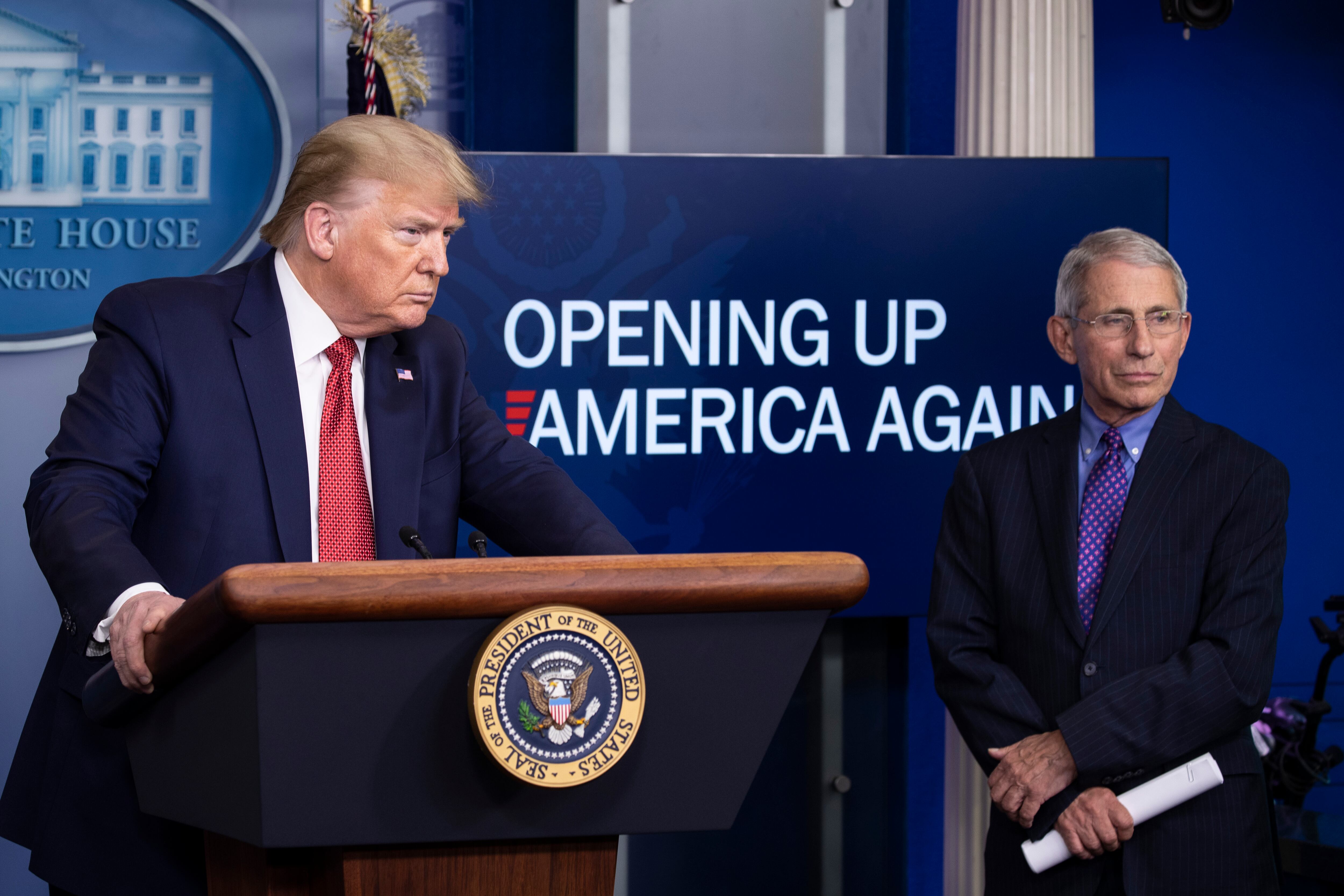
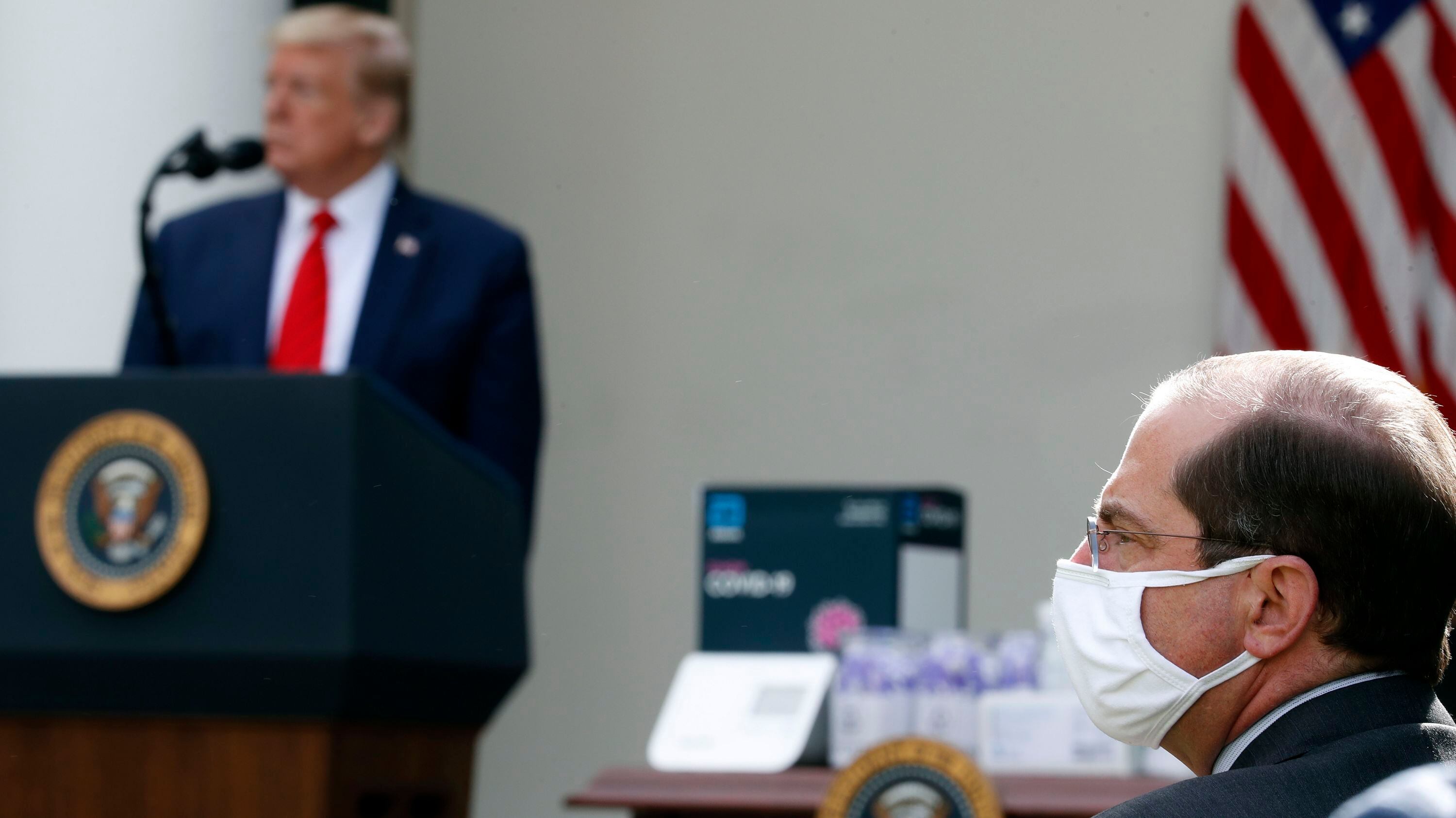
The White House is requiring everyone who enters the West Wing to wear a mask or face covering.
Tesla CEO Elon Musk confirmed on Twitter Monday that the company has restarted its California factory in violation of local government orders.
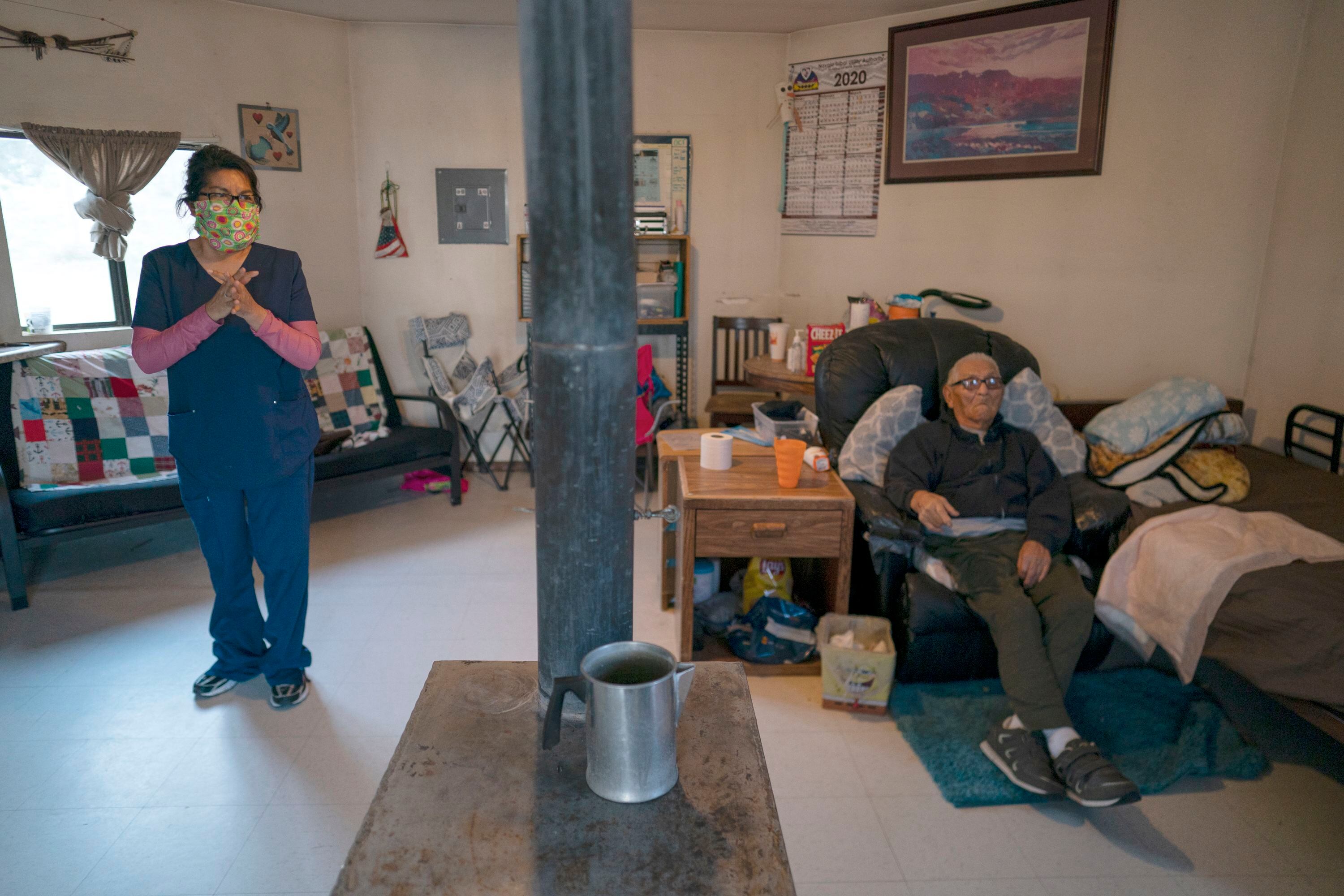
The Navajo reservation spans three western U.S. states and has some of the highest rates of coronavirus in the country. With roughly 175,000 people living there, the tribe has seen 3,122 cases. At least 100 people have died.
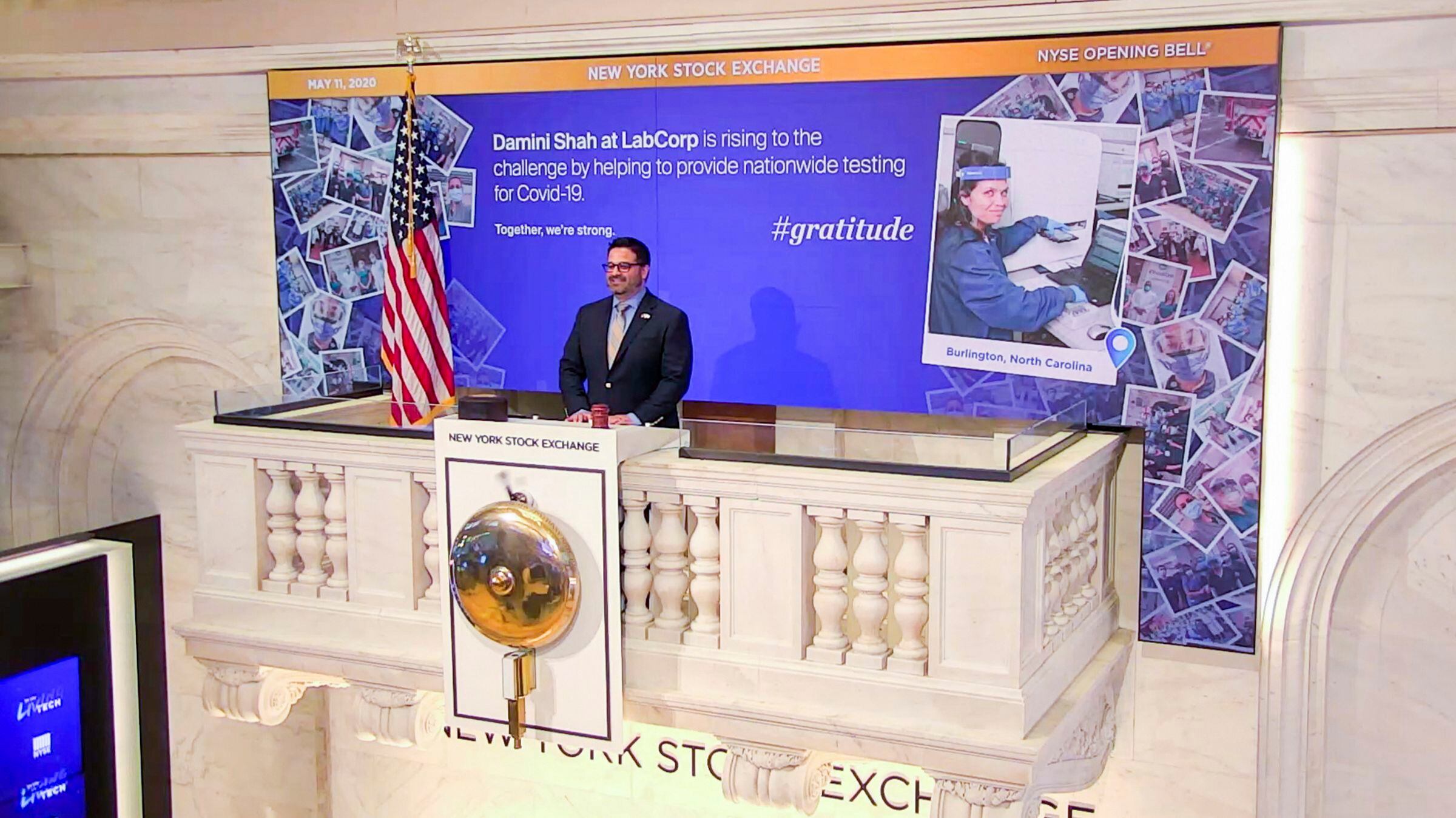
Stocks are dipping in early trading on Wall Street Monday and giving back some of the strong gains made last week.
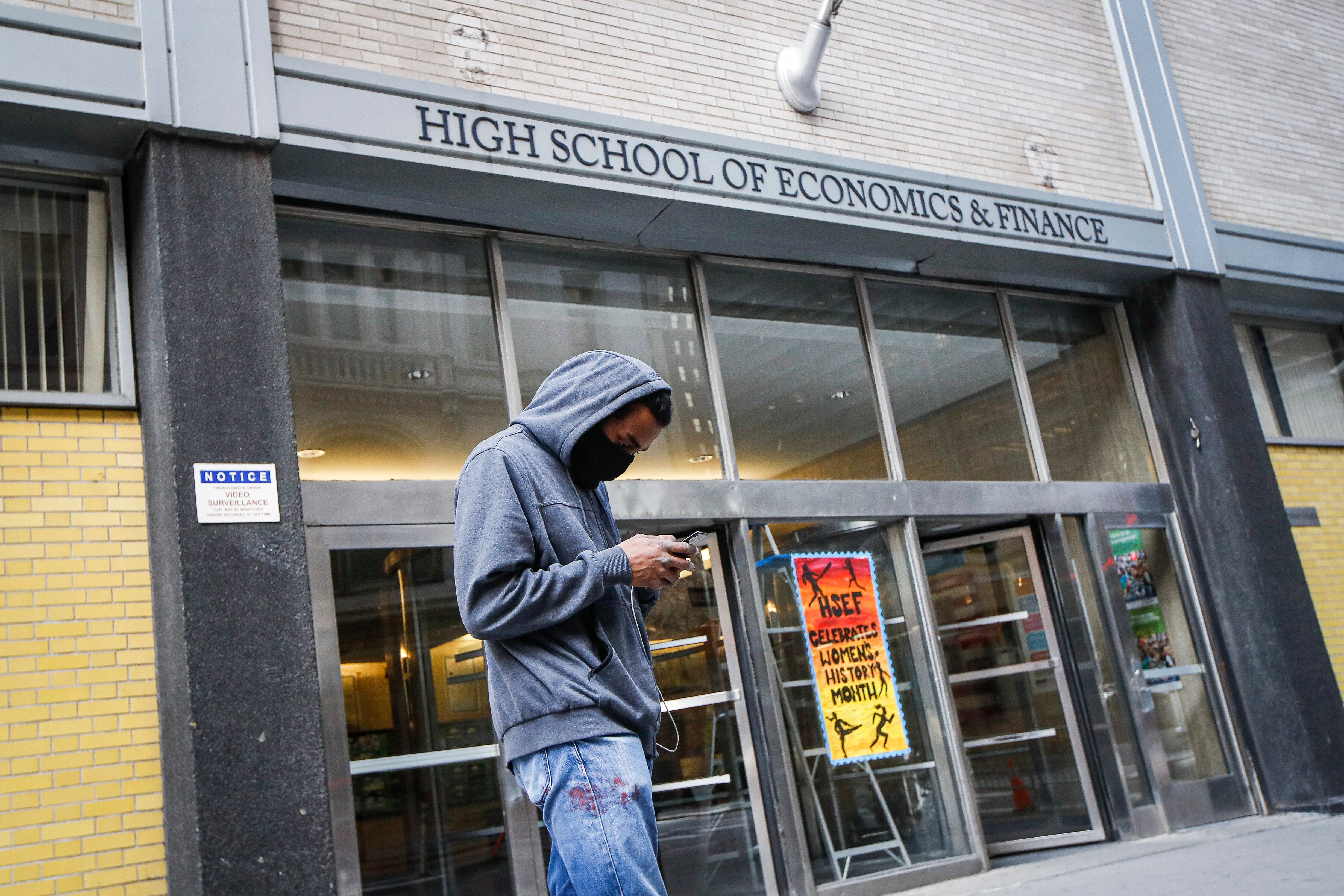
Coronavirus has forced New York City teachers to fundamentally change how they educate students. Now they're fighting for their own vision of how and when schools should reopen.
From Wall Street to Silicon Valley, these are the top stories that moved markets and had investors, business leaders, and entrepreneurs talking this week on Cheddar.
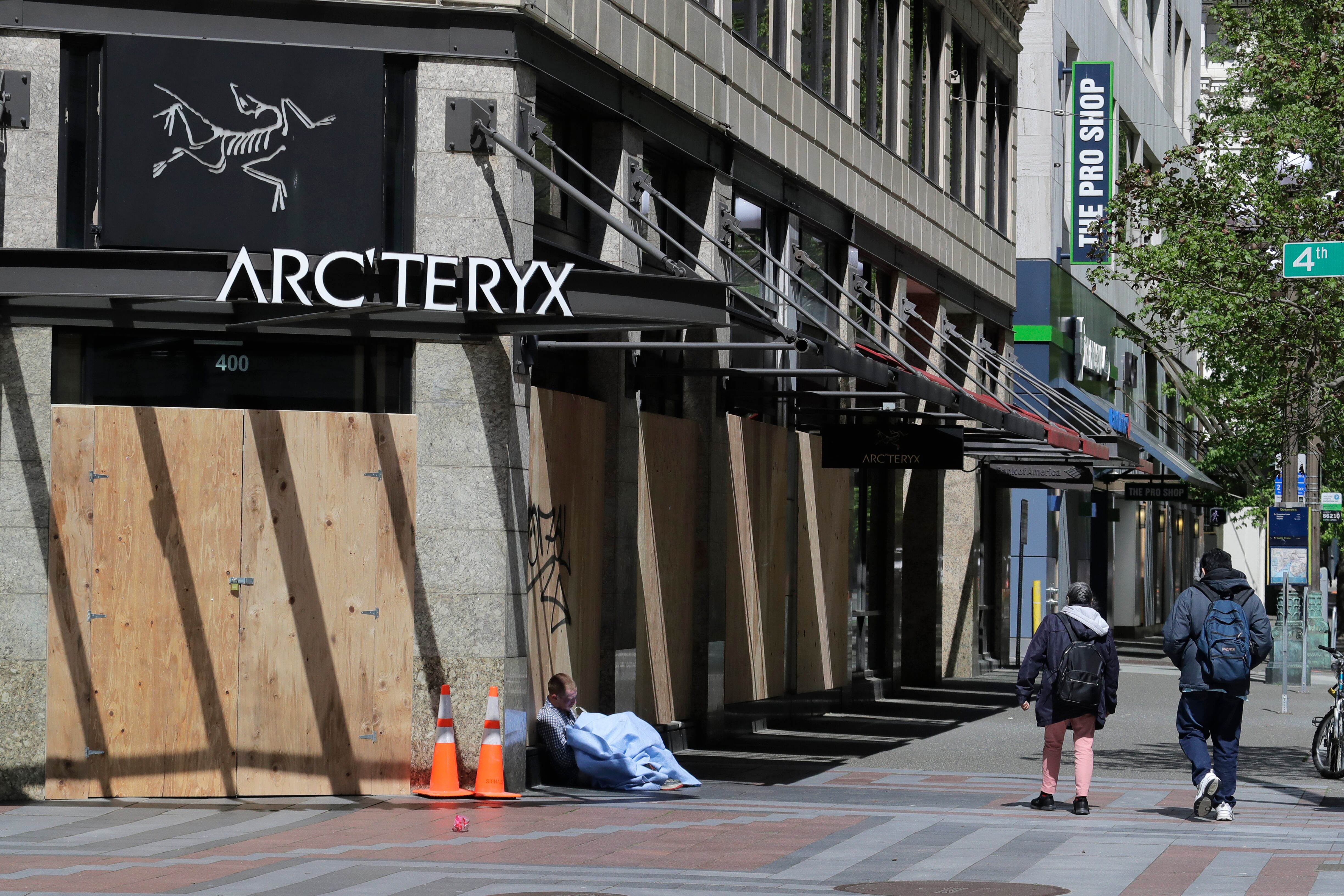
Businesses from coast-to-coast were forced to closed their doors when the coronavirus outbreak arrived in the U.S. Practically overnight, 33 million Americans (so far) suddenly lost their livelihoods. Cheddar is speaking to some of these workers who have found themselves unexpectedly unemployed in today's turbulent environment.
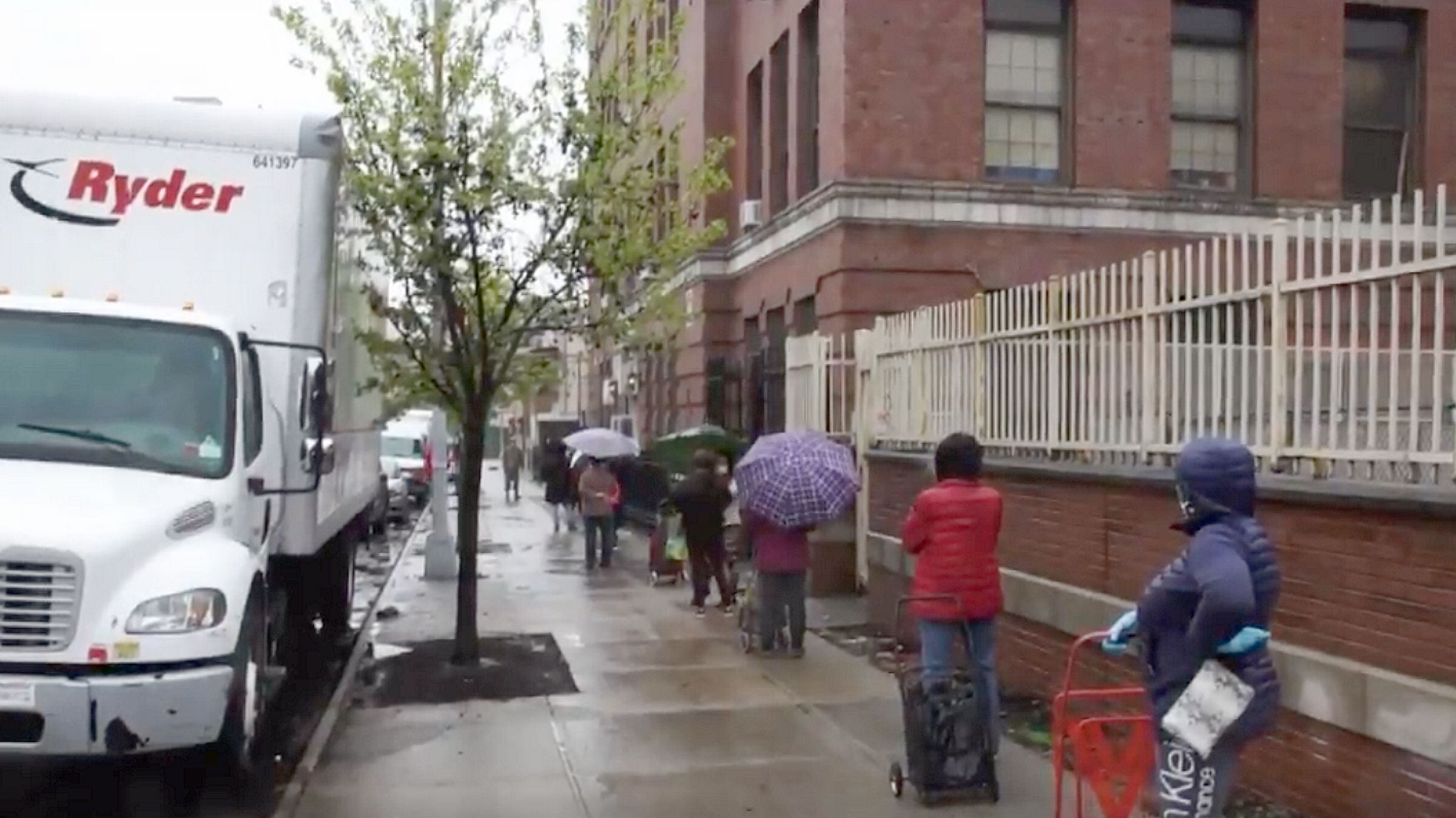
Unprecedented pressure from the coronavirus pandemic has forced the closure of roughly 35 percent of food pantries in New York City, just as the number of residents facing food insecurity has surged by about 800,000 to two million.
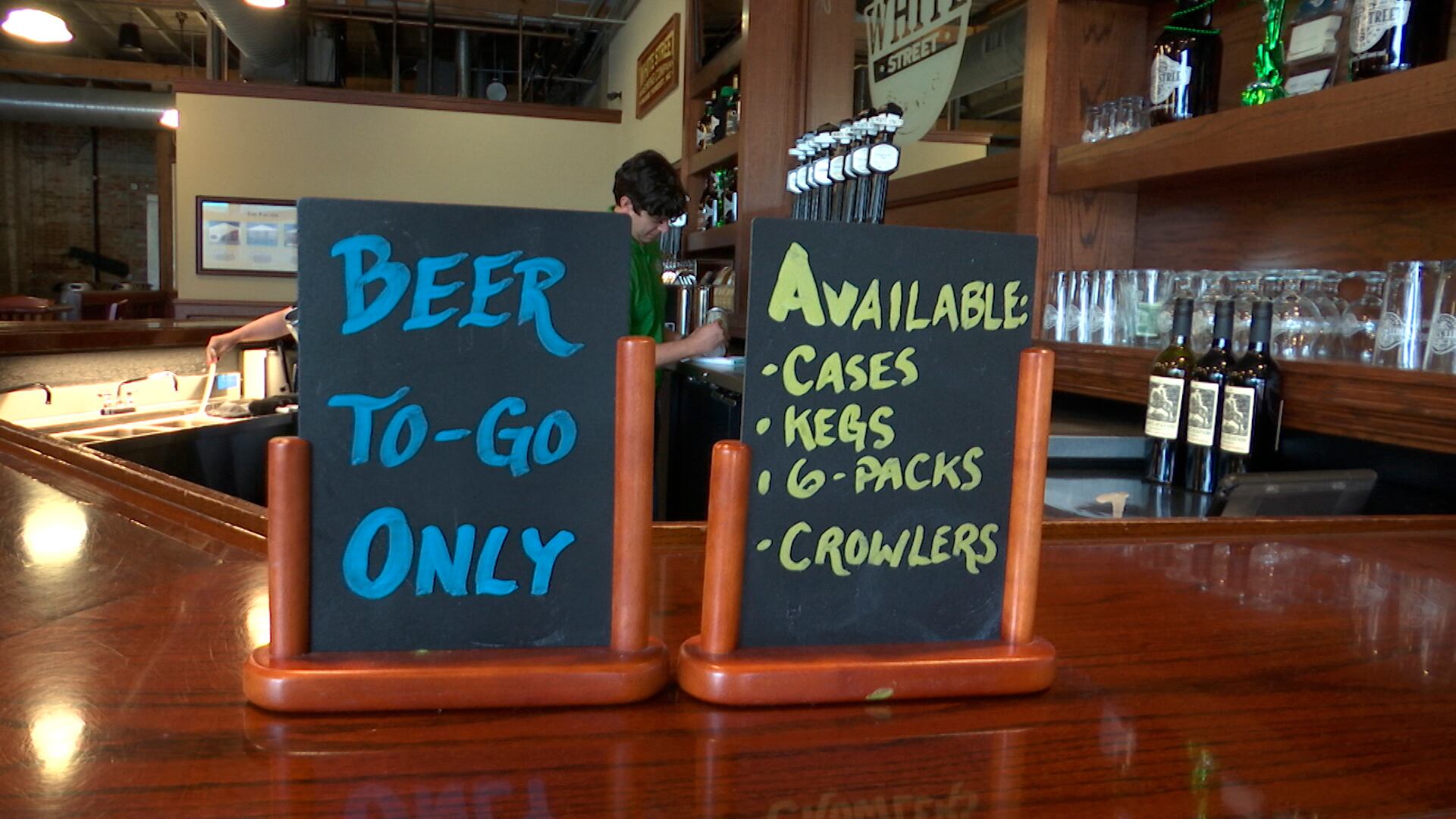
To restaurants and bars struggling to stay open for food delivery and pick-up, the ability to add high-margin cocktails and mixed drinks to the check has provided a crucial revenue stream.