Democratic U.S. Rep. Joe Cunningham speaks to the media and supporters during his Election Night partyTuesday, Nov. 3, 2020, in Charleston, S.C. (AP Photo/Mic Smith)
Today was the second time Representative Joe Cunningham (D-S.C., 1st District) tried to bring some brews onto the hallowed floors of the House.
This time he prevailed, despite the rules against it.
Cunningham, the freshman Democrat who lost his reelection bid this November, made a toast on the floor to bipartisanship, stating, "We have to sit down and listen to each other, and maybe even have a beer."
"In the spirit of bipartisanship and cooperation," he said, reaching into his jacket pocket for the contraband, "I raise this glass to my colleagues, both Democrats and Republicans."
The beer was a local brand called Joint Resolution by DC Brau, not from the variety six-pack of Charleston, South Carolina, beers the congressman tried to bring on the Hill to distribute to a colleague back in 2019, according to The Post and Courier.
Cunningham served only one term, losing to Republican Nancy Mace. He had touted his bona fides as the fourth most bipartisan representative who even had two of his bills signed into law by President Donald Trump, The Hill reported.
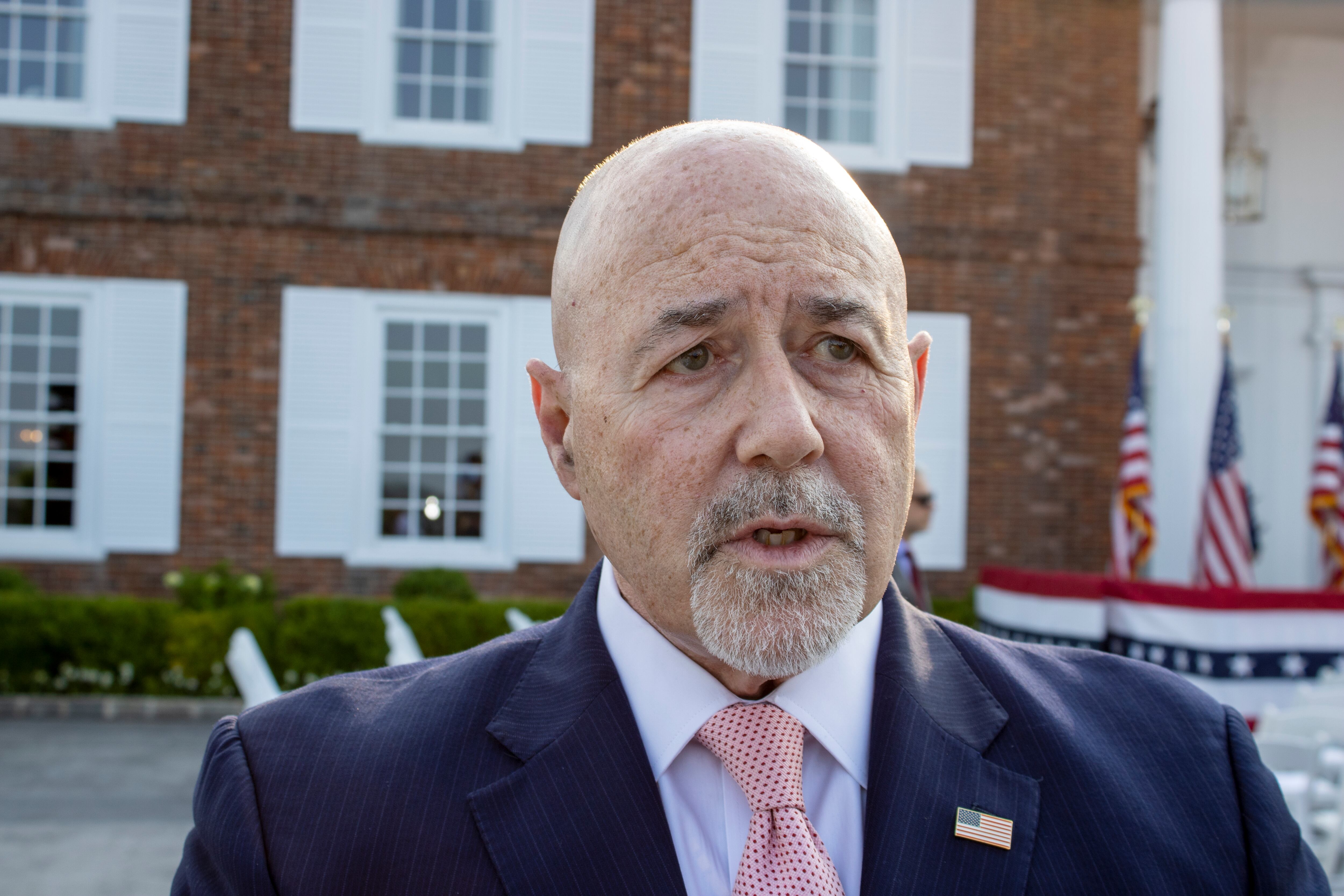
The lawyer for former NYPD commissioner Bernard Kerik turned over thousands of pages and documents to a special counsel as part of an investigation into Kerik's alleged involvement to overturn the results of the 2020 election.
Israel’s parliament on Monday approved the first major law in Prime Minister Benjamin Netanyahu’s contentious plan to overhaul the country’s justice system, triggering a new burst of mass protests and drawing accusations that he was pushing the country toward authoritarian rule.
North Korea fired two short-range ballistic missiles into its eastern sea, South Korea’s military said Tuesday, adding to a recent streak in weapons testing that is apparently in protest of the U.S. sending major naval assets to South Korea in a show of force.
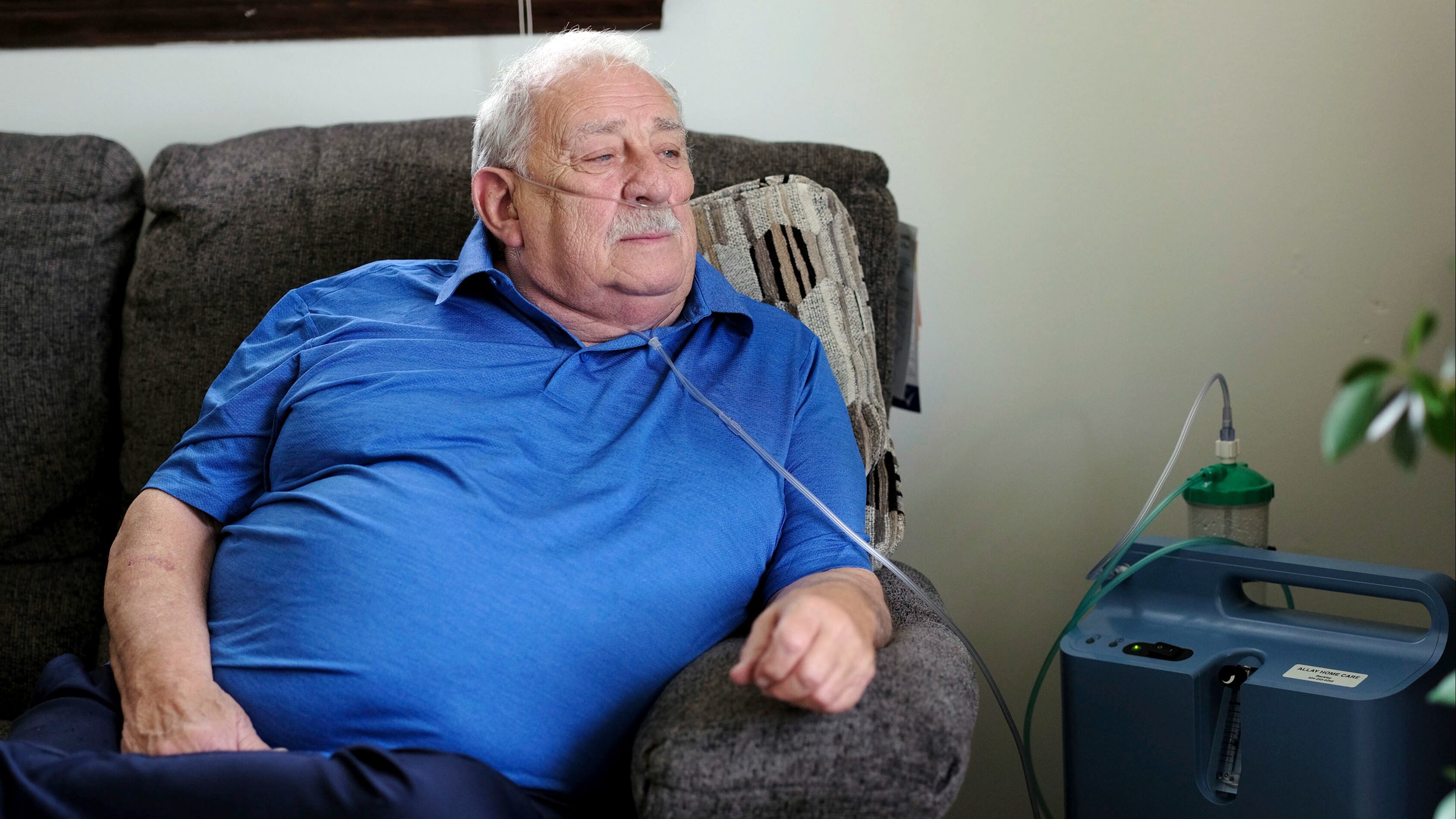
Now the federal Mine Safety and Health Administration has proposed a rule that would cut the current limit for silica exposure by half — a major victory for safety advocates. But there is skepticism and concern about the government following through after years of broken promises and delays.
A state trooper's account of officers denying migrants water in 100-degree Fahrenheit (37.7 Celsius) temperatures and razor wire leaving asylum-seekers bloodied has prompted renewed criticism.