Democratic U.S. Rep. Joe Cunningham speaks to the media and supporters during his Election Night partyTuesday, Nov. 3, 2020, in Charleston, S.C. (AP Photo/Mic Smith)
Today was the second time Representative Joe Cunningham (D-S.C., 1st District) tried to bring some brews onto the hallowed floors of the House.
This time he prevailed, despite the rules against it.
Cunningham, the freshman Democrat who lost his reelection bid this November, made a toast on the floor to bipartisanship, stating, "We have to sit down and listen to each other, and maybe even have a beer."
"In the spirit of bipartisanship and cooperation," he said, reaching into his jacket pocket for the contraband, "I raise this glass to my colleagues, both Democrats and Republicans."
The beer was a local brand called Joint Resolution by DC Brau, not from the variety six-pack of Charleston, South Carolina, beers the congressman tried to bring on the Hill to distribute to a colleague back in 2019, according to The Post and Courier.
Cunningham served only one term, losing to Republican Nancy Mace. He had touted his bona fides as the fourth most bipartisan representative who even had two of his bills signed into law by President Donald Trump, The Hill reported.
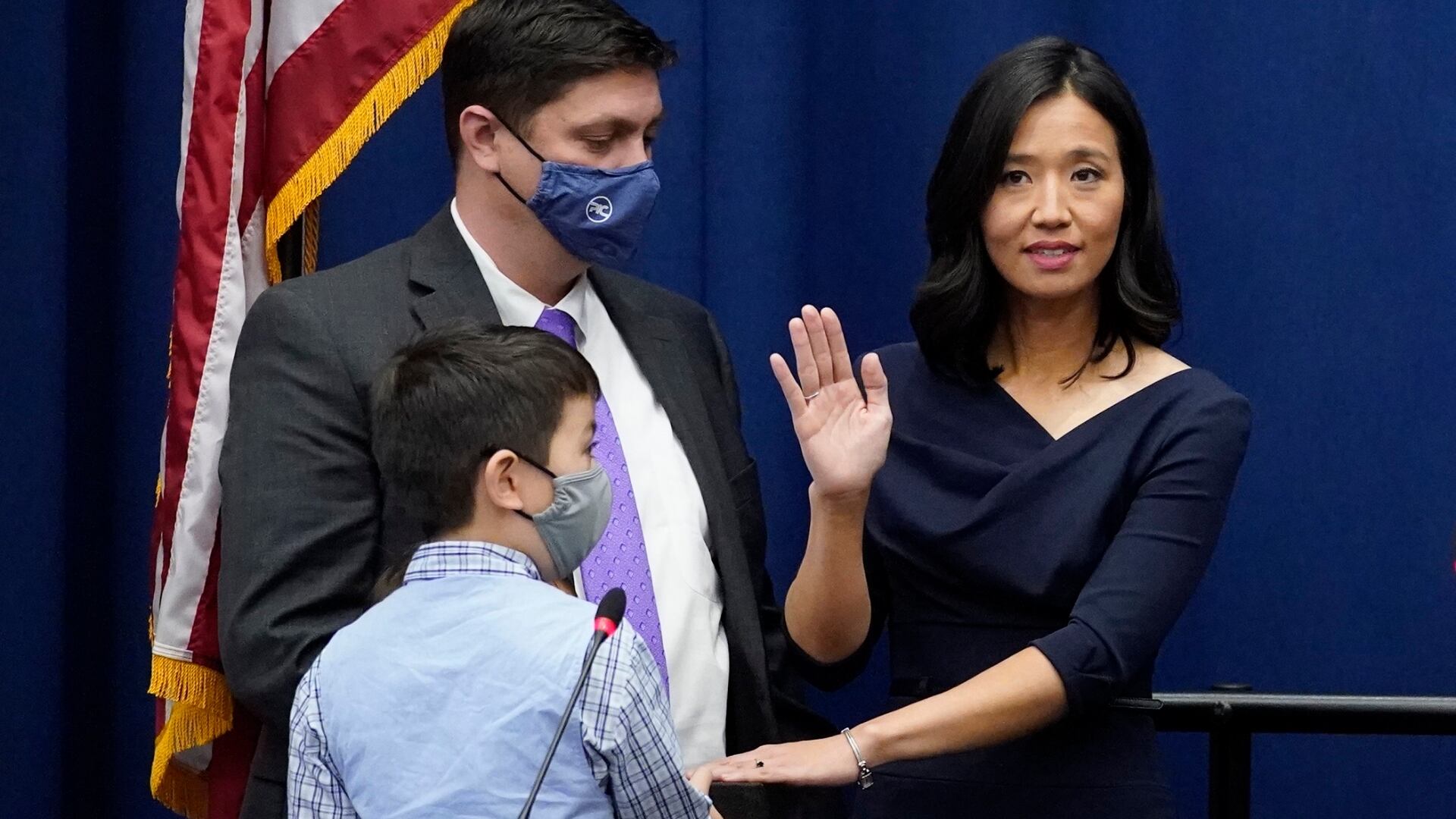
As the 2022 midterm elections fast approach, here are some politicians Americans should be on the lookout for. Democratic Massachusetts state senator Sonia Chang-Diaz, who was the first Latina and Asian American woman to be elected to the state's senate, now has her eye on the governorship with Republican Charlie Baker leaving. New Jersey GOP candidate for Congress, Billy Prempeh also bears watching, and while Boston's newest mayor, Democrat Michelle Wu, was already sworn in last month, all eyes will be on Beantown as the first woman and first person of color to hold the office tries to usher in a new era for the city.
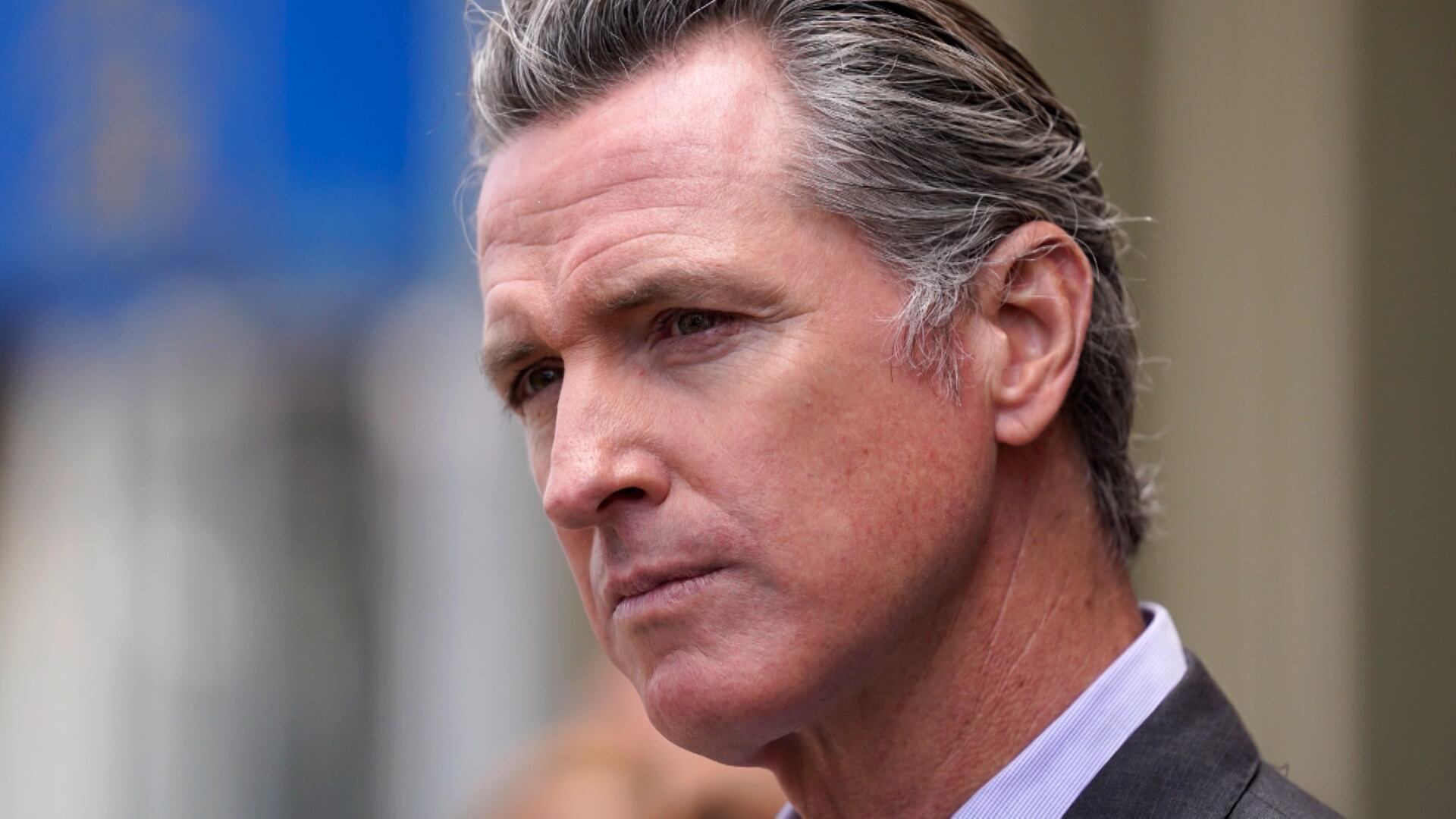
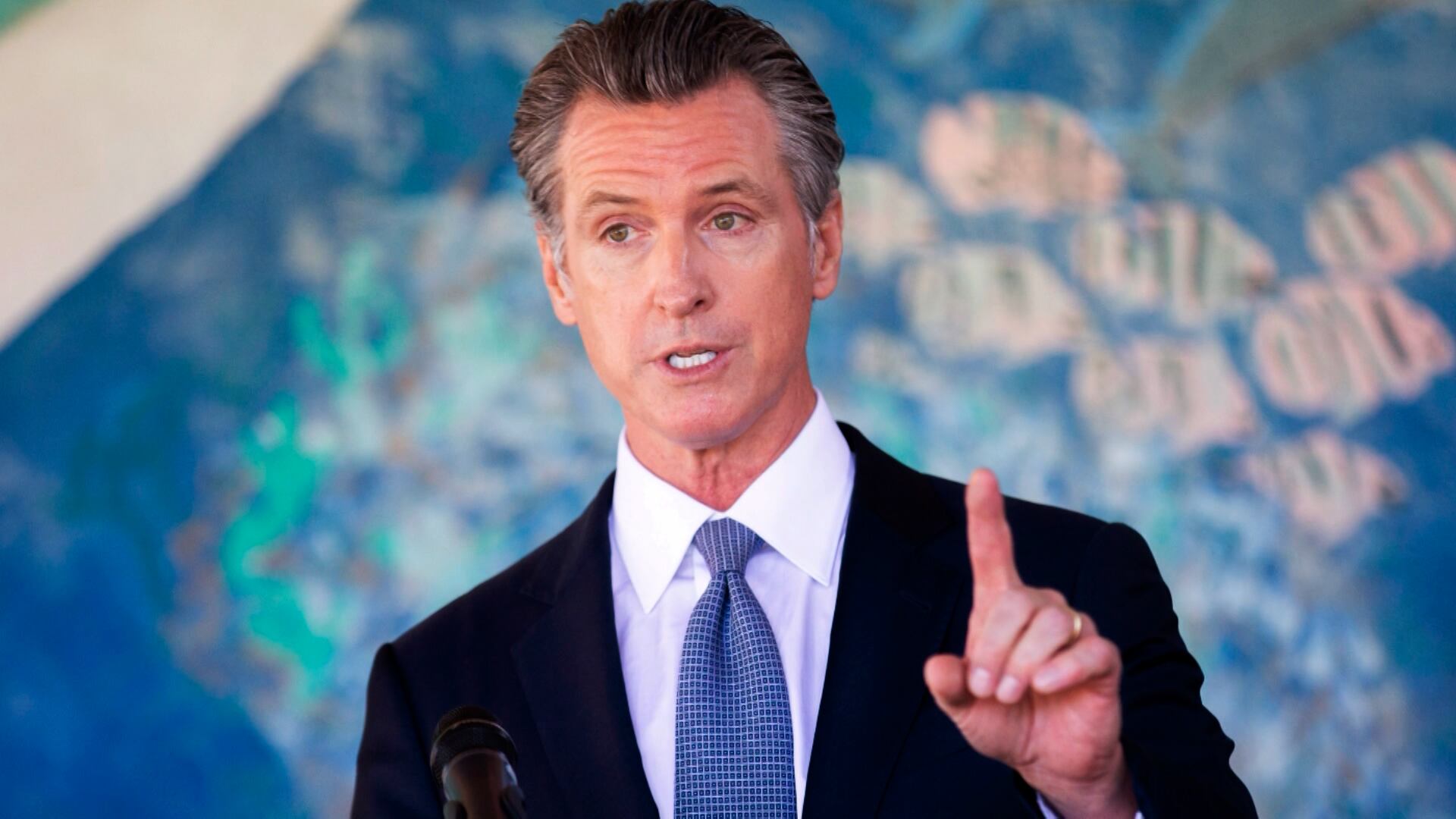
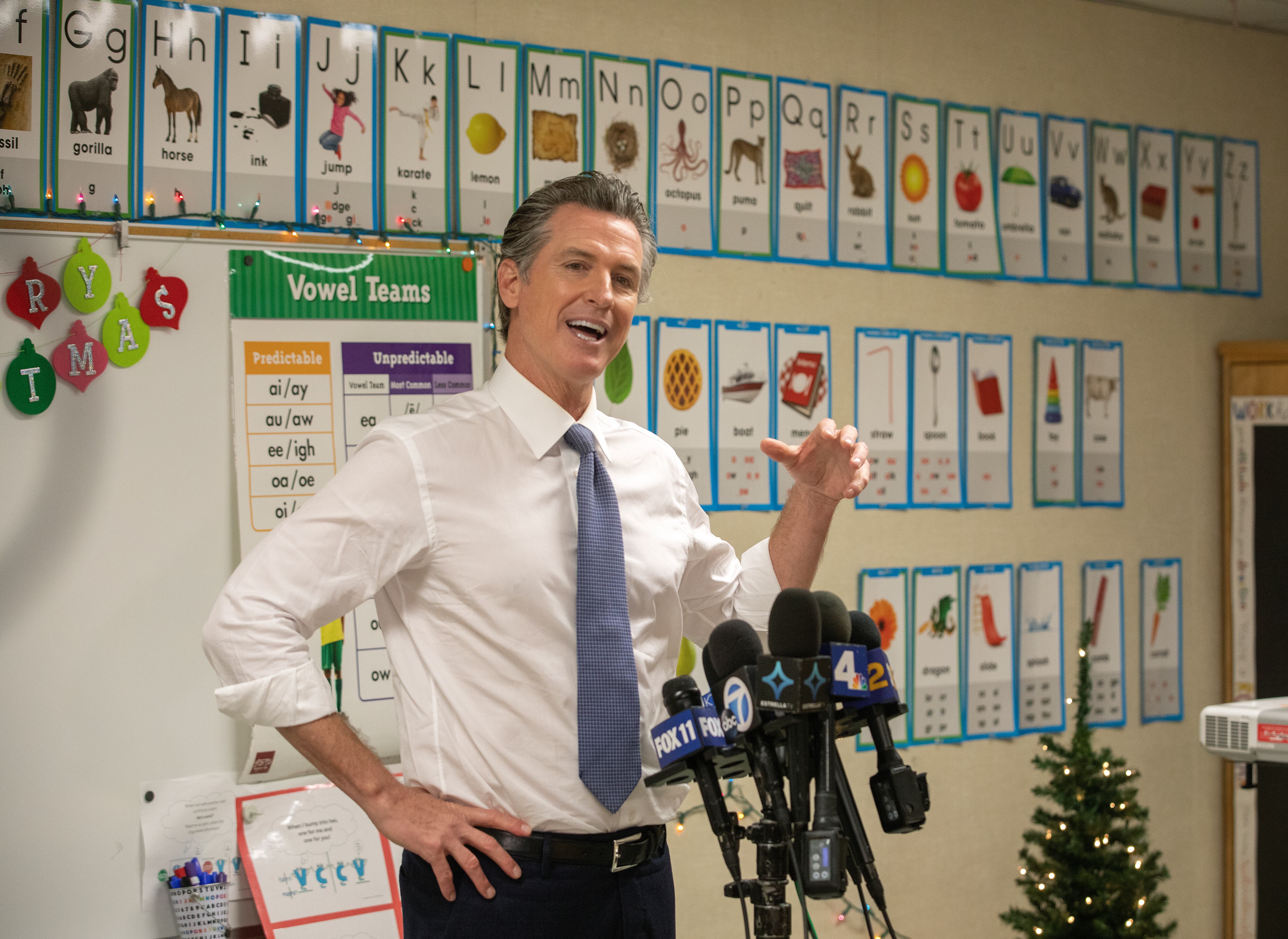
Emily Hoeven, newsletter editor at CalMatters, joins Cheddar News to discuss California Governor Gavin Newsom's gun law modeled after Texas's abortion law.
Chuck Rocha, host of 'Nuestro' podcast and opinion contributor at The New York Times, joins Cheddar News to discuss why Democrats are losing Hispanic voters.
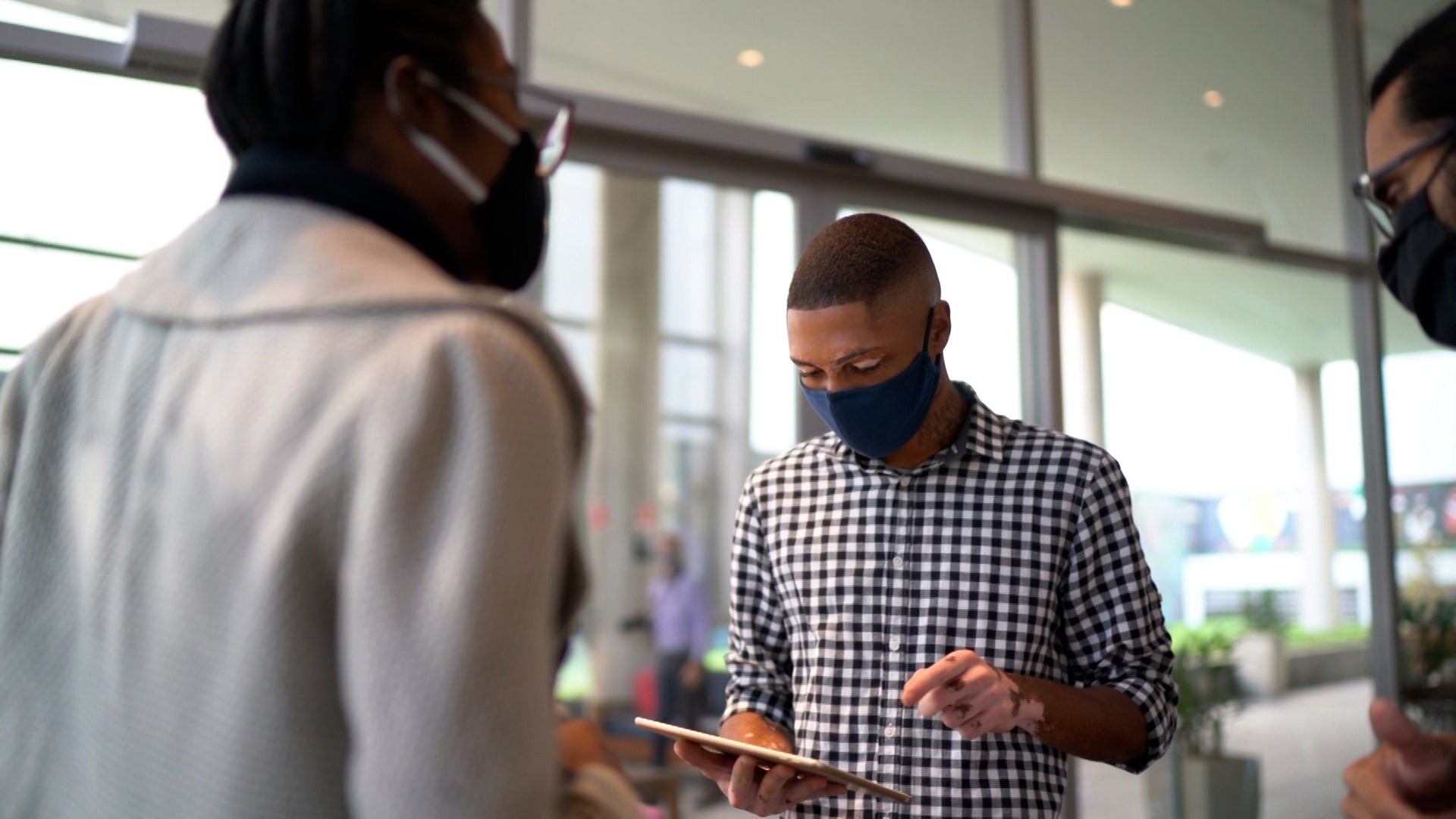
More businesses are requiring workers to return to the office, but there is concern that many employees in the middle class, especially women and people of color, need remote work options for reasons including childcare and financial security. Joan Williams, director of the Center for WorkLife Law at the University of California, joined Cheddar to discuss why office mandates could be detrimental to the middle class. She noted that while companies claim a return to offices would help foster more collaboration and efficiency, reports show that they are successfully able to do their jobs from home.
The U.S. postal service has confirmed that it secretly developed and tested a blockchain-based mobile voting system ahead of the 2020 election. Susan Greenhalgh, senior advisor on election security, Free Speech for People, joins Cheddar News to discuss the cybersecurity complications of a mobile voting system.
The U.S. Supreme Court ruled to allow the controversial Texas abortion law to remain in effect, banning abortion at six weeks and allowing any private citizen to sue a person or doctor aiding or abetting someone seeking an abortion. Outraged at this decision, California Governor Gavin Newsom is working to draft a proposal in line with the law as it relates to guns. Shawn Hubler, California correspondent at the New York Times, joins Cheddar News to discuss.