Democratic U.S. Rep. Joe Cunningham speaks to the media and supporters during his Election Night partyTuesday, Nov. 3, 2020, in Charleston, S.C. (AP Photo/Mic Smith)
Today was the second time Representative Joe Cunningham (D-S.C., 1st District) tried to bring some brews onto the hallowed floors of the House.
This time he prevailed, despite the rules against it.
Cunningham, the freshman Democrat who lost his reelection bid this November, made a toast on the floor to bipartisanship, stating, "We have to sit down and listen to each other, and maybe even have a beer."
"In the spirit of bipartisanship and cooperation," he said, reaching into his jacket pocket for the contraband, "I raise this glass to my colleagues, both Democrats and Republicans."
The beer was a local brand called Joint Resolution by DC Brau, not from the variety six-pack of Charleston, South Carolina, beers the congressman tried to bring on the Hill to distribute to a colleague back in 2019, according to The Post and Courier.
Cunningham served only one term, losing to Republican Nancy Mace. He had touted his bona fides as the fourth most bipartisan representative who even had two of his bills signed into law by President Donald Trump, The Hill reported.
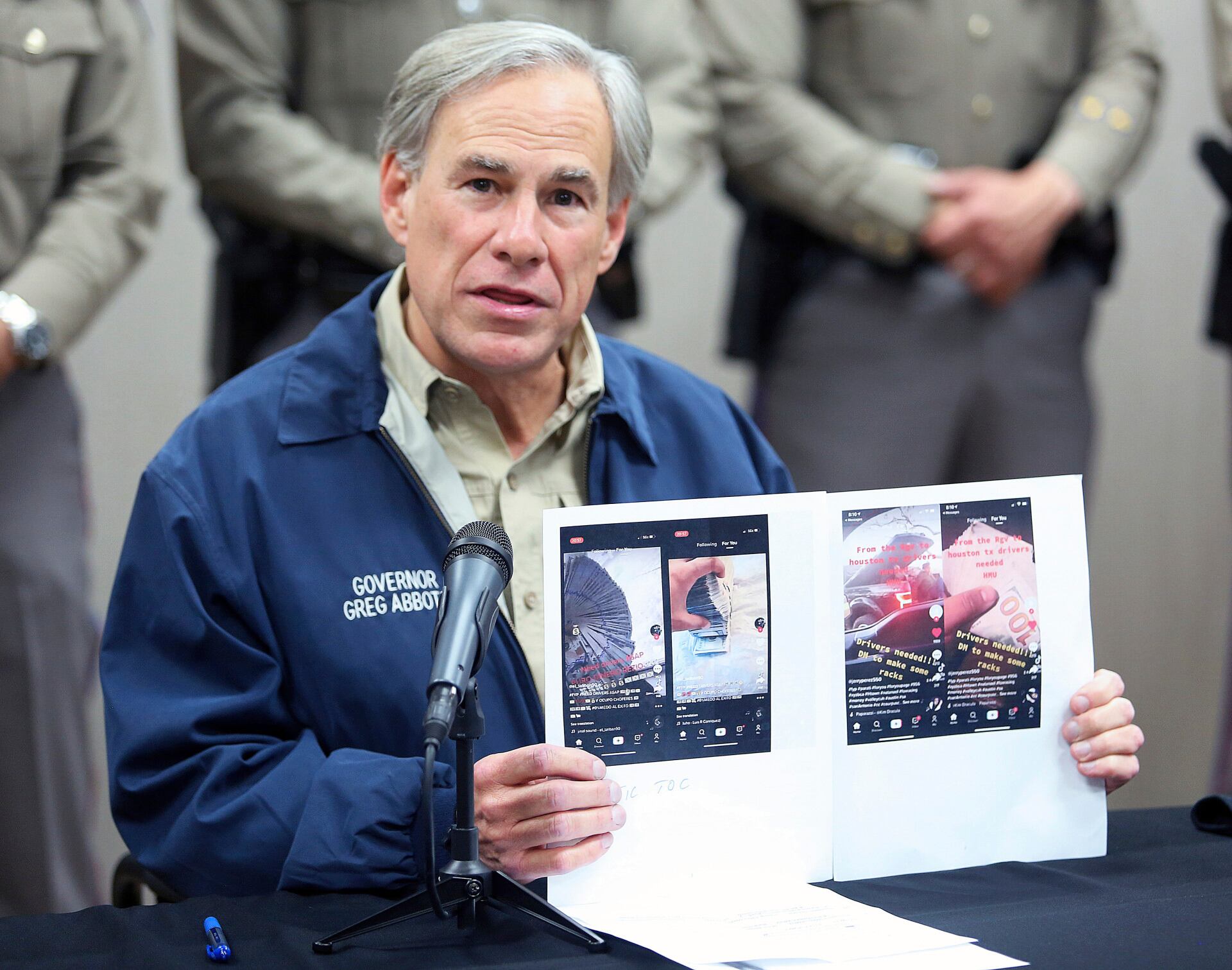
A First Amendment group sued Texas Governor Greg Abbott and others on Thursday over the state’s TikTok ban on official devices, arguing the prohibition – which extends to public universities – is unconstitutional and impedes academic freedom.
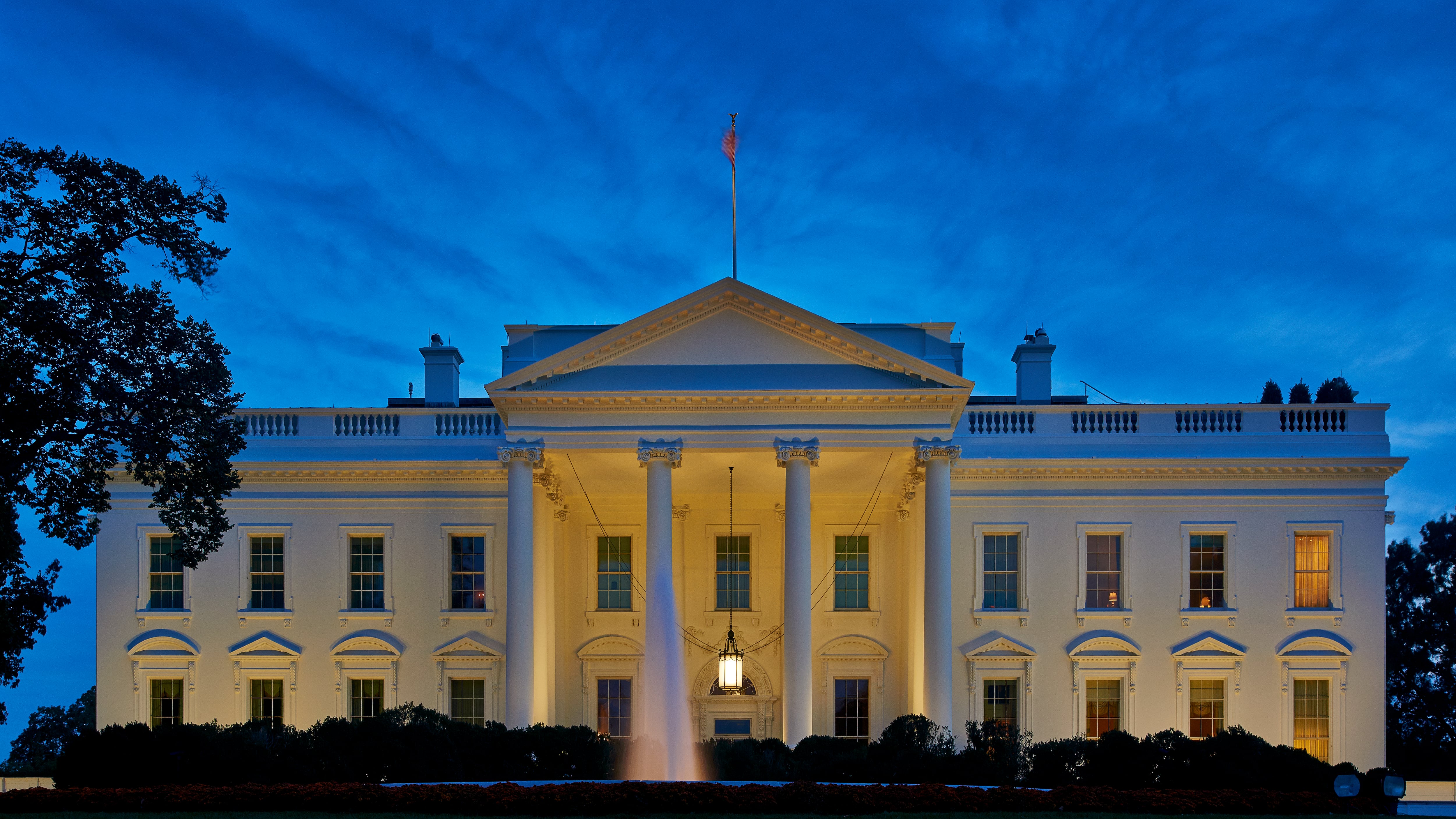
No fingerprints or DNA turned up on the baggie of cocaine found in a lobby at the White House last week despite a sophisticated FBI crime lab analysis, and surveillance footage of the area didn’t identify a suspect, according to a summary of the Secret Service investigation obtained by The Associated Press. There are no leads on who brought the drugs into the building.
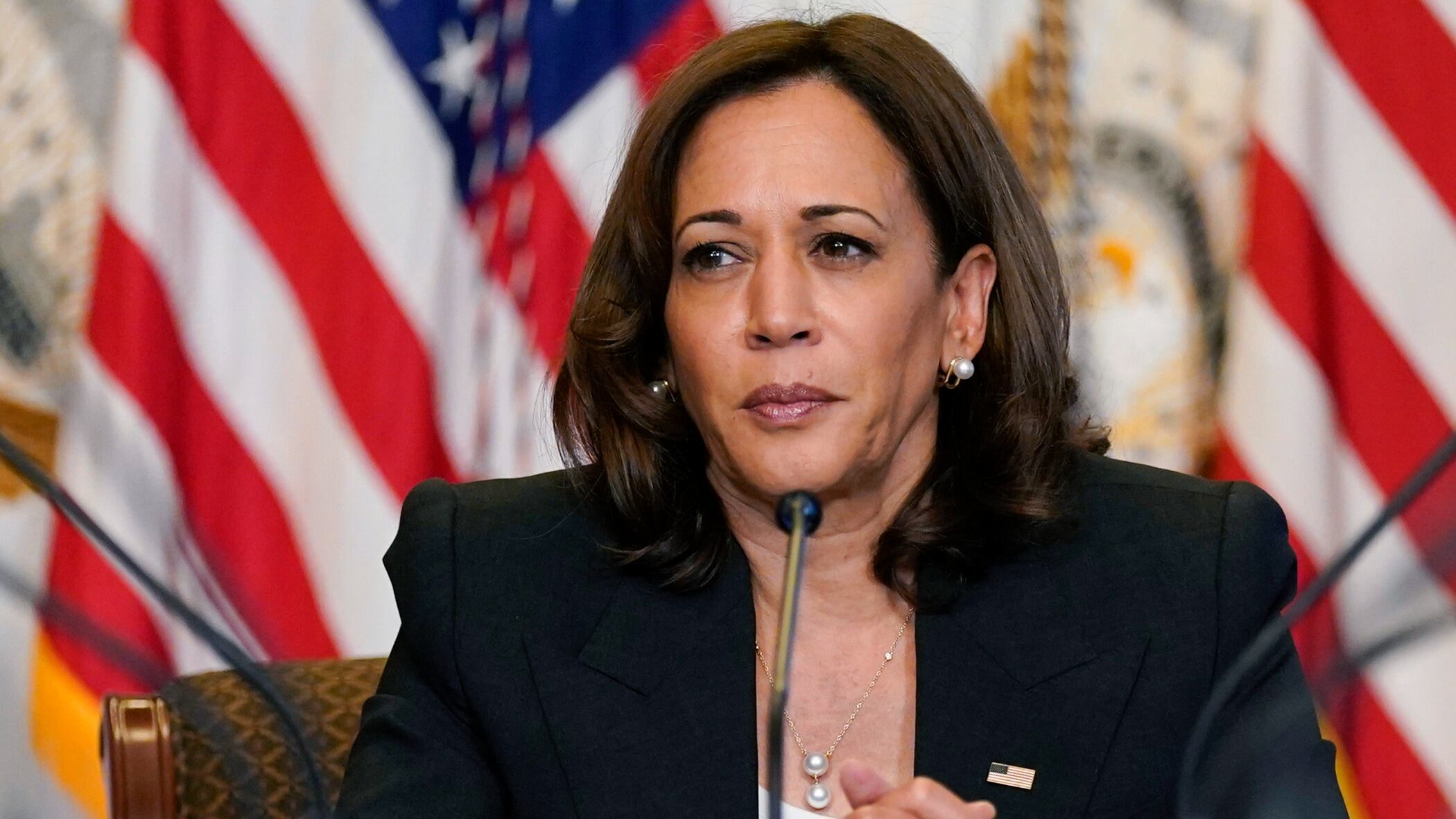
Kamala Harris, who made history as the first woman or person of color to serve as vice president, has made history again by matching the record for most tiebreaking votes in the Senate.
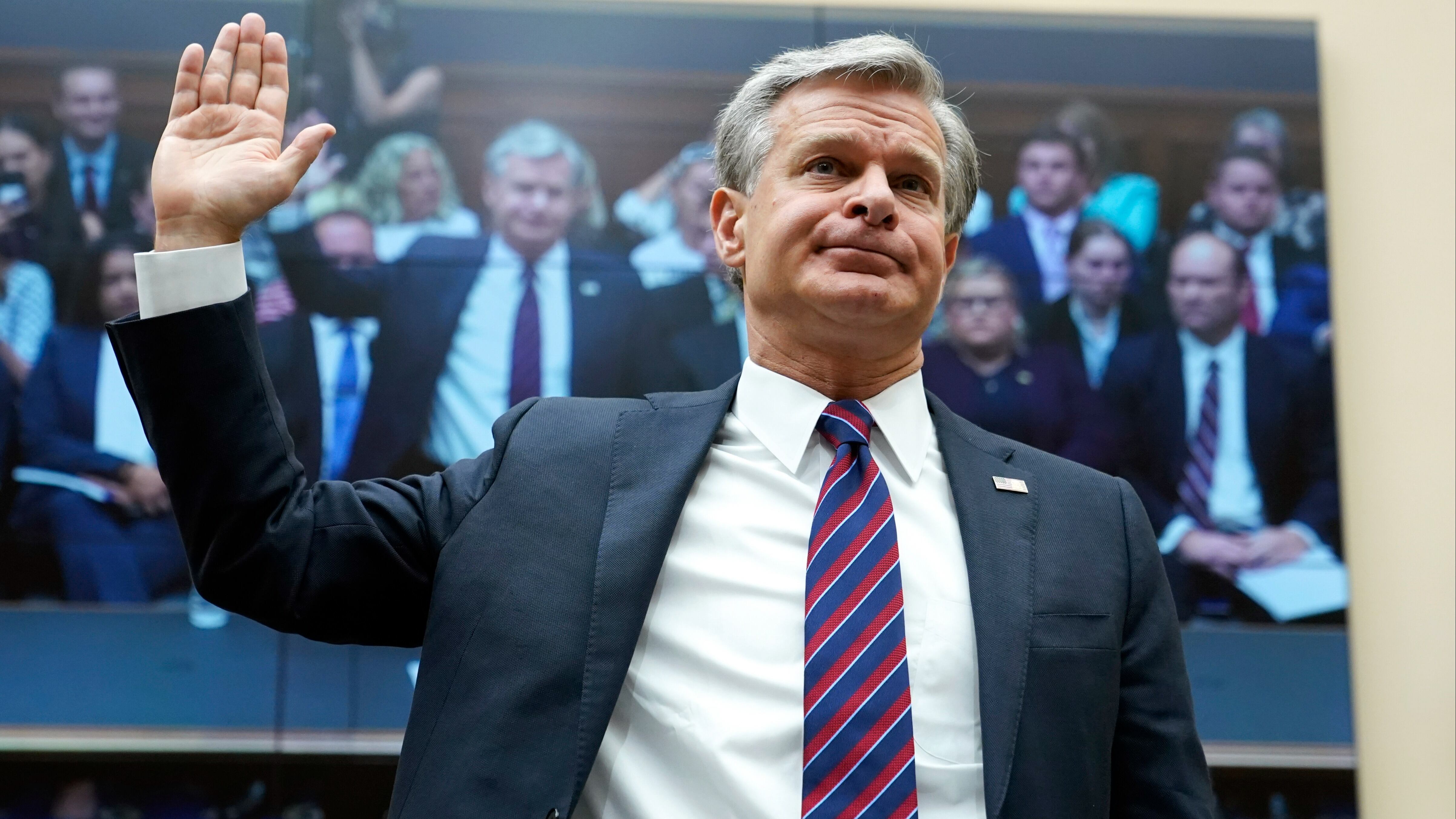
Republicans on the House Judiciary Committee accused the agency of targeting conservatives, suppressing evidence that Covid-19 came from a lab leak and abusing its surveillance powers.
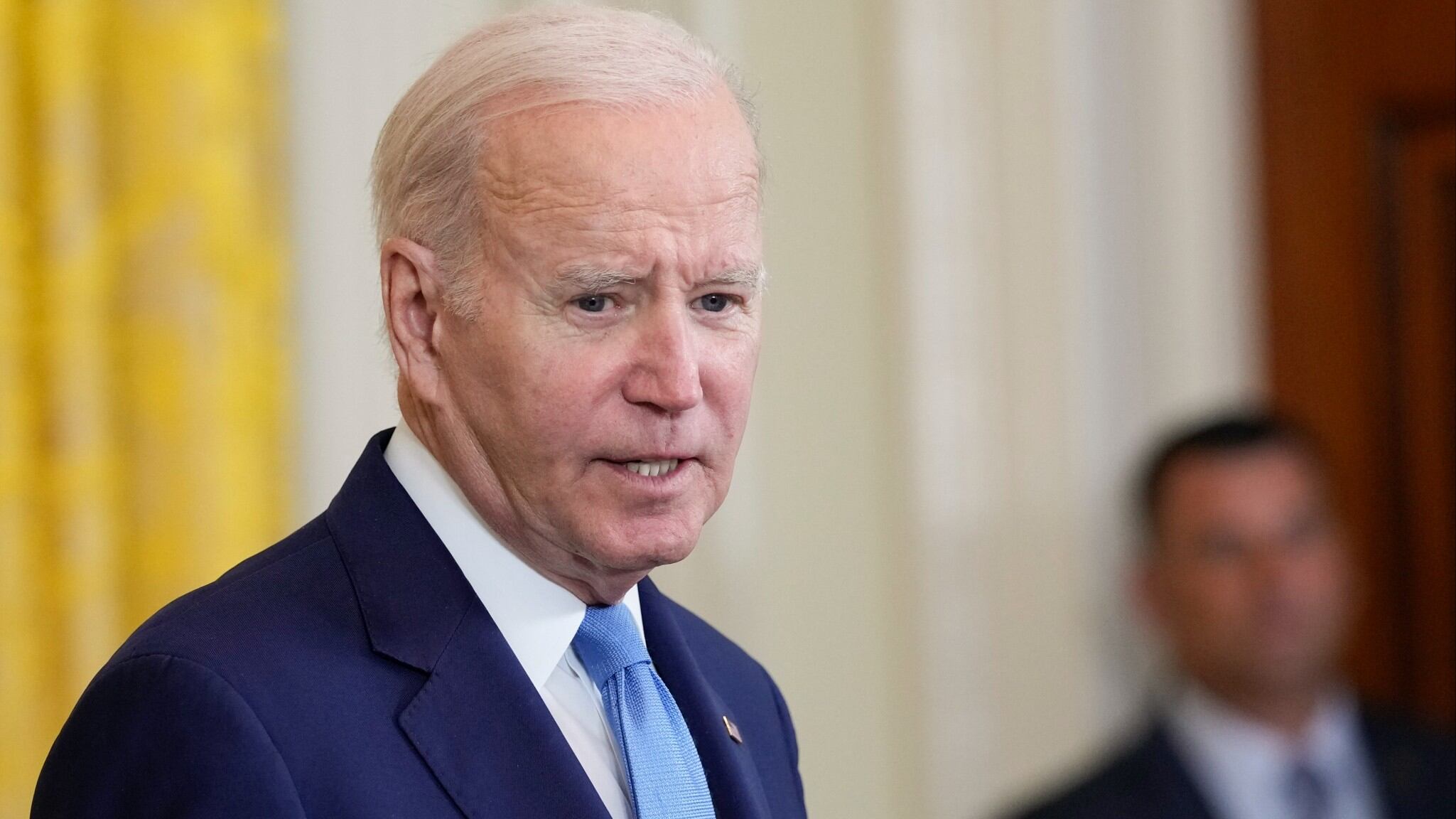
The Biden administration calls it a “student loan safety net.” Opponents call it a backdoor attempt to make college free. And it could be the next battleground in the legal fight over student loan relief.
Nearly 30,000 people in Mississippi were dropped from the state's Medicaid program after an eligibility review that the government ended during the pandemic.