Rep. Castro 'Dumbfounded' by Proposal to Arm Teachers
*By Philly Bubaris*
The failure to enact gun-control legislation after yet another deadly school shooting may be frustrating, but Representative Joaquin Castro said Tuesday he was dumbfounded by alternative proposals to arm teachers to prevent mass shootings.
"I don't think that the answer is to put a gun in every classroom," the Texas Democrat said in an interview with Cheddar. Castro said he consulted his own father, a teacher for 31 years, on the issue. "Like so many other teachers, they didn't sign up to be soldiers or police officers," Castro said. "I just don't see that as a solution."
Castro is one of many members on Congress and the general public upset by the slow ー often non-existent ー pace of gun control legislation after another mass shooting. The latest, at Santa Fe High School southeast of Houston, saw 10 people killed when the suspected shooter, 17-year-old Dimitrios Pagourtzis, went on a rampage with his father's shotgun and .38-caliber pistol.
Pagourtzis is being held without bond, on suicide watch, in the Galveston County Jail. His father told the Wall Street Journal that his son was a "good boy," and the bullying his son received caused him lash out.
Castro said all levels of government and all members of the community must take some action to help prevent future mass shootings.
He said it was parents' responsibility to lock up their weapons, and he said schools deserve increased resources to provide mental-health services. Castro also called on local and state officials to take action to limit the threat of guns in some public places.
"The state legislature has passed open carry and campus carry, which promote the carrying of guns on college campuses," Castro said. "I'm hopeful that the conversation is finally changing in Texas. The people of Texas understand that there's a problem, and something needs to be done."
Governor Greg Abbott, a Republican, will be hosting discussions with educators and local law enforcement officials in the coming weeks to figure out the best ways to make schools safer.
Representative Castro said it was encouraging that the governor is recognizing gun violence as a problem, but he was dismayed that more serious action had not been taken sooner. State and local officials need to do more, Castro said.
"You may never get the number of gun deaths to zero, but you can't use it as an excuse to be paralyzed and do nothing."
For the full interview, [click here](https://cheddar.com/videos/rep-joaquin-castro-hopeful-texas-stance-on-gun-control-is-changing).
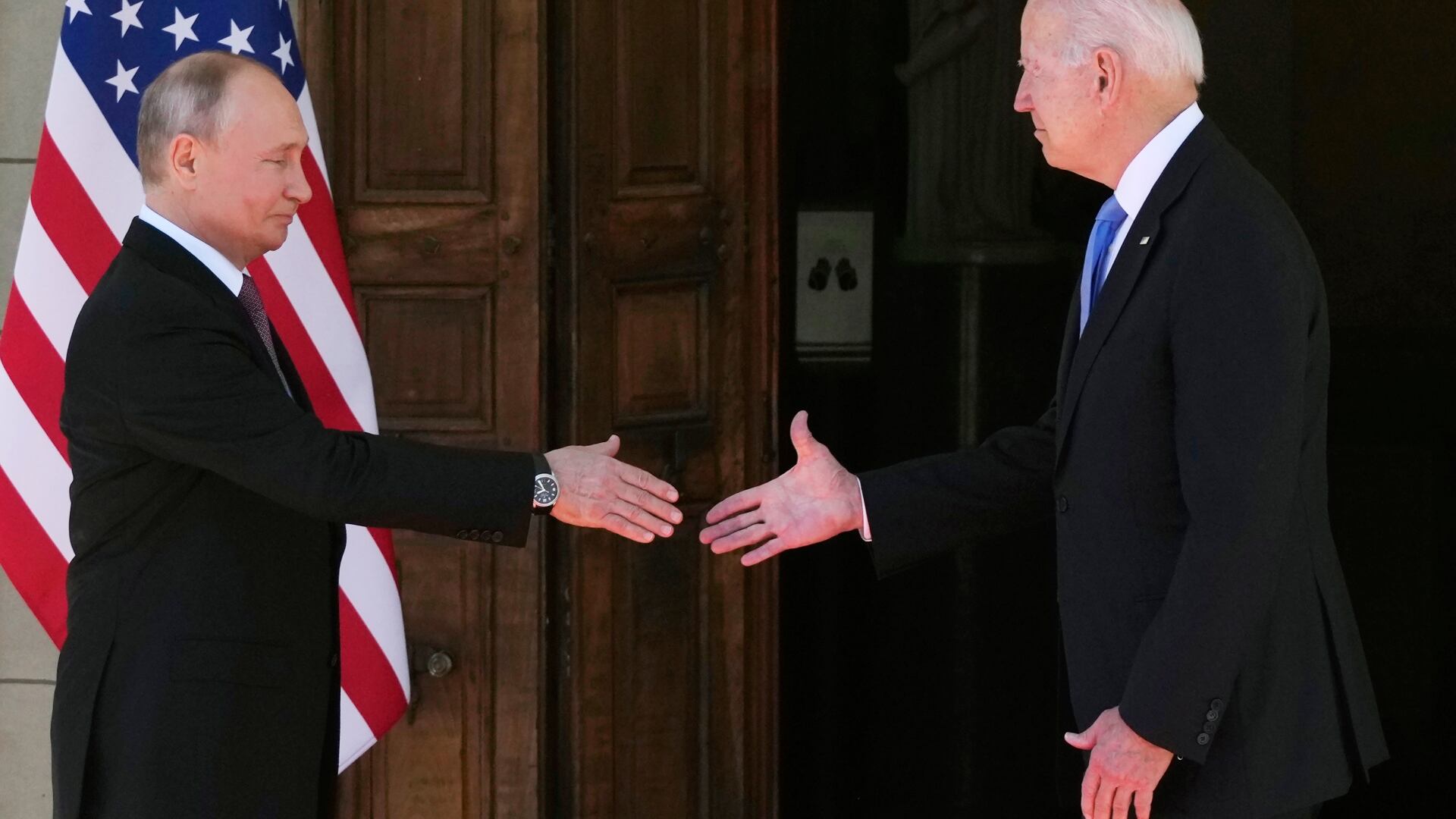
President Biden spoke with Russian President Vladimir Putin for the fourth time this year. Biden and Putin spoke for two hours about the massing of Russian troops and materials near the Russian border with Ukraine. Various outlets have reported that the U.S. has intelligence that Russia could be planning an invasion of Ukraine in the next few months. Both countries said the call was productive, but the situation remains tense.
Hagar Chemali, foreign policy expert and host of "Oh My World!" on YouTube, joins Cheddar Politics to discuss.
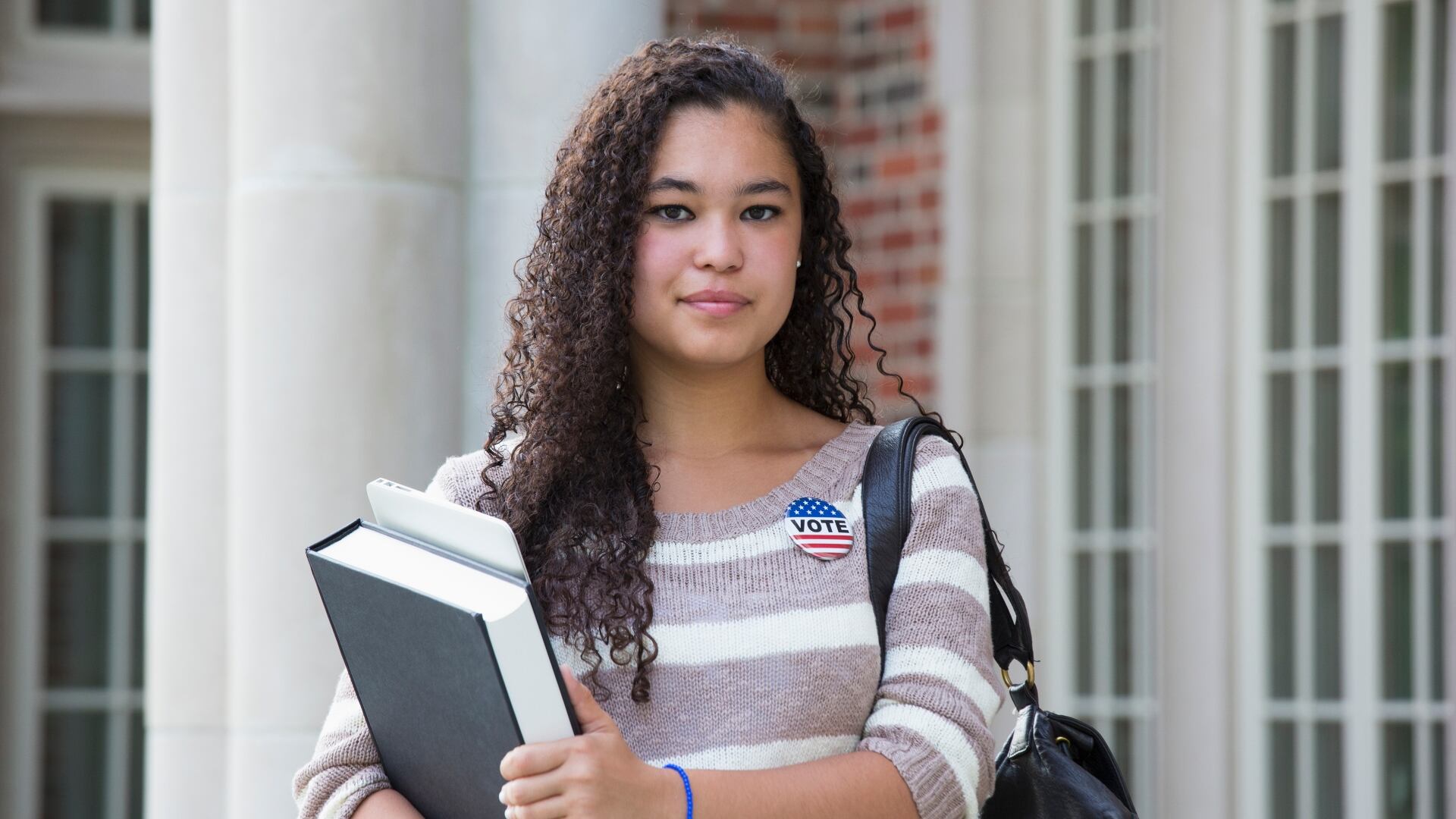
A recent Wall Street Journal poll indicated that Hispanic voters are up for grabs for the upcoming midterm elections, with 41 percent of respondents saying they would vote for Democrats and 44 percent for Republicans. Bryanta "Bre" Maxwell, a Democratic Strategist, former political director for Jaime Harrison's senate campaign, and principal and CEO of Indigo Consulting, LLC, joined Cheddar to break down the numbers and to dive into what this specific electorate is looking for as the balance of power in Congress hangs in the balance in 2022.
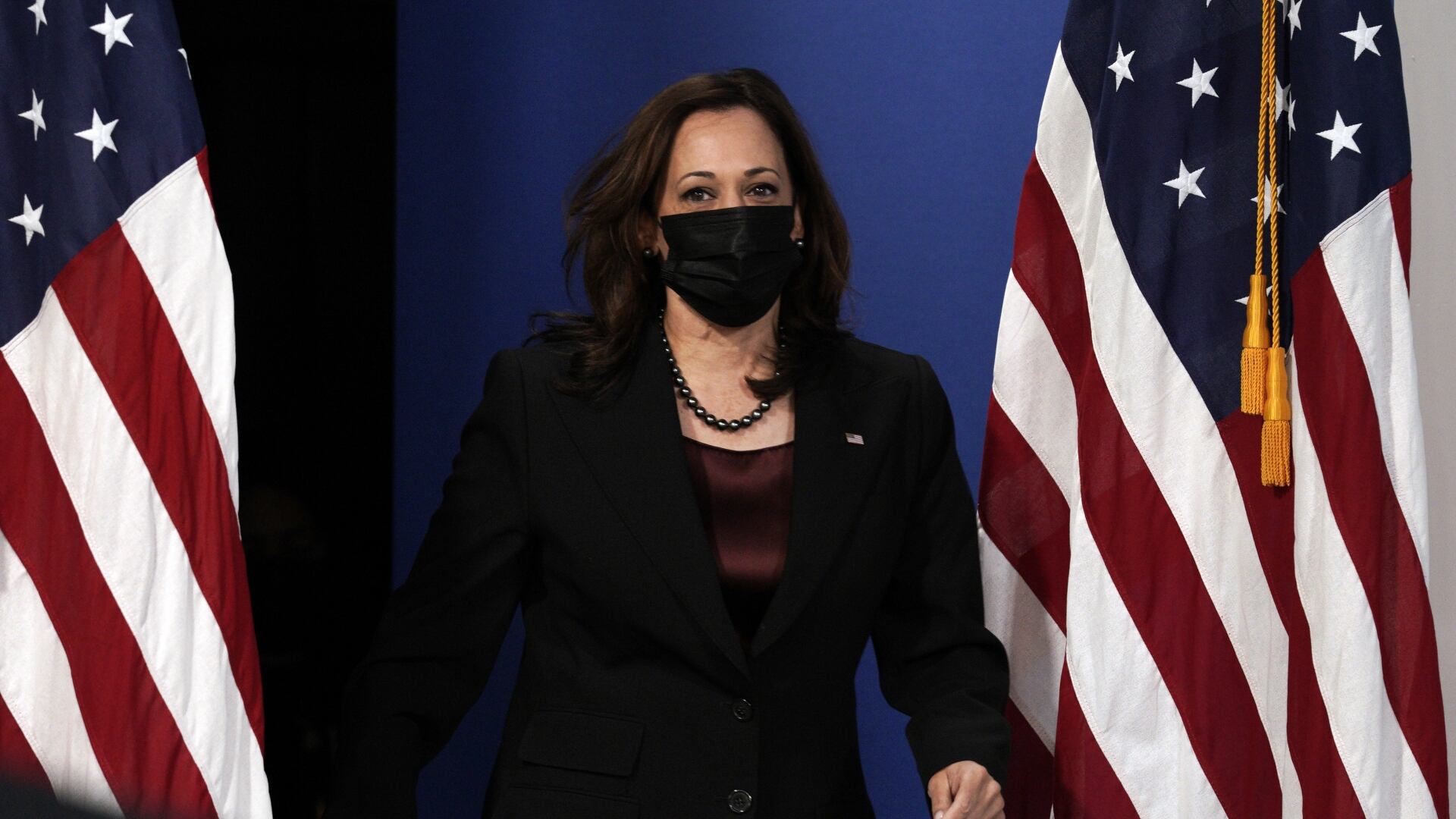
Vice President Kamala Harris received impressive amount of media coverage in January for making history. However, the media attention waned significantly and some are now even saying she has almost disappeared from public view. Reecie Colbert, founder of BlackWomenViews Media, joined Cheddar Politics to discuss more.
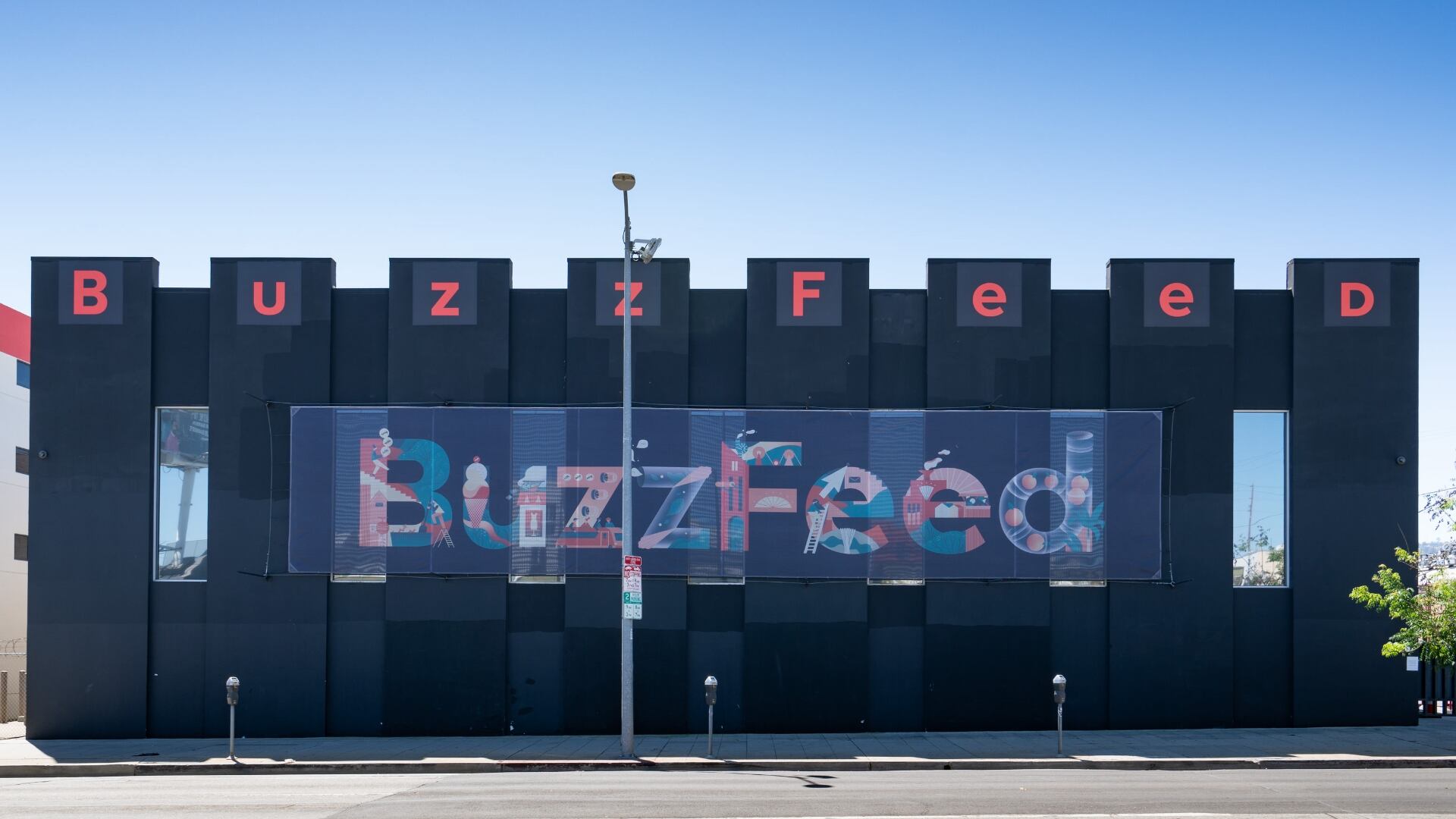
If you thought you heard the last of the Mueller report back in 2019, you'd be wrong. While the bombshell report was the biggest story in Washington for years, much of the report remained redacted. Our friends at BuzzFeed News weren't satisfied, so they sued to have certain passages unredacted. They notched another win when a federal appeals court ordered ten passages from the report to be released.
Matt Topic, BuzzFeed's attorney in the case, and Jason Leopold, reporter at BuzzFeed News, join Cheddar Politics to discuss.
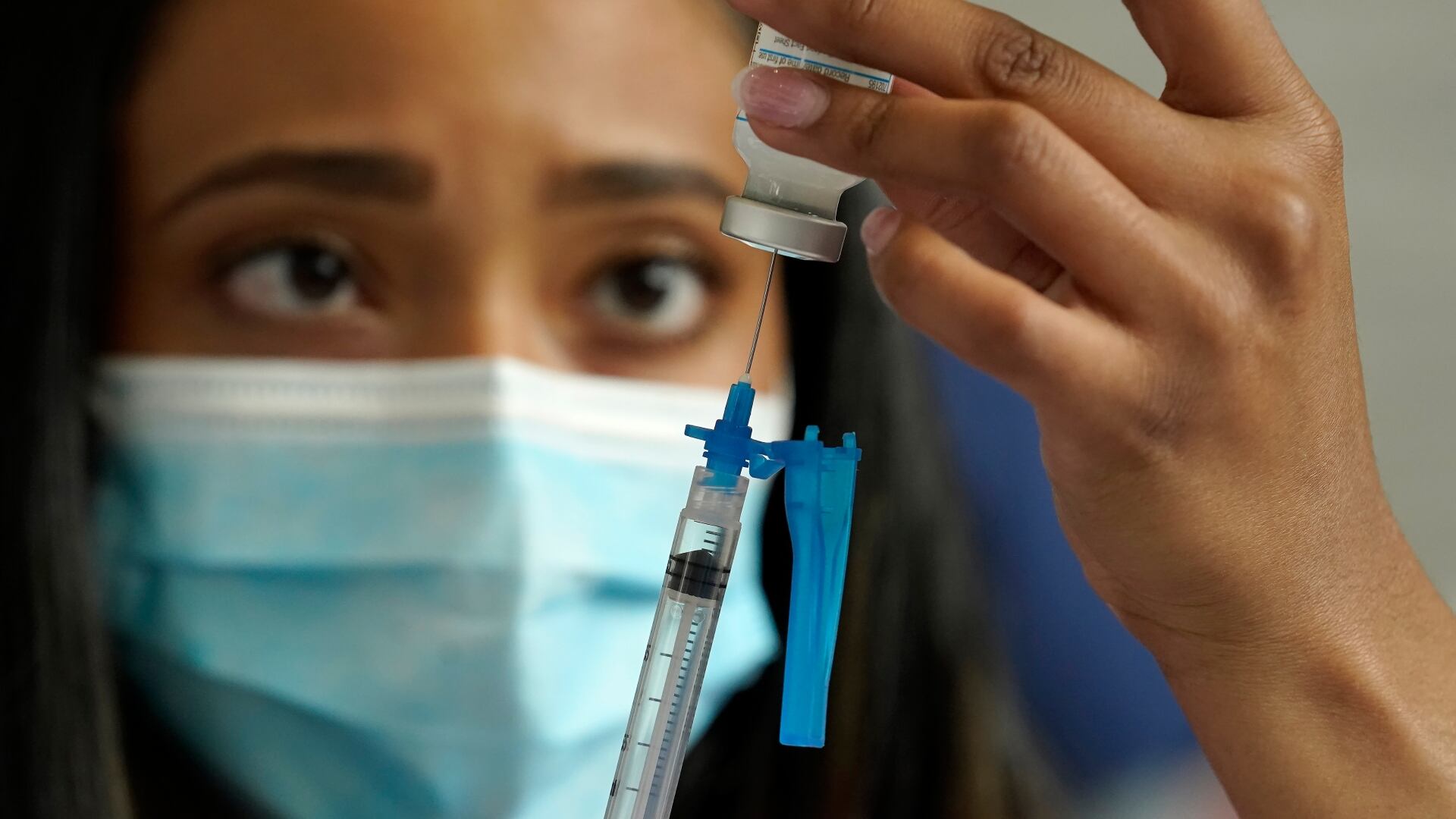
The U.S. reported its first confirmed case of the omicron variant in California on Wednesday. Scientists and health officials are racing to understand the variant, with the WHO saying it's still too early to determine whether it's more contagious, more deadly or more resistant to vaccines than other variants. Omicron has pushed members of the WHO to commit to start talks over a "gobal pandemic treaty" for future pandemic preparedness.
Priti Krishtel, co-founder and co-executive director of the Initiative for Medicines, Access & Knowledge, joins Cheddar Politics to discuss.
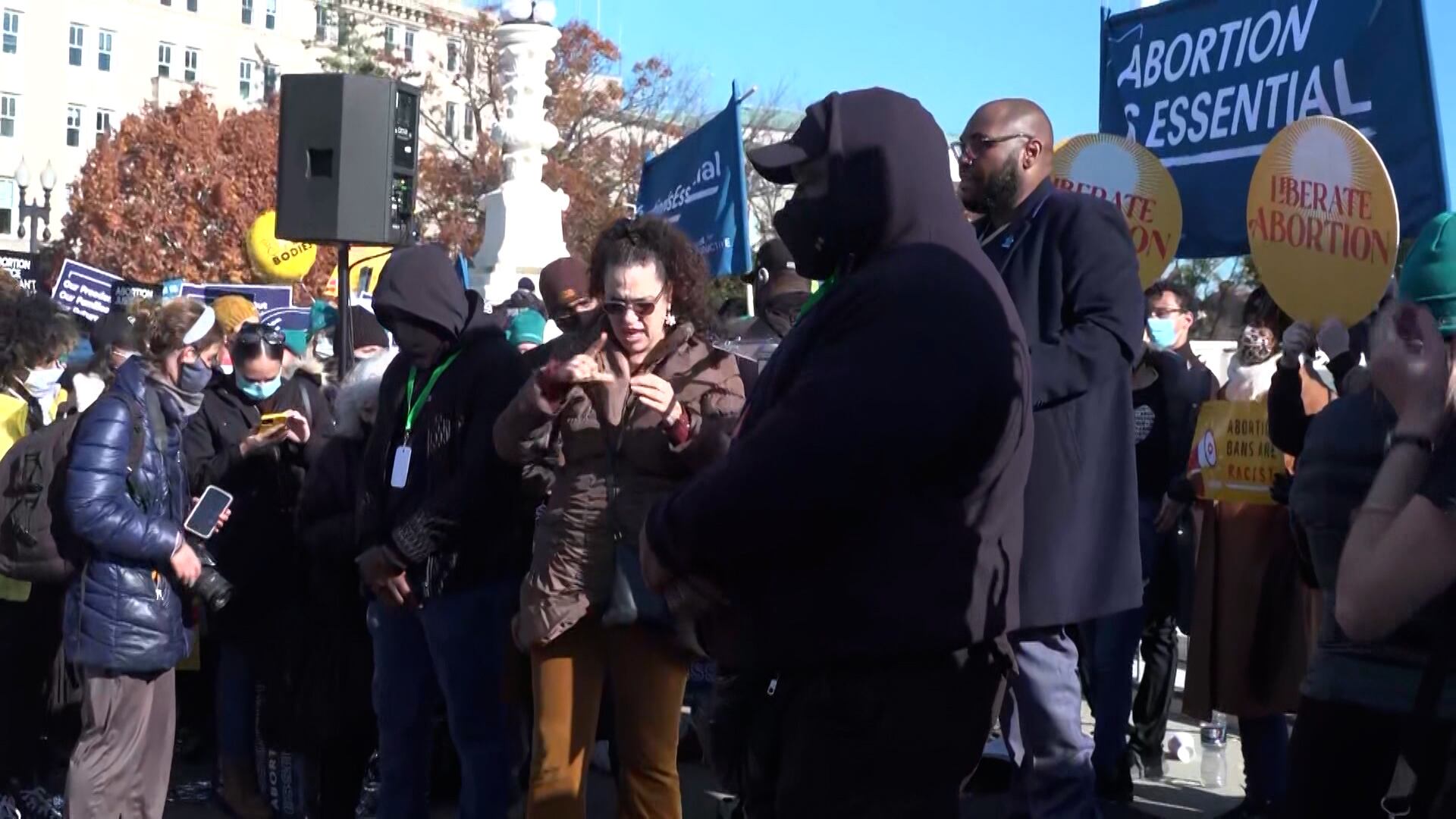
Wednesday was not a good day for those who believe in abortion rights in this country as the Supreme Court heard arguments on a Mississippi abortion law that bans most abortions after 15 weeks of pregnancy. The majority of the court appears poised to roll back abortion rights, and the questions from the conservative justices seemed to indicate the law for nearly 50 years is likely to change.
Jessica Mason Pieklo, senior vice president and executive editor of Rewire News Group, joined Cheddar Politics to discuss Wednesday's hearing.
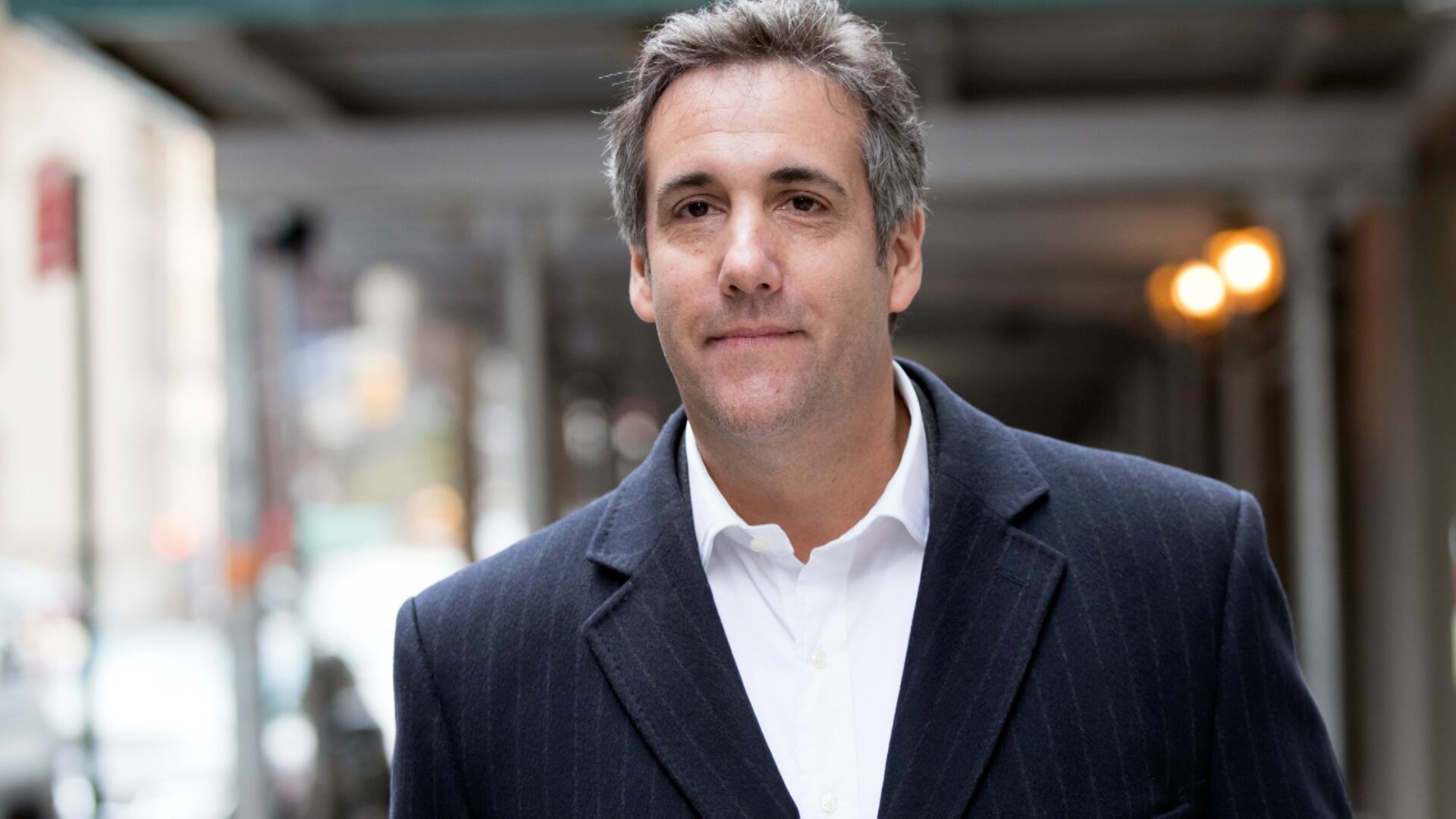
Michael Cohen, Donald Trump's former personal lawyer, has been busy since completing his prison sentence in November. He's getting into the NFT space, selling his federal prison badge and the original manuscript of his book "Disloyal" as NFTs. Cohen joined Cheddar to discuss his latest venture and why he thinks there is still much to be revealed about his case.
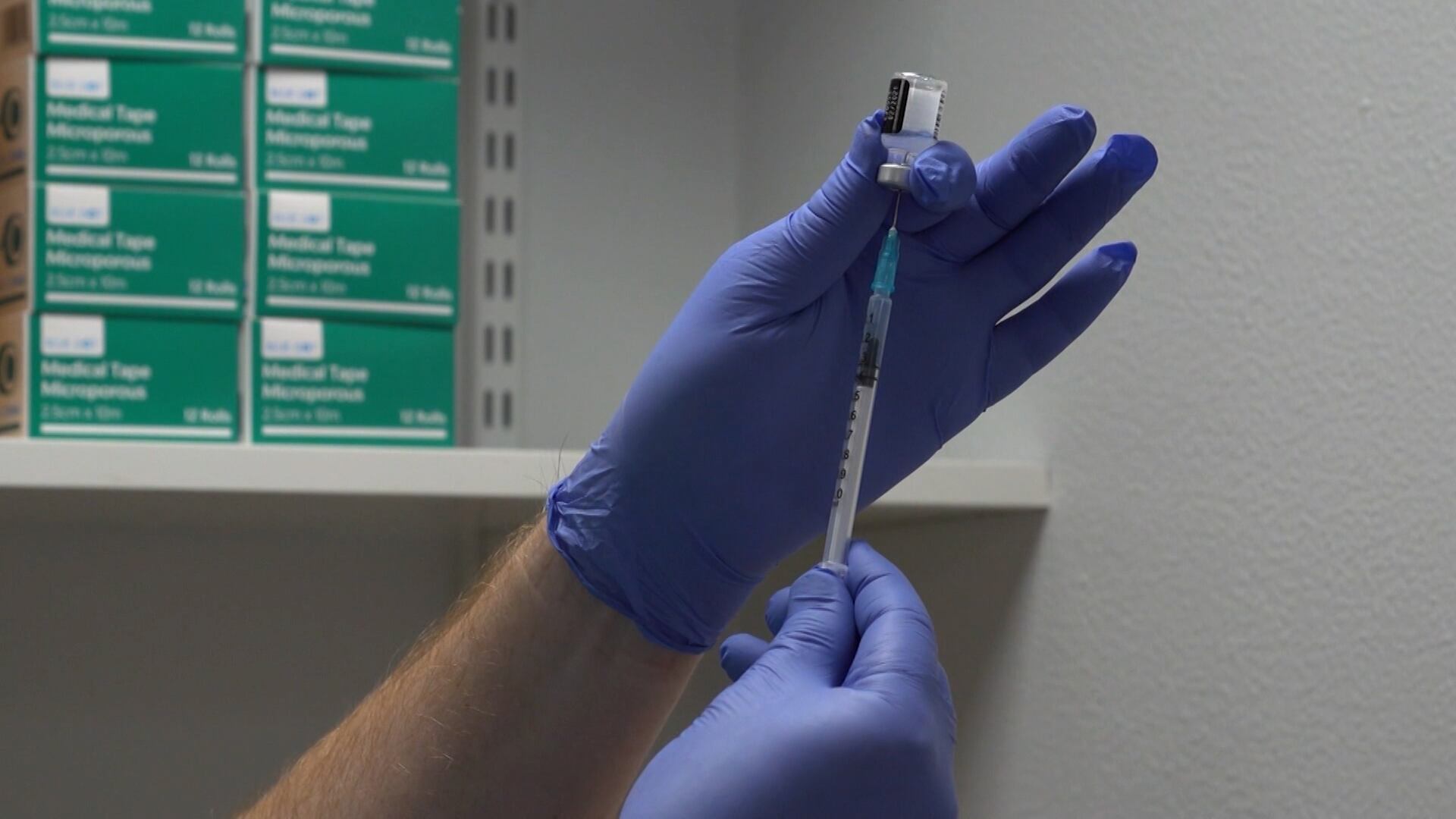
Jonathan Adler, Law Professor at Case Western Reserve University, joined Wake Up With Cheddar to discuss Tuesday's ruling and provide legal context to recent battles over vaccine mandates.
Carlo and Baker wrap up the week talking about the Biden economic boom that no one seems to notice, a verdict in the Jussie Smollett case, the first Starbucks union in America and the pleasures of the "dude nod."