Rep. Castro 'Dumbfounded' by Proposal to Arm Teachers
*By Philly Bubaris*
The failure to enact gun-control legislation after yet another deadly school shooting may be frustrating, but Representative Joaquin Castro said Tuesday he was dumbfounded by alternative proposals to arm teachers to prevent mass shootings.
"I don't think that the answer is to put a gun in every classroom," the Texas Democrat said in an interview with Cheddar. Castro said he consulted his own father, a teacher for 31 years, on the issue. "Like so many other teachers, they didn't sign up to be soldiers or police officers," Castro said. "I just don't see that as a solution."
Castro is one of many members on Congress and the general public upset by the slow ー often non-existent ー pace of gun control legislation after another mass shooting. The latest, at Santa Fe High School southeast of Houston, saw 10 people killed when the suspected shooter, 17-year-old Dimitrios Pagourtzis, went on a rampage with his father's shotgun and .38-caliber pistol.
Pagourtzis is being held without bond, on suicide watch, in the Galveston County Jail. His father told the Wall Street Journal that his son was a "good boy," and the bullying his son received caused him lash out.
Castro said all levels of government and all members of the community must take some action to help prevent future mass shootings.
He said it was parents' responsibility to lock up their weapons, and he said schools deserve increased resources to provide mental-health services. Castro also called on local and state officials to take action to limit the threat of guns in some public places.
"The state legislature has passed open carry and campus carry, which promote the carrying of guns on college campuses," Castro said. "I'm hopeful that the conversation is finally changing in Texas. The people of Texas understand that there's a problem, and something needs to be done."
Governor Greg Abbott, a Republican, will be hosting discussions with educators and local law enforcement officials in the coming weeks to figure out the best ways to make schools safer.
Representative Castro said it was encouraging that the governor is recognizing gun violence as a problem, but he was dismayed that more serious action had not been taken sooner. State and local officials need to do more, Castro said.
"You may never get the number of gun deaths to zero, but you can't use it as an excuse to be paralyzed and do nothing."
For the full interview, [click here](https://cheddar.com/videos/rep-joaquin-castro-hopeful-texas-stance-on-gun-control-is-changing).
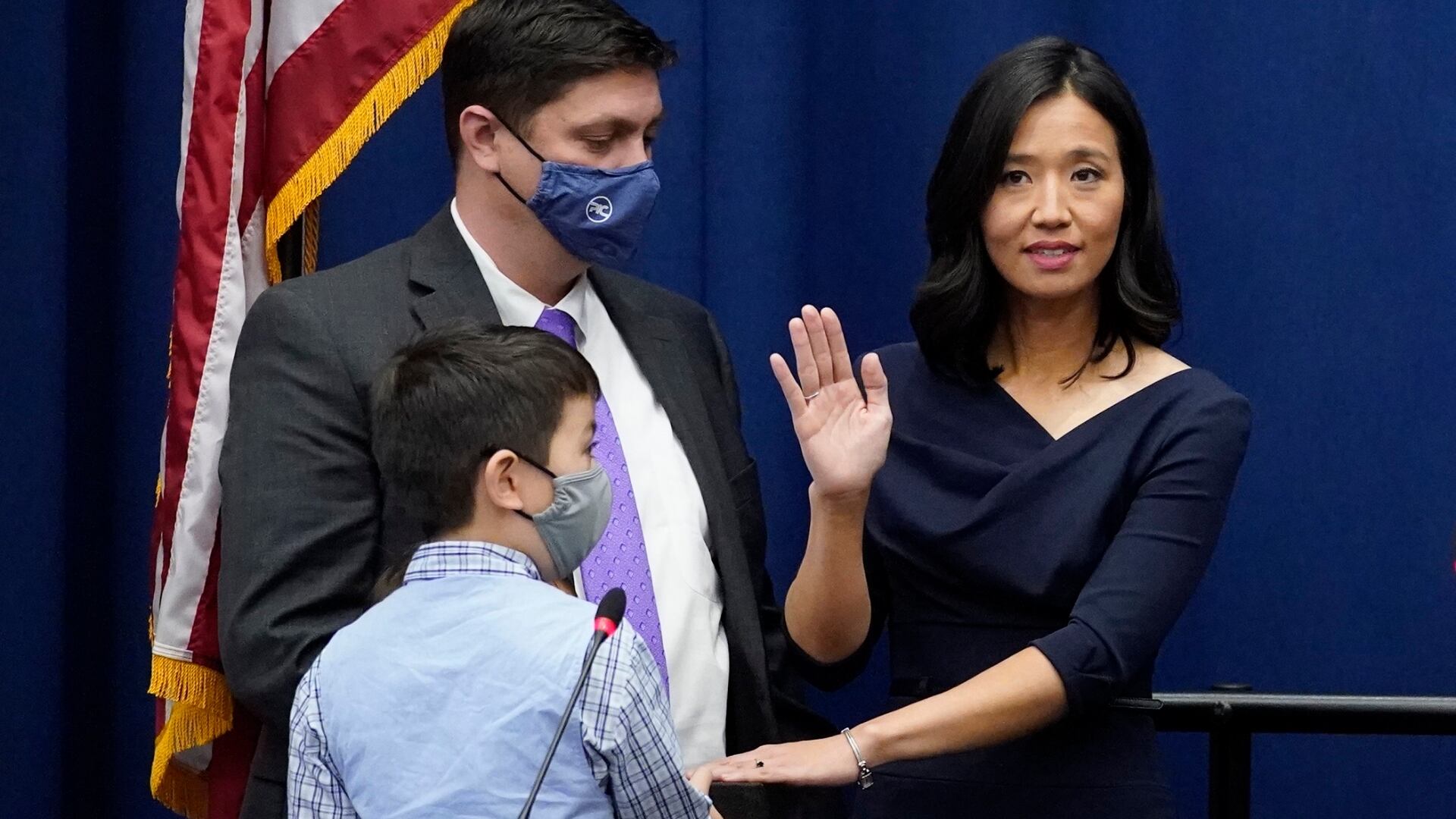
As the 2022 midterm elections fast approach, here are some politicians Americans should be on the lookout for. Democratic Massachusetts state senator Sonia Chang-Diaz, who was the first Latina and Asian American woman to be elected to the state's senate, now has her eye on the governorship with Republican Charlie Baker leaving. New Jersey GOP candidate for Congress, Billy Prempeh also bears watching, and while Boston's newest mayor, Democrat Michelle Wu, was already sworn in last month, all eyes will be on Beantown as the first woman and first person of color to hold the office tries to usher in a new era for the city.
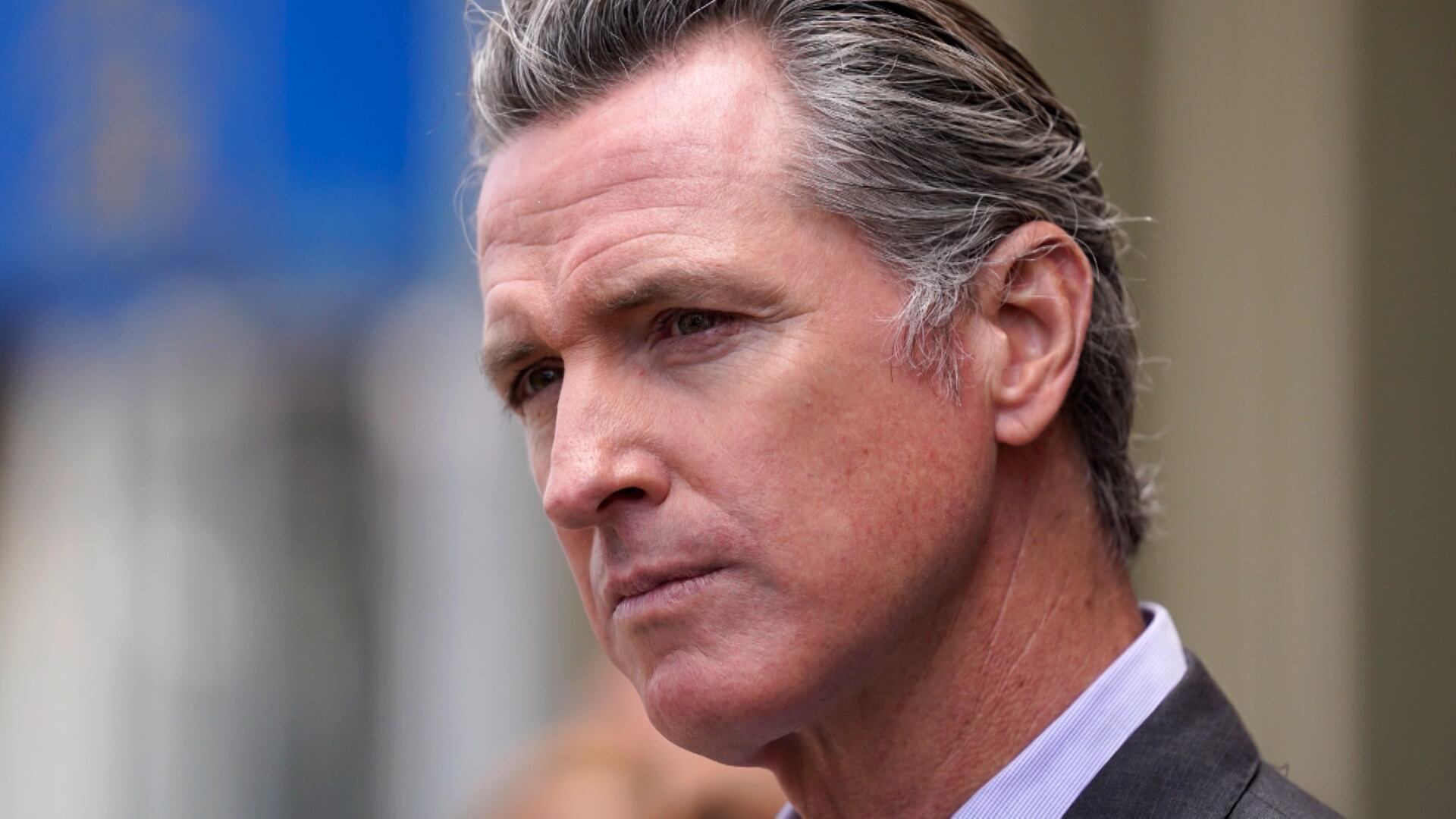
Emily Hoeven, newsletter editor at CalMatters, joins Cheddar News to discuss California Governor Gavin Newsom's gun law modeled after Texas's abortion law.
Chuck Rocha, host of 'Nuestro' podcast and opinion contributor at The New York Times, joins Cheddar News to discuss why Democrats are losing Hispanic voters.
More businesses are requiring workers to return to the office, but there is concern that many employees in the middle class, especially women and people of color, need remote work options for reasons including childcare and financial security. Joan Williams, director of the Center for WorkLife Law at the University of California, joined Cheddar to discuss why office mandates could be detrimental to the middle class. She noted that while companies claim a return to offices would help foster more collaboration and efficiency, reports show that they are successfully able to do their jobs from home.
The U.S. postal service has confirmed that it secretly developed and tested a blockchain-based mobile voting system ahead of the 2020 election. Susan Greenhalgh, senior advisor on election security, Free Speech for People, joins Cheddar News to discuss the cybersecurity complications of a mobile voting system.
The U.S. Supreme Court ruled to allow the controversial Texas abortion law to remain in effect, banning abortion at six weeks and allowing any private citizen to sue a person or doctor aiding or abetting someone seeking an abortion. Outraged at this decision, California Governor Gavin Newsom is working to draft a proposal in line with the law as it relates to guns. Shawn Hubler, California correspondent at the New York Times, joins Cheddar News to discuss.