The House of Representatives is expected to re-vote on the Republican Tax bill Wednesday, after procedural problems invalidated the previous votes.
Three portions of the bill reportedly violate the Senate’s Byrd rule, although congress members had already voted 227-203 in favor of the bill. The Senate is expected to continue reviewing its version and vote Tuesday night.
Rep Beto O'Rourke (D-TX), who voted “ no” in the first round of votes, spoke to Cheddar ahead of the most recent snafu, and said that the bill was “terrible”. O’Rourke says Congress had the opportunity to promote upward mobility for low-income and middle class Americans, but doesn’t think the current version does that. Instead, he argues that the plan transfers 86 percent of tax cuts to the wealthy, and knocks 13 million people off health insurance.
“This is the most massive restructuring of the tax code in more than 30 years, and unfortunately this was a blown opportunity,” Rep. Beto O'Rourke (D-TX), told Cheddar.
Before the voting glitch was revealed, President Donald Trump, Vice-President Mike Pence, and Speaker of the House Paul Ryan, all took to Twitter to celebrate the win. Notably, Speaker Ryan says that the bill is going to help struggling Americans who are living “paycheck-to-paycheck.”
“We said in 2016 that it will take real tax reforms for families and businesses to get the economy growing, and we were serious,” he said.
For full interview [click here](https://cheddar.com/videos/congressman-beto-orourke-d-tx-is-taking-on-texas-senator-ted-cruz).
A late-day slide left stocks mostly lower after a wobbly day of trading, but major technology companies managed to hold on to their gains.
The entrepreneur sued the New York State Board of Elections in April after it canceled the state's presidential primary by stripping Sen. Bernie Sander's name from the ballot.
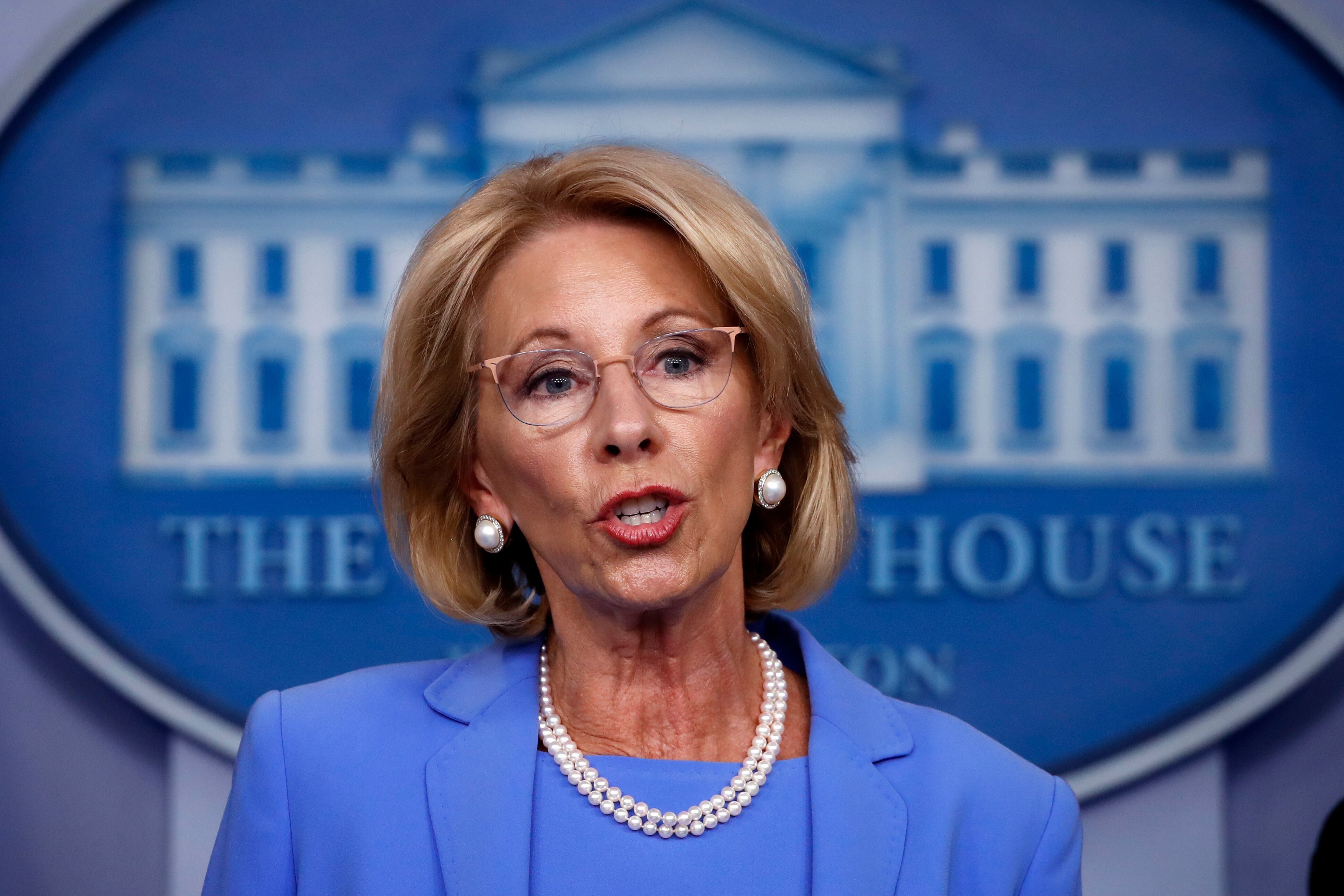
The U.S. Education Department has finalized campus sexual assault rules that bolster the rights of students who are accused of assault and harassment, reduce legal liabilities for schools and colleges, and narrow the scope of cases they will be required to investigate.
One day after saying that the COVID-19 task force would be winding down, President Donald Trump says it would continue on indefinitely, but focus on rebooting the economy.
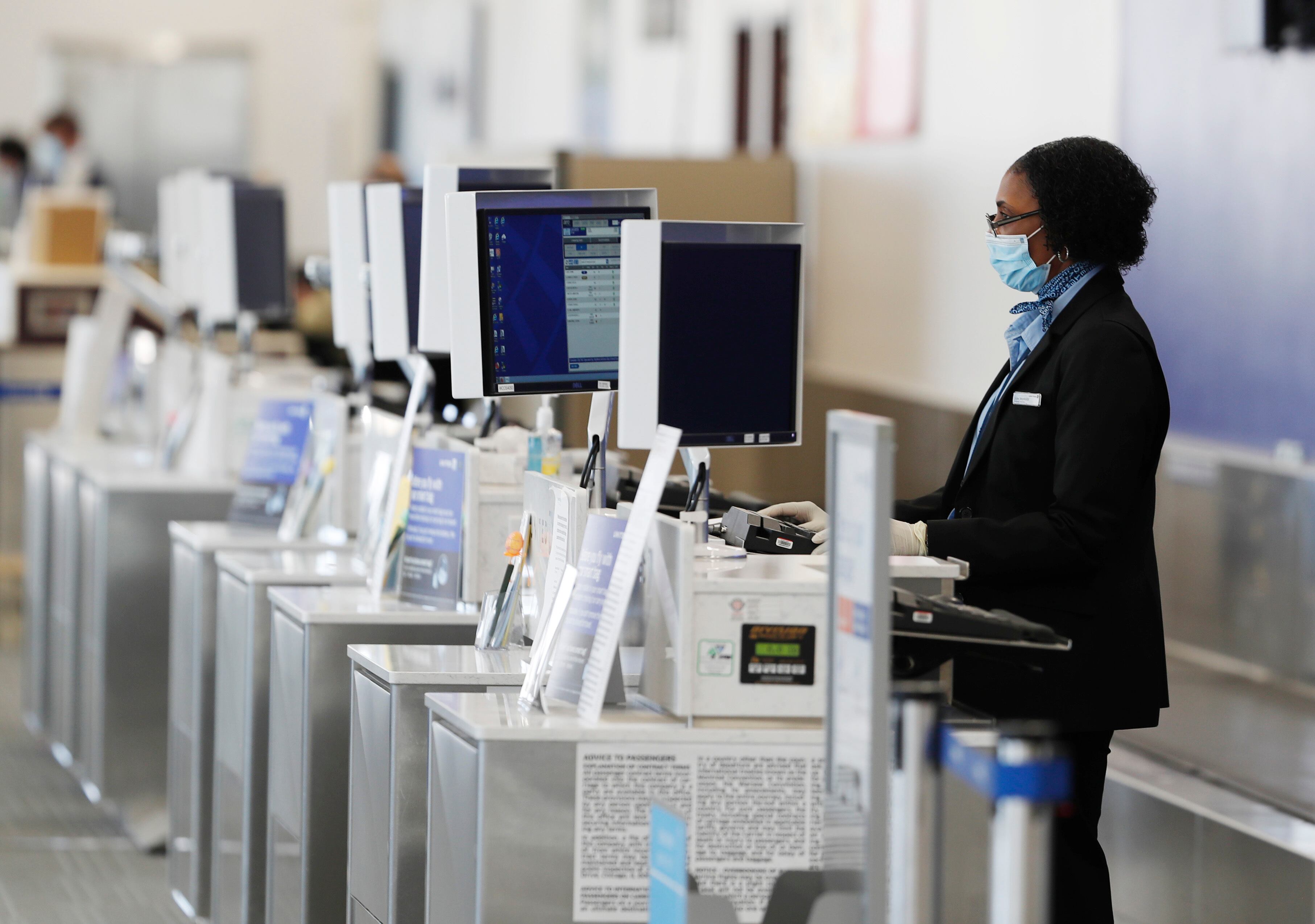
David Banmiller, an airline industry insider and former CEO of Pan Am, doesn't like referring to the $25 billion of relief the airline industry got from the federal government as a 'bailout.'
An Associated Press analysis finds that taking the New York metropolitan area’s progress against the coronavirus out of the equation shows the rest of the U.S. moving in the wrong direction, with the infection rate rising even as states move to lift their lockdowns.
Stocks closed higher on Wall Street but gave up about half of their early gains in a late-afternoon bout of selling. The S&P 500 rose 0.9% Tuesday after being up 2% earlier.
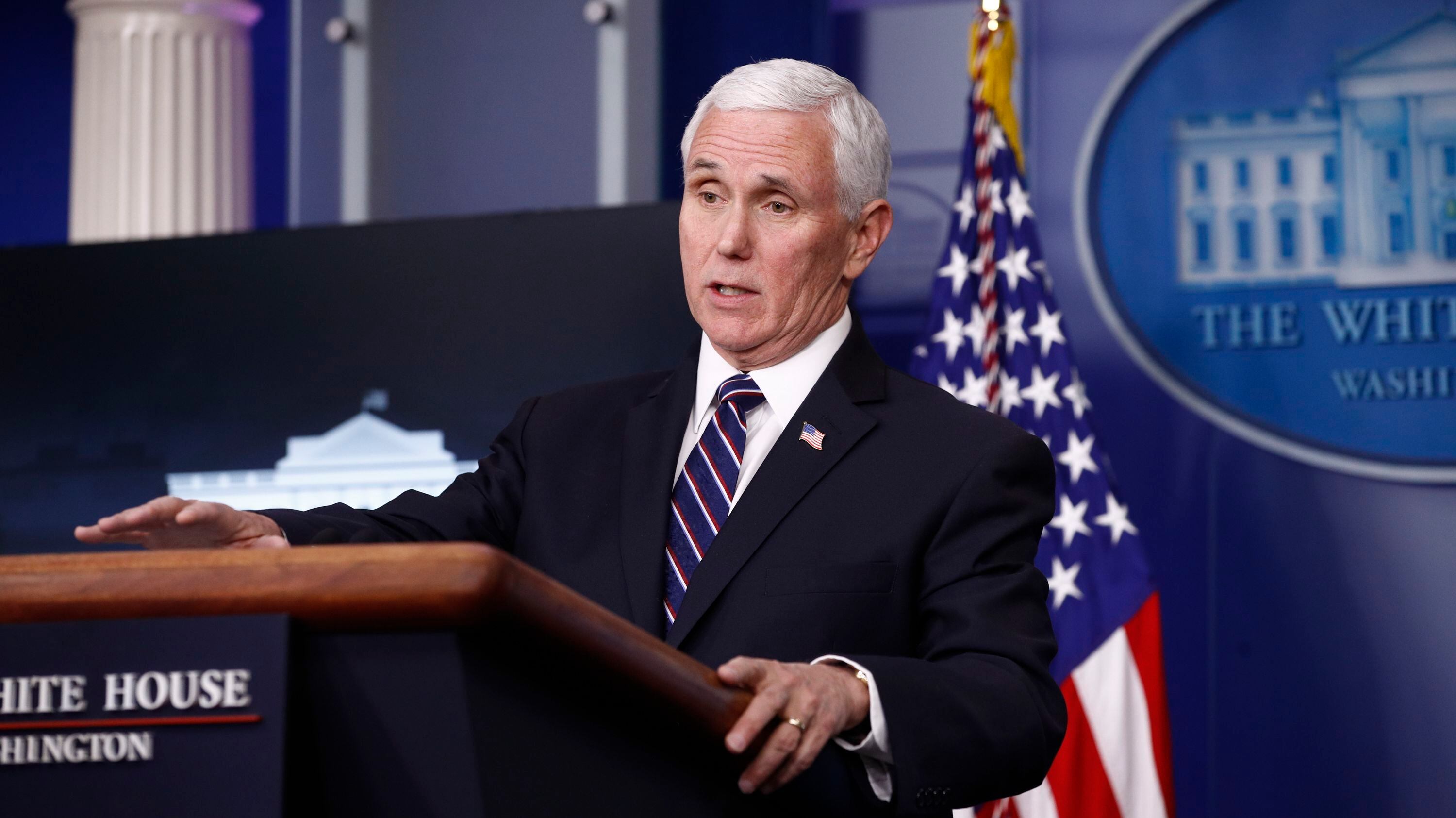
Vice President Mike Pence says the White House coronavirus task force could wind down its work by early June.
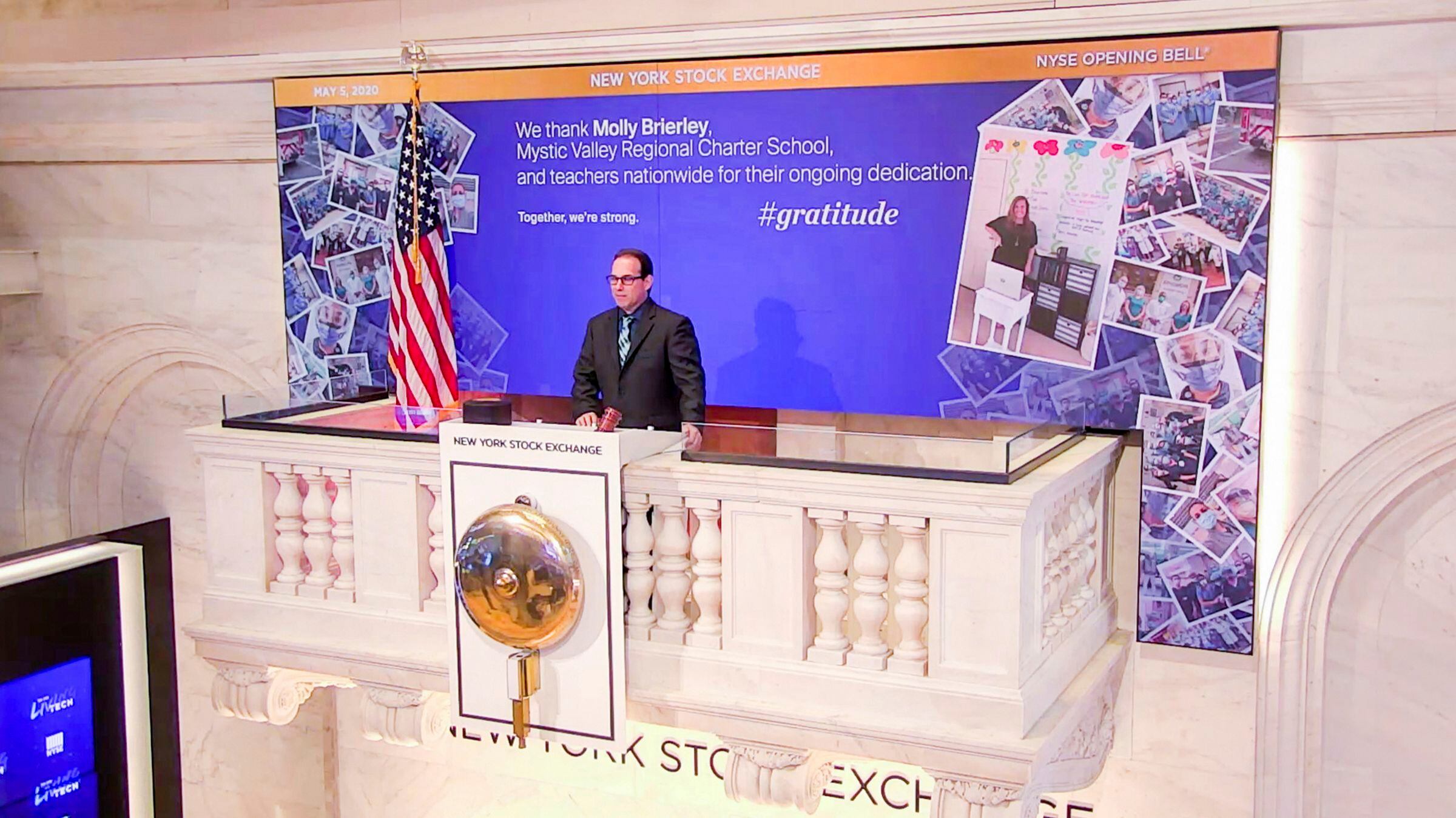
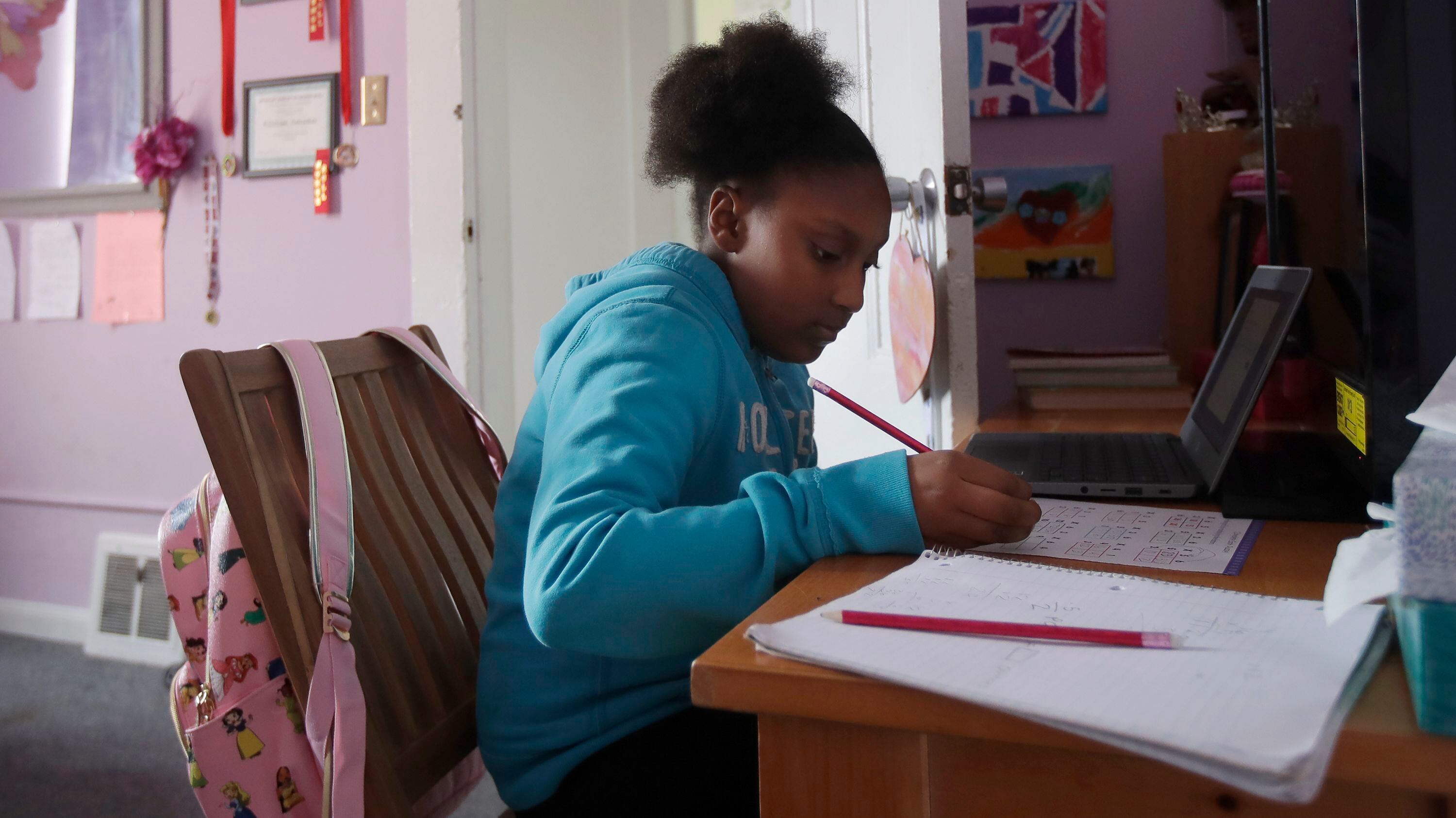
Randi Weingarten, president of the American Federation of Teachers, told Cheddar on Tuesday that they were not prepared to switch so quickly and have been working well with what they have, but online learning simply isn't the same as teaching in person.
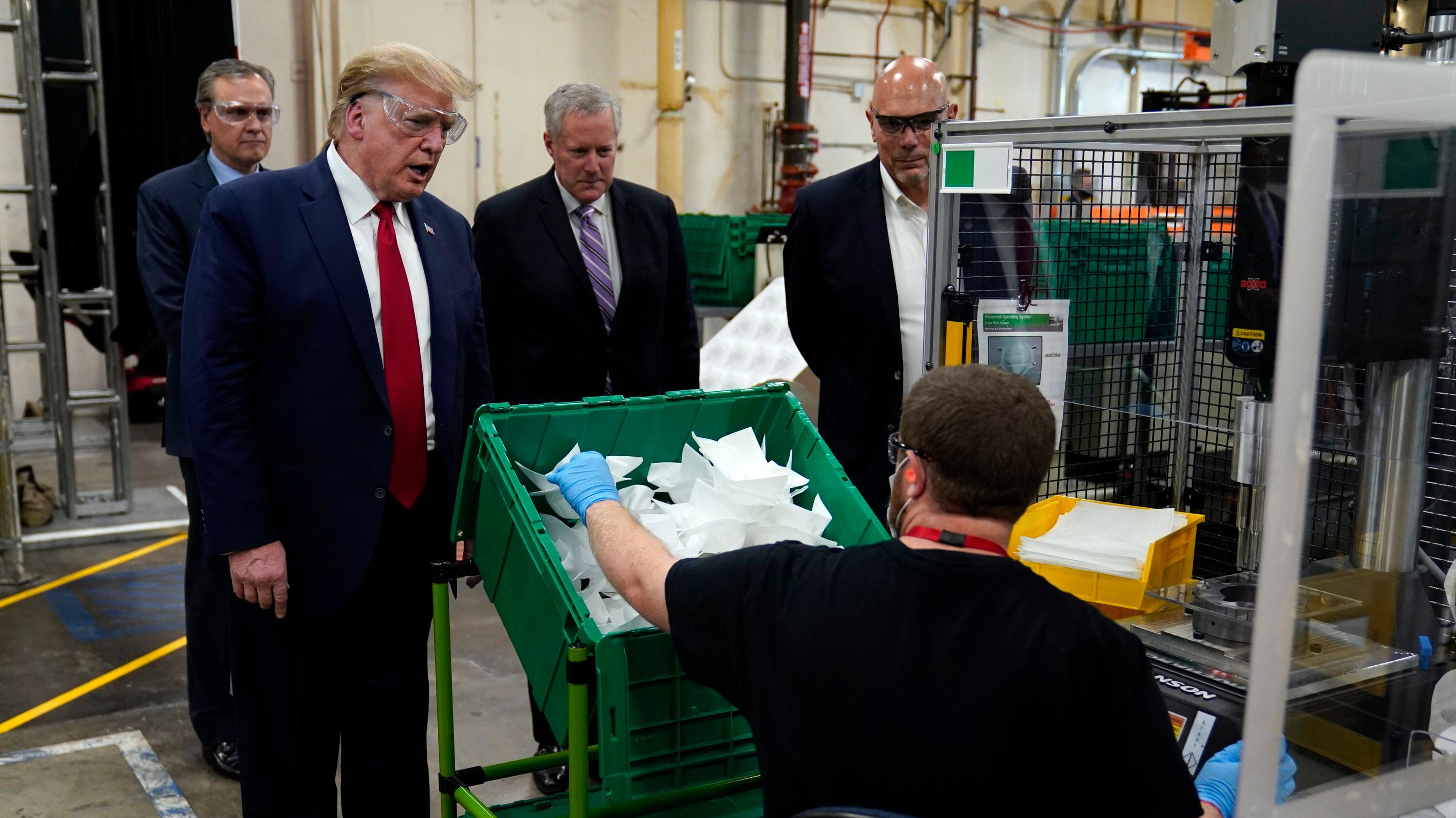
The trip means a small army of advisers, logistical experts and security staff will also resume regularly hitting the road and taking a measure of risk to assist Trump.