The House of Representatives is expected to re-vote on the Republican Tax bill Wednesday, after procedural problems invalidated the previous votes.
Three portions of the bill reportedly violate the Senate’s Byrd rule, although congress members had already voted 227-203 in favor of the bill. The Senate is expected to continue reviewing its version and vote Tuesday night.
Rep Beto O'Rourke (D-TX), who voted “ no” in the first round of votes, spoke to Cheddar ahead of the most recent snafu, and said that the bill was “terrible”. O’Rourke says Congress had the opportunity to promote upward mobility for low-income and middle class Americans, but doesn’t think the current version does that. Instead, he argues that the plan transfers 86 percent of tax cuts to the wealthy, and knocks 13 million people off health insurance.
“This is the most massive restructuring of the tax code in more than 30 years, and unfortunately this was a blown opportunity,” Rep. Beto O'Rourke (D-TX), told Cheddar.
Before the voting glitch was revealed, President Donald Trump, Vice-President Mike Pence, and Speaker of the House Paul Ryan, all took to Twitter to celebrate the win. Notably, Speaker Ryan says that the bill is going to help struggling Americans who are living “paycheck-to-paycheck.”
“We said in 2016 that it will take real tax reforms for families and businesses to get the economy growing, and we were serious,” he said.
For full interview [click here](https://cheddar.com/videos/congressman-beto-orourke-d-tx-is-taking-on-texas-senator-ted-cruz).
An overnight stampede in Israel kills dozens, a look at the COVID disaster in Latin America, the economic repositioning in America, a new shortage to report and did people really answer the phone without Caller ID?
China has launched the main module of its first permanent space station that will host astronauts long term.
This time the Food and Drug Administration is under pressure from African American groups to remove the mint flavor, which is popular among Black smokers.
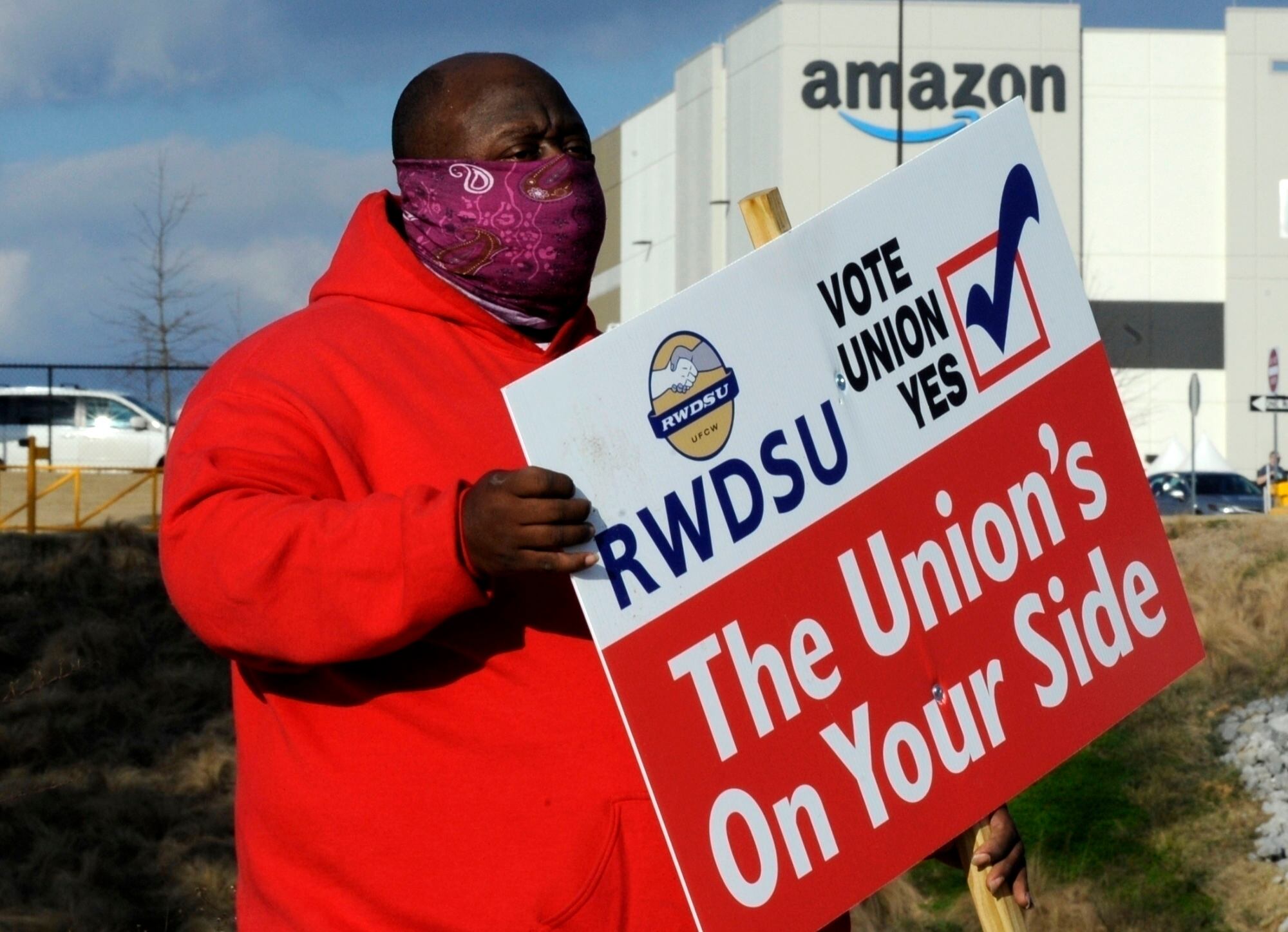
Fresh off a high-profile loss against Amazon in Bessemer, Alabama, the union movement in America is more fired up than it's been in a generation.
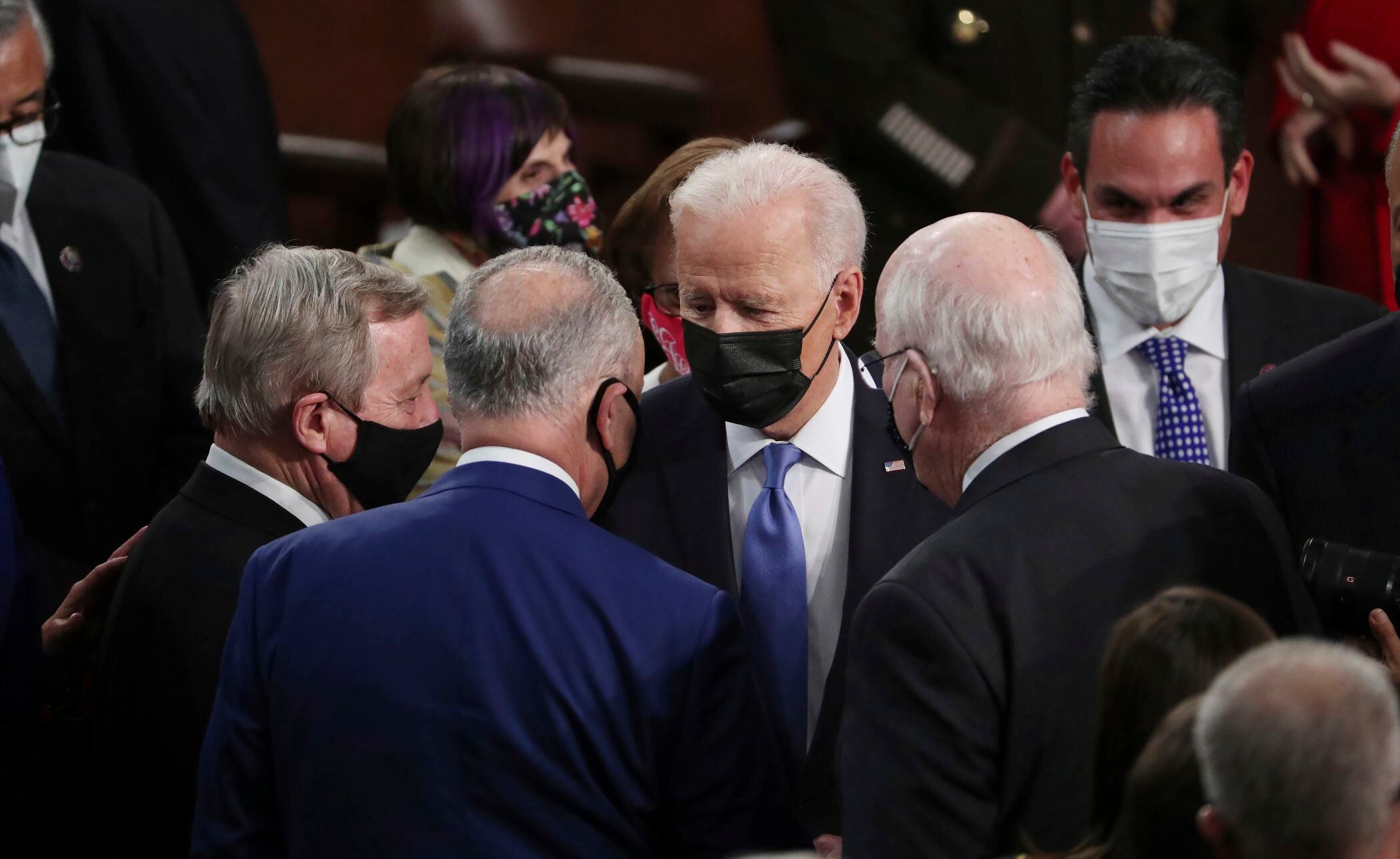
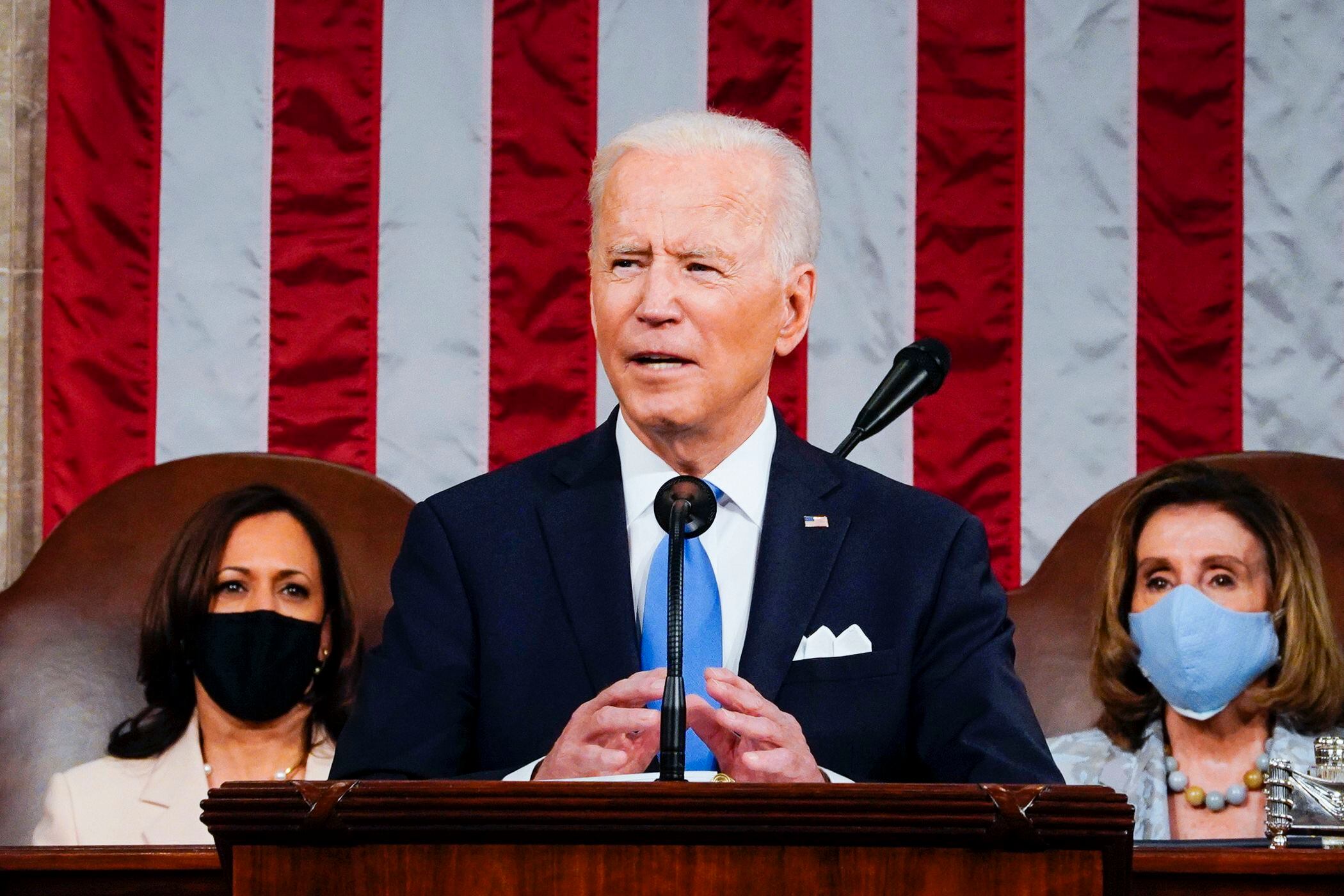
The headlines from President Biden's first speech to Congress, plus why he's got reason to be sounding optimistic about the state of the pandemic. And would you let a Walmart worker stock your fridge?
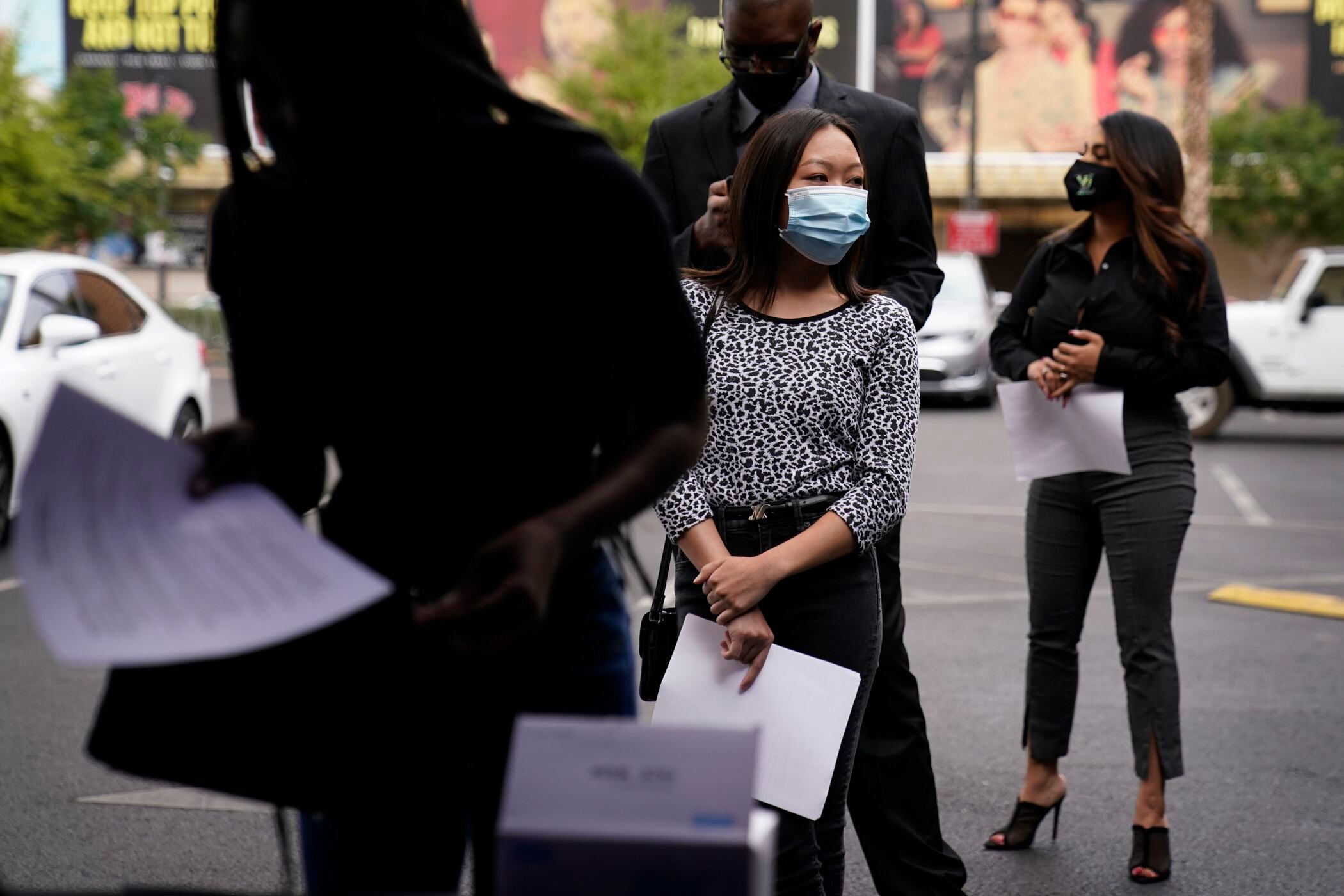
The number of Americans applying for unemployment benefits dropped by 13,000 last week to 553,000, the lowest level since the pandemic hit last March and another sign the economy is recovering from the coronavirus recession.
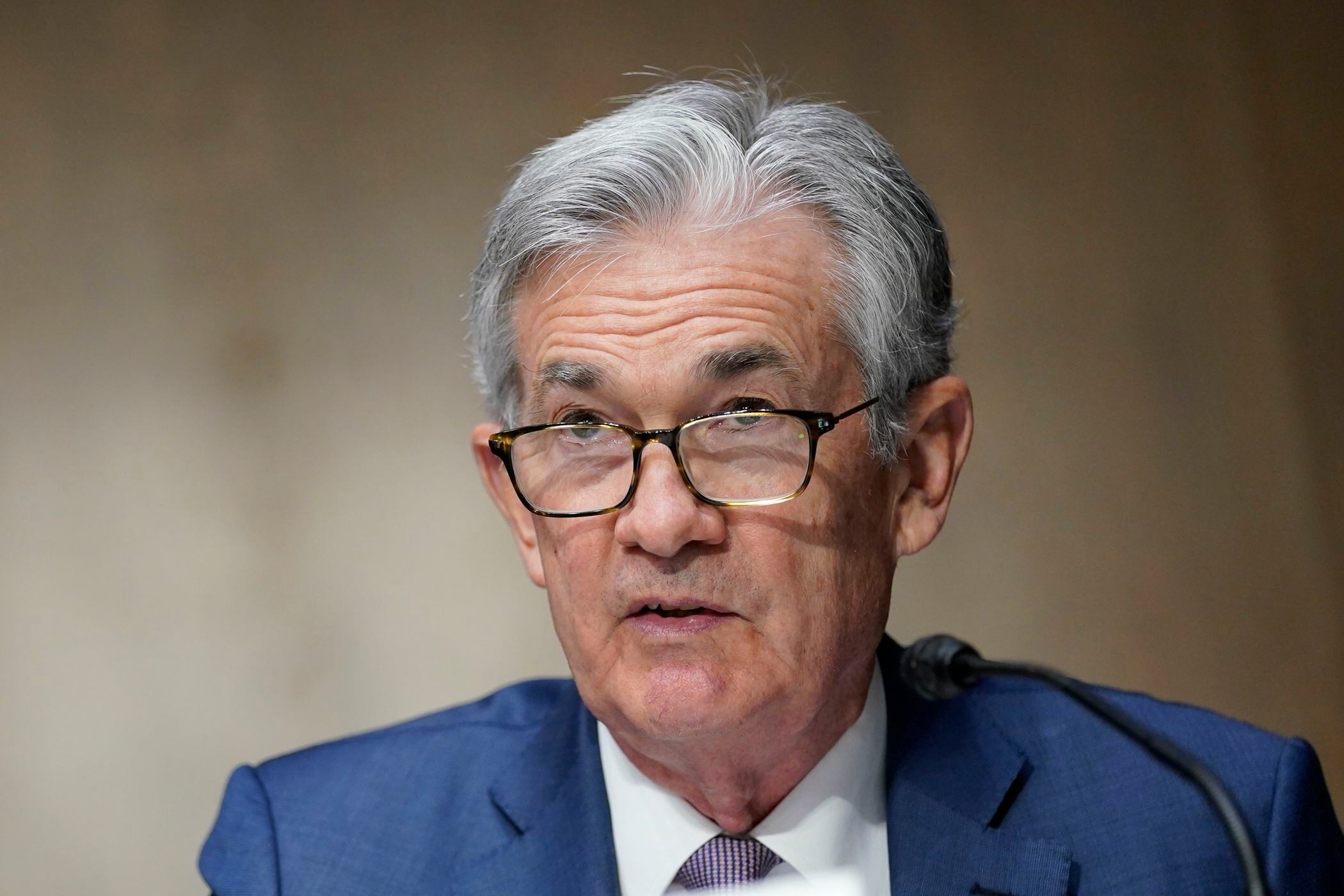
Federal Reserve Chair Jerome Powell stuck to his guns on Wednesday following a two-day policy meeting of the Federal Open Market Committee.
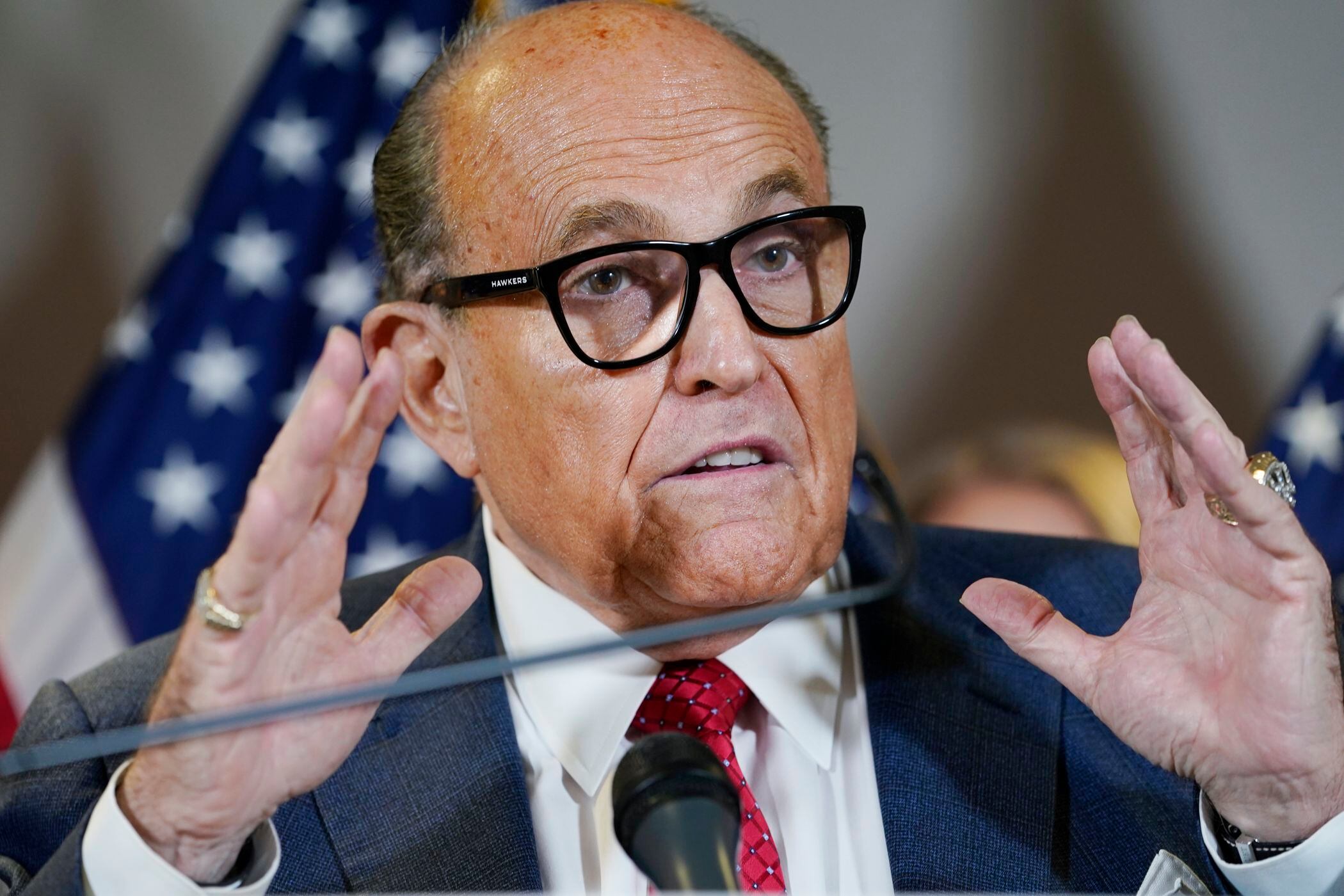
Former President Donald Trump is defending Rudy Giuliani, his longtime personal lawyer, after federal investigators executed search warrants at Rudy Giuliani’s Manhattan residence and office.
President Joe Biden declares “America is rising anew” as he calls for an expansion of federal programs to drive the economy past the coronavirus pandemic and broadly extend the social safety net on a scale not seen in decades.
Jill and Carlo discuss the CDC's updated mask guidance, a deeper dive into the catastrophe in India, what POTUS will pitch to Congress, and the biggest public health breakthrough of the decade that you haven't heard about.