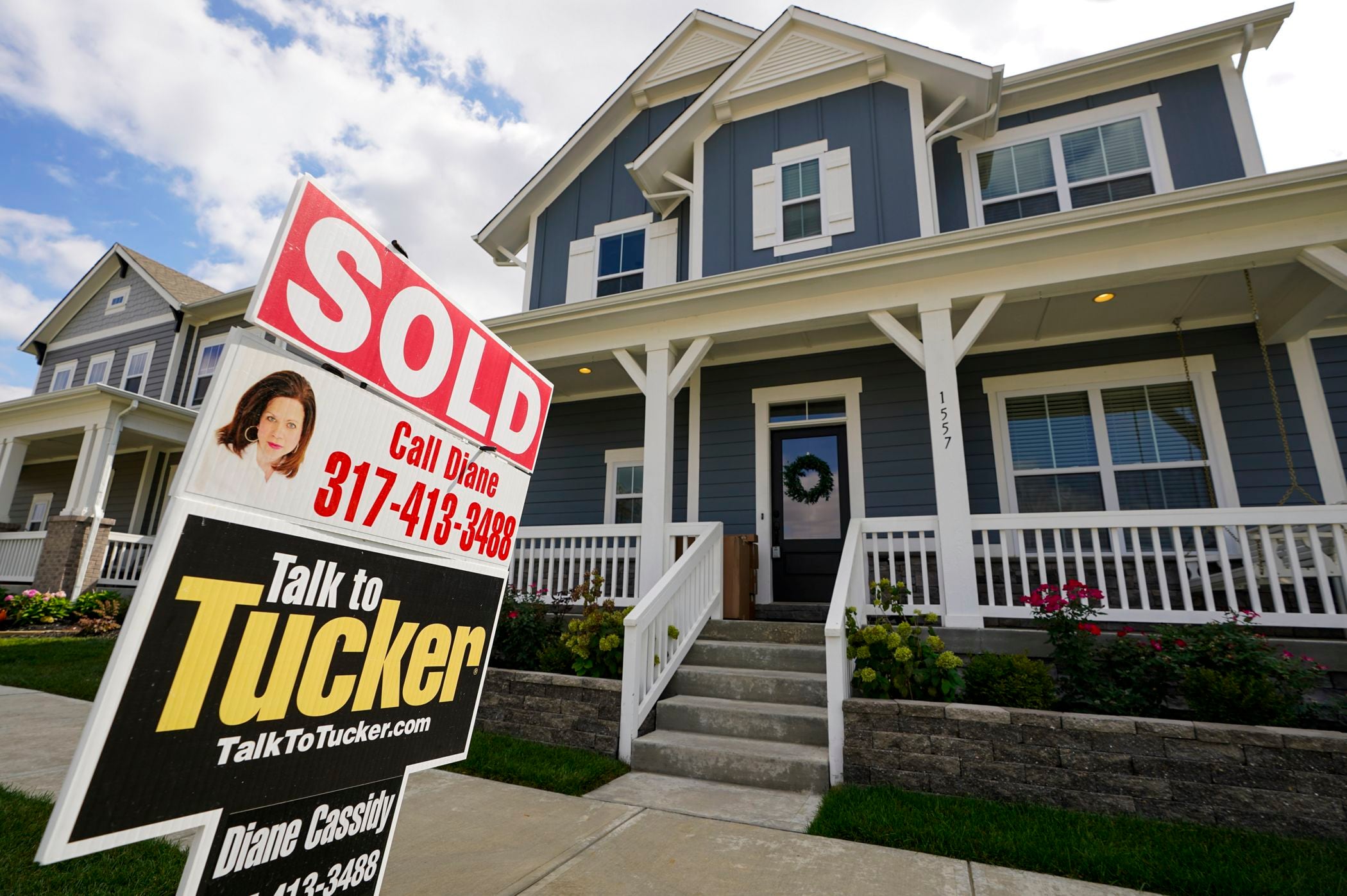
How low can they go? That was the question lenders and homebuyers were asking themselves throughout 2020 as mortgage rates hit record lows month after month during the pandemic.
The average rate on the benchmark 30-year fixed mortgage rate, for instance, hit a low of 2.65 percent in December. For comparison, rates hovered between 3.5 and 5 percent in the decade since the Great Recession, which had already driven down rates compared to historic averages.
For existing mortgage holders, this meant it was a great time to refinance. For those just entering the housing market, it was an incentive to buy now even as home prices increased.
The simple explanation for why rates fell so low last year is that mortgage rates are heavily influenced by the yield on U.S. Treasury bonds, which are a safe-haven asset for investors in times of crisis. As more investors moved into treasury bonds amid the economic downturn, basic supply and demand meant lower yields, pushing down mortgage rates in the process.
By that logic, an improved economy overall would mean an uptick in mortgage rates, and with the new Biden administration committed to a $1.9 trillion stimulus package and a more robust response to fighting the virus, that's exactly what mortgage experts are anticipating.
"We're expecting the incoming administration to deliver additional help to a lot of households and businesses," Joel Kan, assistant vice president of economic and industry forecasting for the Mortgage Bankers Association (MBA), told Cheddar. "At the end of the way, what all this is going to do is not just boost growth and lower unemployment but put upward pressure on rates."
The market got a taste of higher rates last week as the 30-year, fixed rate popped to 2.79 percent and has stayed close to that rate going into this week. MBA forecasts the rate will increase to 3.4 percent by the end of 2021, which Kan pointed out is still low by historical standards.
"It used to be that 4 percent was rock bottom for mortgage rates," he said. "Going from 2.8 to 3.5 percent might not seem like a lot, but it might be for someone who is looking to refinance or just recently refinanced."
As rates steadily increase, Kan said there will likely be a period of adjustment for lenders who were used to operating in a more accelerated market.
"One big impact that we're going to see is a slowdown in industry refinance activity," he said. "2020 was one of the biggest refinance years that we've seen on record. We're estimating that 2020 is going to end at around $2.15 to $2.2 trillion in refis."
In some cases, he added, lenders will have to scale down their operations to align with the new reality — though relatively low rates could keep the industry humming for the foreseeable future.
"Entering 2021, we anticipate a modest rise in rates that will likely affect refinance originations, which are coming off a remarkable year," said Sam Khater, chief economist at Freddie Mac, in a press release. "We therefore forecast total originations to decline slightly to $3.3 trillion but remain strong this year."
This low-rate environment has coincided with a housing boom. Home construction jumped 5.8 percent in December, the biggest increase since before the 2008-2009 housing crash, though economists anticipate an easing in construction as well as rates this year.
"We expect the pace of housing starts to moderate in 2021 as homebuilders confront constraints including high lumber prices and shortages of lots and labor," said Nancy Vanden Houten, lead U.S. economist at Oxford Economics, a global economic research firm.
In the long-term, however, the impact of mortgage rates may pale in comparison to broader demographic and social changes in the wake of the coronavirus pandemic.
"The second half of 2020 was a huge year for the housing market in terms of purchase activity," Kan said. "That was not only sort of a recovery of the pent-up demand. We started to see sort of a shift and new demand from people looking to move out of more densely populated areas because of the public health concerns."


