*By Michael Teich*
Trade tensions between the U.S. and China are reaching new heights after the Trump administration proposed tariffs on an additional $200 billion worth of Chinese imports.
Stocks fell sharply on the news, with the Dow Industrials closing Wednesday down nearly 220 points. But some investors think the pullback could be an opportunity for investors.
"Put money to work today," said Kate Warne, Investment Strategist at Edward Jones. "The market is reacting to headline announcements."
"This is really a negotiating posture, rather than something that will go into effect."
Despite accelerating trade fears, Wall Street's attention should shift to corporate earnings season, according to Warne.
"Earnings will be a catalyst for stocks to move higher," she said. "It matters more than the trade tensions, in terms of the outlook for the market."
Banking giants JPMorgan and Citigroup report second quarter earnings on Friday. Netflix releases its results after the bell on Monday.
For the full segment, [click here.](https://cheddar.com/videos/this-is-the-reason-to-buy-the-next-market-dip)
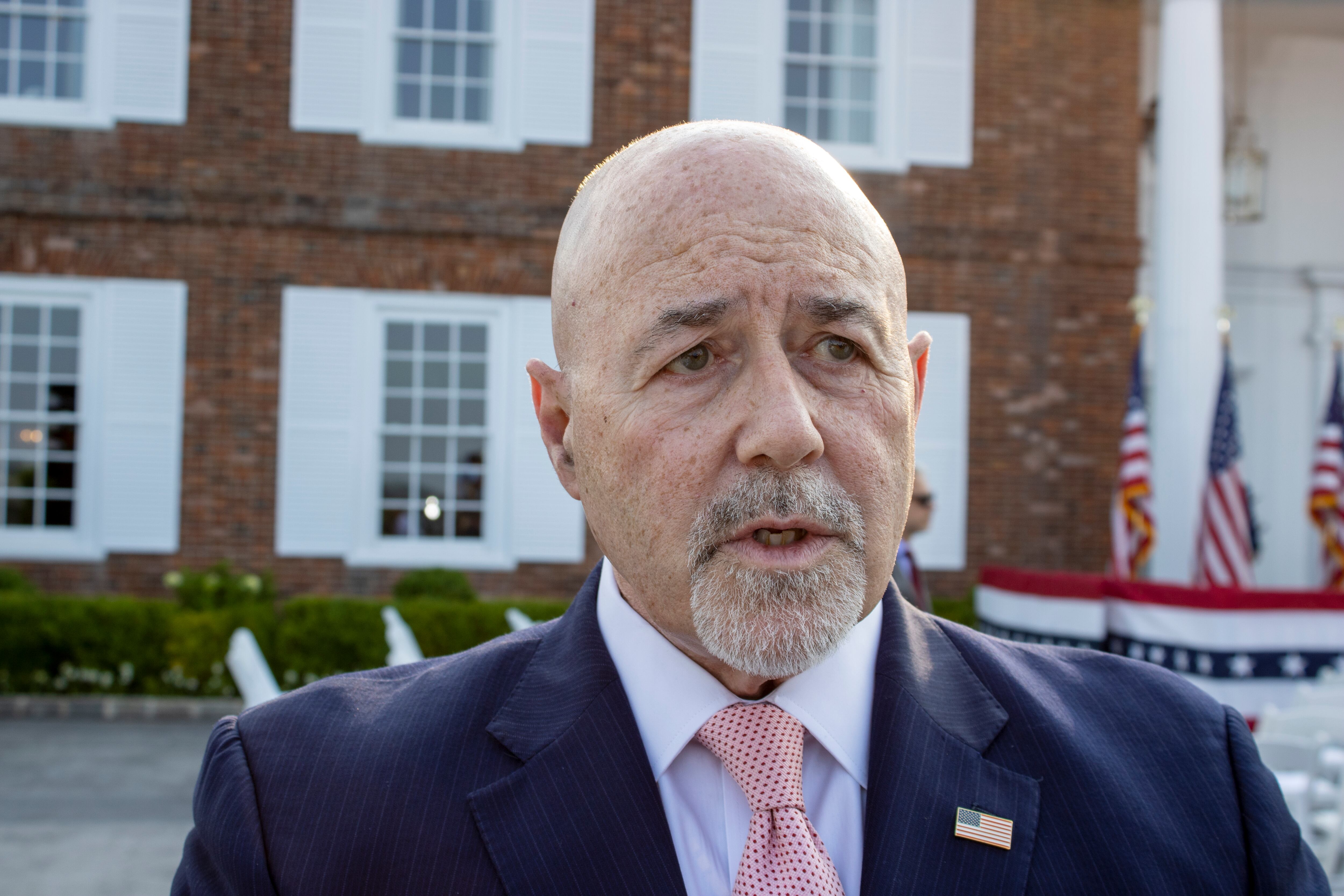
The lawyer for former NYPD commissioner Bernard Kerik turned over thousands of pages and documents to a special counsel as part of an investigation into Kerik's alleged involvement to overturn the results of the 2020 election.
Israel’s parliament on Monday approved the first major law in Prime Minister Benjamin Netanyahu’s contentious plan to overhaul the country’s justice system, triggering a new burst of mass protests and drawing accusations that he was pushing the country toward authoritarian rule.
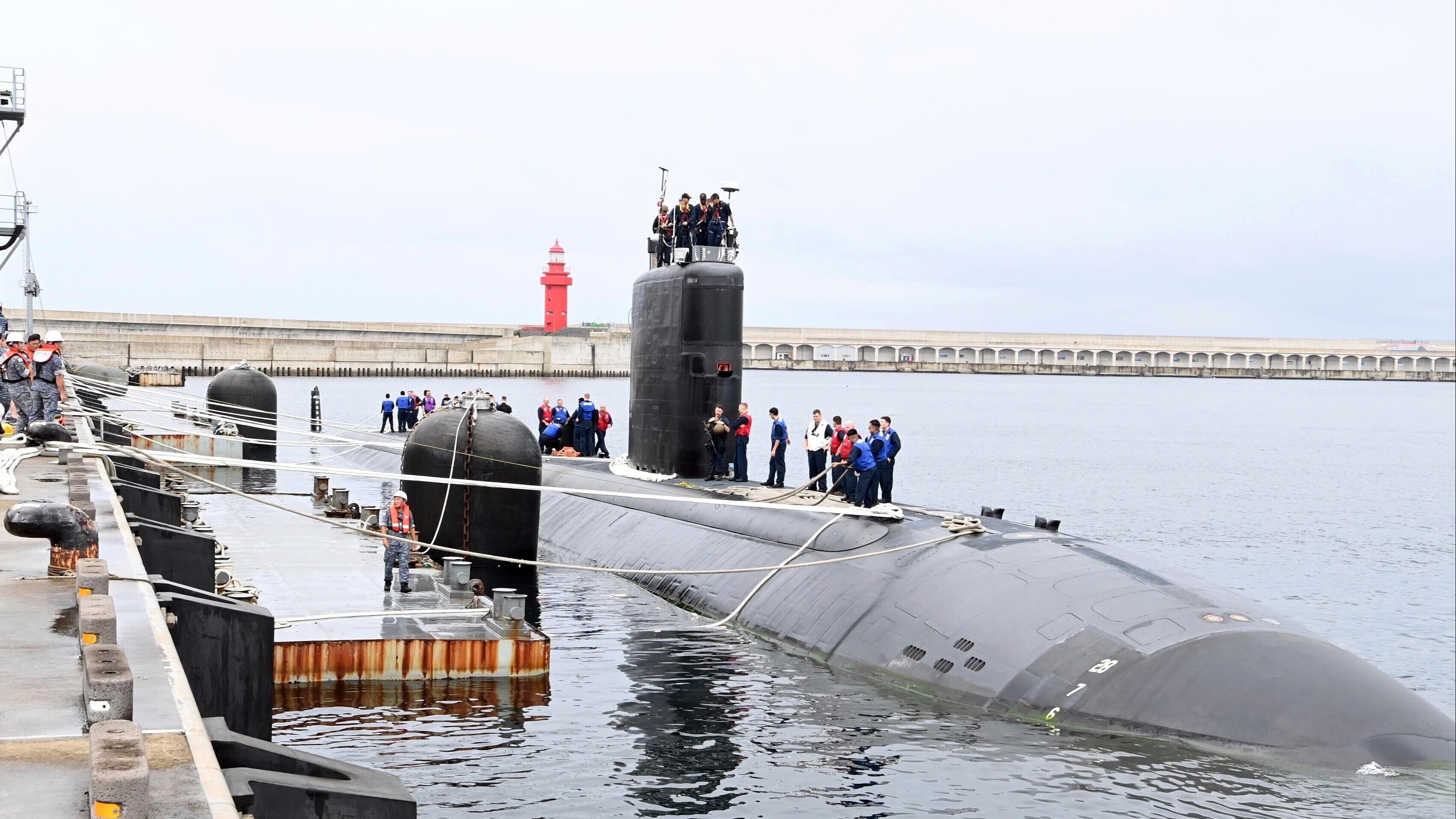
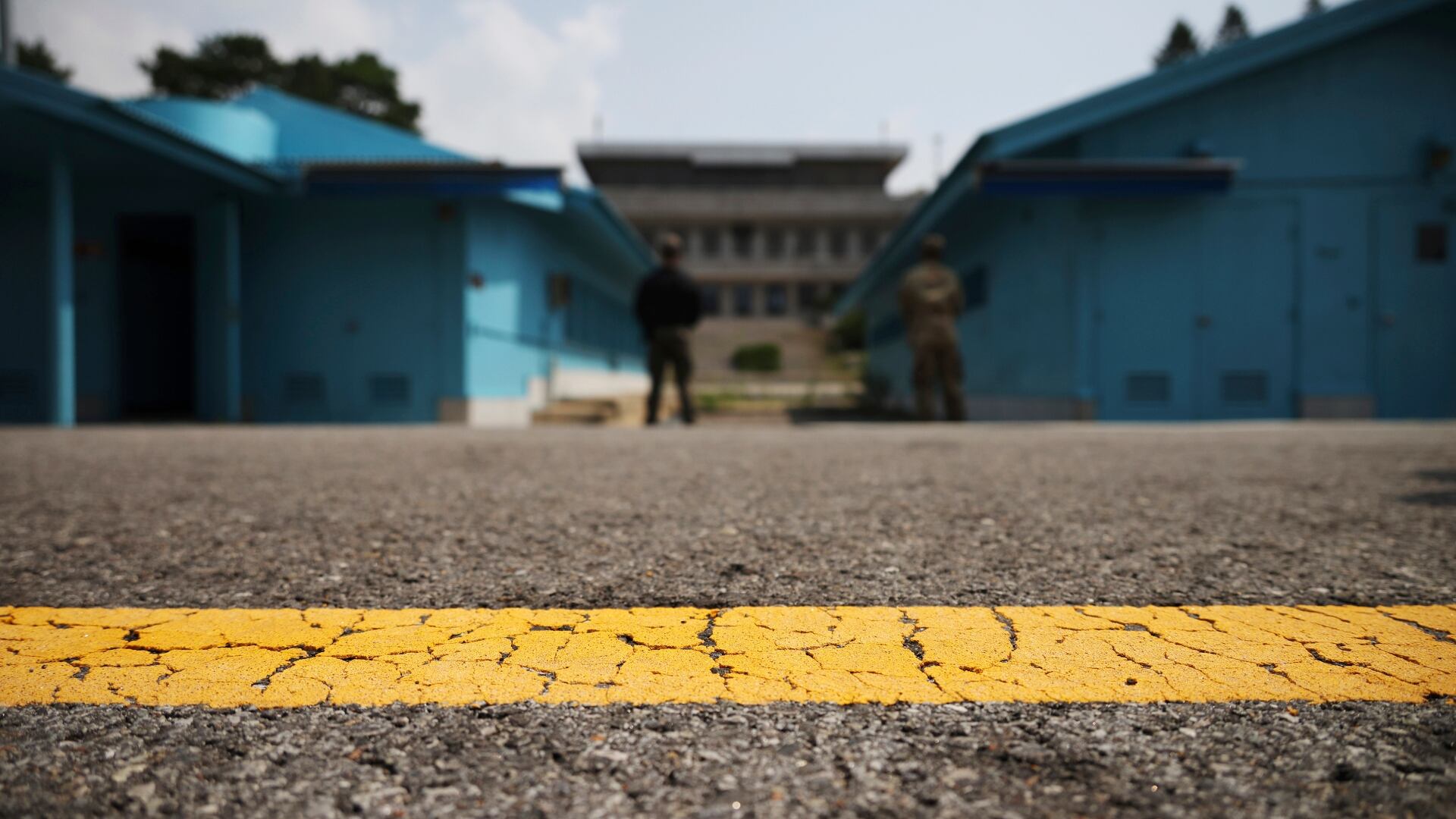
North Korea fired two short-range ballistic missiles into its eastern sea, South Korea’s military said Tuesday, adding to a recent streak in weapons testing that is apparently in protest of the U.S. sending major naval assets to South Korea in a show of force.
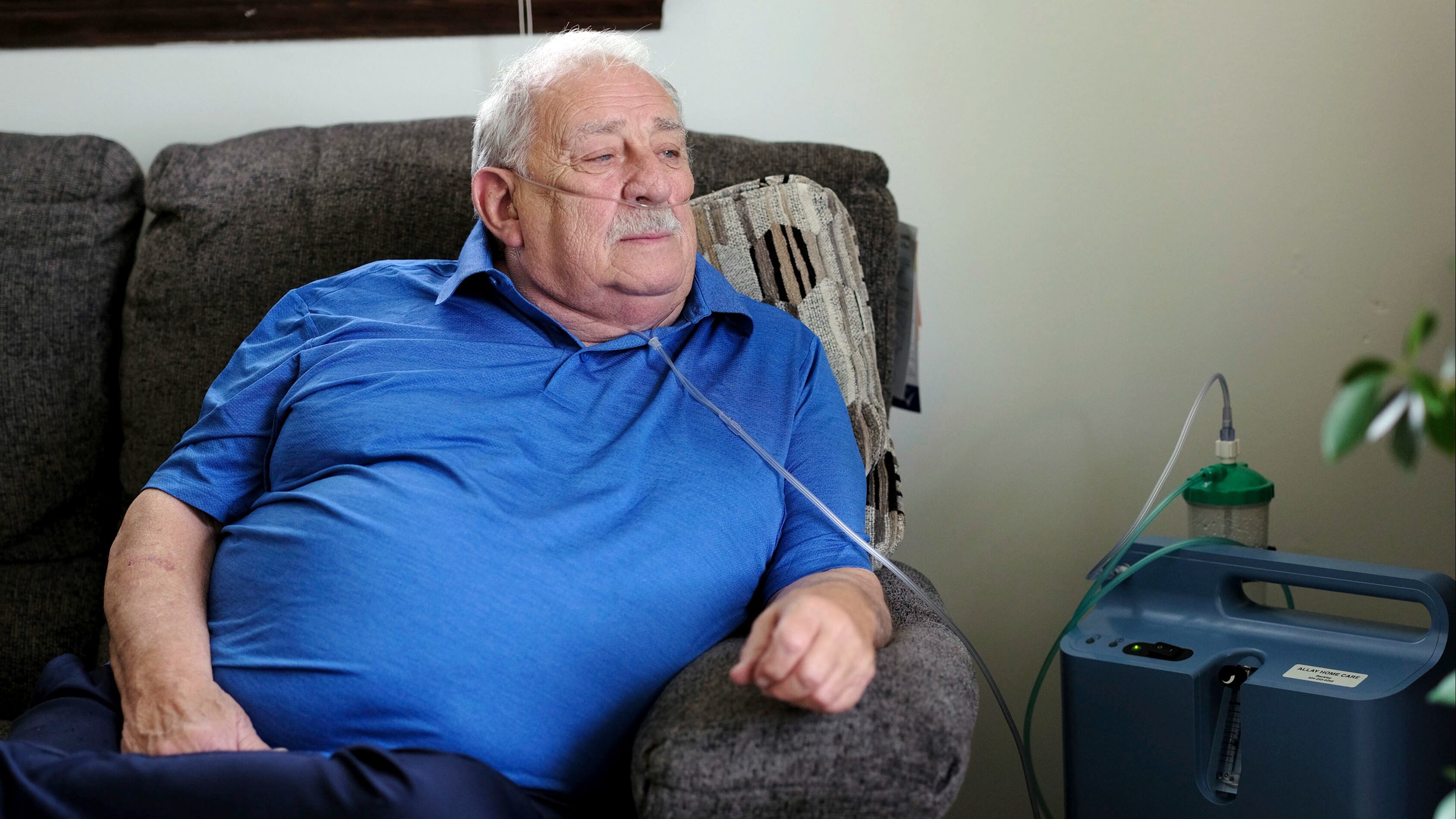
Now the federal Mine Safety and Health Administration has proposed a rule that would cut the current limit for silica exposure by half — a major victory for safety advocates. But there is skepticism and concern about the government following through after years of broken promises and delays.
A state trooper's account of officers denying migrants water in 100-degree Fahrenheit (37.7 Celsius) temperatures and razor wire leaving asylum-seekers bloodied has prompted renewed criticism.