On July 29, 14-year-old basketball star Semaj Miller was gunned down in South Los Angeles.
At six-foot-seven-inches tall, the Compton teenager was expected to go far with the L.A. City Wildcats, an association that helped launch the career of NBA player James Harden.
Now the community is mourning his loss.
"Semaj was such a talented kid who lost his life too soon," Rapper Percy “Master P” Miller, a coach and part-owner of the team, told Cheddar. "We have to stop this senseless killing, gun violence in our community. It's not the police. This is us killing us."
Miller lamented that gun violence is robbing the next generation of its talent, as well as those who could find success and come back and invest in their communities.
"This kid could have been the next LeBron James, could have been the next James Harden," he said. "We'll never get to know how talented this kid could have been."
Stepping outside of the rhetoric used in recent protests against police violence, the rapper said it was the responsibility of citizens to stop the violence in their own communities.
"I know we're out here protesting for Black Lives Matter, but my thing is, 'Okay, our kids matter,'" he said. "This is our future."
Miller didn't outline specific preventive measures but emphasized parenting and education.
"It's got to start in our community. We have to stand up for these kids. We have to protect them. We have to educate them," he said.
Catching you up on what you Need to Know on Mar 28, 2022, with peace talks resuming in Ukraine as early as today, Colorado wildfires causing evacuations, Shanghai, China, ramping up restrictions once again, the Oscars debacle between Will Smith and Chris Rock, and more.
When Will Smith marched onto the Oscars stage and smacked Chris Rock, the unpredictable moment served as a jarring interruption to Hollywood’s feel-good celebration.
The U.S. market value of the plant-based food industry reached an all-time high last year. According to a new report from the Plant Based Food Association, retail sales of plant-based foods reached $7.4 billion, but questions are arising over whether the industry can sustain the levels of growth it had in the past few years. Julie Emmett, senior director of marketplace development at the Plant Based Food Association, joined Cheddar News' Closing Bell to discuss.
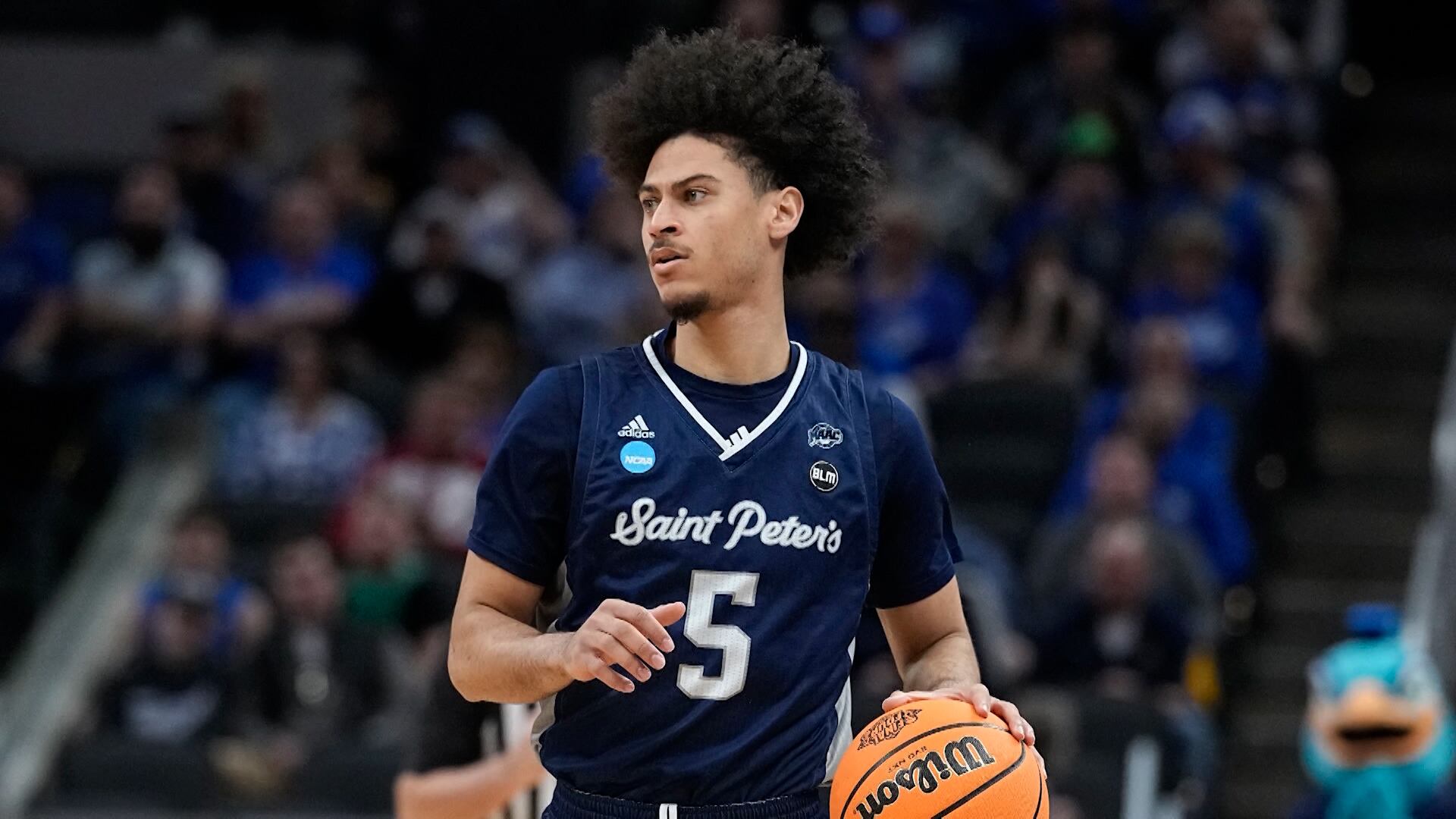
Saint Peter's University - a small school in New Jersey school - has skyrocketed to the center of the sports world in a 'Cinderella' story for the record books. The ultimate underdog of the men's March Madness tournament is just the third 15-seed to reach the Sweet 16, after beating Murray State and college basketball powerhouse Kentucky. Throughout the university's historic run, Saint Pete's has reportedly been earning what amounts to millions of dollars in publicity. Amanda Christovich, reporter for Front Office Sports, joins Cheddar News' Closing Bell to discuss.
Kyte, a company that delivers rental cars to customers on-demand, closed an asset-backed credit financing of up to $200 million from Goldman Sachs and the Ares Global Management Alternative Credit Team to accelerate the company's fleet growth and margin expansion. Kyte and its financing providers will create a more robust trip economy that services a more demanding customer with a shared vision of an electrified, autonomous future. Ludwig Schoenack, co-founder and co-CEO of Kyte, joins Cheddar News' Closing Bell to discuss.
Volatility continues to be the name of the game when it comes to crypto. Bitcoin, the most valuable digital token, saw a small jump today - one of several small rallies throughout the month of March. Caitlin Cook, vice president of crypto education company Onramp Academy, joins Cheddar News' Closing Bell to discuss.
Biden says Putin can't remain in power, Will Smith slaps Chris Rock at the Oscars, and a fashion show, just not IRL. Here is all the news you Need2Know for Monday, March 28, 2022.
After scrutiny over the negative impact on the mental health of children, social media apps have begun adding stricter limitations to parental controls. Jim Steyer, CEO of Common Sense Media, a nonprofit organization focusing on recommendations for entertainment platforms, joined Cheddar News to talk about the changes, why they might not be enough, and what parents can do to help. "It's almost that the companies — whether they're Snapchat, Instagram, YouTube, or whatever — have to start the process from the beginning of designing the product," he said. "They have to be much more clear about age verification so that a 12-year-old and 11-year-old can't get on there." Steyer also pushed for federal legislation to reign in the issue.