On July 29, 14-year-old basketball star Semaj Miller was gunned down in South Los Angeles.
At six-foot-seven-inches tall, the Compton teenager was expected to go far with the L.A. City Wildcats, an association that helped launch the career of NBA player James Harden.
Now the community is mourning his loss.
"Semaj was such a talented kid who lost his life too soon," Rapper Percy “Master P” Miller, a coach and part-owner of the team, told Cheddar. "We have to stop this senseless killing, gun violence in our community. It's not the police. This is us killing us."
Miller lamented that gun violence is robbing the next generation of its talent, as well as those who could find success and come back and invest in their communities.
"This kid could have been the next LeBron James, could have been the next James Harden," he said. "We'll never get to know how talented this kid could have been."
Stepping outside of the rhetoric used in recent protests against police violence, the rapper said it was the responsibility of citizens to stop the violence in their own communities.
"I know we're out here protesting for Black Lives Matter, but my thing is, 'Okay, our kids matter,'" he said. "This is our future."
Miller didn't outline specific preventive measures but emphasized parenting and education.
"It's got to start in our community. We have to stand up for these kids. We have to protect them. We have to educate them," he said.
Developers for the video game "Call of Duty: Warzone" staged a walkout in protest of 12 quality assurance testers being laid off by parent company Activision Blizzard. This marks the latest work stoppage for the embattled game publishing giant.
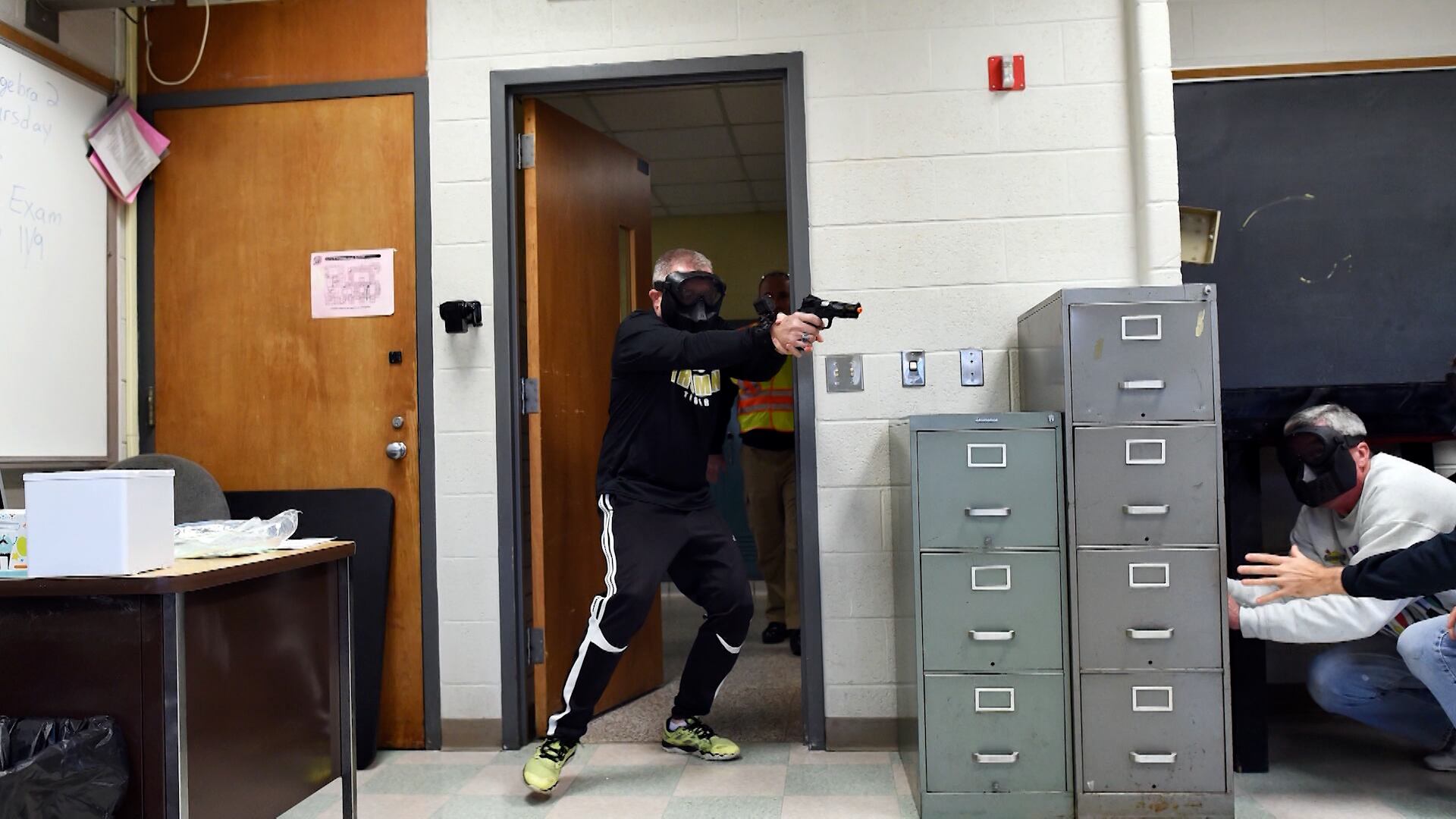
The most recent school shooting in Michigan is highlighting the tragic fact that U.S. shootings on campuses are ticking up. The aftermath of these incidents leaves students, faculty, and families suffering intense trauma with lasting effects. Darby Fox, an adolescent family therapist, joins Cheddar News to discuss how school shootings impact the mental health of students and their families.
With so many high-profile court cases taking over the media, from the trial over the murder of Ahmaud Arbery to the trial of Kyle Rittenhouse to the ongoing Elizabeth Holmes trial, Cheddar took a look at these cases and why there is such a big interest in them. Rachel Fiset, a white collar criminal defense lawyer and partner with Zeiback, Fiset, and Coleman, and Bryan Hance, attorney-at-law, professor, and academic program director of the pre-law and paralegal studies program at National University, joined Cheddar for a roundtable discussion on why there is so much public interest in so-called courtroom drama.
2022 is just around the corner and one of the world's most famous trendspotters says that there is a wide-ranging mix of trends coming up in the new year that could impact businesses, culture, and our society at large.
Trendspotter and cultural zeitgeist analyst Marian Salzman, joined Cheddar to discuss more.
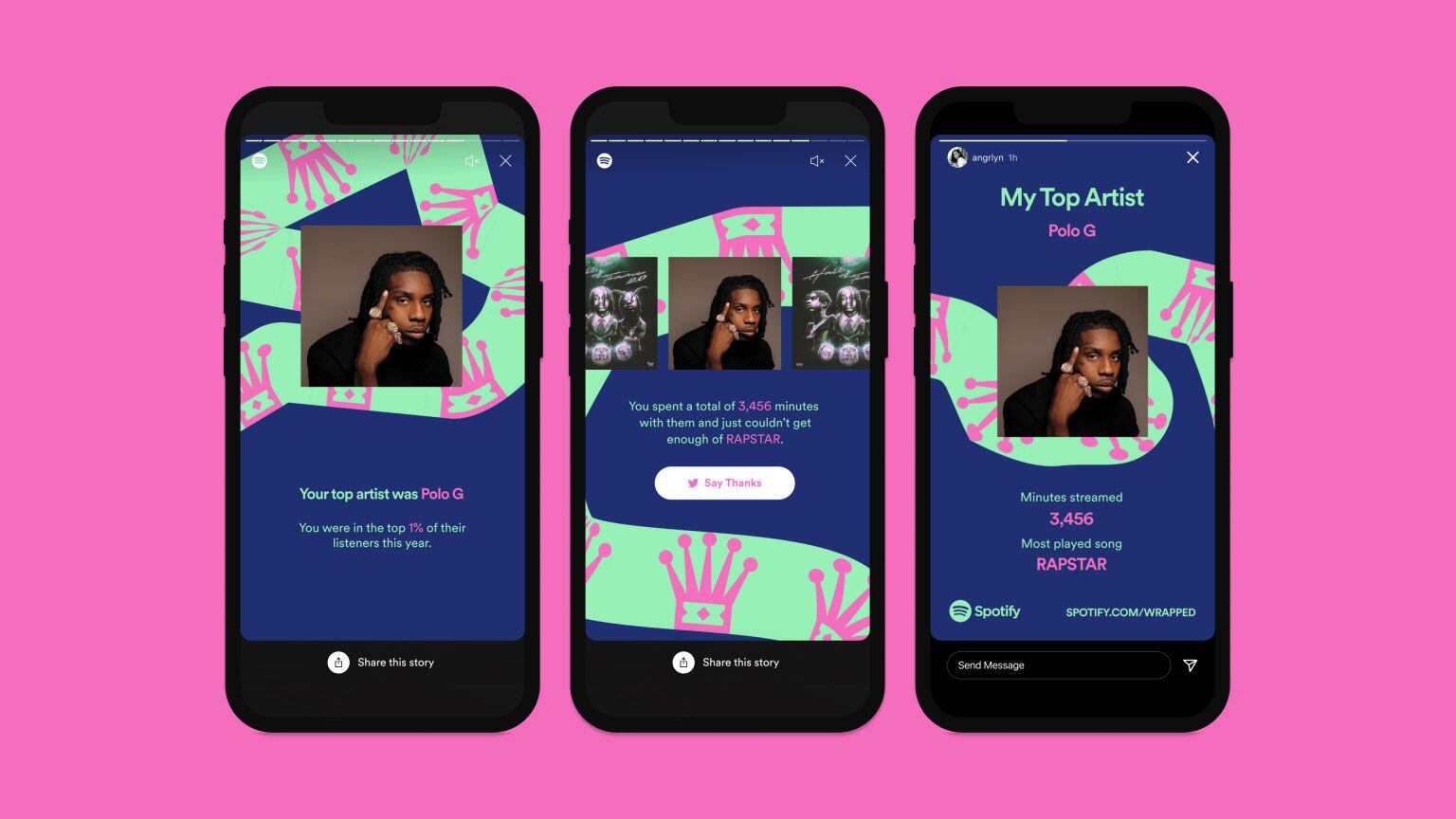
Spotify has just officially released its 2021 'Wrapped'. For the past few years, the streaming giant has been presenting customers with their listening habits from the prior year, including favorite artists, most listened to the genre, podcasts, songs you name it. However, critics say this method just shows how apps can collect our data. CEO of Prevailion Karim Hijazi, joined Cheddar to discuss more.
Recent internal documents obtained by the New York Times reveal how exactly TikTok's algorithm works. The report highlights how the app is mainly focused on retaining two metrics which are retention and time spent. In addition, the document titled, "TikTok Algo 101" details how the algorithm understands human nature from when we get bored to our sensitivity and culture ques. It means the app monitors will kind of videos you like. Professor of Computer Science at the University of California in San Diego Julian McCauley, joined Cheddar to discuss more.
According to a recent study by a group of international researchers, artificial intelligence can predict new illegal drugs before they hit the streets. This method could help save lives and fight crime. Professor of Computing Science at the University of Alberta, joined Cheddar to discuss more.
Carlo and Baker discuss the sweeping new vaccine mandate in NYC that will target all private businesses. Plus, Trump's media venture gets its CEO and more.