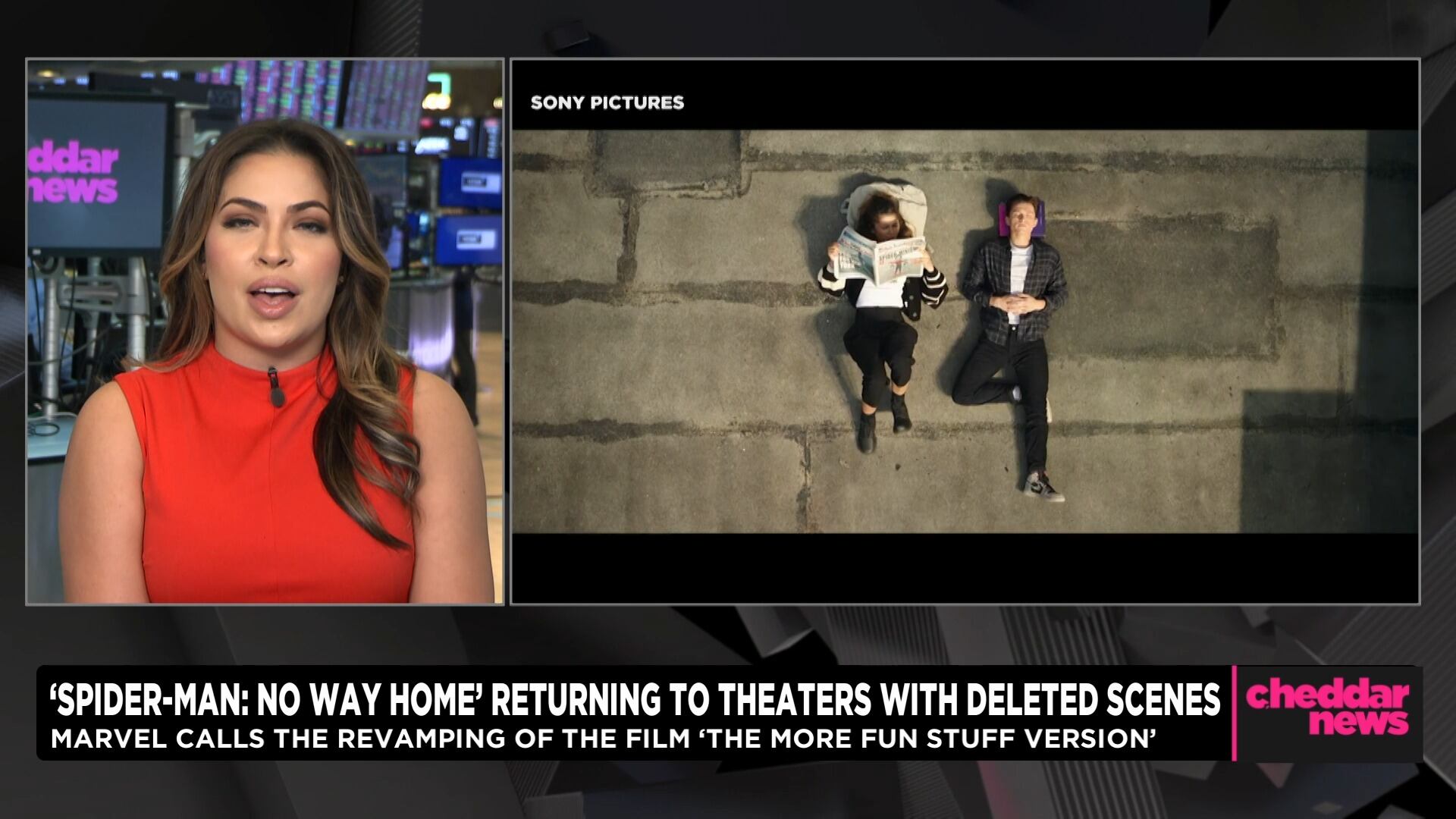
Behind Elon Musk's shiny, cutting-edge electric cars is a Tesla factory ridden with safety hazards where workers' injuries are covered up, [the investigative news site Reveal](https://www.revealnews.org/article/tesla-says-its-factory-is-safer-but-it-left-injuries-off-the-books/) reported on Monday. “That’s according to former members of his own environment health and safety teams,” said Will Evans, who co-wrote the Reveal article with Alyssa Jeong Perry. Their reporting found that Tesla lowered the injury rate at its Fremont, Calif., factory for 2017 by categorizing serious work-related injuries as personal medical issues or minor incidents, not by improving safety conditions. Workers at the factory said the traditional warning signs and yellow caution indicators were missing from the factory floor because Musk, “does not like the color.” He also doesn’t like the beeping sounds from forklifts, another common safety standard, the workers told Reveal. “We heard this over and over again, talked to several members of that team, and they all said this was a real thing,” said Evans in an interview on Cheddar on Tuesday. Between 2014 and 2015, Tesla's safety record was 31 percent higher than the industry average, according to [a report](http://worksafe.typepad.com/files/worksafe_tesla5_24.pdf) by a worker-safety advocacy group. In 2017, that number was inline with the industry average of 6.2 injuries per 100 workers. Evans said that safety problems arise because the company prioritized fast production over safety. Tesla has been under increasing pressure to speed up production of the mass-market Model 3 sedan. The company has been trying to "come up with workarounds on the fly to get cars out the door," said Evans. Musk said he has been [sleeping on the factory floor](https://www.cbsnews.com/news/elon-musk-tesla-model-3-problems-interview-today-2018-04-11/) to see the production of new vehicles meets his standards. He said in December that Tesla would produce 20,000 Model 3 cars a month. Three months later, Tesla produced around 2,000 cars a week, falling far short of Musk's ambitious goals. After Reveal published its article on Tesla's safety record, the compay posted a scathing response on its [website](https://www.tesla.com/blog/not-so-revealing-story), calling the site an “extremist organization,” and accusing the reporters of working with unions to create, “a calculated disinformation campaign.” Evans said he and his colleague spoke to a number of different sources for their story. “We talked to more than three dozen workers," he said. "Some of them have supported the union and many of them had no involvement in any unionization effort.” “They can call us whatever names they want. We’re the oldest non-profit investigative news organization in the country,” he said. Reveal is published by the Center for Investigative Reporting, a 40-year-old investigative news organization founded by the journalists Lowell Bergman and David Weir. Reveal sifted through documents of health and safety violations to identify patterns at the Tesla plant. “There was actually over 40 of those violations since 2013,” said Evans. “We were just reading through the records and then thinking ‘how bad is this? What is going on here?’ That’s when we started reaching out to their former safety experts.” Last year, workers at Tesla's factory went to the company's board to press their effort to unionize because they said they could not reach an accord with the company's management. Workers cited injuries such as [herniated disks](https://www.thedailybeast.com/workers-say-tesla-is-trying-to-scare-them-out-of-a-union) and workers [passing out](https://www.theguardian.com/technology/2017/may/18/tesla-workers-factory-conditions-elon-musk) on the factory floor. The report on safety at Telsa's factory is the most recent in a string of negative headlines for the carmaker. Last month, Tesla issued its largest ever recall of its Model S car over a power steering issue. Its Autopilot system in its Model X and S cars was involved in two fatal crashes. In his biography of Musk, the author Ashlee Vance described the Tesla CEO's intense management style, writing that it was part of his effort to remake the world through Tesla and his solar company, while also pursuing other-worldly ambitions through his company SpaceX. “When Musk sets unrealistic goals, verbally abuses employees, and works them to the bone, it’s understood to be -- on some level -- part of the Mars agenda," wrote Vance. "Some employees love him for this. Others loathe him but remain oddy loyal out of respect for his drive and mission.” For the full interview, [click here](https://cheddar.com/videos/safety-takes-backseat-at-tesla-factory).