Purple Carrot CEO Explains Blue Apron's Market Problem
Rising competition in the meal-kit industry is having a major impact on industry leader Blue Apron. The company’s founder Matt Salzberg stepped down as CEO Thursday, as the stock price has fallen 70 percent since its IPO five months ago.
But the head of one rival company says that Blue Apron’s consecutive setbacks are not representative of the overall market.
“I think what Blue Apron accomplished has been nothing short of sensational to even get public,” Andrew Levitt, Purple Carrot CEO, told Cheddar. He spoke to us before news of Salzberg’s departure.
Levitt says there are opportunities “in the meal-kit space for those companies that can meet and exceed customers expectations, and investor expectations.”
Blue Apron currently claims the biggest share of the market. But analysts say that could change after the company’s brutal IPO, a series of layoffs, and amid increased competition from other niche players like Purple Carrot, which only offers plant-based foods.
And while Amazon’s acquisition of Whole Foods sent shockwaves throughout the industry, Levitt told Cheddar that, contrary to popular opinion, the tech giant is an ally to the industry.
“They have the ability to spook a lot of markets. They have incredible market power, so we see them as an absolute ally,” Levitt said. “As they grow the market they teach more and more people to order groceries and perishable items online.”
Blue Apron’s CFO Brad Dickerson will take over as president and chief exec. He joined the company in February, 2016 after serving as finance chief of Under Armour.
For the full interview [click here](https://cheddar.com/videos/tom-brady-partners-with-vegan-meal-kit-delivery-service-purple-carrot).
The U.S. economy grew at an unexpectedly brisk 3.3% annual pace from October through December as Americans showed a continued willingness to spend freely despite high interest rates and frustrating price levels.
Alan Becker, CEO and Investment Adviser Representative at Retirement Solutions Group and RSG Investments, shares his thoughts on the latest GDP data plus why he's not sold cryptocurrency as a long-term asset.
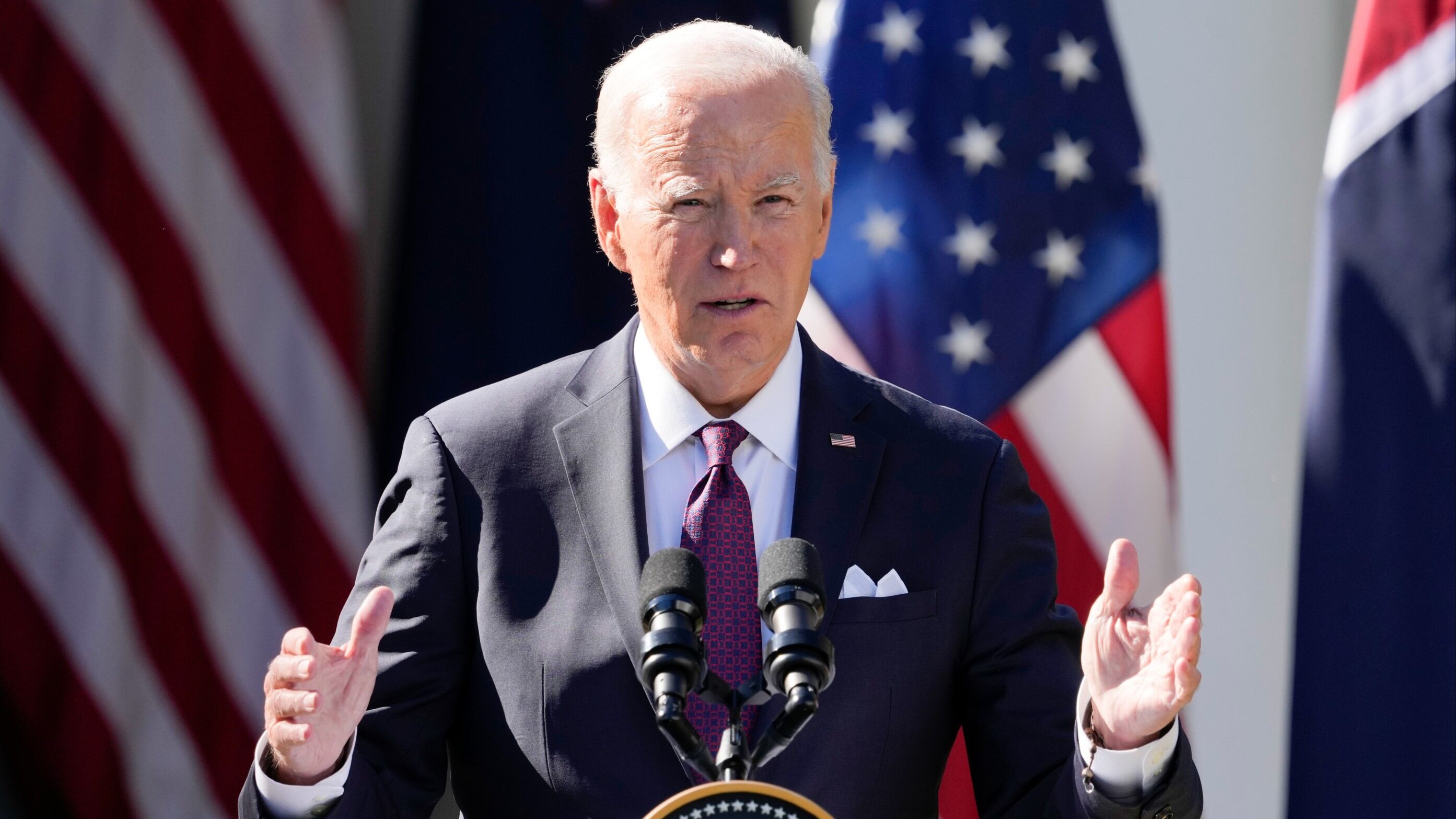
The Biden administration wants to ban another type of bank “junk fee," targeting fees that are typically charged by banks when a transaction is declined in real time.
Al Root, senior writer at Barron’s, breaks down everything expected from Tesla’s earnings report, from Elon Musk’s demands from the board to why the market has been looking for affordable EV options.
Online retailer eBay Inc. will cut about 1,000 jobs, or an estimated 9% of its full-time workforce. The announcement follows similar moves by other tech companies that ramped up hiring during the pandemic while people spent more time and money online.
Tony Drake, CFP at Drake and Associates, LLC shares thoughts on whether the record gains in technology will broaden to other sectors, the risks of the Fed keeping interest rates higher for too long, and the health of the U.S. consumer.
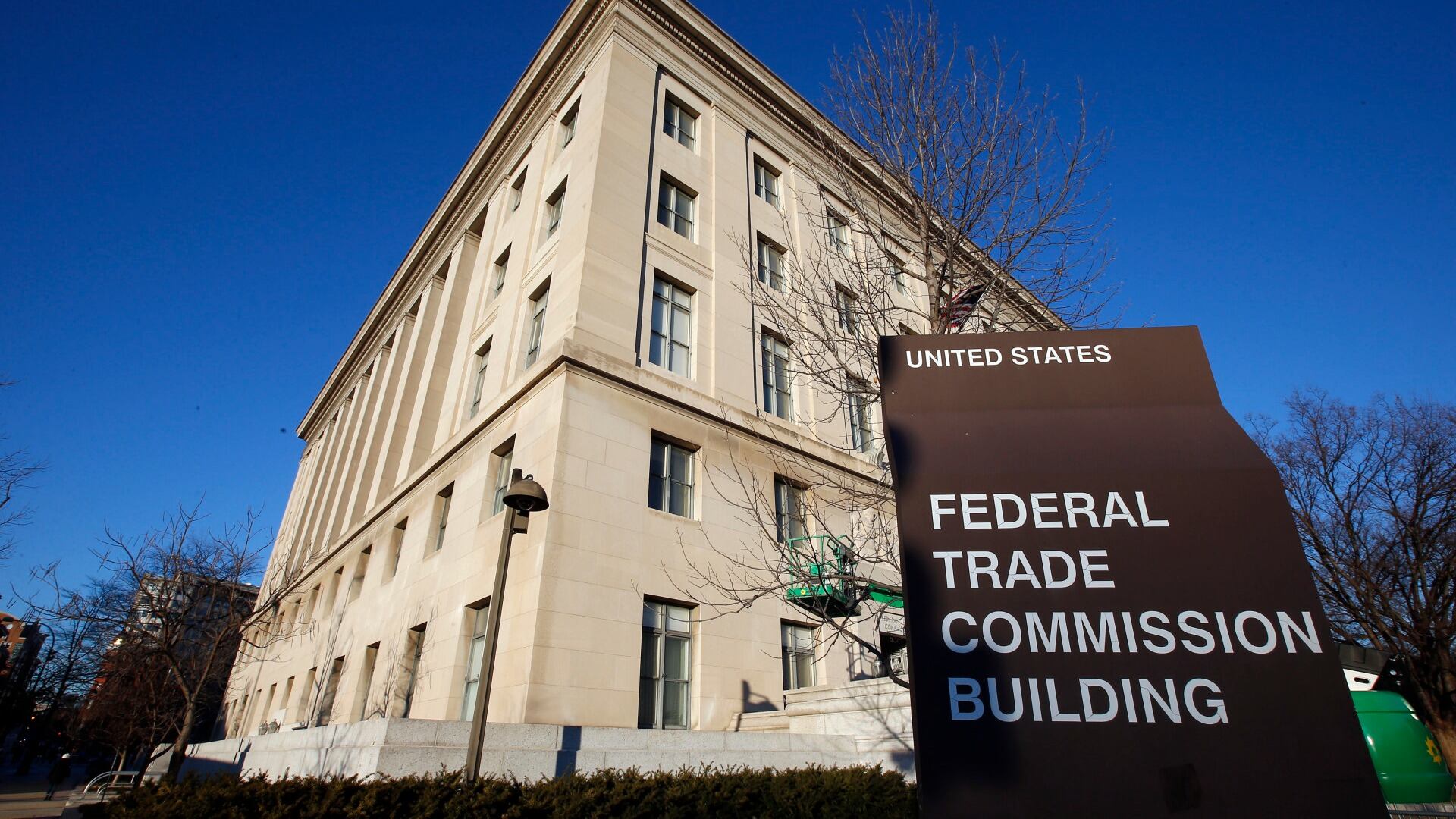
The Federal Trade Commission ruled that Intuit engaged in deceptive practices by running ads claiming consumers could file their taxes for free using TurboTax — when many taxpayers did not qualify for such free offerings.