After making its debut on Canada's NEO Exchange, MindMed made its Nasdaq debut. The mental health wellness company uses psychedelic substances as treatments for patients.
Psychedelics have made tremendous mainstream progress when it comes to the general public understanding the benefits, but Rahn said it's just "early innings for the entire industry and for our company" after becoming the first publicly traded psychedelics treatment company a year ago.
"For many, many years, solutions in the mental health space just really haven't been moving the needle in solving mental health for folks, and so what MindMed is doing is reimagining and reengineering how we are approaching mental health," CEO J.R. Rahn told Cheddar. "But we're doing it through substances like LSD, MDMA, psilocybin, these are psychedelics that from the 1960s were really demonized by society but we see great promise in what we call psychedelic-assisted therapy."
However, while marijuana legalization efforts have been going the route of deregulating for both medical and recreational purposes, Rahn said he doesn't believe the psychedelic industry should take the same path, touting the company's plan on sticking to FDA approval.
"I think the cannabis industry is vastly different than what we're trying to achieve here in the psychedelics medicine industry. There was a lot of mistakes made in cannabis. It's still not federally legal in the United States," he explained. "Our objective is to make these medicines accessible in all 50 states and all at the same time and do that in a scalable manner because 40 percent of the country needs these medicines. I think we are, as a company, going to stay away from legalization efforts and really just focus on the FDA pathway because that is how medicines ultimately get approved in the United States."
However, while he emphasized MindMed's approach through the U.S. government's regulatory framework, Rahn recognized that efforts to legalize and decriminalize psychedelics as the "voice of the people" hoping to find new solutions for mental health conditions.
MindMed trading under the ticker symbol MNMD closed at $4.02 per share on the day.
Joe Cecela, Dream Exchange CEO, explains how they are aiming to form the first minority-controlled company to operate an exchange in U.S. history. Watch!
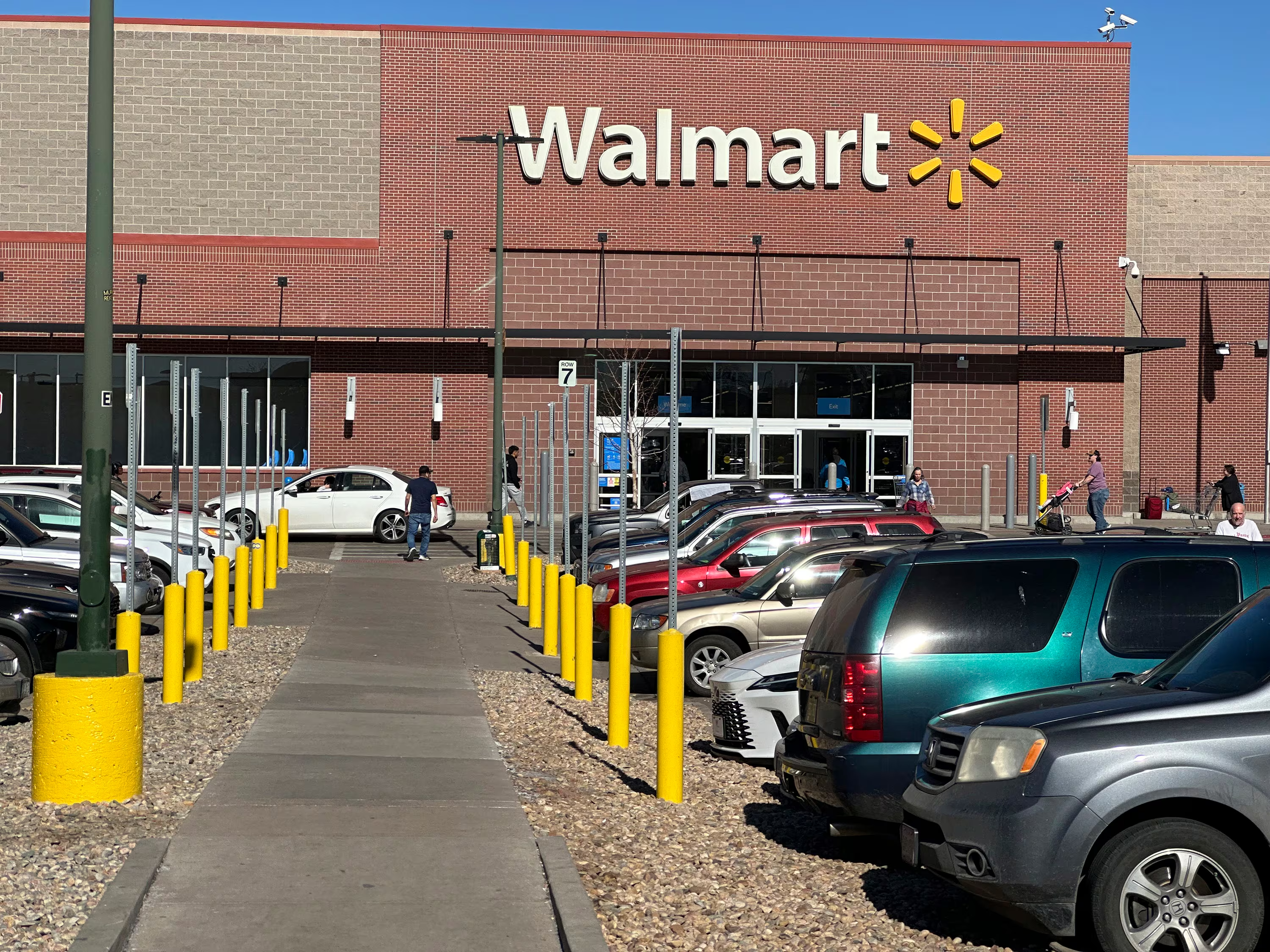
A Michigan judge is putting sponges in the hands of shoplifters and ordering them to wash cars in a Walmart parking lot when spring weather arrives. Genesee County Judge Jeffrey Clothier hopes the unusual form of community service discourages people from stealing from Walmart. The judge also wants to reward shoppers with free car washes. Clothier says he began ordering “Walmart wash” sentences this week for shoplifting at the store in Grand Blanc Township. He believes 75 to 100 people eventually will be ordered to wash cars this spring. Clothier says he will be washing cars alongside them when the time comes.
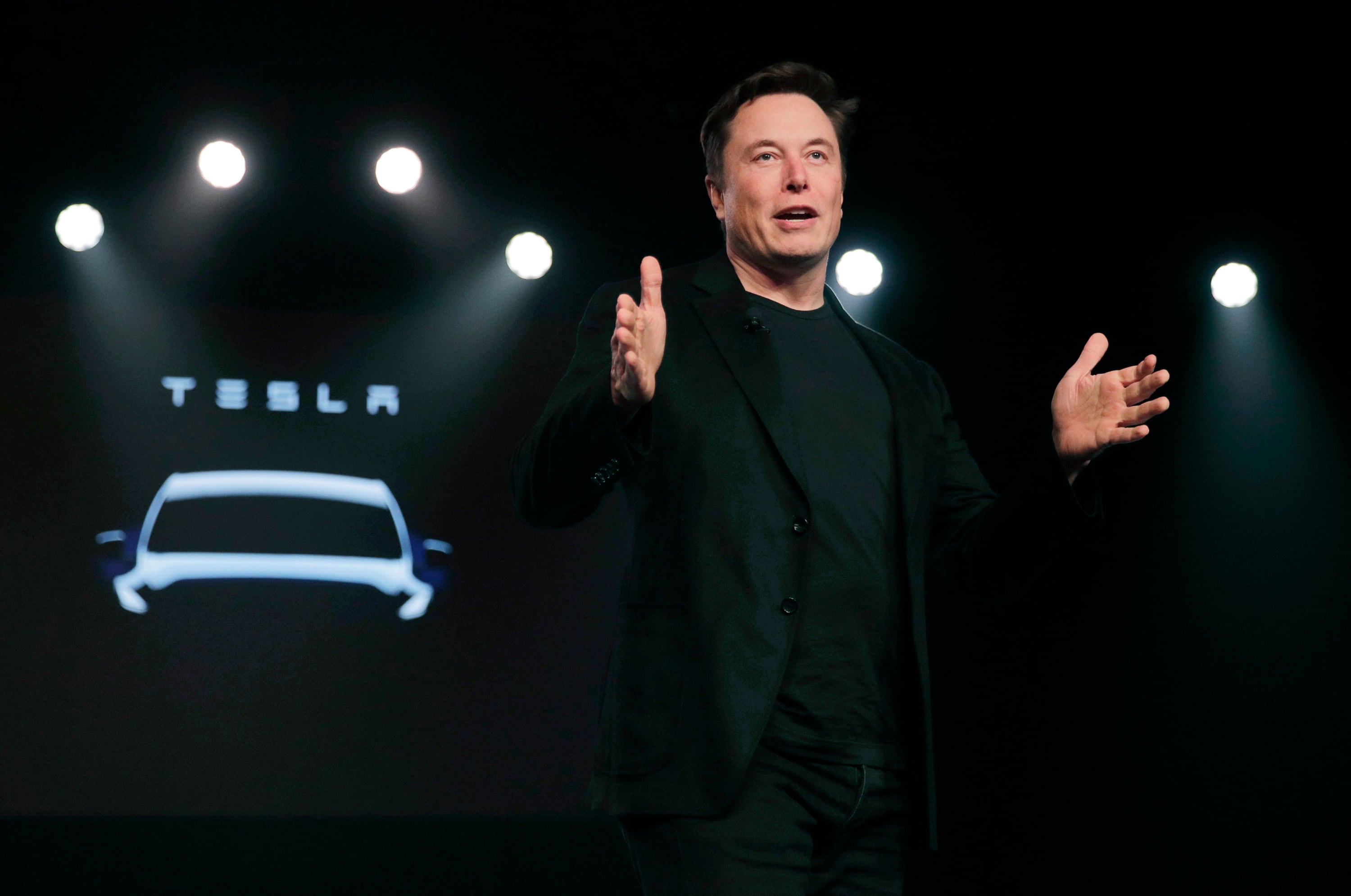
The State Department had been in talks with Elon Musk’s Tesla company to buy armored electric vehicles, but the plans have been put on hold by the Trump administration after reports emerged about a potential $400 million purchase. A State Department spokesperson said the electric car company owned by Musk was the only one that expressed interest back in May 2024. The deal with Tesla was only in its planning phases but it was forecast to be the largest contract of the year. It shows how some of his wealth has come and was still expected to come from taxpayers.
At 100 years old, the Goodyear Blimp is an ageless star in the sky. The 246-foot-long airship will be in the background of the Daytona 500 — flying roughly 1,500 feet above Daytona International Speedway, actually — to celebrate its greatest anniversary tour. Even though remote camera technologies are improving regularly and changing the landscape of aerial footage, the blimp continues to carve out a niche. At Daytona, with the usual 40-car field racing around a 2½-mile superspeedway, views from the blimp aptly provide the scope of the event.
You'll just have to wait for interest rates (and prices) to go down. Plus, this deal's a steel, the big carmaker wedding is off, and bribery is back, baby!