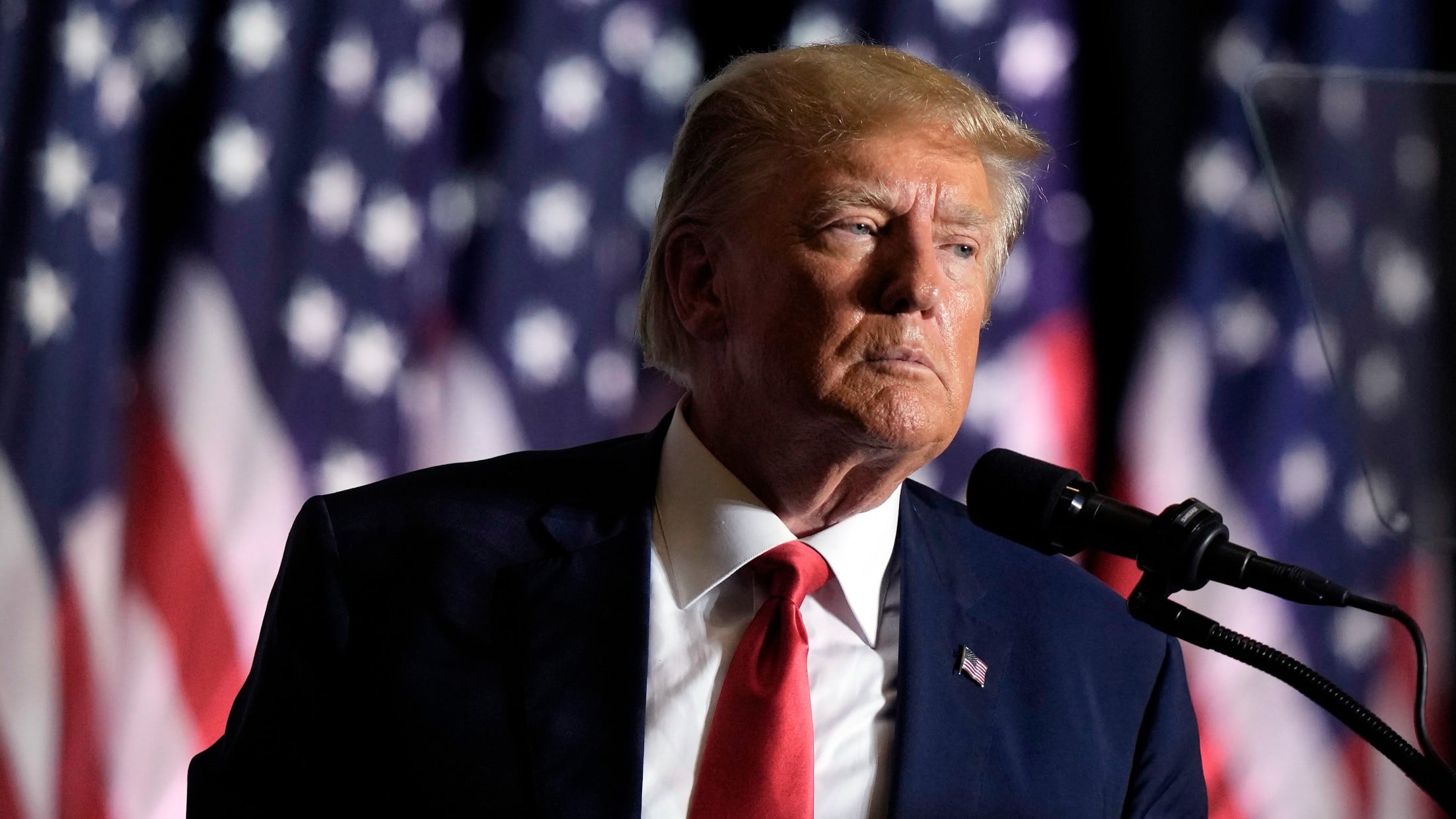
President Donald Trump set off a firestorm last week when he suggested that he would not grant the U.S. Postal Service the funding it requested as a means of interfering with the vote-by-mail process.
The reaction was fierce.
"We have to get back to understanding that democracy itself should not be politicized. Democracy means that the people choose who they vote for," Andrea Hailey, CEO of Vote.org, told Cheddar on Monday. "It's the job of election officials to make voting as accessible and as easy as possible."
In the days after the president's remarks, images of the USPS removing mailboxes in different cities caused a frantic stir on social media, although the agency says it was part of routine redistribution. The agency says it will stop the practice for the time being and plans to decommission large-scale mail sorters have also been postponed until after the election.
Postmaster General Louis DeJoy, a Trump appointee who just took the helm at USPS in June, will testify about election concerns before a House committee next week. Hailey expects Congress to grill DeJoy over the various cost-cutting measures that have been instituted since he took over in May.
"People need the post office not only for elections but to receive their medications, to receive their social security checks," Hailey said. "It is essential that we protect the postal service this year."
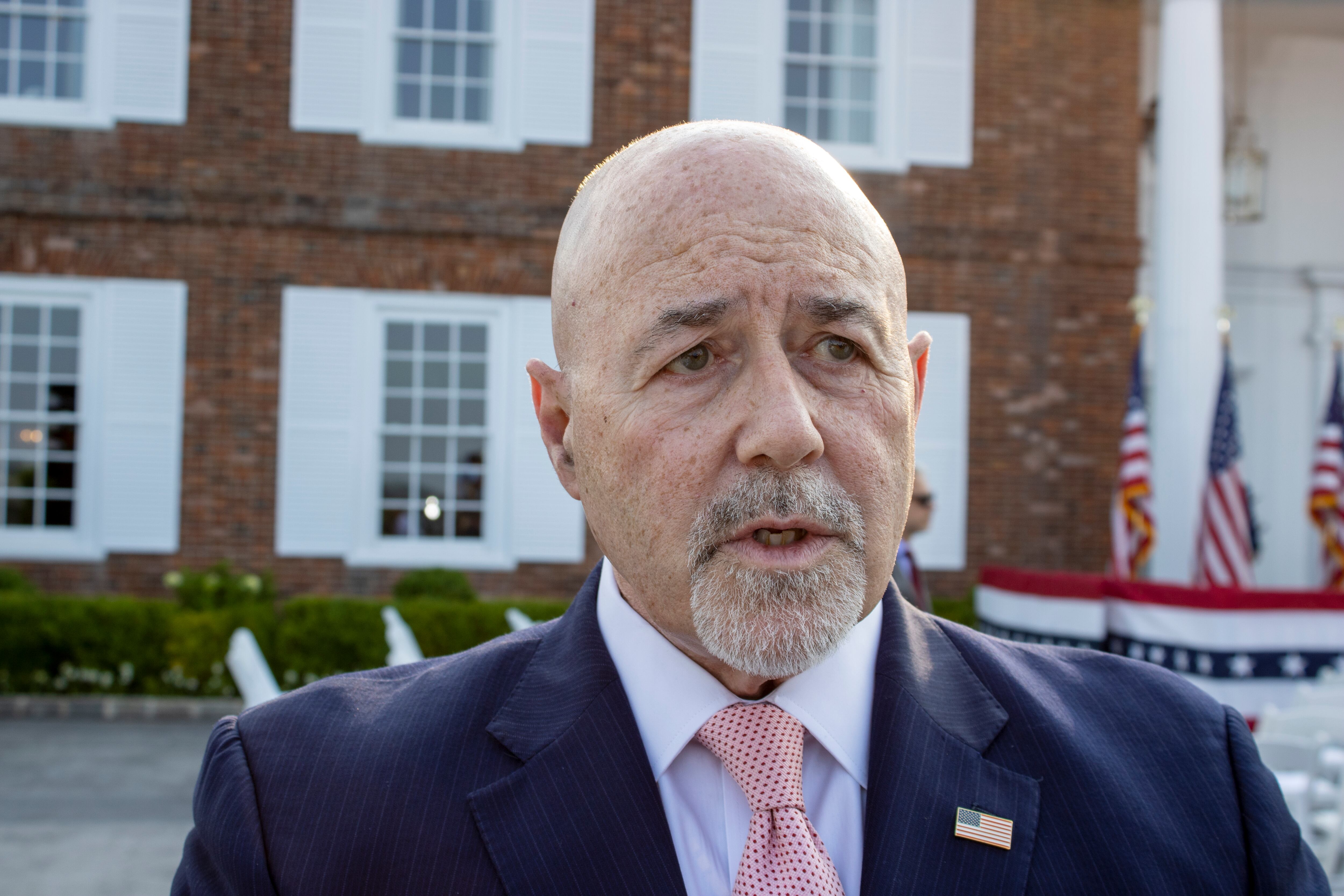
The lawyer for former NYPD commissioner Bernard Kerik turned over thousands of pages and documents to a special counsel as part of an investigation into Kerik's alleged involvement to overturn the results of the 2020 election.
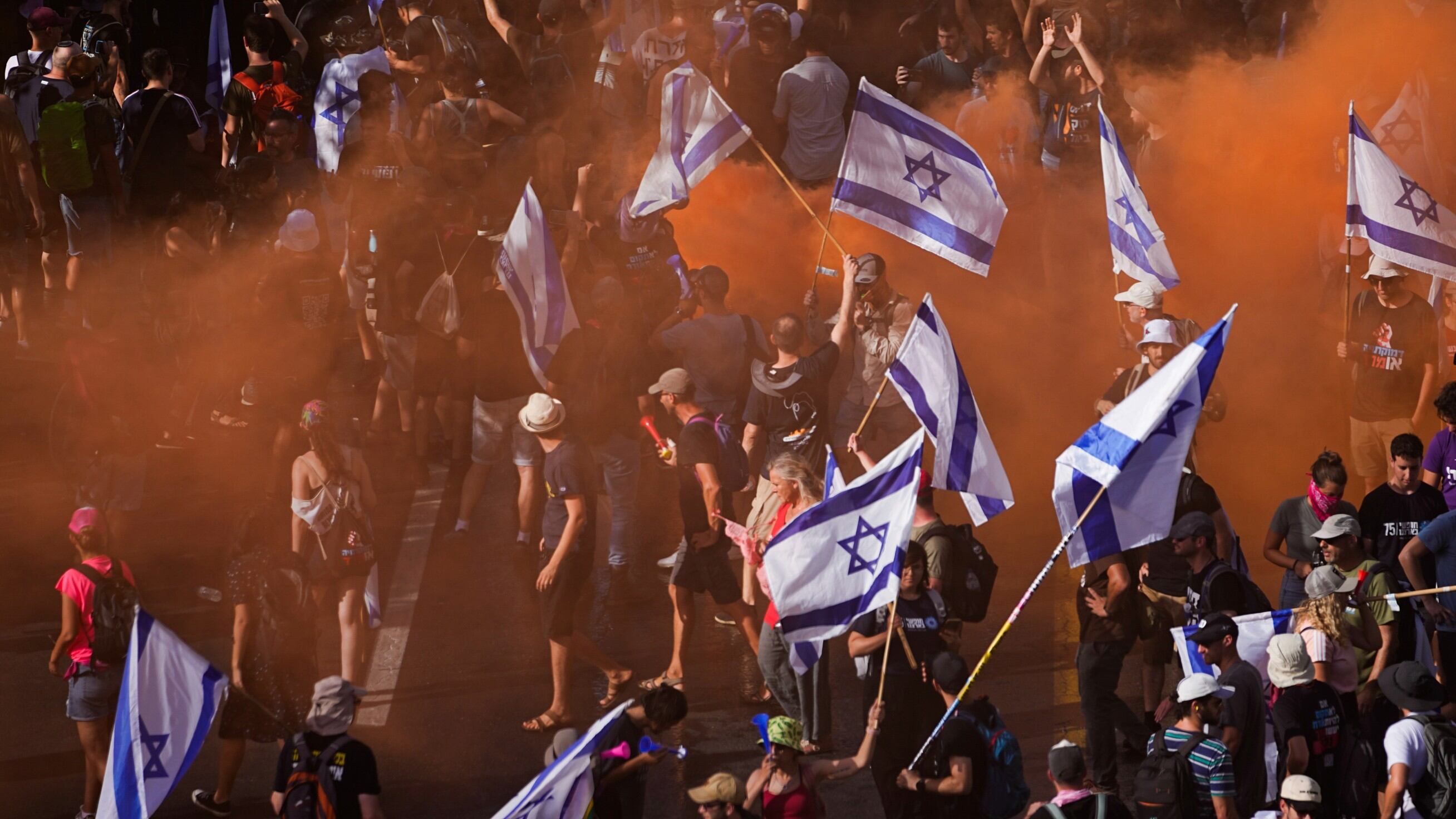
Israel’s parliament on Monday approved the first major law in Prime Minister Benjamin Netanyahu’s contentious plan to overhaul the country’s justice system, triggering a new burst of mass protests and drawing accusations that he was pushing the country toward authoritarian rule.
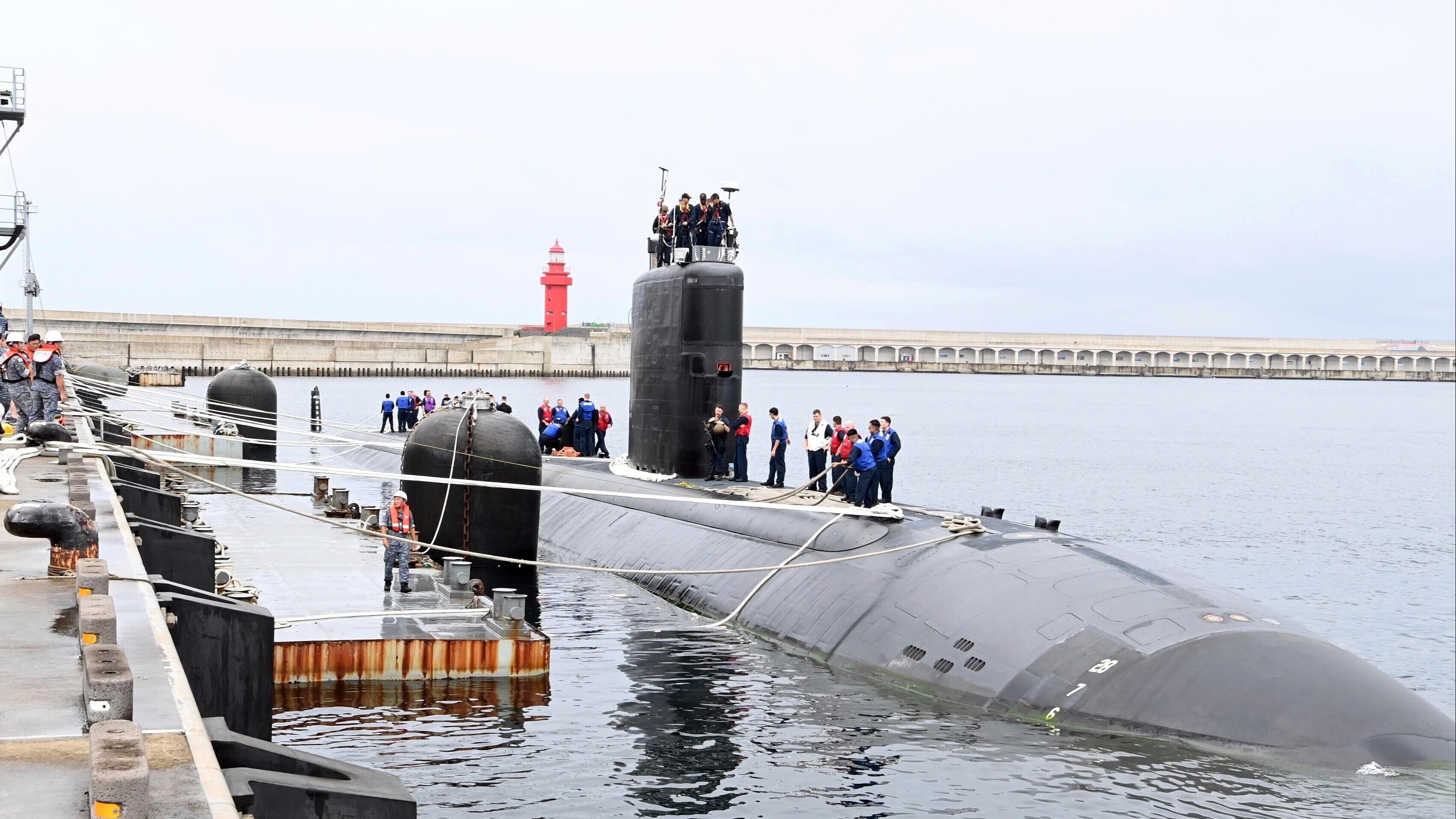
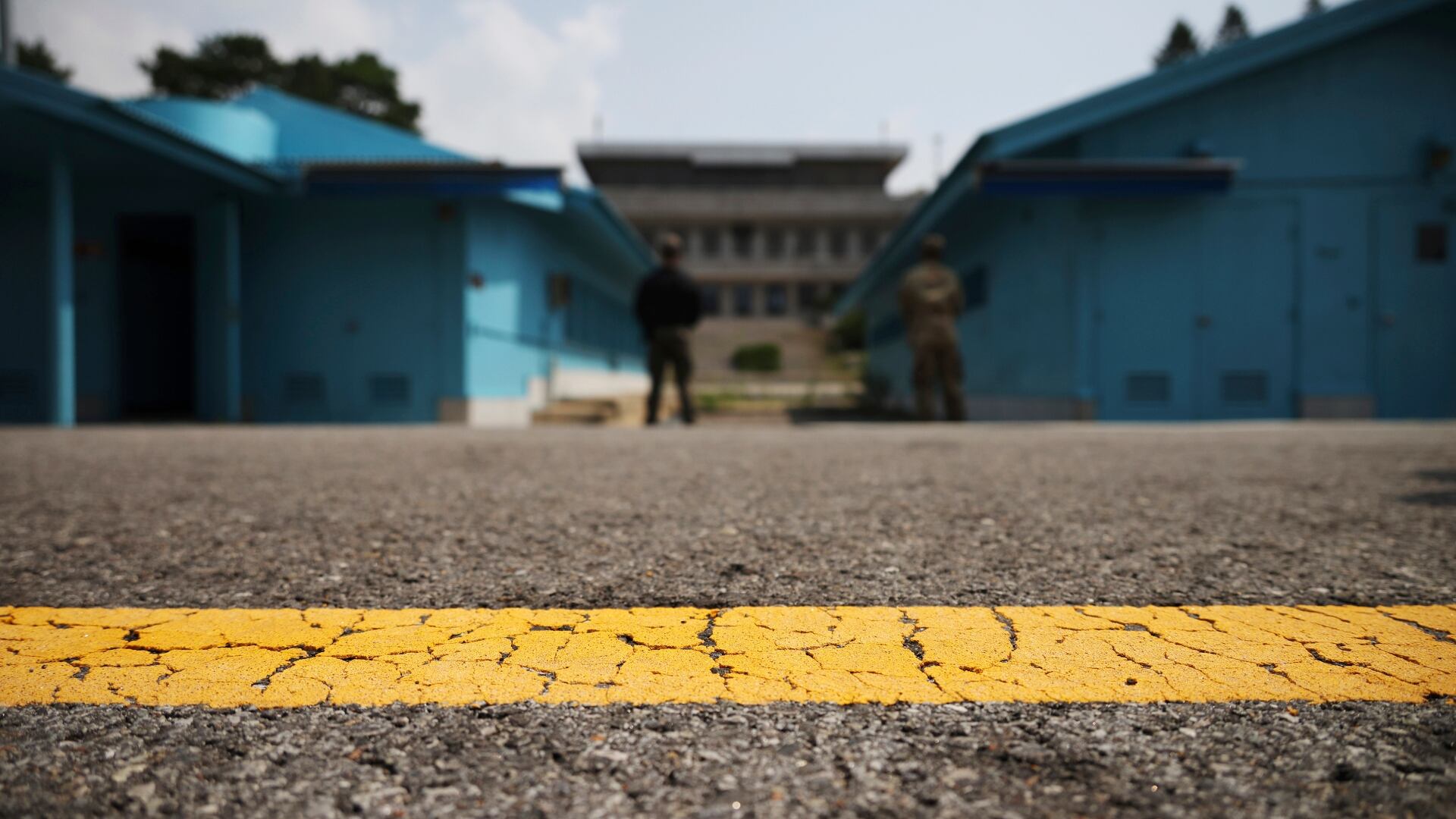
North Korea fired two short-range ballistic missiles into its eastern sea, South Korea’s military said Tuesday, adding to a recent streak in weapons testing that is apparently in protest of the U.S. sending major naval assets to South Korea in a show of force.
Now the federal Mine Safety and Health Administration has proposed a rule that would cut the current limit for silica exposure by half — a major victory for safety advocates. But there is skepticism and concern about the government following through after years of broken promises and delays.
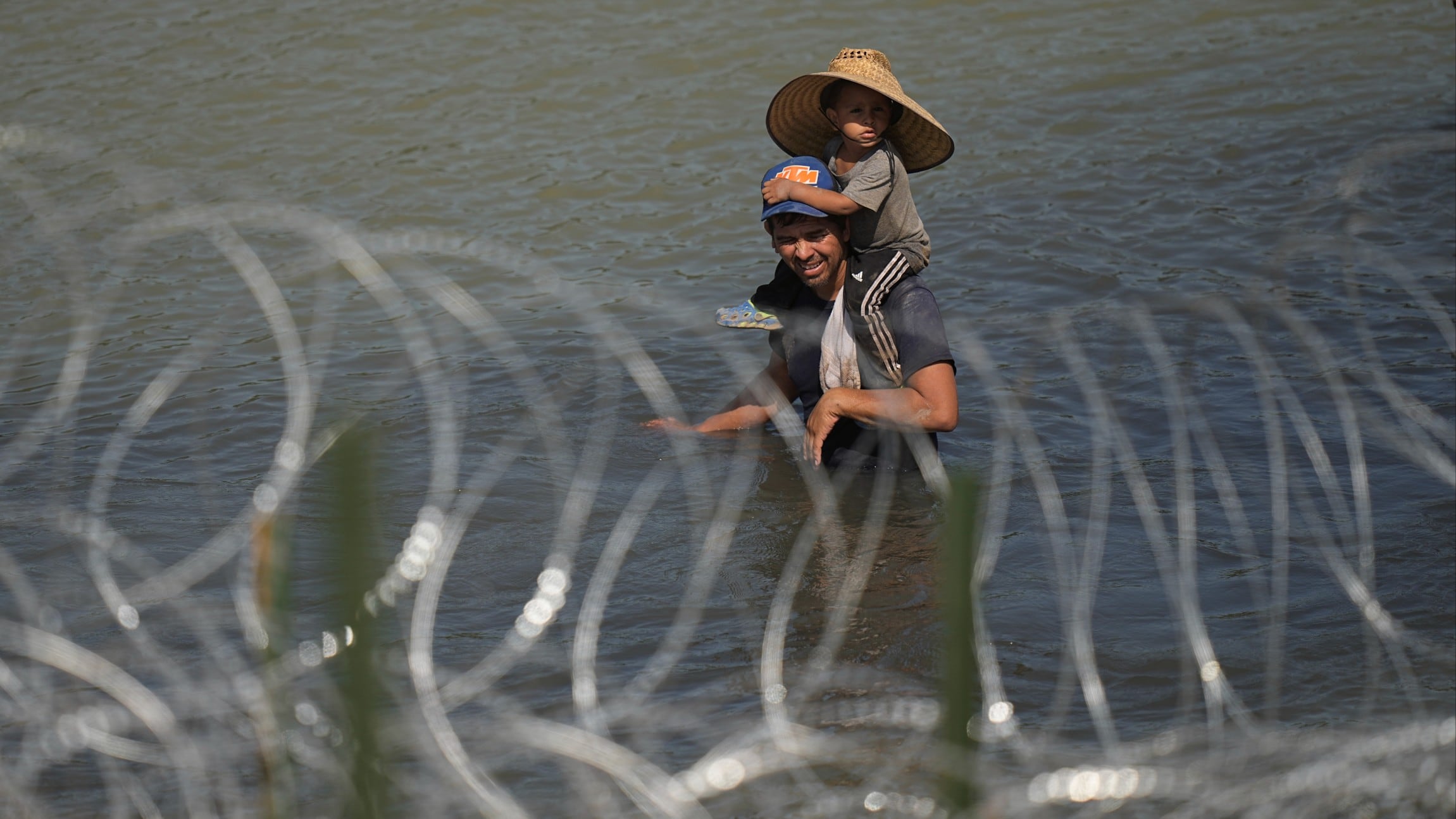
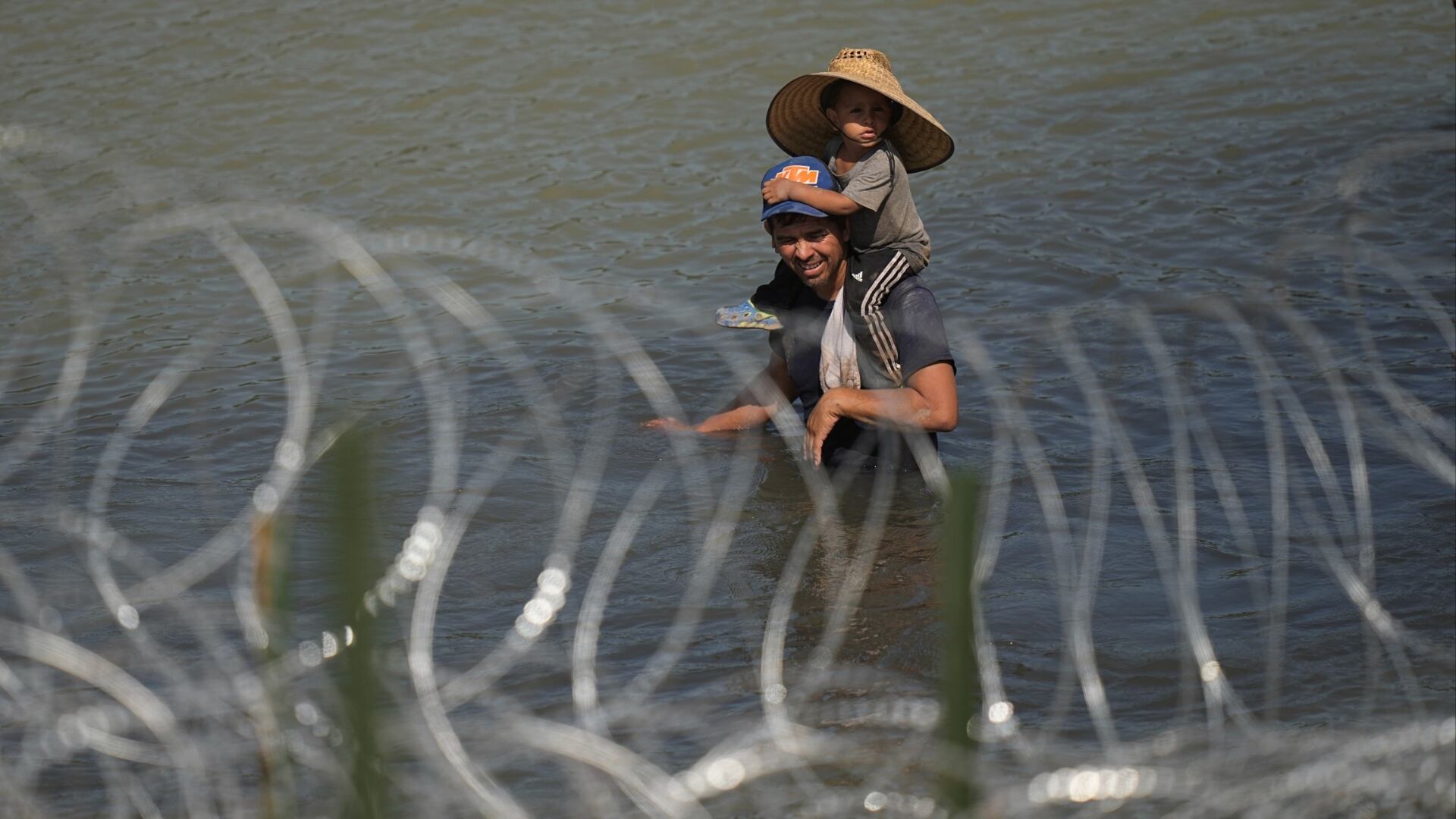
A state trooper's account of officers denying migrants water in 100-degree Fahrenheit (37.7 Celsius) temperatures and razor wire leaving asylum-seekers bloodied has prompted renewed criticism.