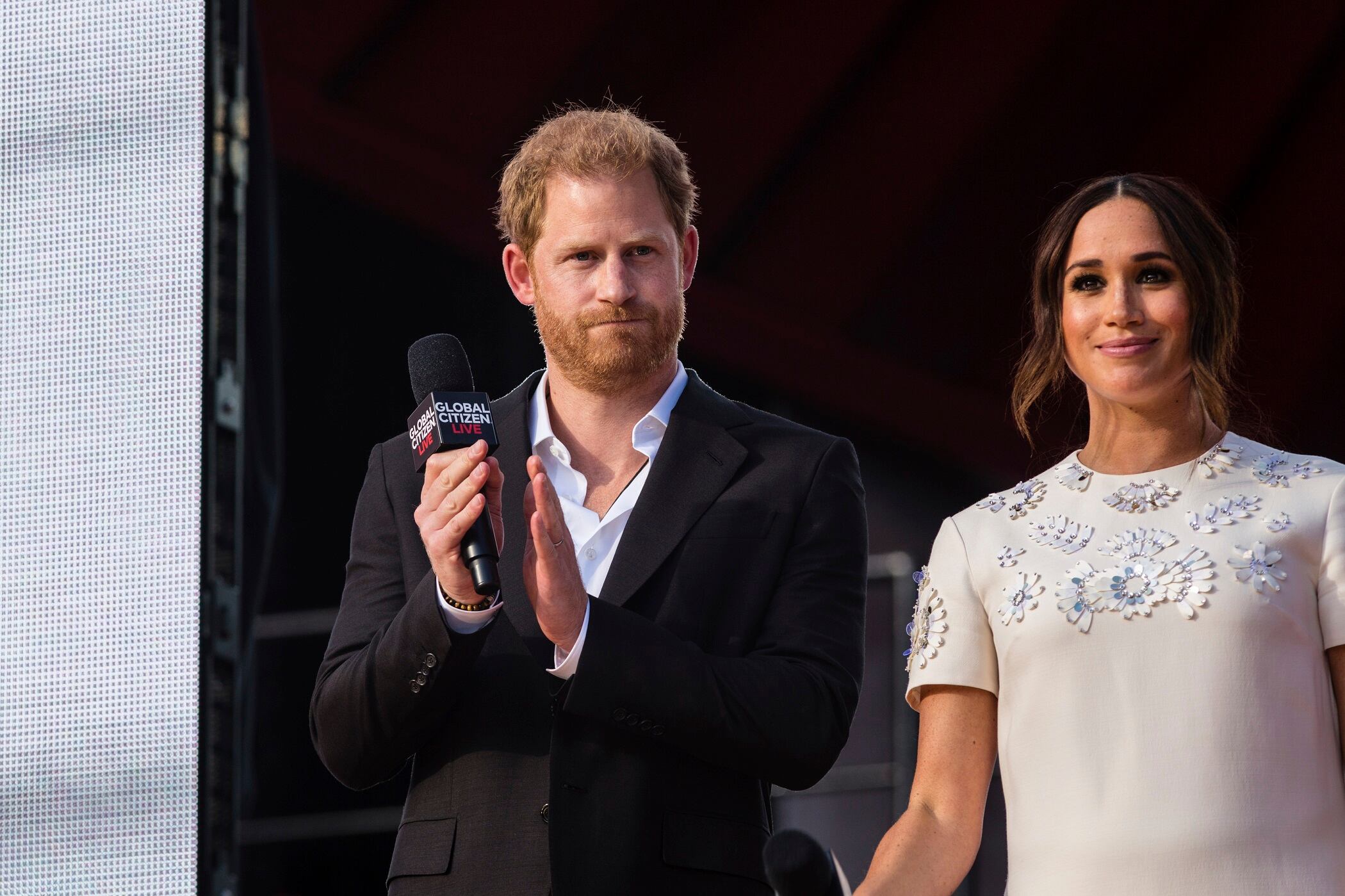
Prince Harry and Meghan Markle speak during the Global Citizen festival, Sept. 25, 2021 in New York. Britain’s Prince Harry says he warned the chief executive of Twitter ahead of the Jan. 6 Capitol riots that the social media site was being used to stage political unrest in the U.S. capital. Harry made the comments Tuesday, Nov. 9 during a panel on misinformation in California. (AP Photo/Stefan Jeremiah, file)
By Danica Kirka
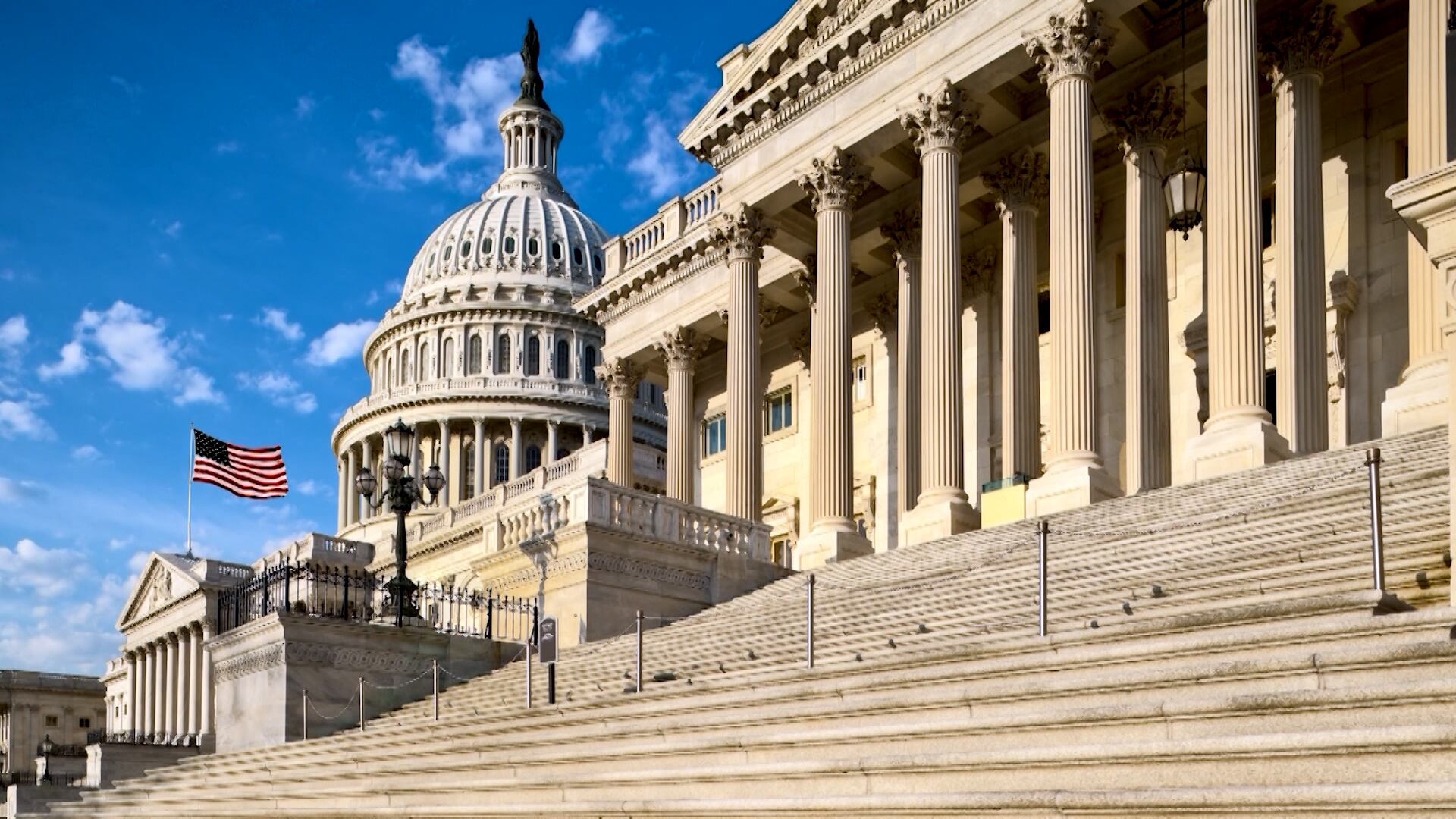
Britain's Prince Harry has sharply attacked the failure of social media companies to challenge hate online, revealing that he warned the chief executive of Twitter ahead of the Jan. 6 Capitol riots that the site was being used to stage political unrest.
Harry made the comments Tuesday in an online panel on misinformation in California. He said he made his concerns known via email to Twitter CEO Jack Dorsey the day before the riot in Washington.
“Jack and I were emailing each other prior to January 6 where I warned him that his platform was allowing a coup to be staged,” Harry said at the RE:WIRED tech forum. “That email was sent the day before and then it happened and I haven’t heard from him since.”
Twitter declined to comment on Harry's remarks.
Social media has come under fire for not doing enough to halt the spread of misinformation and content inciting political violence. The storming of the U.S. Capitol by supporters of Donald Trump is often cited as an example of the consequences of allowing online hate to fester.
The role of social media platforms in amplifying extremist views has come into sharp focus after revelations by Facebook whistleblower Frances Haugen, who has told lawmakers in the U.S. and Europe that the company’s algorithmic systems spread online hate and that it has no incentive to change behavior because it puts profits over safety.
Harry also targeted YouTube, saying many videos spreading COVID-19 misinformation were left up despite violating the site’s own policies.
“And worse, they came to the users via the recommendation tool within YouTube’s own algorithm versus anything that the user was actually searching for,'' he said. “It shows really that it can be stopped but also they didn’t want to stop it because it affects their bottom line."
Harry has become something of a champion against the onslaught of false information online. Earlier this year he joined the U.S. think tank the Aspen Institute as a commissioner looking into misinformation and disinformation in the media.
The royal and his wife, the Duchess of Sussex, have also spoken out frequently about the media intrusion and racist attitudes that they say forced them to quit royal duties in 2020 and move to North America.
“Misinformation is a global humanitarian crisis,” Harry said. “I felt it personally over the years and I am now watching it happen globally.''
In his remarks on Tuesday, Harry cited a report which concluded that more than 70% of the hate speech directed at his wife, Meghan, could be traced to fewer than 50 accounts. He said misinformation is causing lives to be ruined.
“A small group of accounts are allowed to create a huge amount of chaos online, and destruction,'' he said. “And without any consequence whatsoever.''
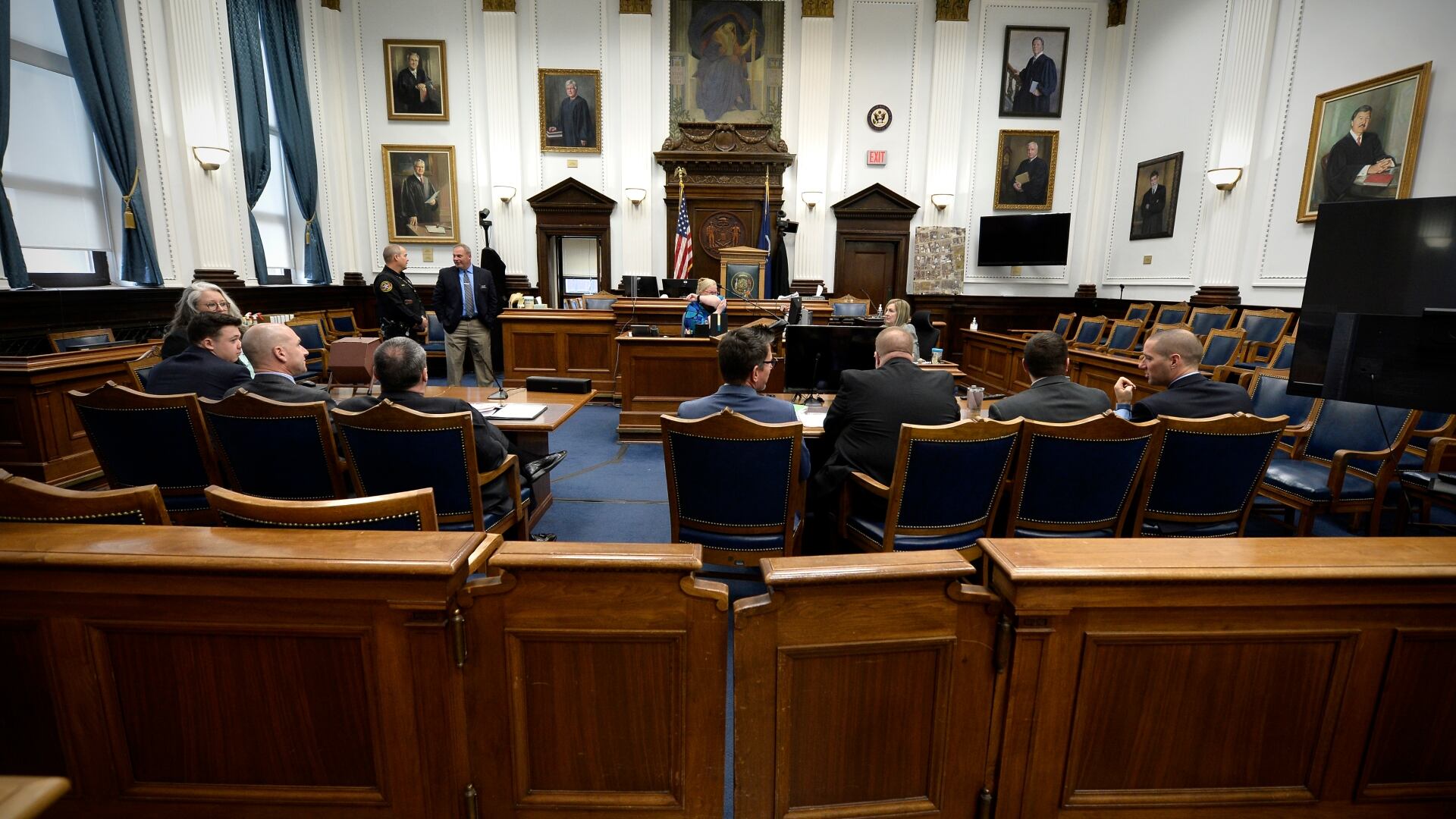
Two murder trials in focus in America — Wisconsin V. Kyle Rittenhouse and Georgia V. Travis Mcmichael, Gregory Mcmichael, and William Bryan, the Men who killed Ahmaud Arbery. Civil rights and criminal defense lawyer Anthony Tall and the Founder and CEO of Kim Crowder consulting Kim Crowder, joined Cheddar to discuss more.
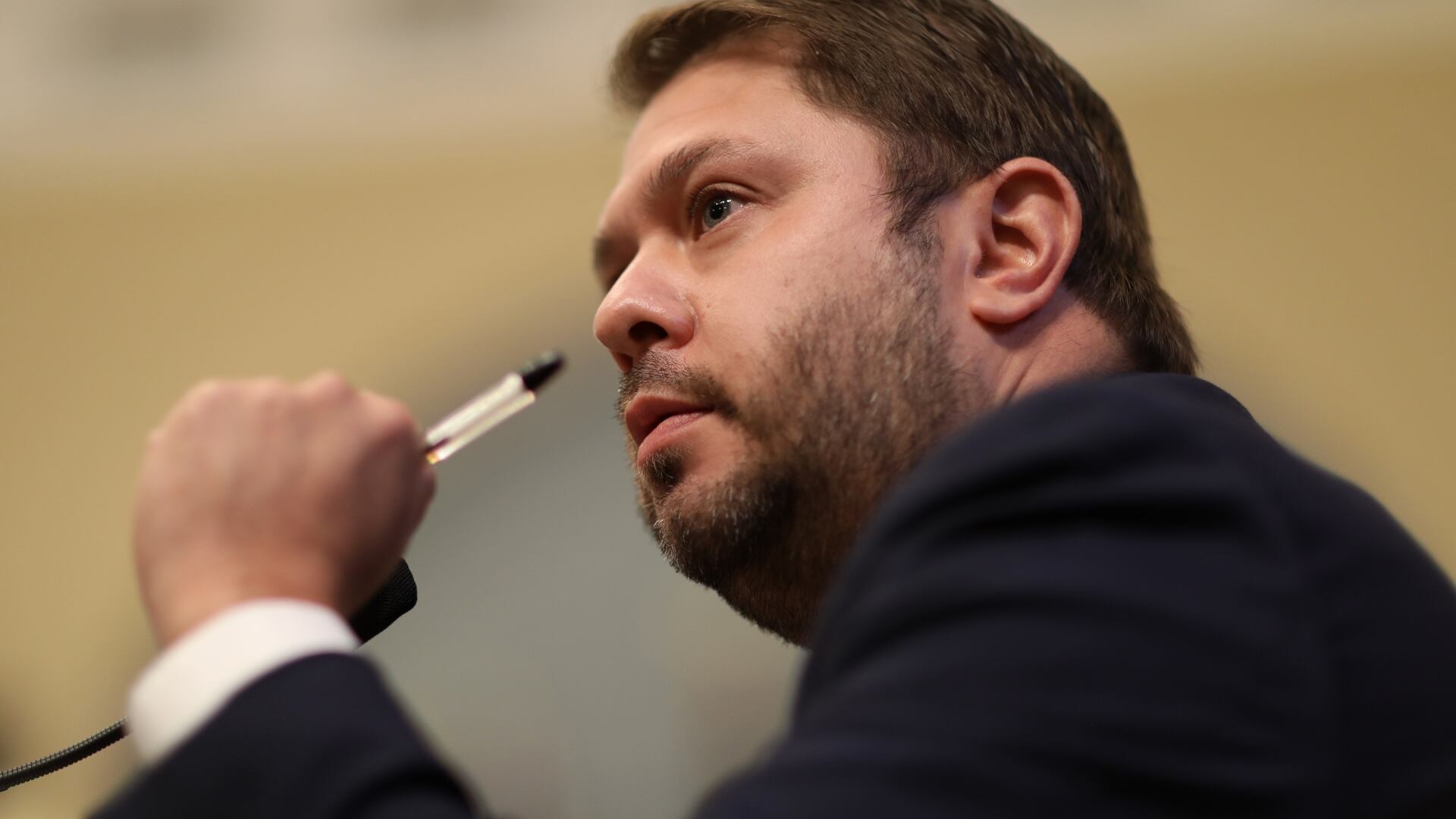
Rep. Ruben Gallego (D - Arizona) joined Cheddar to discuss the passing of President Biden's Infrastructure Bill and his new book, 'They Called us 'Lucky,' about his time serving in the Iraq War.
Markets were pointing mostly lower to end the week as investors reacted to the threat of a Covid resurgence in Europe. Jeff Schulze, Investment Strategist at ClearBridge Investments joined Cheddar's Opening Bell to discuss Friday's pre-market activity.
A federal judge tossed out a lawsuit against financial services platform Robinhood following the meme stock saga that swept the investment world. The judge said it found no wrongdoing on Robinhood's part after the platform halted trading on popular meme stocks Gamestop and AMC.
Jill and Carlo are back to cover the latest in the Rittenhouse trial, new information on the origins of Covid, return-to-office and more.
JOIN US FOR THE YOUTUBE WATCH PARTY @ 9aET: http://www.youtube.com/cheddarnow
The U.S. Justice Department has filed a lawsuit against Uber after it was discovered that disabled people were being disproportionately affected by extra “wait time” fees. Attorney Jonathan Bell joined Cheddar to discuss.
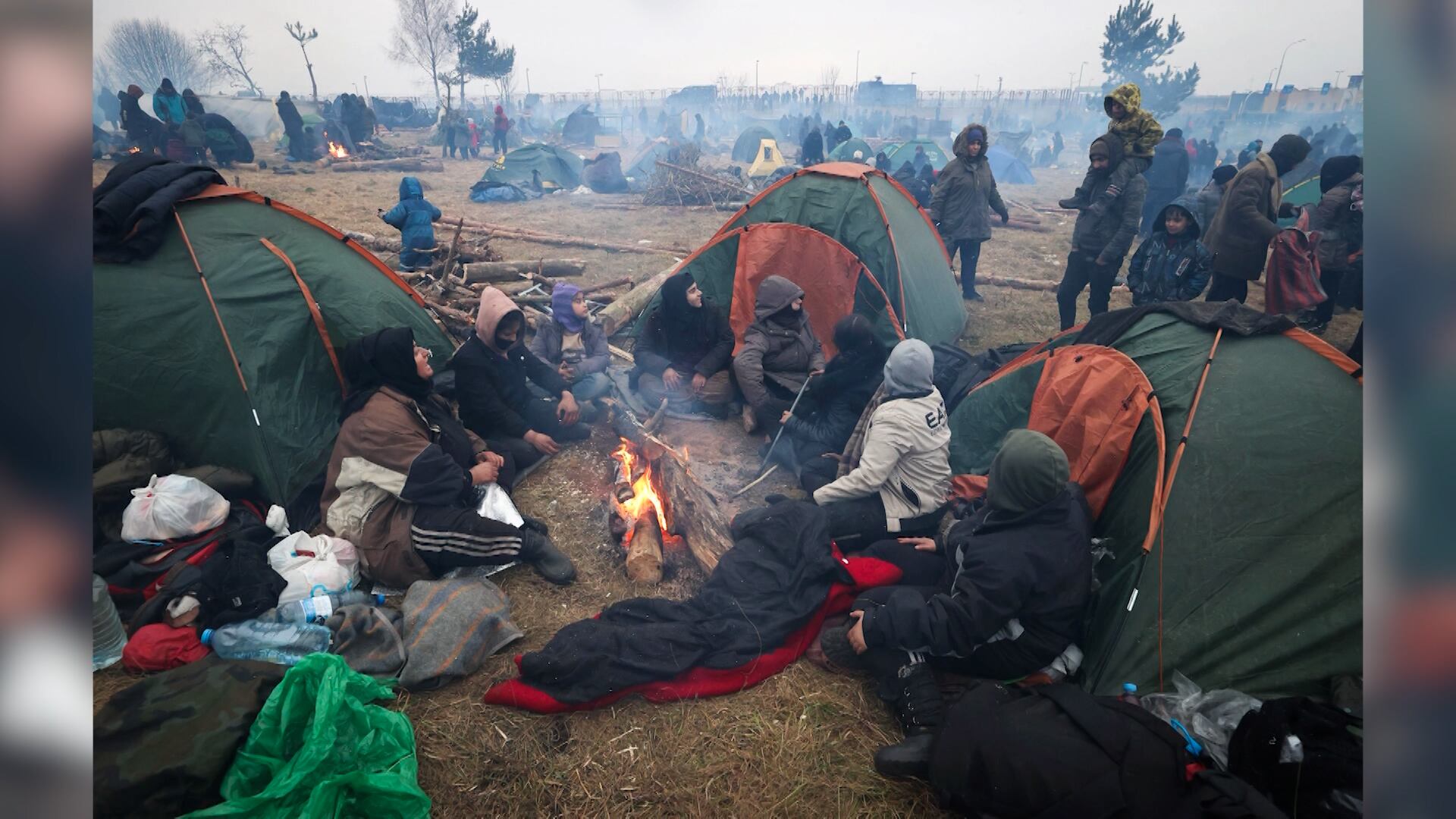
Belarus President Alexander Lukashenko has been accused by the EU of manufacturing a migration crisis along his border with Poland. But, even as tensions appear to be stabilizing at the moment, Ali Noorani, the president and CEO of National Immigration Forum and the host of the "Only in America" podcast spoke to Cheddar about the ongoing danger to the migrants who hail from countries like Iraq and Afghanistan. "What is going to happen to folks who are in Belarus who came from these countries? Is Lukashenko going to provide them asylum and protection in Belarus, or are they going to continue to be political pawns in a geopolitical battle," he said. "Real people's lives are being put at great risk."
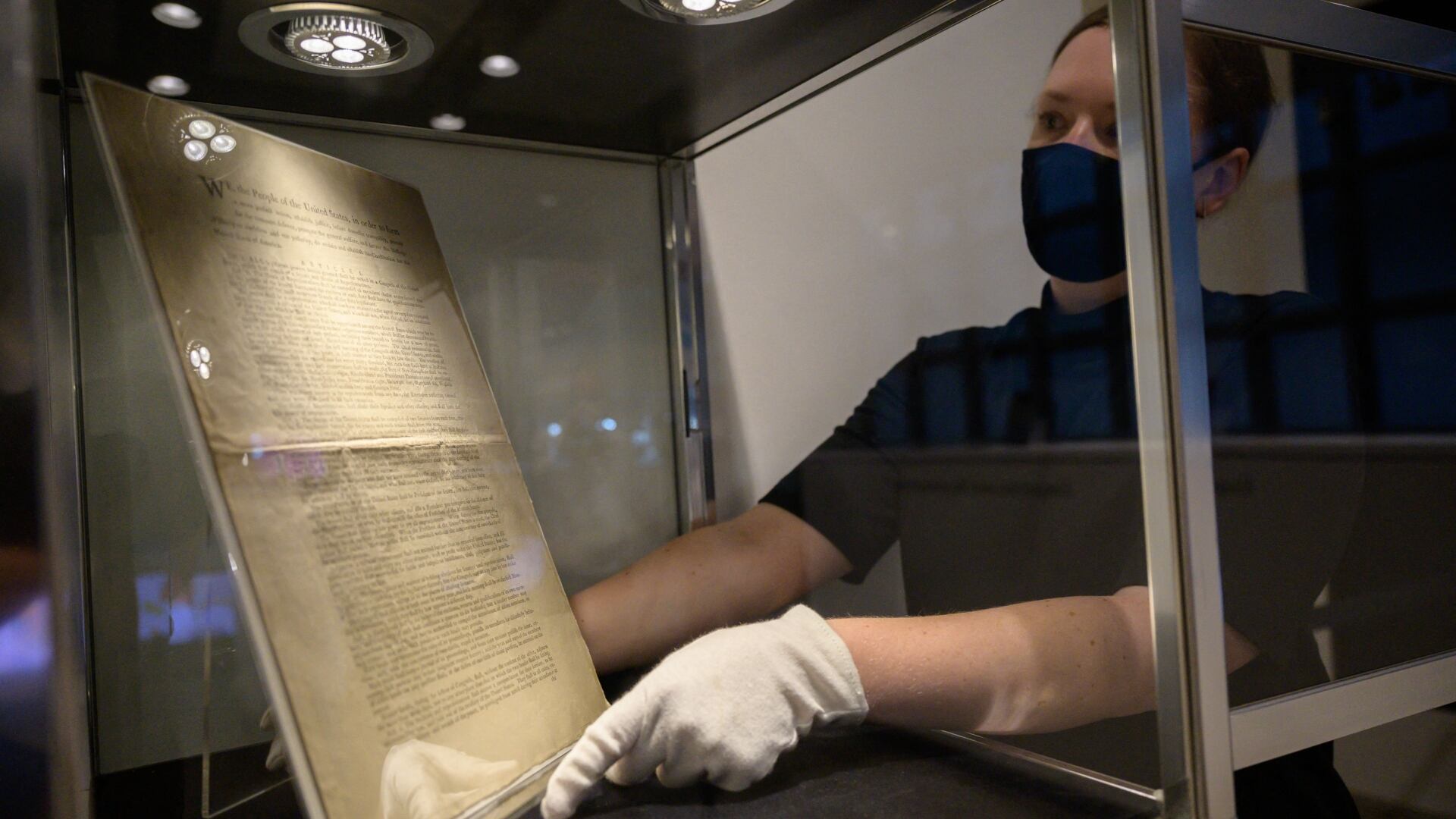
A group of crypto investors has come together to raise millions of dollars in the hopes of owning a rare piece of the U.S. Constitution. According to the crypto group, "Constitution DAO" It is time to put the constitution in the hands of the people. CEO and Founder of Metaversal Yossi Hasson, joined Cheddar to discuss more.
Polarization is among the defining traits of American politics in the 21st century. Sometimes it seems like the only thing we can all agree on is the fact that we don't really agree on anything. But those divisions don't just stop at whether you vote red or blue.
A new survey from the Pew Research Center finds that rather than just two political buckets, we have nine. The "2021 political typology" as it's called distinguishes between different ideological subsets in the Democratic and Republican party. It encompasses everyone from the loudest revolutionary lefties, to the loudest insurrection apologists on the right.
Andrew Daniller, research associate at the Pew Research Center, joins None of the Above to discuss.
Tanya Snyder, transportation reporter at Politico, joins None of the Above with J.D. Durkin to discuss the bipartisan infrastructure law, what it means for the electric vehicle industry and whether Democrats will be able to capitalize on the legislative victory ahead of the 2022 midterms.