By Bill Barrow
There is no 12th Democratic presidential debate on the horizon now that the nominating process is in a holding pattern due to the coronavirus pandemic.
One of the Democratic National Committee's lead debate organizers, Xochitl Hinojosa, said the party has not set a date or secured a television broadcasting partner for what would be the final encounter of the dozen that DNC Chairman Tom Perez promised at the campaign's outset.
There's no evidence that either Joe Biden, the prospective nominee, or Bernie Sanders, Biden's last remaining rival, is clamoring for a debate, and there's doubt among the candidates' advisers that one will occur.
“We are taking things day by day,” Hinojosa said.
The uncertainty reflects both the political realities of Biden's lead and the public health realities of the virus, which could make another debate logistically difficult because of the social distancing orders from public officials.
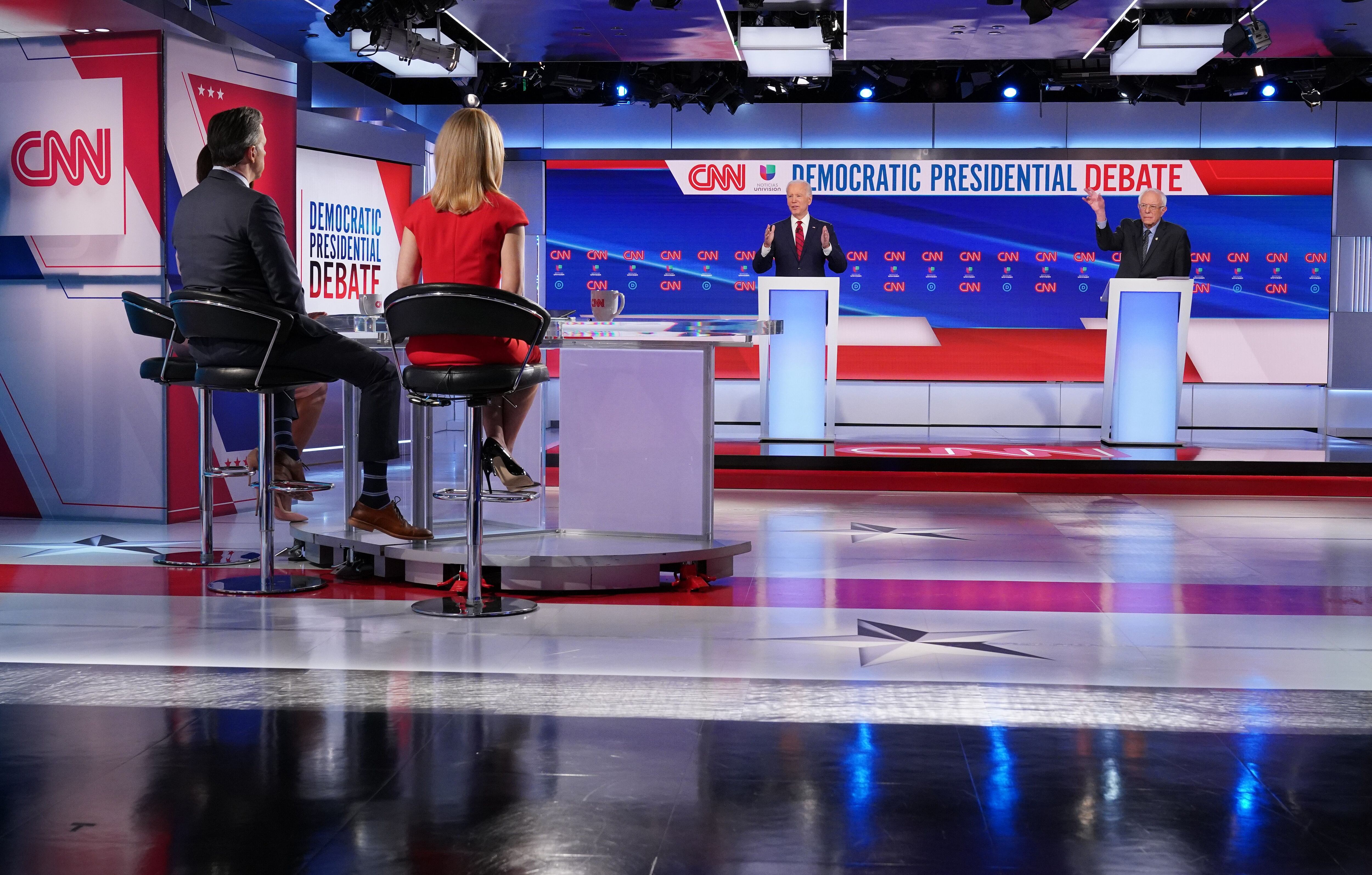
The first 10 Democratic debates were held in public venues before audiences of party officials and candidates' supporters. CNN and the DNC moved the March 15 debate, the first after U.S. officials publicly urged a massive coronavirus response, from Phoenix to the network's Washington studios. There was no live audience, and the candidates stood 6 feet (1.83 meters) apart, recognizing the public health recommendations.
Since then, Mayor Muriel Bowser of the District of Columbia has issued a stay-at-home order urging only nonessential workers to move about the nation's capital. New York, where national television networks are based, now has among the most serious coronavirus outbreaks of any U.S. city.
The next debate was expected to be in an East Coast location before the April 28 primary anchored by New York. That primary remains scheduled for now, but several states, including Maryland, Rhode Island, and Connecticut, have pushed back to join New Jersey on June 2.
The 11th debate, the relocated one, was the first between just Biden and Sanders and came after the rest of the field had either dropped out or failed to meet debate qualifications. Biden had established a clear delegate lead over Super Tuesday and March 10 primaries. Sanders' aides said at the time that the Vermont senator wanted to use the forum to trumpet his progressive agenda as a democratic socialist against the former vice president's more establishment approach.
Sanders' team is making no such noise now. “If there is a debate in April, he plans to be there,” Sanders spokesman Mike Casca said. It was a notably muted tone for a campaign and candidate often critical of the DNC and the “establishment media" for alleged unfair treatment.
For most people, the new coronavirus causes mild or moderate symptoms, such as fever and cough that clear up in two to three weeks. For some, especially older adults and people with existing health problems, it can cause more severe illness, including pneumonia, and death.
Associated Press writer Will Weissert in Washington contributed to this report.
One of the biggest global consumers goods companies, Unilever, is threatening to stop advertising on digital platforms like Facebook and Google if the companies don't clean up their acts. Snap's Vice President of sales has left the company. A new report finds Facebook is losing a younger audience. Dow closed up 400 points after the most volatile week in two years.
Cheddar's "The Crypto Craze" covers the latest trends, and news in the space. the cryptocurrency is floating around the $8,000 mark after a dip on Tuesday. The price has been slowly climbing again. The same pattern has been seen in other major cryptocurrencies like Ethereum and Ripple.The price of cryptocurrencies have been mostly stable is the last couple days, a big contrast to the Dow's major moves and volatile swings. Cheddar's Brad Smith and Hope King break down the factors driving this stability and the state of regulation in this space.
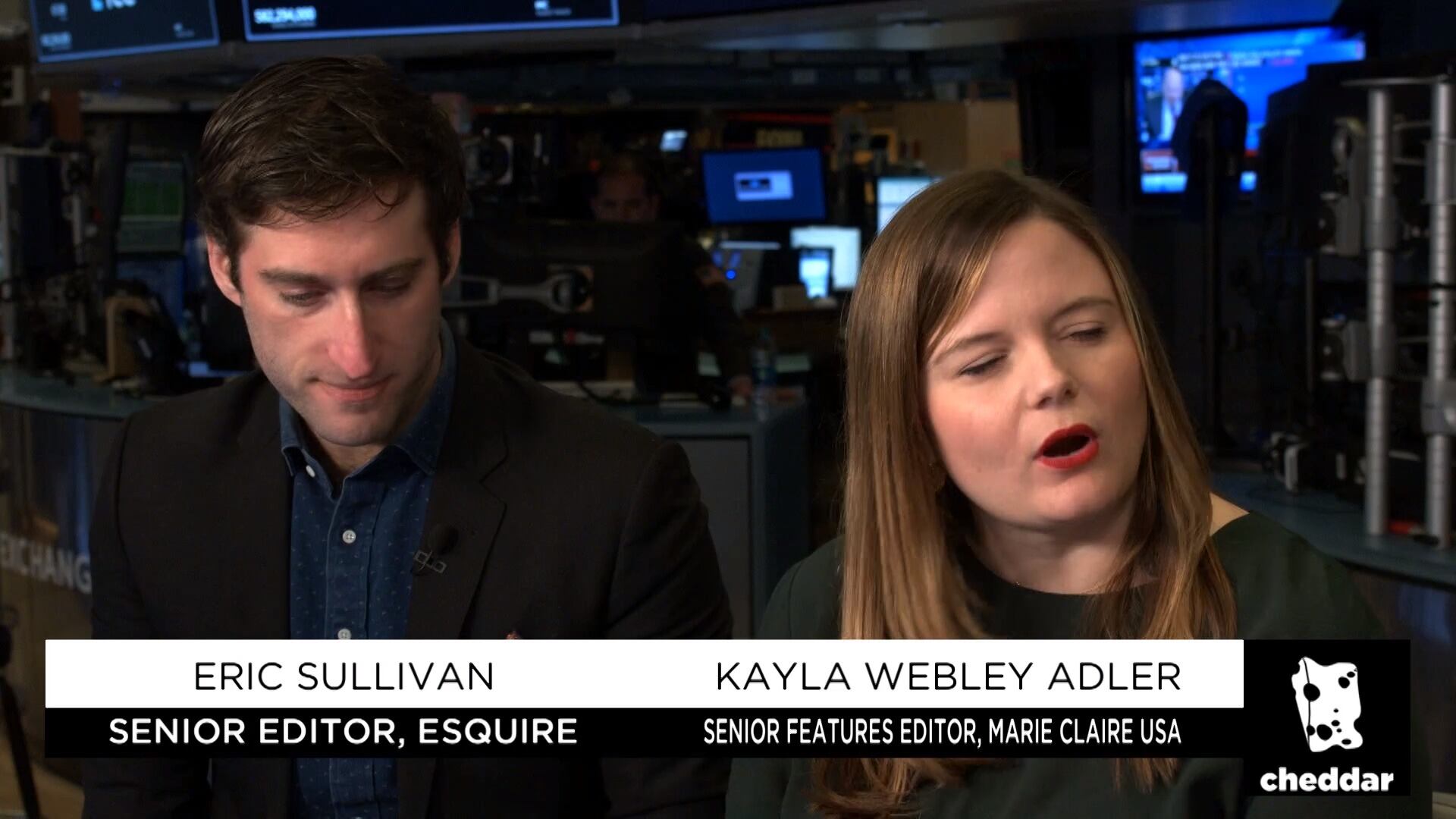
Kayla Webley Adler, senior features editor at Marie Claire, and Eric Sullivan, senior editor at Esquire, discuss their joint project, "Sex, Lies, and Videotape." They asked writers, celebrities, and thought leaders tough questions about the complexities of the "post-weinstein" era.
It's been a wild week for the stock markets. The Dow plunged below 1,000 points for the second time ever on Thursday. Amazon is taking on UPS and FedEx, announcing a new delivery service geared towards businesses. Congress agreed on a spending bill after a brief government shutdown overnight. Snapchat is starting to show signs of recovery after a disappointing few quarters. Cheddar senior reporter Alex Heath sits down with Billy Gallagher, author of the new book "How to Turn Down a Billion Dollars: The Snapchat Story," to see what lies ahead for the company.
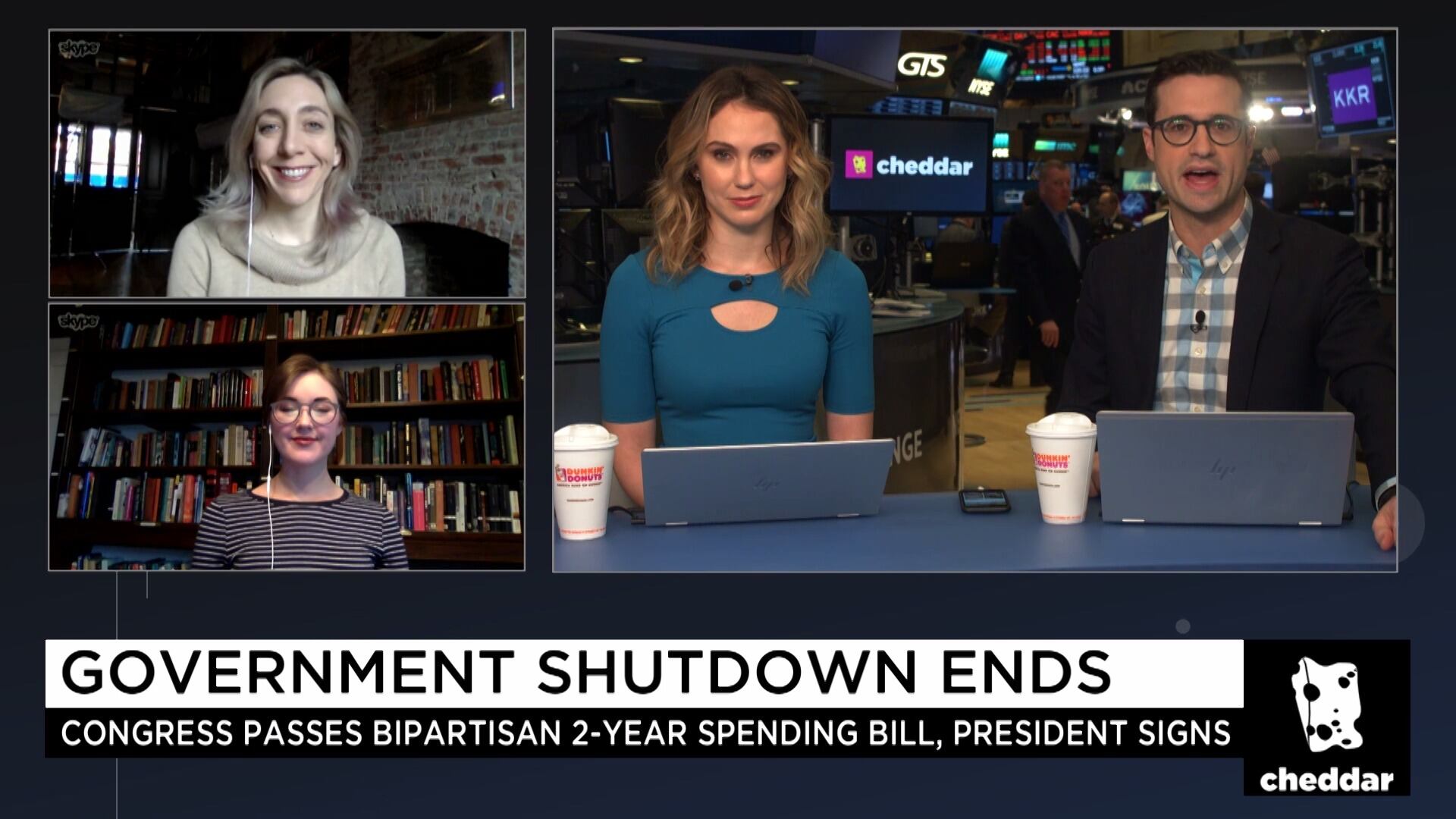
Haley Byrd, congressional reporter at The Weekly Standard, and Katherine Mangu-Ward, Editor-in-Chief at Reason Magazine, discuss the 2nd government shutdown of 2018. The government closed for just over five hours before the House passed a two-year spending bill that was later signed by the president.
Cheddar is dedicating the day to celebrating women, and we're calling it "Chedher"! We have special co-hosts and interviews from women in sports, tech, business, politics and more.
Hope King welcomes special co-hosts Alicia Quarles and Tanzina Vega.
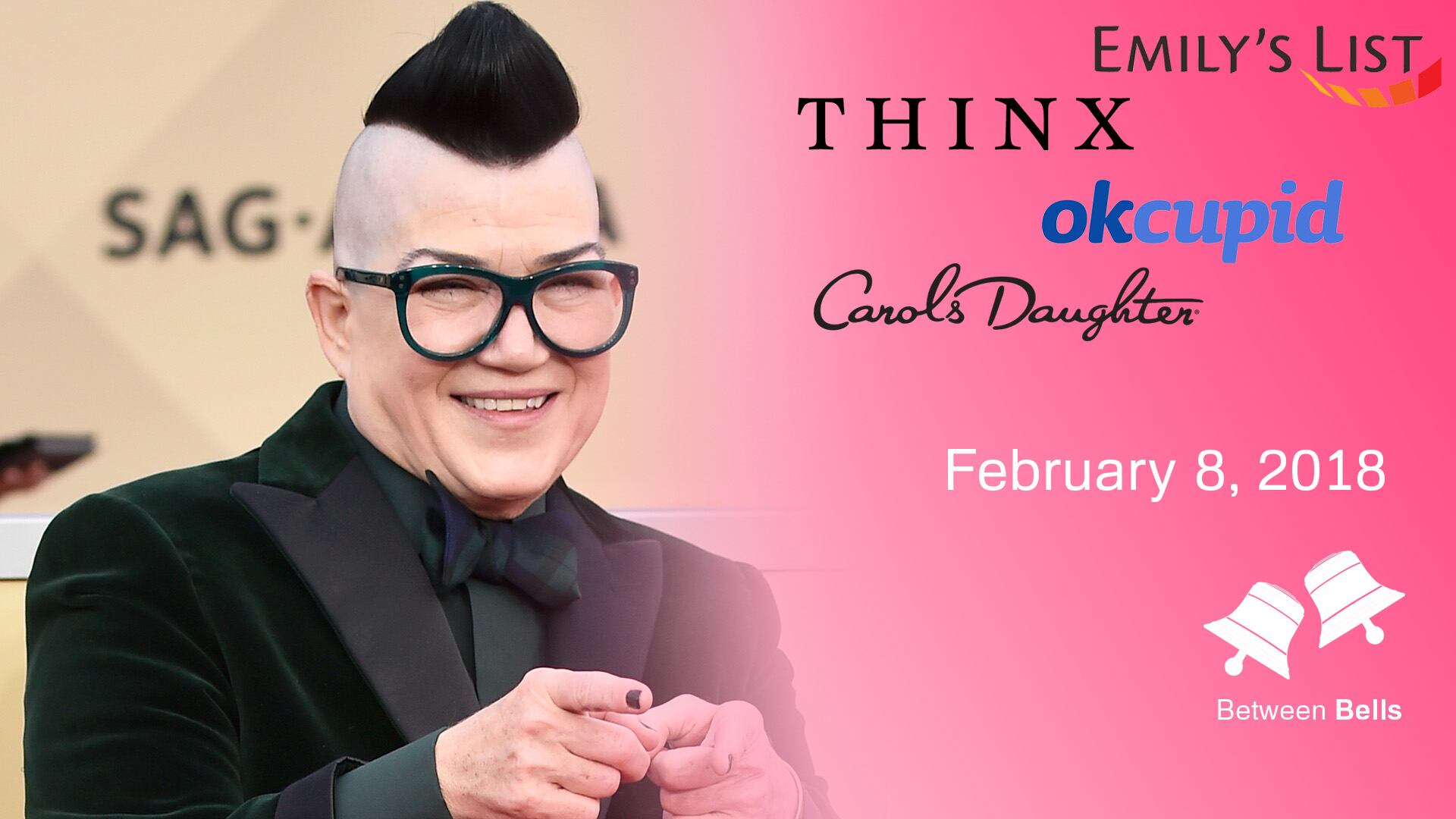
Between Bells: Cheddar turns into #chedHER, with 100% women anchors and guests. We highlight women in business, tech, entertainment, politics, and sports. With Cosmopolitan, EMILY's List, Lea DeLaria, MoveOn.org, THINX, and more!
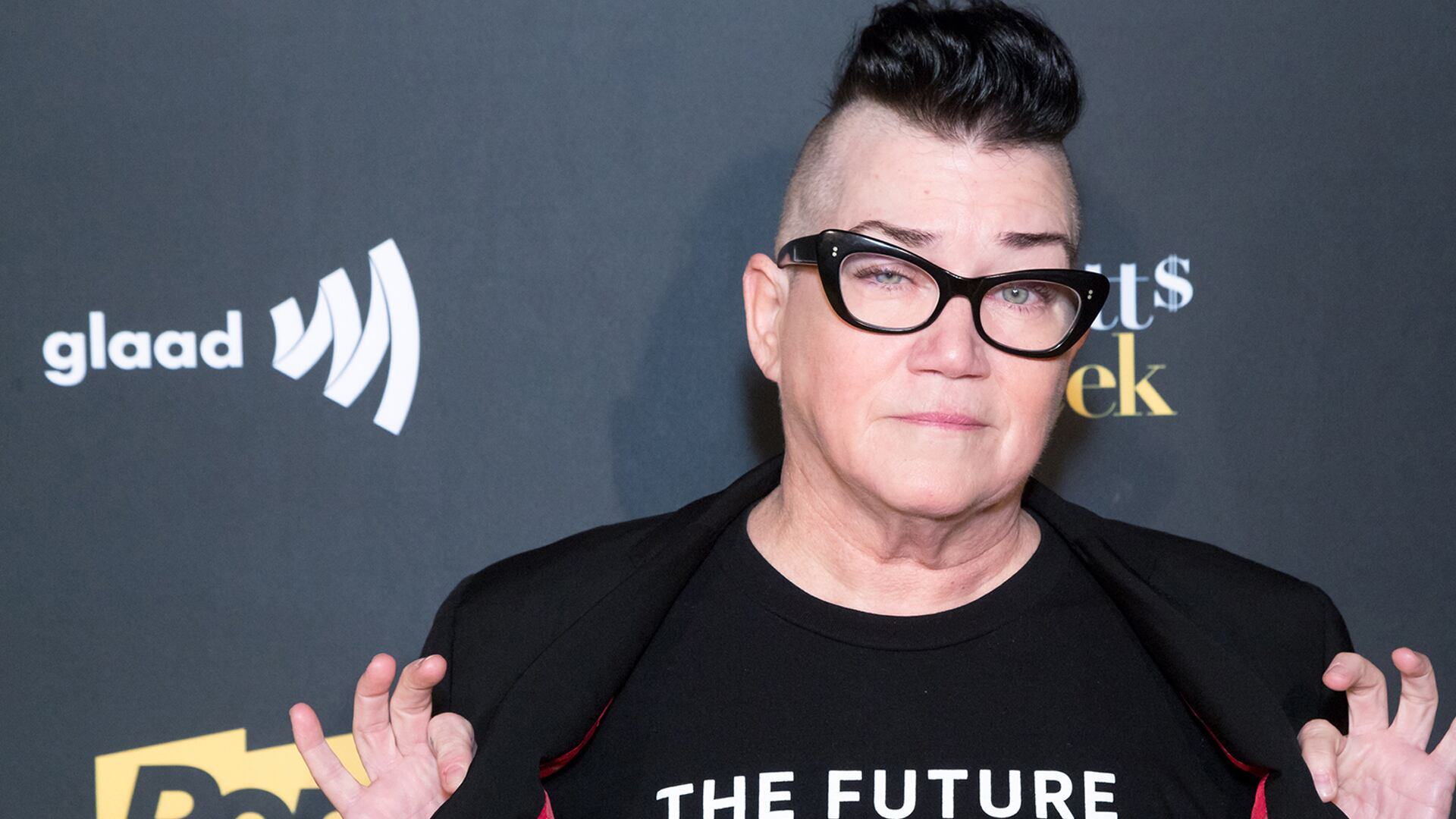
"Orange Is The New Black" actress Lea DeLaria grades the Trump administration on its handling of LGBTQ issues. Unsurprisingly, she's not a fan.
Linda McMahon, head of the Small Business Administration, discusses her appointment to the role, and her journey rising through the ranks of the business world. McMahon was made head of the S.B.A. by President Trump.
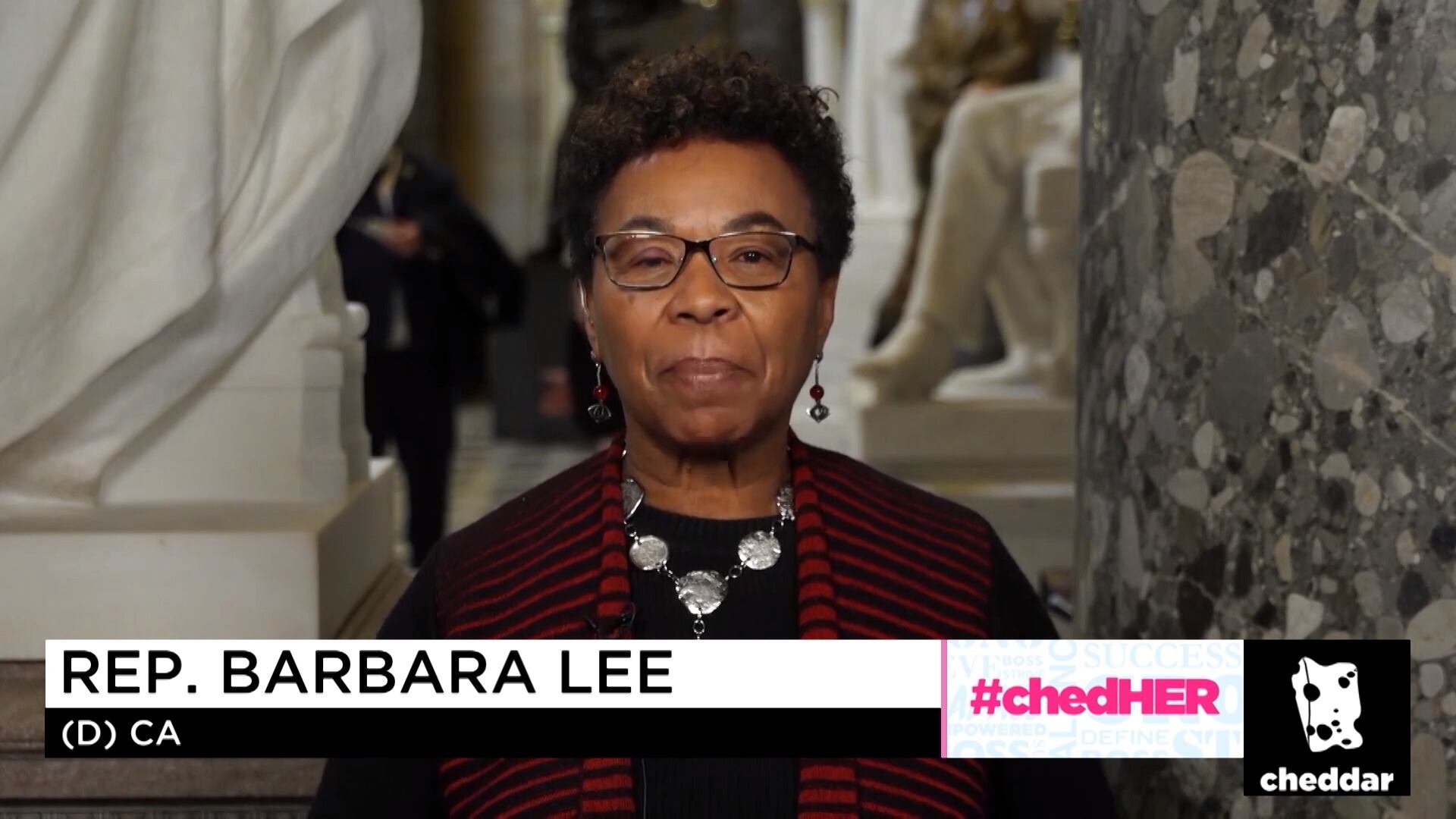
California Congresswoman Barbara Lee (D) CA discusses the record number of interest of women possibly seeking campaigns for Congress this year.