By Bill Barrow
There is no 12th Democratic presidential debate on the horizon now that the nominating process is in a holding pattern due to the coronavirus pandemic.
One of the Democratic National Committee's lead debate organizers, Xochitl Hinojosa, said the party has not set a date or secured a television broadcasting partner for what would be the final encounter of the dozen that DNC Chairman Tom Perez promised at the campaign's outset.
There's no evidence that either Joe Biden, the prospective nominee, or Bernie Sanders, Biden's last remaining rival, is clamoring for a debate, and there's doubt among the candidates' advisers that one will occur.
“We are taking things day by day,” Hinojosa said.
The uncertainty reflects both the political realities of Biden's lead and the public health realities of the virus, which could make another debate logistically difficult because of the social distancing orders from public officials.
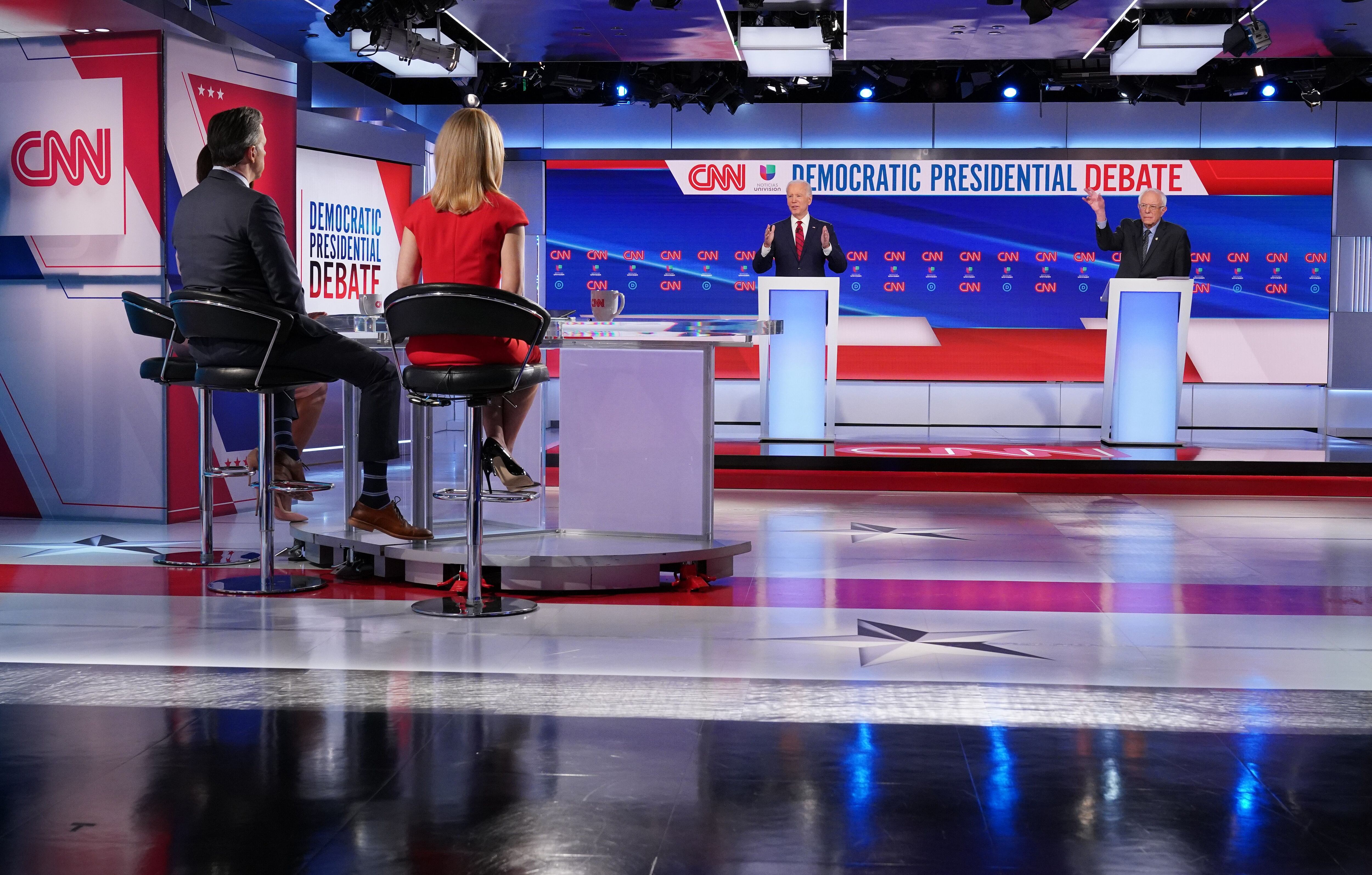
The first 10 Democratic debates were held in public venues before audiences of party officials and candidates' supporters. CNN and the DNC moved the March 15 debate, the first after U.S. officials publicly urged a massive coronavirus response, from Phoenix to the network's Washington studios. There was no live audience, and the candidates stood 6 feet (1.83 meters) apart, recognizing the public health recommendations.
Since then, Mayor Muriel Bowser of the District of Columbia has issued a stay-at-home order urging only nonessential workers to move about the nation's capital. New York, where national television networks are based, now has among the most serious coronavirus outbreaks of any U.S. city.
The next debate was expected to be in an East Coast location before the April 28 primary anchored by New York. That primary remains scheduled for now, but several states, including Maryland, Rhode Island, and Connecticut, have pushed back to join New Jersey on June 2.
The 11th debate, the relocated one, was the first between just Biden and Sanders and came after the rest of the field had either dropped out or failed to meet debate qualifications. Biden had established a clear delegate lead over Super Tuesday and March 10 primaries. Sanders' aides said at the time that the Vermont senator wanted to use the forum to trumpet his progressive agenda as a democratic socialist against the former vice president's more establishment approach.
Sanders' team is making no such noise now. “If there is a debate in April, he plans to be there,” Sanders spokesman Mike Casca said. It was a notably muted tone for a campaign and candidate often critical of the DNC and the “establishment media" for alleged unfair treatment.
For most people, the new coronavirus causes mild or moderate symptoms, such as fever and cough that clear up in two to three weeks. For some, especially older adults and people with existing health problems, it can cause more severe illness, including pneumonia, and death.
Associated Press writer Will Weissert in Washington contributed to this report.
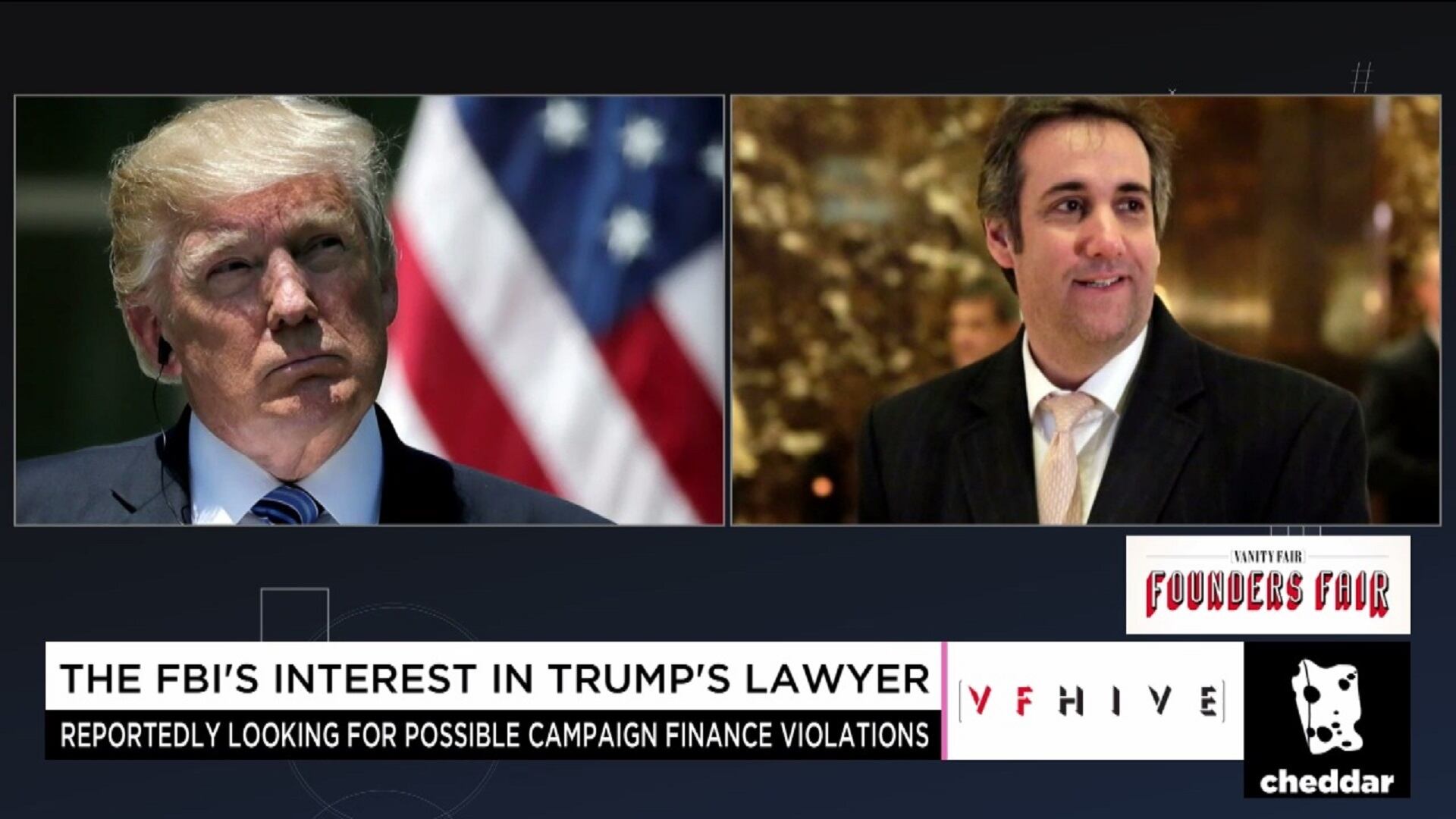
Michael Avenatti, who represents the adult film star, says the recent FBI raid of President Trump's lawyer Michael Cohen is a telling sign that charges will soon follow.
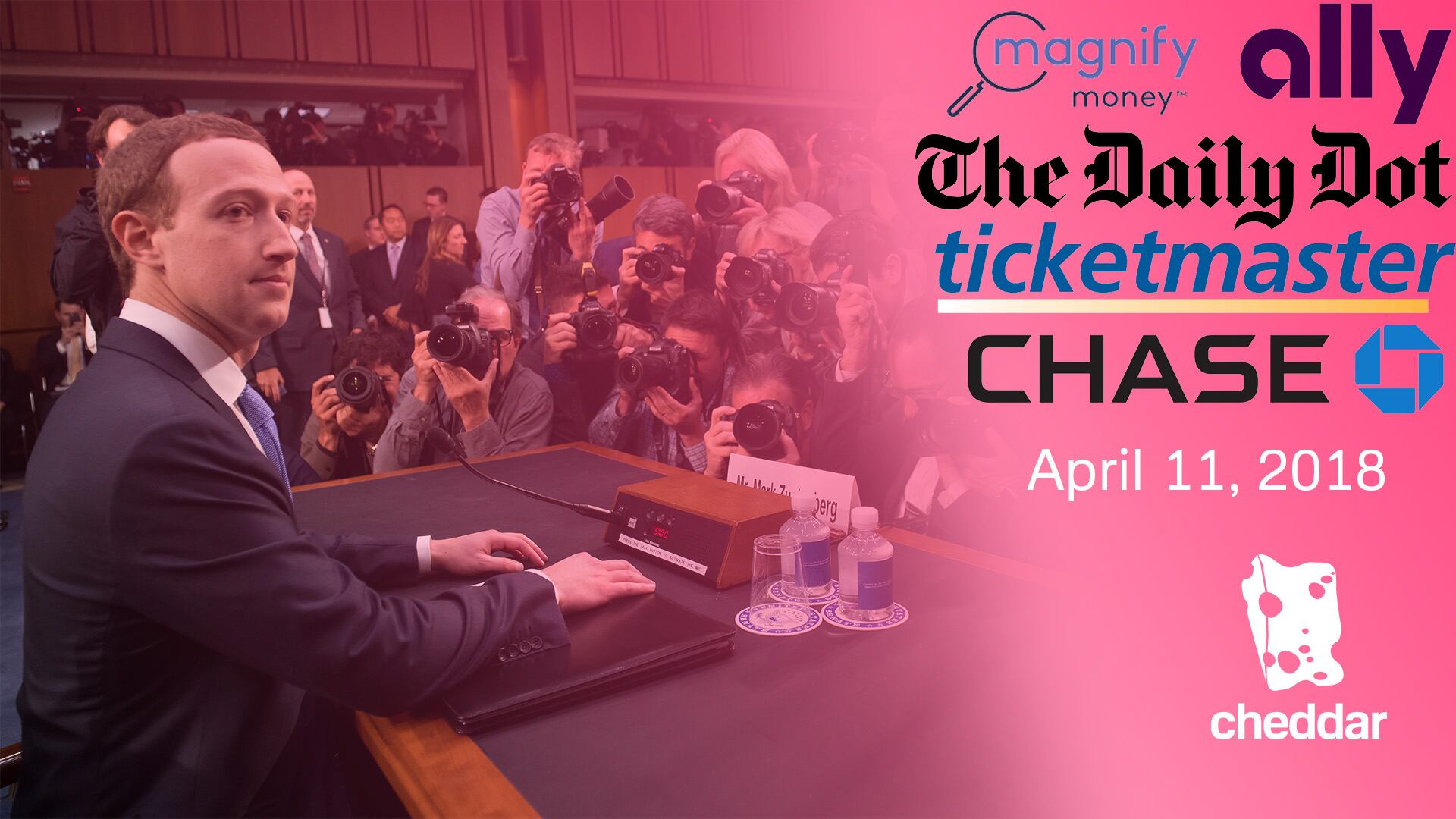
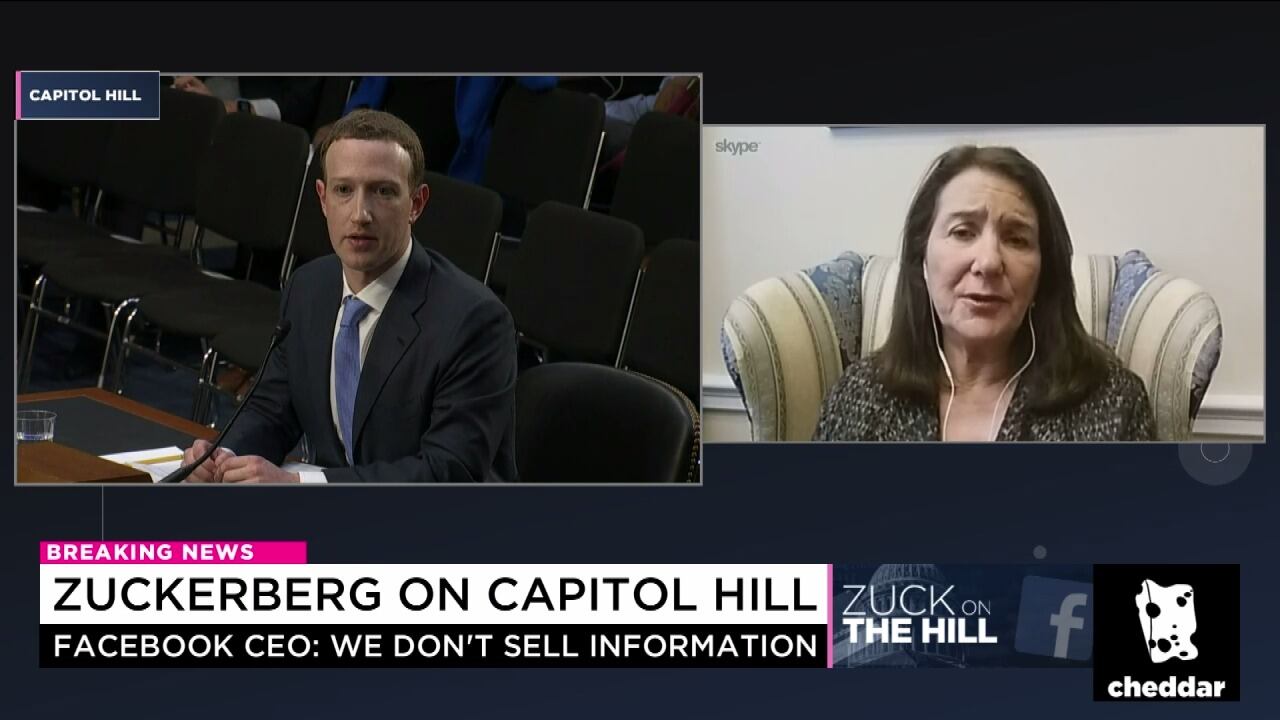
Facebook CEO Mark Zuckerberg testified on Capitol Hill Tuesday about the massive data scandal at the social media giant. Rep. Diana DeGette (D-CO) shares her reaction, and what she plans to ask Zuckerberg when he speaks to the House of Representatives Wednesday.
During both of Facebook CEO Mark Zuckerberg's testimonies on the Cambridge Analytica scandal, lawmakers hinted at the potential for basing regulation off European laws. But the First Amendment might make that difficult, says the New Yorker's Andrew Marantz.
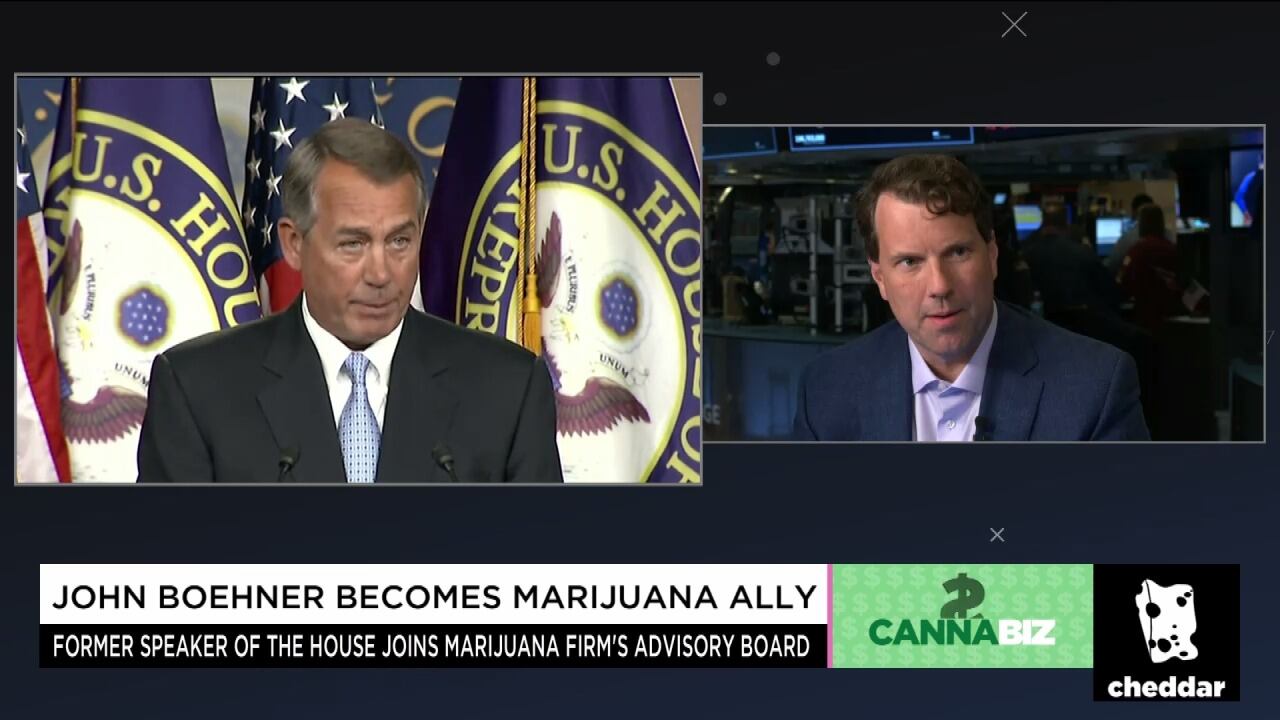
The former House Speaker, who has long been a firm opponent of legalizing marijuana, said Wednesday he'd be joining the board of Acreage Holdings, a company that cultivates and dispenses the drug in 11 states. The President of Acreage told Cheddar that helping veterans was what convinced Boehner to flip.
The congressman, who represents Arizona's 7th District, says sending troops to do the border is expensive and doesn't improve security.
Rep. Ruben Gallego (D-AZ) says Ryan's decision not to seek re-election indicates that Republicans face a tough fight in the midterm elections. "He knows he's going to be a minority leader next year." Ryan made the surprise announcement Wednesday, saying he took the speaker position "reluctantly" in the first place.
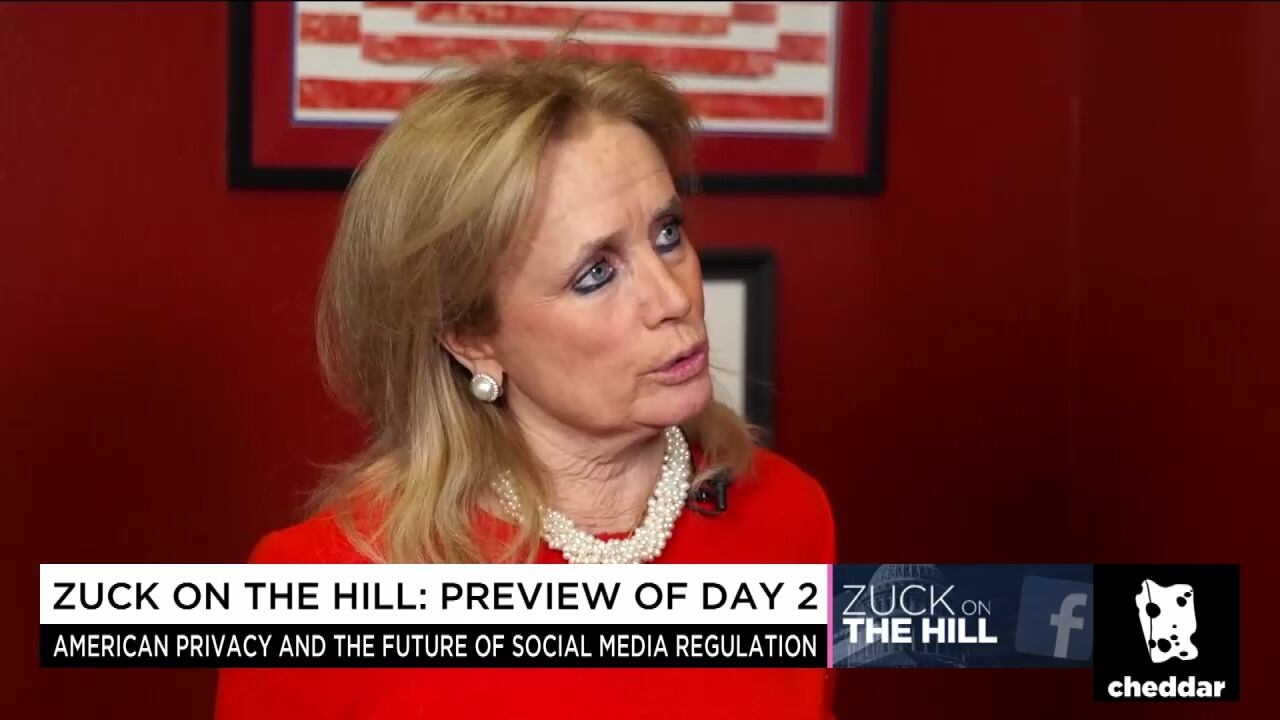
Facebook CEO Mark Zuckerberg returns to Capitol Hill for a second day of questioning. Today, Zuckerberg testifies before the House Committee on Energy and Commerce. Ahead of the hearing, we spoke to Congressman Debbie Dingell (D-MI) about what she wants to hear from the Facebook CEO. Dingell is concerned about the privacy of Americans who use the social networking site and speculates about what a regulated Facebook would look like.
In other Washington news, House Speaker Paul Ryan (R-WI) announced today that he will not seek re-election this November. Ryan held a press conference to elaborate on his decision. He said he thinks he's done his part and looks forward to spending more time with his family.
Also, Joanna Coles stops by to talk about her new book, "Love Rules." She says her book can help readers find real love in the age of Tinder and Bumble. Coales, who sits on the board of directors for Snap, discusses what it's like to be a woman on the board of a Silicon Valley tech giant.
The Congresswoman admitted that changes won't come in time for the midterm elections in November. But the question is no longer whether social media be regulated but what that regulation should look like, says Dingell. She says European laws serve as good models. Facebook CEO Mark Zuckerberg faces a House committee Wednesday for a second round of questioning on the Cambridge Analytica scandal.
Congresswoman Diana DeGette, who is on the House committee that will question Mark Zuckerberg tomorrow, says perhaps harsher penalties will force companies to do more before breaches occur.
The shoe designer, who co-founded Jimmy Choo before becoming COO at her own eponymous brand, says talking to peers about what you're earning is the only way to find out if you're being undervalued.