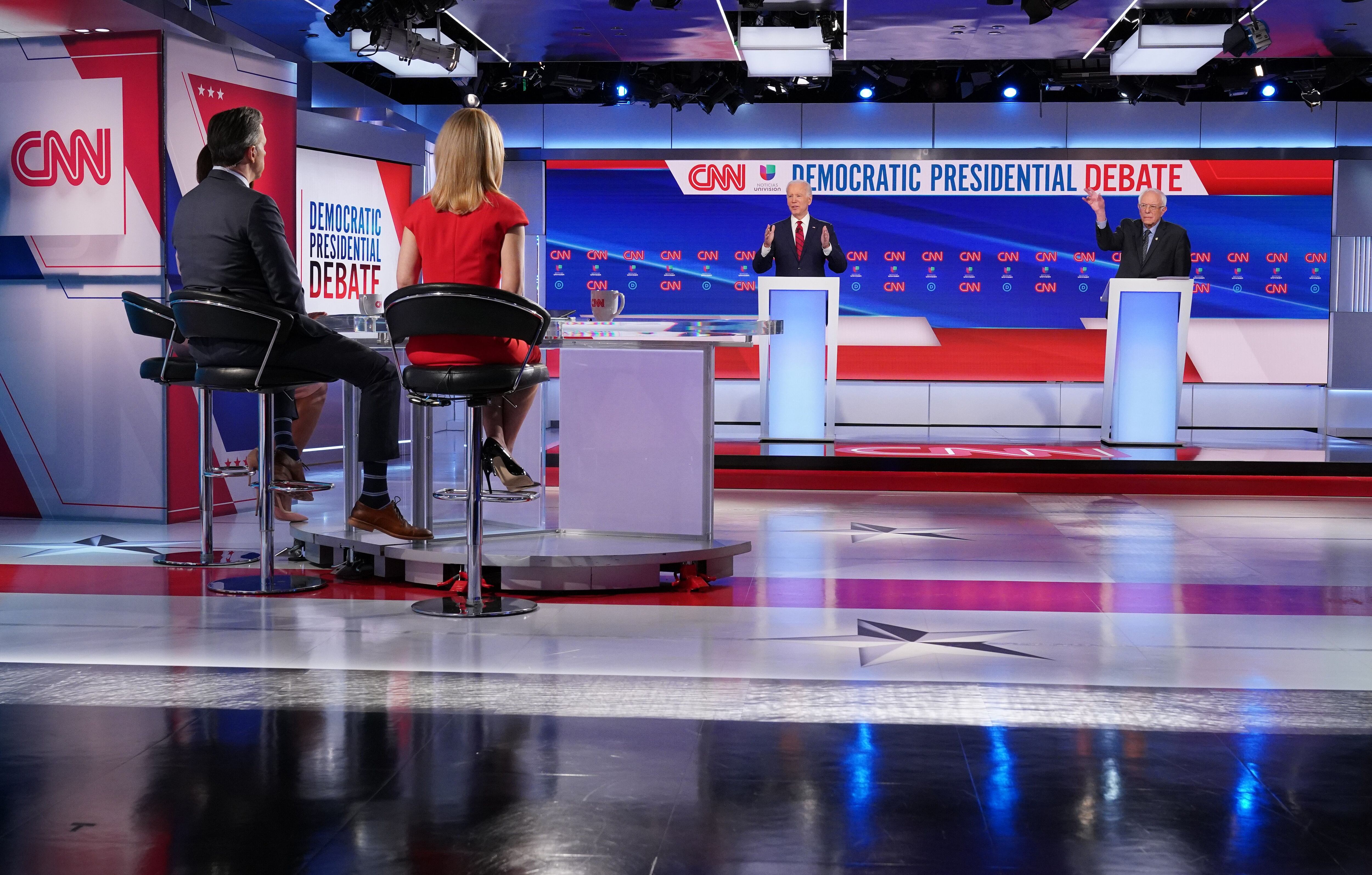
(L-R) Moderators Univision's journalist Ilia Calderon (hidden), CNN chief Washington correspondent Jake Tapper and CNN political correspondent Dana Bash listen to Democratic presidential hopefuls former US vice president Joe Biden and Vermont Senator Bernie Sanders take part in the 11th Democratic Party 2020 presidential debate in a CNN Washington Bureau studio in Washington, DC on March 15, 2020. (Photo by MANDEL NGAN / AFP) (Photo by MANDEL NGAN/AFP via Getty Images)
By Bill Barrow
There is no 12th Democratic presidential debate on the horizon now that the nominating process is in a holding pattern due to the coronavirus pandemic.
One of the Democratic National Committee's lead debate organizers, Xochitl Hinojosa, said the party has not set a date or secured a television broadcasting partner for what would be the final encounter of the dozen that DNC Chairman Tom Perez promised at the campaign's outset.
There's no evidence that either Joe Biden, the prospective nominee, or Bernie Sanders, Biden's last remaining rival, is clamoring for a debate, and there's doubt among the candidates' advisers that one will occur.
The first 10 Democratic debates were held in public venues before audiences of party officials and candidates' supporters. CNN and the DNC moved the March 15 debate, the first after U.S. officials publicly urged a massive coronavirus response, from Phoenix to the network's Washington studios. There was no live audience, and the candidates stood 6 feet (1.83 meters) apart, recognizing the public health recommendations.
Since then, Mayor Muriel Bowser of the District of Columbia has issued a stay-at-home order urging only nonessential workers to move about the nation's capital. New York, where national television networks are based, now has among the most serious coronavirus outbreaks of any U.S. city.
The next debate was expected to be in an East Coast location before the April 28 primary anchored by New York. That primary remains scheduled for now, but several states, including Maryland, Rhode Island, and Connecticut, have pushed back to join New Jersey on June 2.
The 11th debate, the relocated one, was the first between just Biden and Sanders and came after the rest of the field had either dropped out or failed to meet debate qualifications. Biden had established a clear delegate lead over Super Tuesday and March 10 primaries. Sanders' aides said at the time that the Vermont senator wanted to use the forum to trumpet his progressive agenda as a democratic socialist against the former vice president's more establishment approach.
Sanders' team is making no such noise now. “If there is a debate in April, he plans to be there,” Sanders spokesman Mike Casca said. It was a notably muted tone for a campaign and candidate often critical of the DNC and the “establishment media" for alleged unfair treatment.
For most people, the new coronavirus causes mild or moderate symptoms, such as fever and cough that clear up in two to three weeks. For some, especially older adults and people with existing health problems, it can cause more severe illness, including pneumonia, and death.
Associated Press writer Will Weissert in Washington contributed to this report.
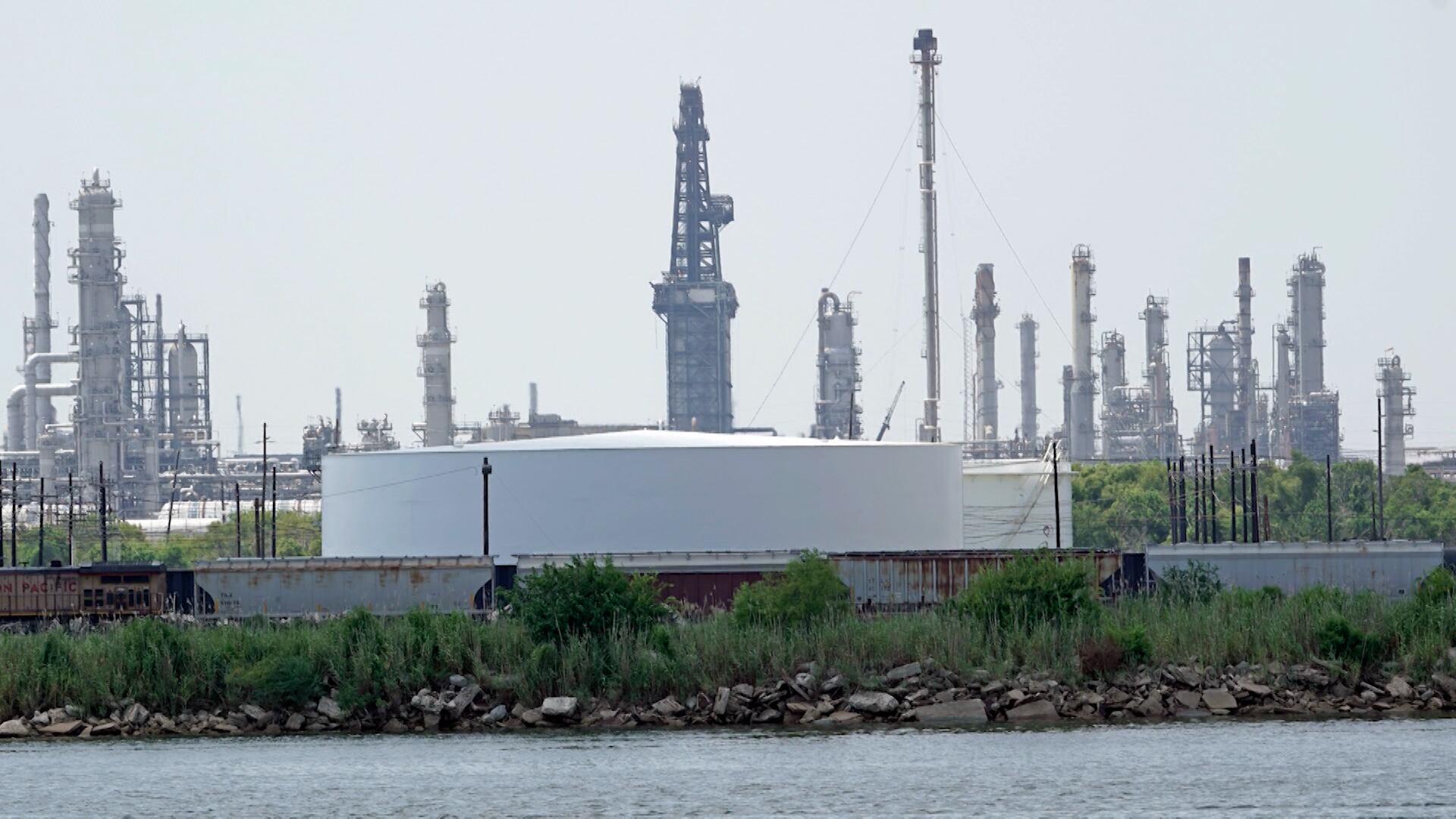
President Biden announced a ban on Russian oil and natural gas imports to the U.S. in response to its invasion of Ukraine, a move he warned could lead to an even greater surge in gas prices. The ban is prompting a conversation about the current oil production levels in the U.S. and whether or not the industry can ramp up production to soften the blow to American families at the gas pump. Clark Williams-Derry, Energy Finance Analyst with the Institute for Energy Economics and Financial Analysis, breaks down the state of the U.S. oil industry and how the ban might impact production levels here at home.
PepsiCo, Coca-Cola, McDonald’s, and Starbucks are the latest American food brands to have halted business operations in Russia after having faced scrutiny and criticism for originally failing to do so amid the country's invasion of Ukraine.
As Russia intensifies its war on Ukraine, President Biden announced a ban on oil imported from the aggressor nation. Critics of Russia have said this would be the best way to force Putin to pull back, but curbs on Russian oil exports are expected to send already skyrocketing oil and gas prices even higher, further impacting consumers, businesses, financial markets, and the global economy. Leslie Beyer, CEO of the Energy Workforce and Technology Council, joined Cheddar News' Closing Bell to discuss. "It's certainly going to increase pricing, but it is the right thing to do," she said. "The industry itself has already pulled out of the significant portion of its operations in Russia."
Sports Betting in the U.S. is booming. According to industry experts, we could see another boom this year as more states move towards statewide legalization of sports wagering. While this comes as huge news for fans, there are some very real concerns as to whether or not sports betting potentially poses a threat to public health. Senior Clinician at the Caron Treatment Centers, Eric Webber, joined Cheddar to discuss more.
The Biden administration has made gender policy a core part of how it governs. The president established the first Gender Policy Council. It's on the same level as the National Security Council, Domestic Policy Council and National Economic Council, putting the interests of women and other underserved groups at the table for the most important policy discussions.
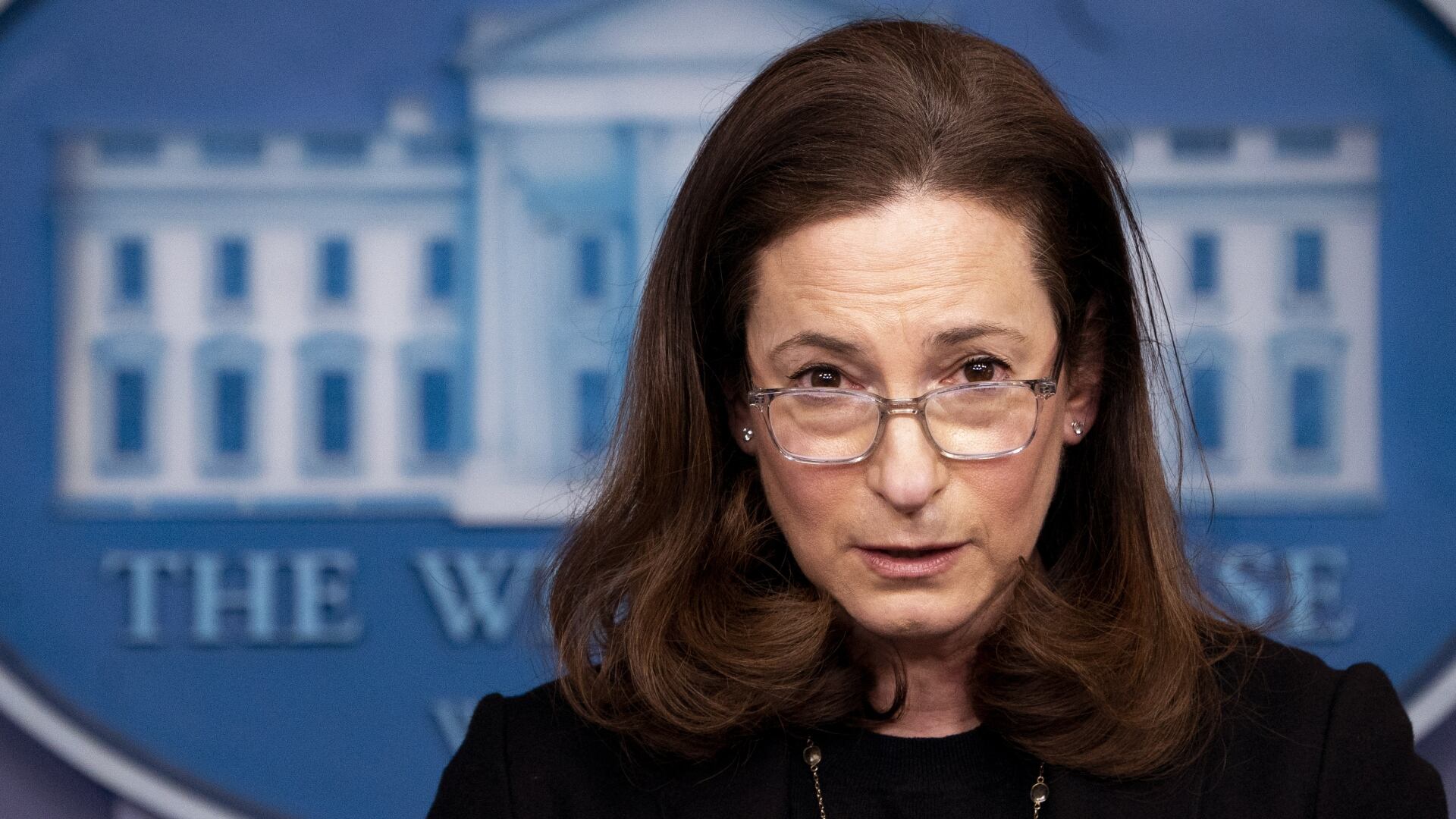
Cheddar News sat down with Jennifer Klein, executive director and co-chair of the White House Gender Policy Council, to discuss the council's work and its significance during Women's History Month.
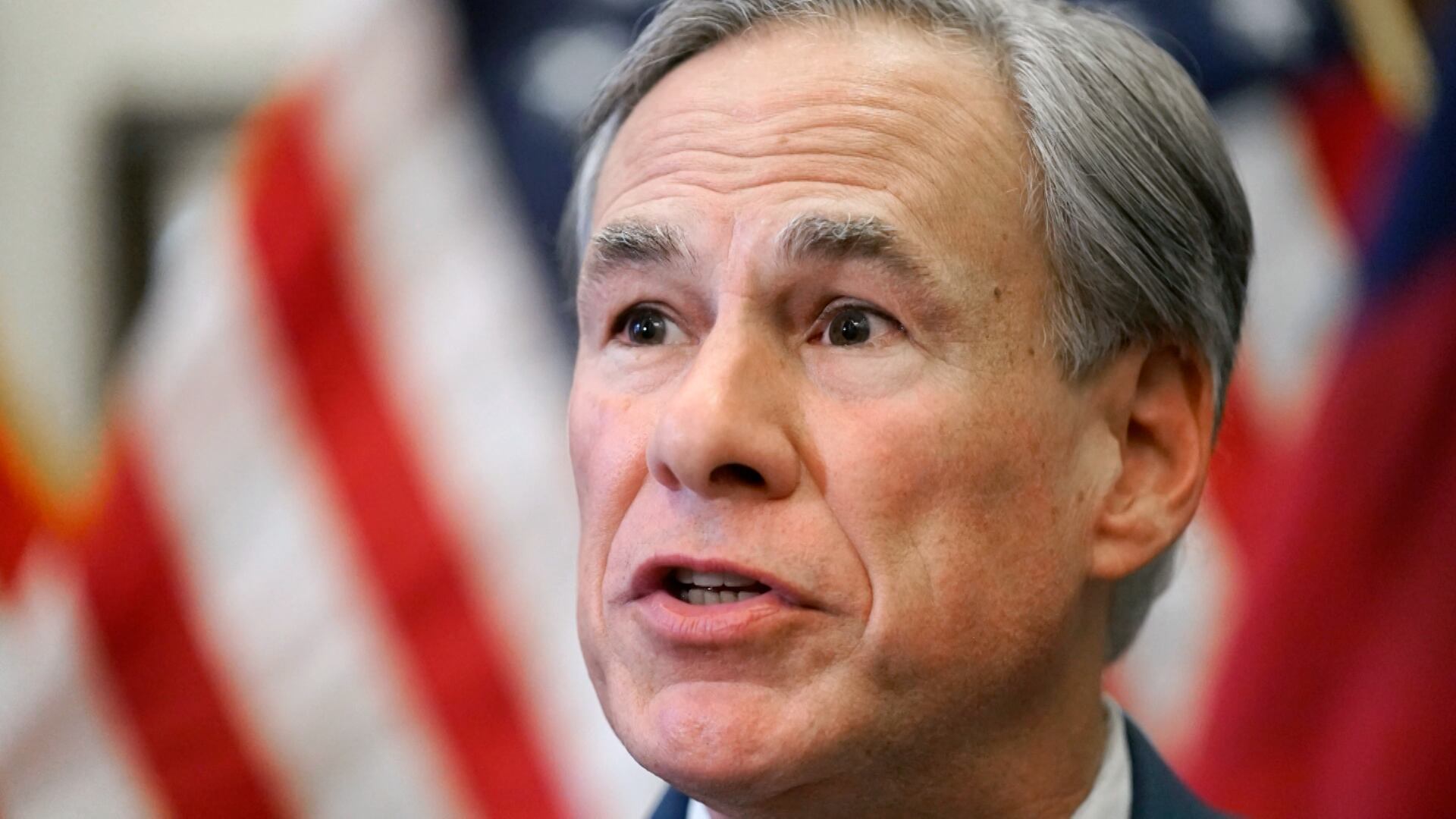
State Representative Jessica González, Vice Chair of the Texas House LGBTQ Caucus, joins Cheddar News to discuss the latest Texas anti-transgender directive.
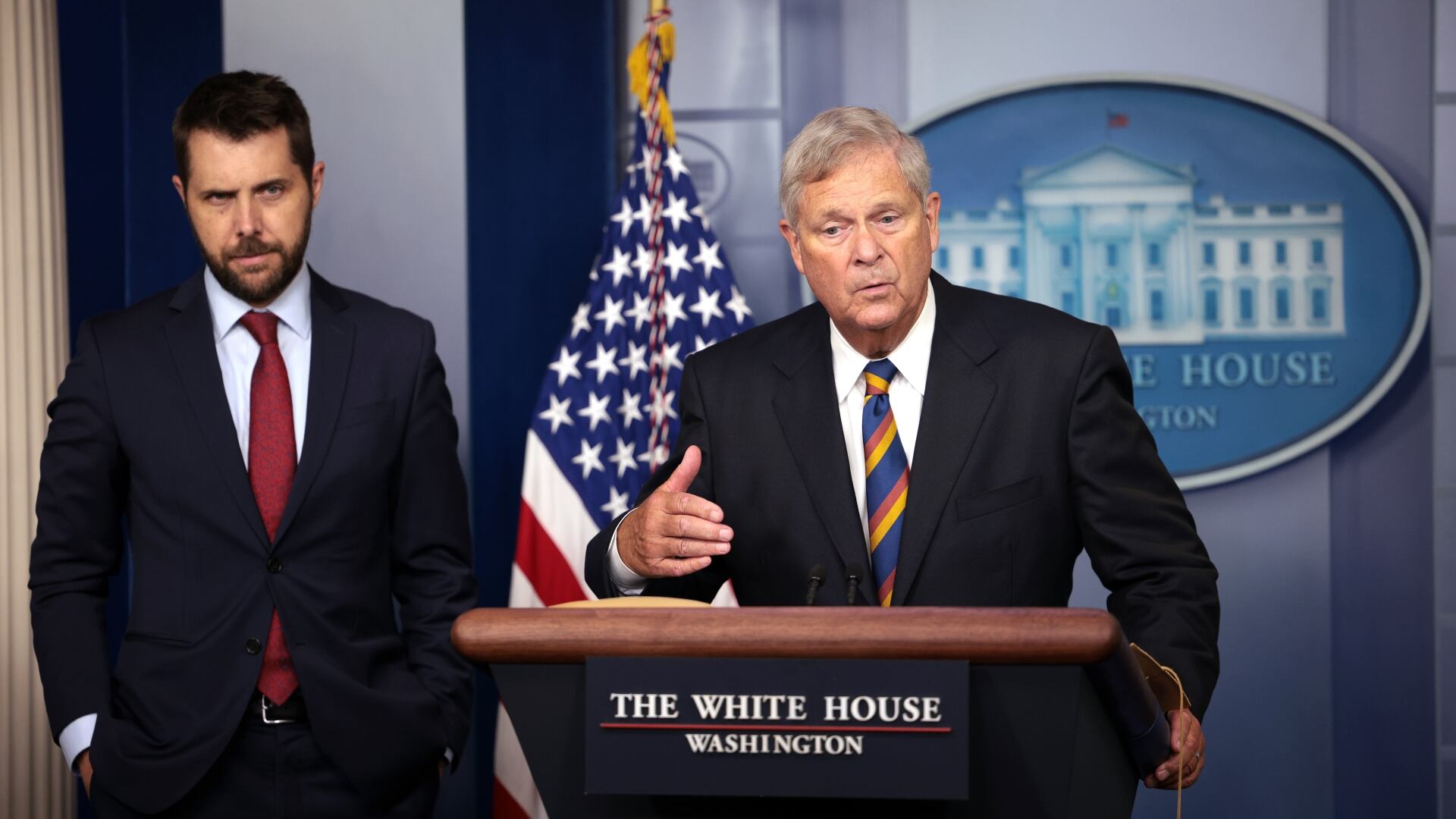
The United States Secretary of Agriculture, Tom Vilsack joins None of the Above to discuss the newly emerging conflict in Europe, what it means for agriculture in the states, dairy and meat consumption, and how the department is planning to promote climate-smart agriculture.
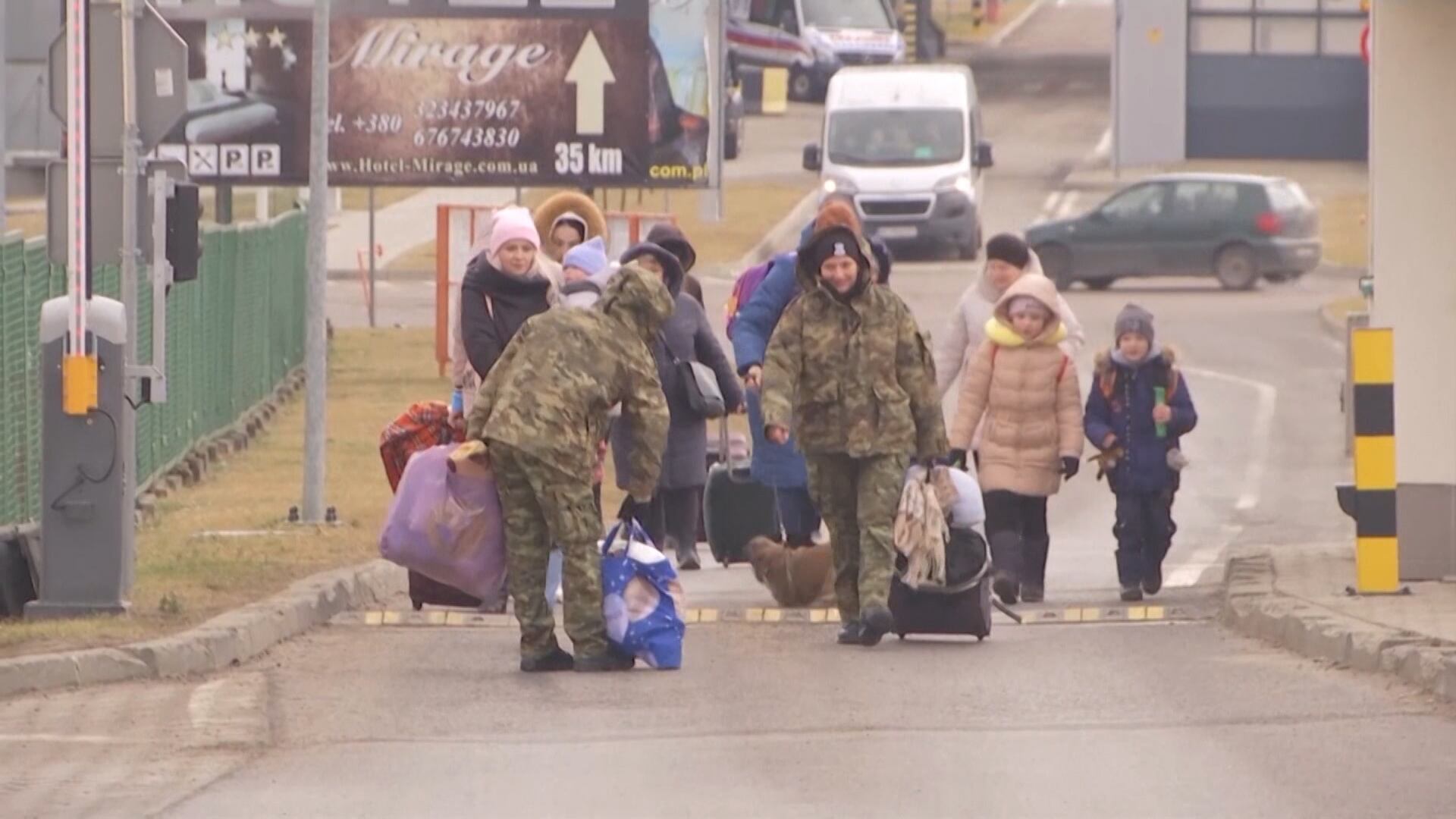
Tens of thousands of people have fled Ukraine in attempts to escape the Russian Invasion. According to the U.N. neighboring countries like Poland, Hungary, and even Romania have seen half a million refugees. While the hospitality is being welcomed by many, it also highlights the mistreatment of migrants and refugees from the Middle East and Africa. Professor of Philosophy and Director of Politics at Northeastern University Serena Parekh, joined Cheddar, to discuss more.
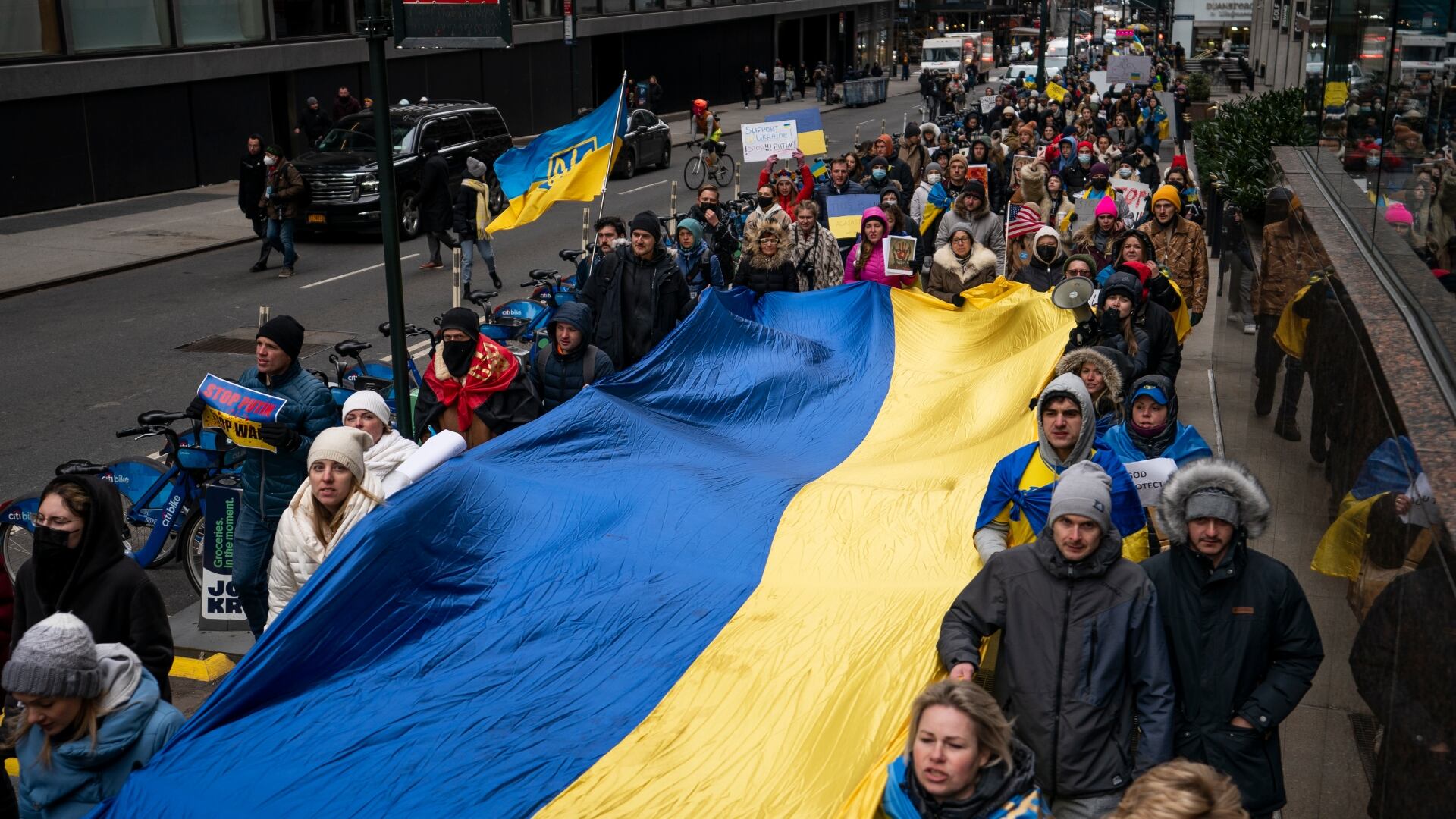
As Russia unleashed war in the country of Ukraine, global leaders have started inflicting punishment on Vladimir Putin's regime via commercial and financial penalties. According to President Joe Biden Putin's aggression is "a flagrant violation of international law and it demands a firm response from the international community".However, the main question is will these sanctions actually work. Partner at Jenner & Block LLP, Rachel Alpert, joined Cheddar to discuss more.