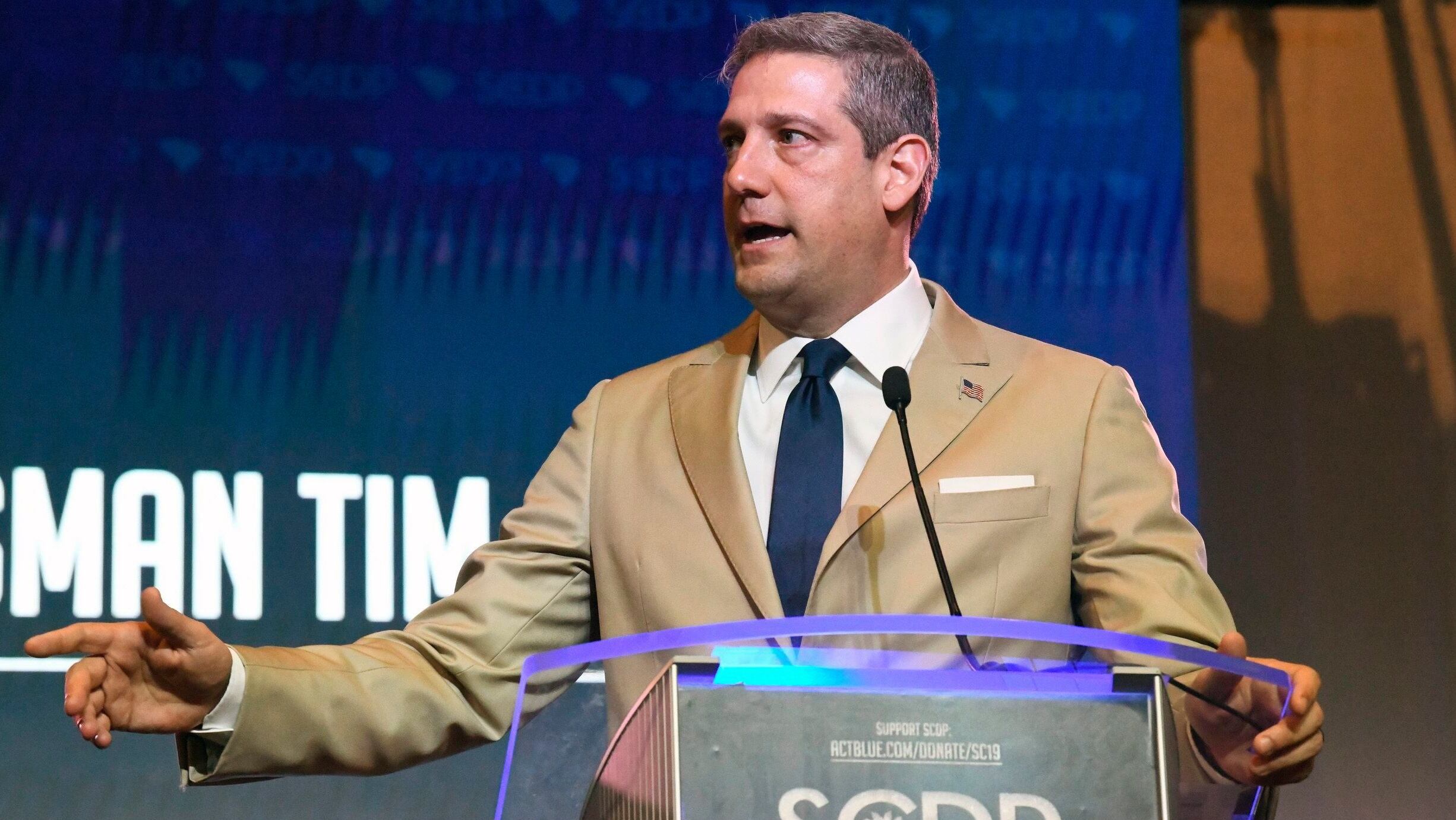
Polling at just one percent in nearly all the major early 2020 presidential polls, Congressman Tim Ryan (D-Ohio) is hoping to break through on the debate stage Wednesday night by portraying himself as the one leader who faced hardships similar to most Americans.
"I'm just going to be myself. I know who I am, and where I come from, and I want to share that with the American people," Ryan told Cheddar at Rep. Jim Clyburn's "World Famous Fish Fry" in Columbia, South Carolina on Friday night.
A self-described capitalist, Ryan's 2020 stump speech has been for the worker. The district Ryan has represented for eight-terms, Ohio 13, is located in the northeast portion of the state, and includes working class, auto manufacturing cities like Lordstown and Youngstow, both of which have been crushed by changes in the industry. Ryan drew parallels between his constituents and the South Carolinian voters at Clyburn's event.
"This is a working class state, and our motto is 'JOBS, JOBS, JOBS,'" Ryan said. "I mean the best social program is a job, and we want to start building things again, and the communities I represent like Youngstown, Ohio look a lot like South Carolina."
In March, Ryan's district was hit hard when a massive GM manufacturing plant shuttered in Lordstown with nearly 1,700 hourly workers being sent home without a plan in sight.
But these hardships might help a presidential candidate understand the reality Americans face in 2019. Ryan wants to increase U.S. investment in electric vehicles and solar energy as a way to both go green and drive job growth.
On the debate stage Wednesday, Ryan intends to discuss what he has overcome (or is in the process of overcoming) as a way to level with the American people. "I come from a community that has seen job loss, has seen an opioid epidemic, that has seen an infant mortality epidemic, and the next president has got to deeply understand what the American people are going through."
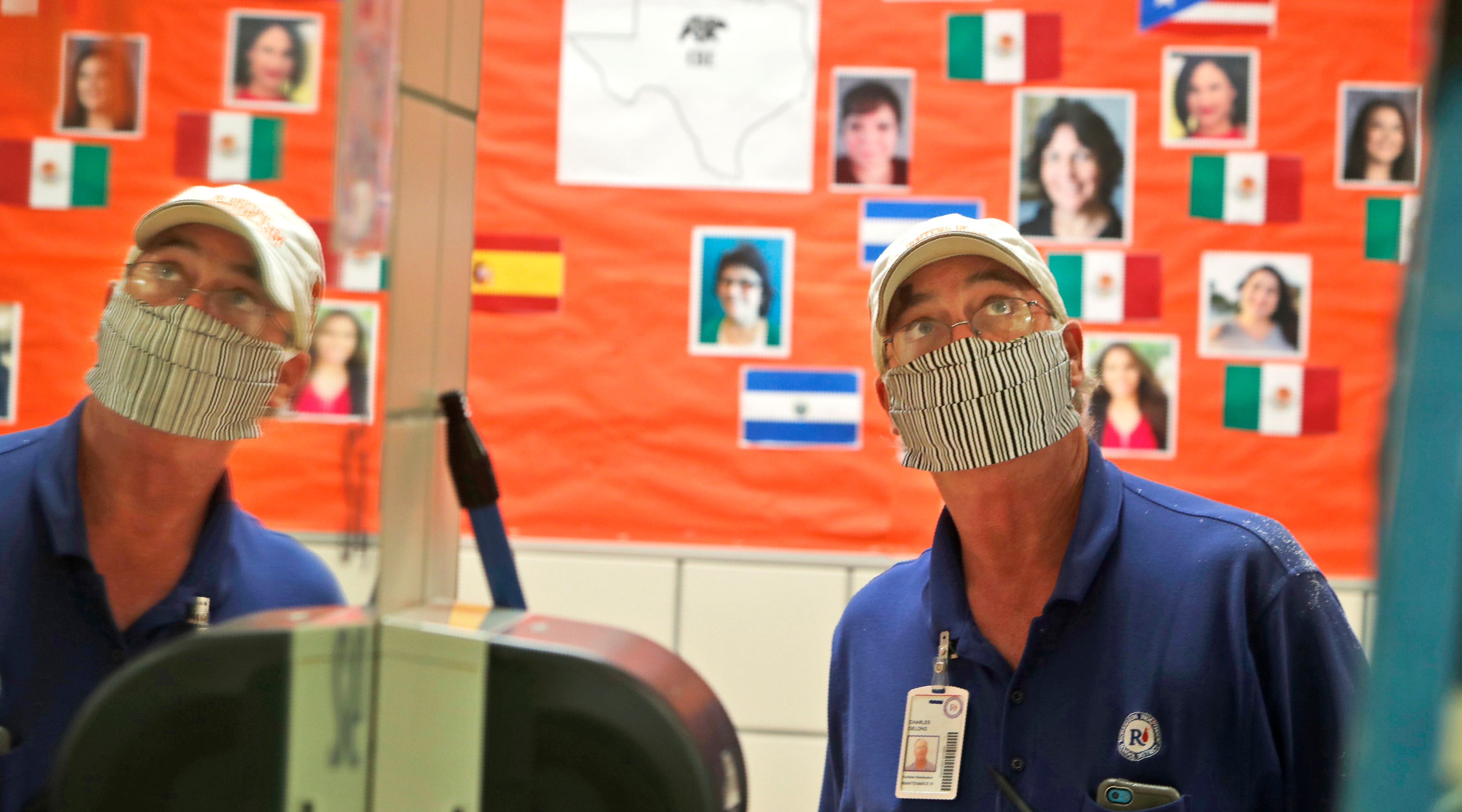
Arizona, Texas, and Florida are together reporting about 25,000 new coronavirus cases as new restrictions aimed at combating the spread of the pandemic take hold in the United States and around the world.
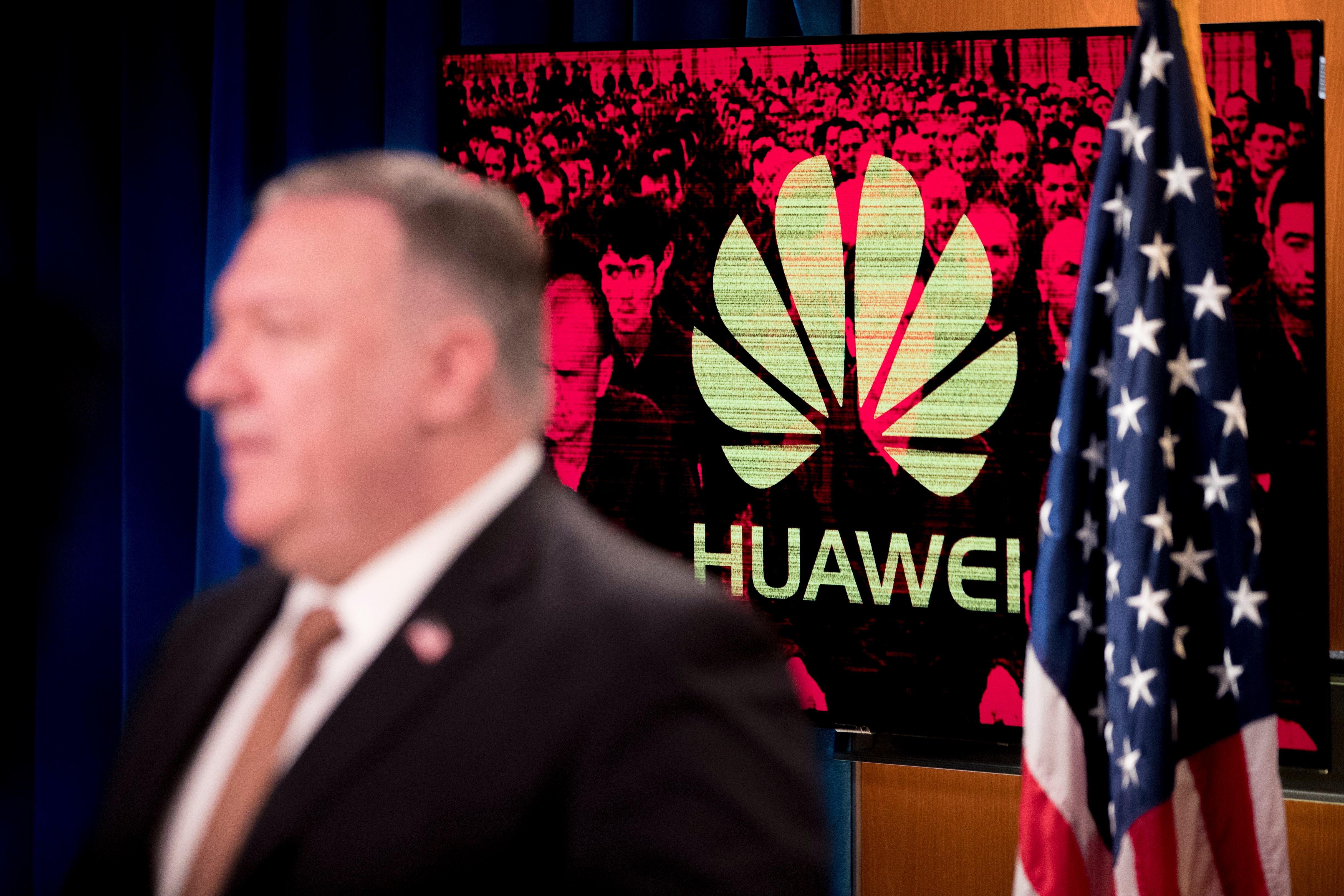
Secretary of State Mike Pompeo says the U.S. is imposing travel bans on employees of the Chinese technology giant Huawei and other companies the U.S. determines are assisting authoritarian governments in cracking down on human rights.
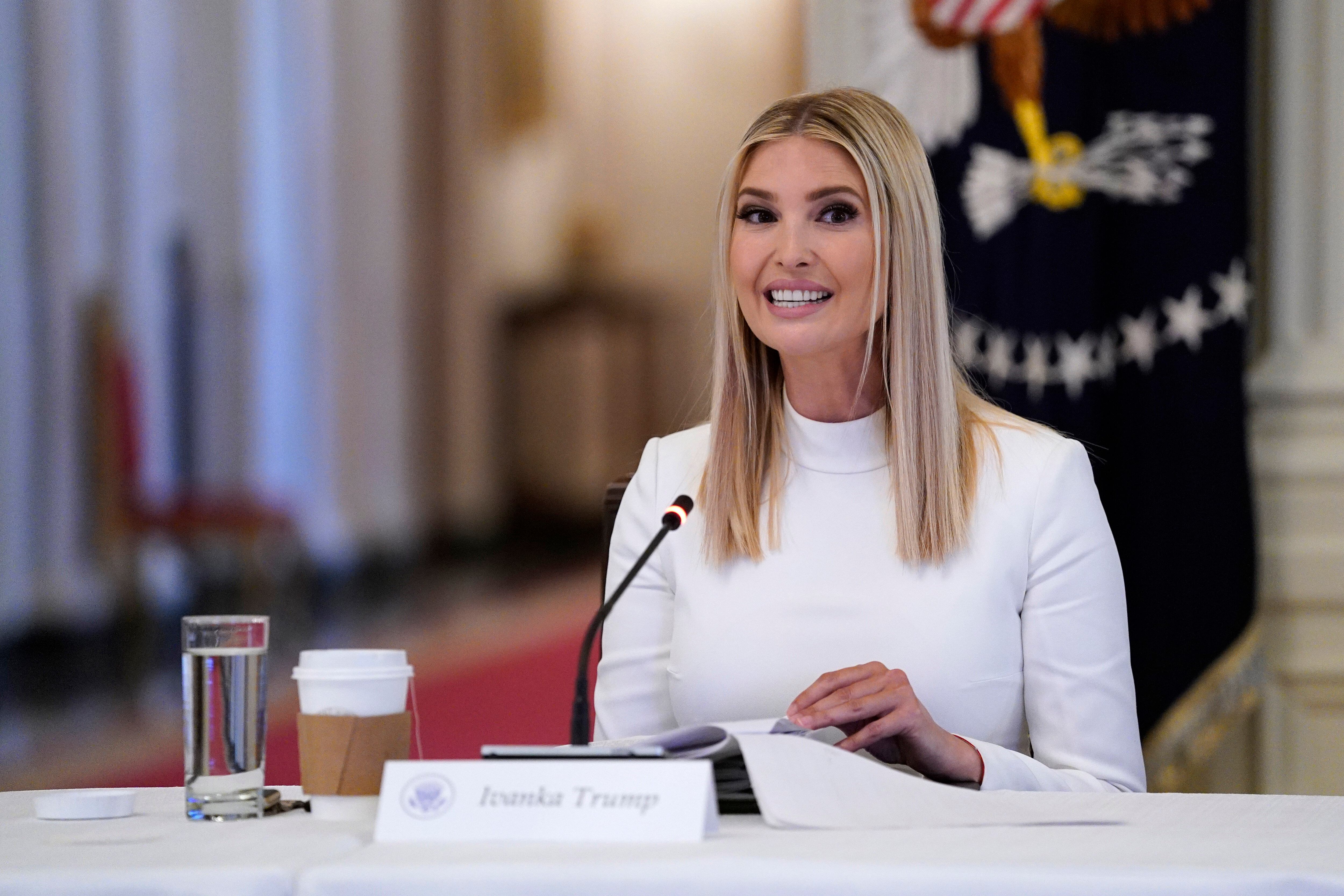
The initiative is geared toward students, mid-career workers and the millions now unemployed because of the new coronavirus. But the campaign, called “Find Something New,” was quickly bashed on social media as being tone deaf and inadequate for the times.
The Trump administration has rescinded a rule that would have required international students to transfer schools or leave the country if their colleges hold classes entirely online this fall because of the coronavirus pandemic.
Joe Biden released a plan Tuesday aimed at combating climate change and spurring economic growth in part by overhauling America’s energy industry.
As enhanced unemployment benefits are set to expire at the end of July, HUD secretary Carson, discusses the Trump administration's 'tool kit' meant to protect Americans from evictions beyond the coronavirus pandemic.
Tina Tchen, president and CEO of Time's Up, provides insight into how companies can go about addressing inequities in the workplace.
California Gov. Gavin Newsom has extended the closure of bars and indoor dining statewide and has ordered gyms, churches and hair salons closed in most places as coronavirus cases keep rising.
The United States is grappling with the worst coronavirus outbreak in the world, as Florida shattered the national record for a state’s largest single-day increase in new confirmed cases with a reported 15,299.
Julian Castro, former secretary of Housing & Urban Development, talks about the importance of stable housing for Americans. Castro also dissects former VP Joe Biden's plan to combat the housing crisis.