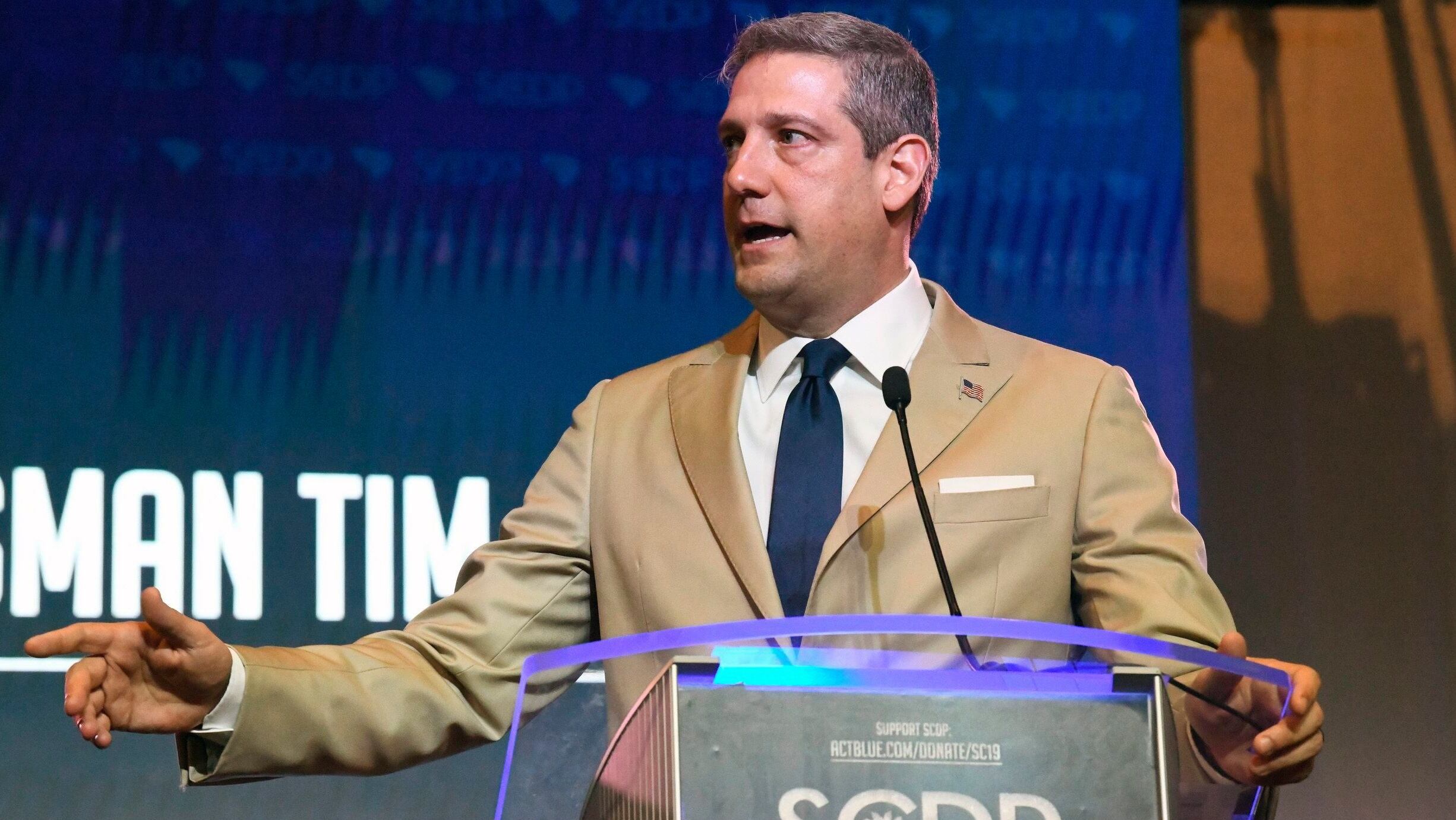
Polling at just one percent in nearly all the major early 2020 presidential polls, Congressman Tim Ryan (D-Ohio) is hoping to break through on the debate stage Wednesday night by portraying himself as the one leader who faced hardships similar to most Americans.
"I'm just going to be myself. I know who I am, and where I come from, and I want to share that with the American people," Ryan told Cheddar at Rep. Jim Clyburn's "World Famous Fish Fry" in Columbia, South Carolina on Friday night.
A self-described capitalist, Ryan's 2020 stump speech has been for the worker. The district Ryan has represented for eight-terms, Ohio 13, is located in the northeast portion of the state, and includes working class, auto manufacturing cities like Lordstown and Youngstow, both of which have been crushed by changes in the industry. Ryan drew parallels between his constituents and the South Carolinian voters at Clyburn's event.
"This is a working class state, and our motto is 'JOBS, JOBS, JOBS,'" Ryan said. "I mean the best social program is a job, and we want to start building things again, and the communities I represent like Youngstown, Ohio look a lot like South Carolina."
In March, Ryan's district was hit hard when a massive GM manufacturing plant shuttered in Lordstown with nearly 1,700 hourly workers being sent home without a plan in sight.
But these hardships might help a presidential candidate understand the reality Americans face in 2019. Ryan wants to increase U.S. investment in electric vehicles and solar energy as a way to both go green and drive job growth.
On the debate stage Wednesday, Ryan intends to discuss what he has overcome (or is in the process of overcoming) as a way to level with the American people. "I come from a community that has seen job loss, has seen an opioid epidemic, that has seen an infant mortality epidemic, and the next president has got to deeply understand what the American people are going through."
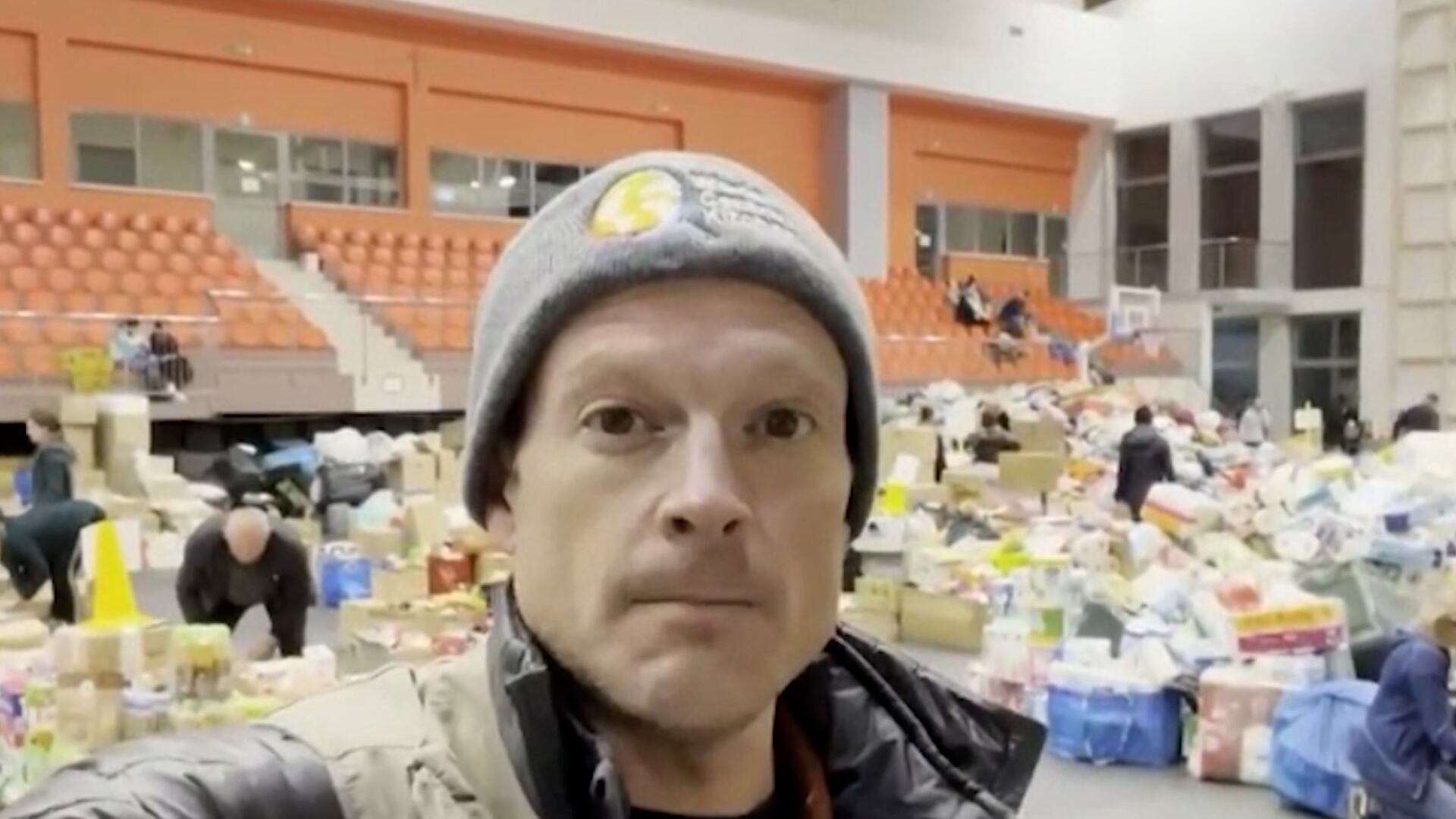
World Central Kitchen is Ukraine helping to feed people remaining in the country or fleeing from the Russian forces. Nate Mook, CEO for the non-profit, joined Cheddar New to discuss the efforts being made to help those in need in a very tenuous situation and how the invasion disrupted the lives of Ukrainian people."We met a young woman from Kyiv who had crossed into Poland, she had a great job, she just moved into a new apartment. She was really excited about decorating her apartment. You know, things that we all do on a day-to-day basis, and she had to just abandon her life," he said.
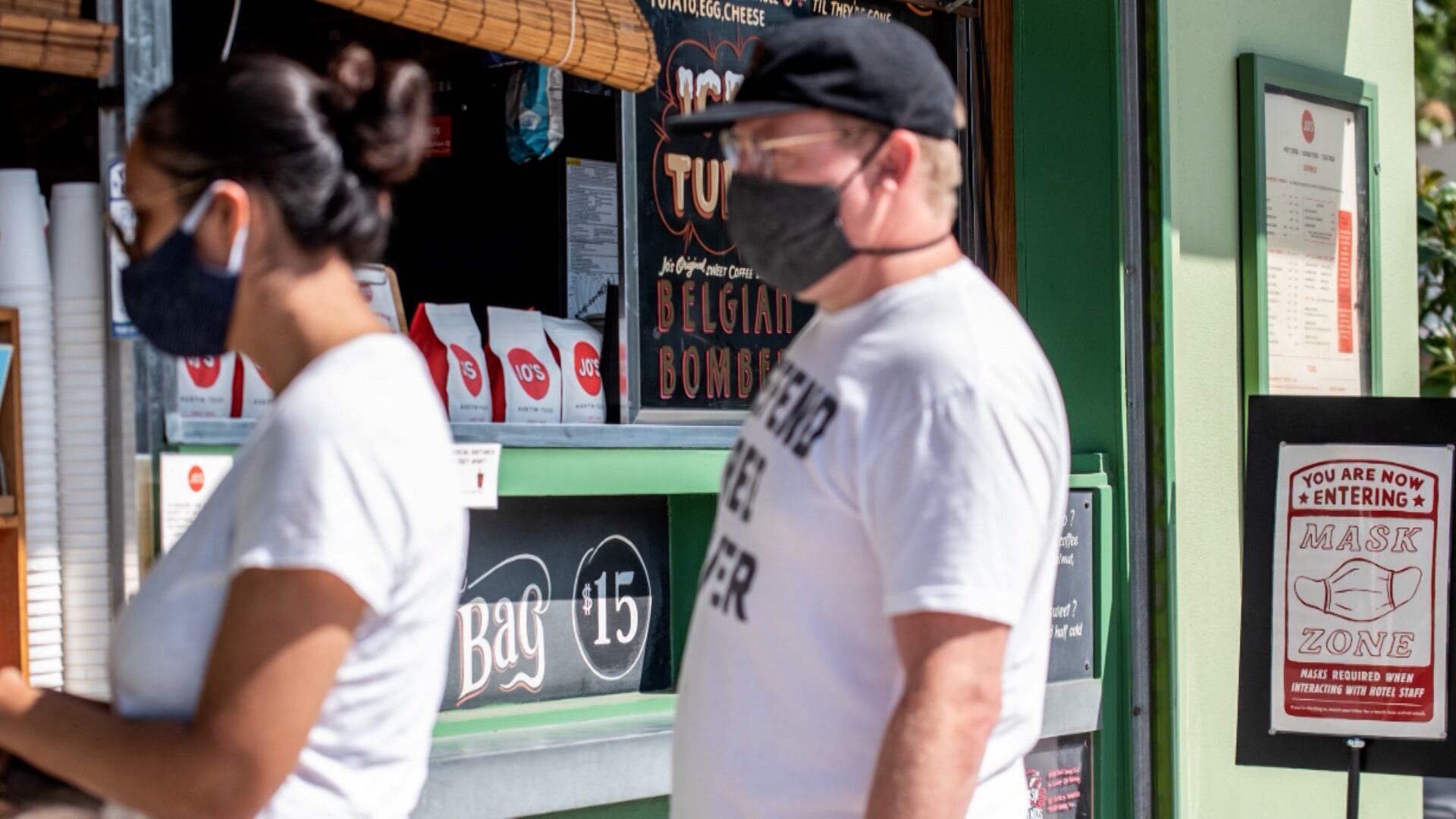
Bina Venkataraman, Boston Globe Editorial Page Editor & former White House disaster policy adviser joins Cheddar News to discuss the current state of the pandemic as well as Biden's handling of the crisis
Michael Li senior counsel for the Brennan Center's Democracy Program joins Cheddar News to discuss gerrymandering and how it's impacting American politics
As half a million Ukrainians fled when Russia invaded its neighbor, some civilians chose to stay in harm's way. Igor Gamaniuk, a 17-year-old Ukrainian college student, joined Cheddar News to talk about his decision to remain in his beloved country and volunteer to support soldiers with food, clothing, and supplies. "Right now people are pretty calm in my town. We are trying not to panic. But we have to be cautious because every day and every night the siren could sound and we have to move away from the window or go to the nearest shelter," Gamaniuk explained.
As Russia continues to invade Ukraine, its tech outsourcing sector is at risk. Over the past few years, the country has become a popular outsourcing destination for American and European tech companies, but now the future of that industry is uncertain. Isabelle Bousquette, enterprise technology reporter, for The Wall Street Journal, discusses what repercussions the crisis might have on the industry, and what companies are doing to mitigate possible disruptions.
In a nearly 3,700 page UN report, climate scientists outline the imminent dangers caused by climate change, saying fossil fuels are 'choking humanity.' The report calls some of the impacts of global warming 'irreversible,' warning of extreme consequences in the near future. Kristie L. Ebi, Professor of Global Health and Environmental and Occupational Health Sciences, University of Washington joined Cheddar's Opening Bell to discuss.