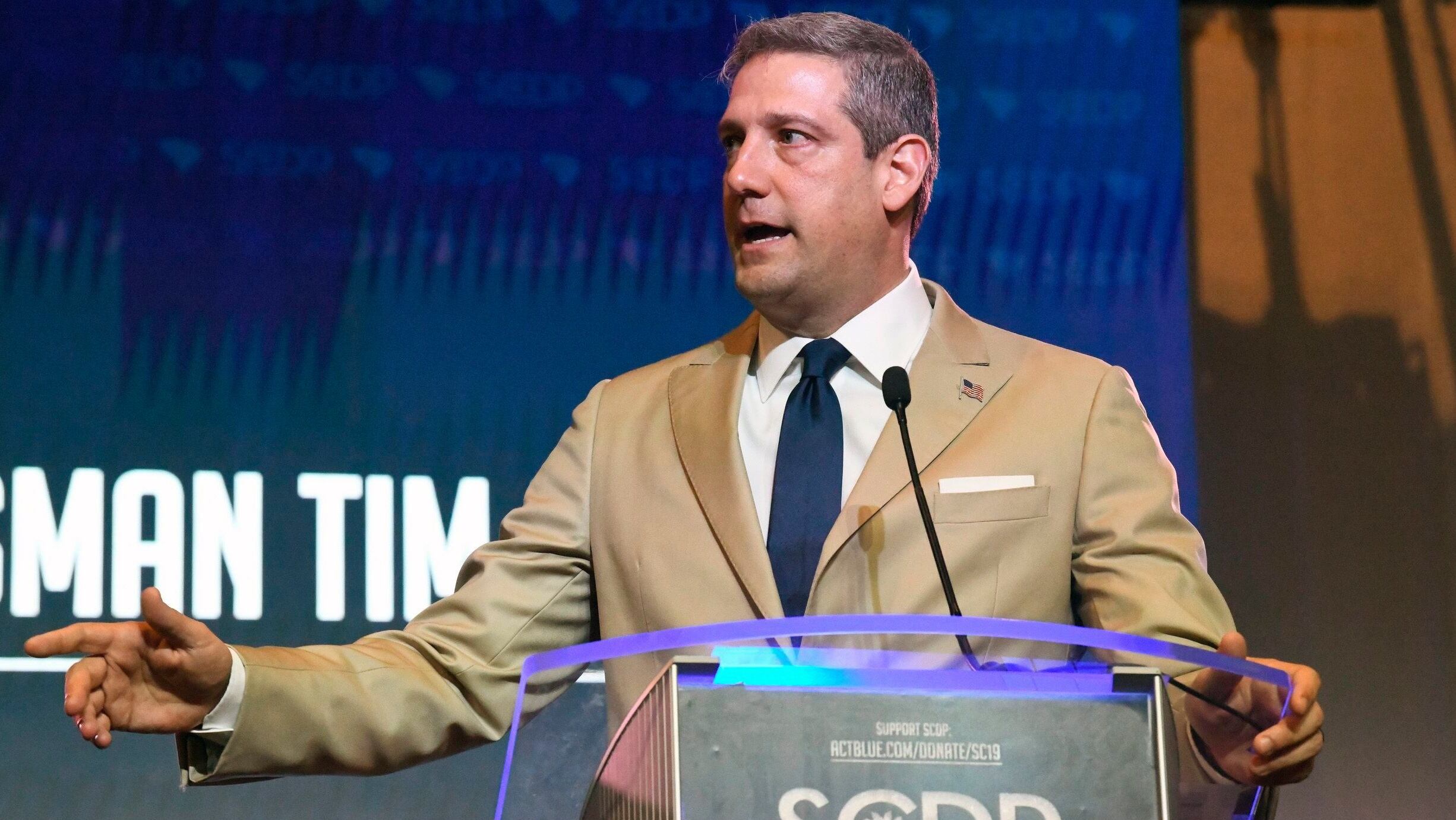
Polling at just one percent in nearly all the major early 2020 presidential polls, Congressman Tim Ryan (D-Ohio) is hoping to break through on the debate stage Wednesday night by portraying himself as the one leader who faced hardships similar to most Americans.
"I'm just going to be myself. I know who I am, and where I come from, and I want to share that with the American people," Ryan told Cheddar at Rep. Jim Clyburn's "World Famous Fish Fry" in Columbia, South Carolina on Friday night.
A self-described capitalist, Ryan's 2020 stump speech has been for the worker. The district Ryan has represented for eight-terms, Ohio 13, is located in the northeast portion of the state, and includes working class, auto manufacturing cities like Lordstown and Youngstow, both of which have been crushed by changes in the industry. Ryan drew parallels between his constituents and the South Carolinian voters at Clyburn's event.
"This is a working class state, and our motto is 'JOBS, JOBS, JOBS,'" Ryan said. "I mean the best social program is a job, and we want to start building things again, and the communities I represent like Youngstown, Ohio look a lot like South Carolina."
In March, Ryan's district was hit hard when a massive GM manufacturing plant shuttered in Lordstown with nearly 1,700 hourly workers being sent home without a plan in sight.
But these hardships might help a presidential candidate understand the reality Americans face in 2019. Ryan wants to increase U.S. investment in electric vehicles and solar energy as a way to both go green and drive job growth.
On the debate stage Wednesday, Ryan intends to discuss what he has overcome (or is in the process of overcoming) as a way to level with the American people. "I come from a community that has seen job loss, has seen an opioid epidemic, that has seen an infant mortality epidemic, and the next president has got to deeply understand what the American people are going through."
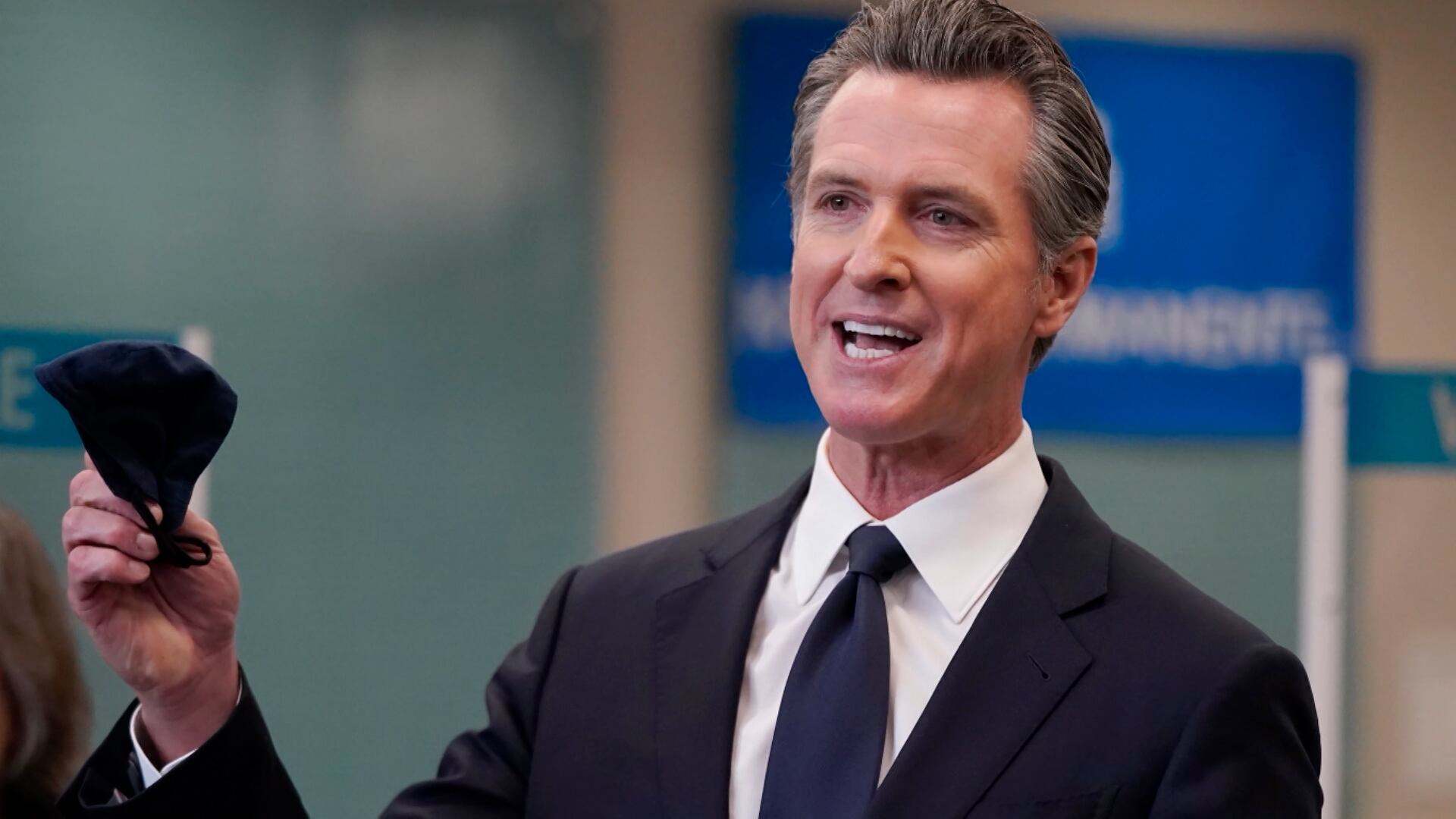
California Governor Gavin Newsom is projected to keep his job. Around two-thirds of the votes have been reported, and roughly 64% of those votes are in favor of keeping Newsom as their governor.
Daniel Strauss, senior political correspondent at The New Republic, joined Cheddar's Opening Bell to discuss more about what Newsom's win means to both political parties moving into Midterm elections season.
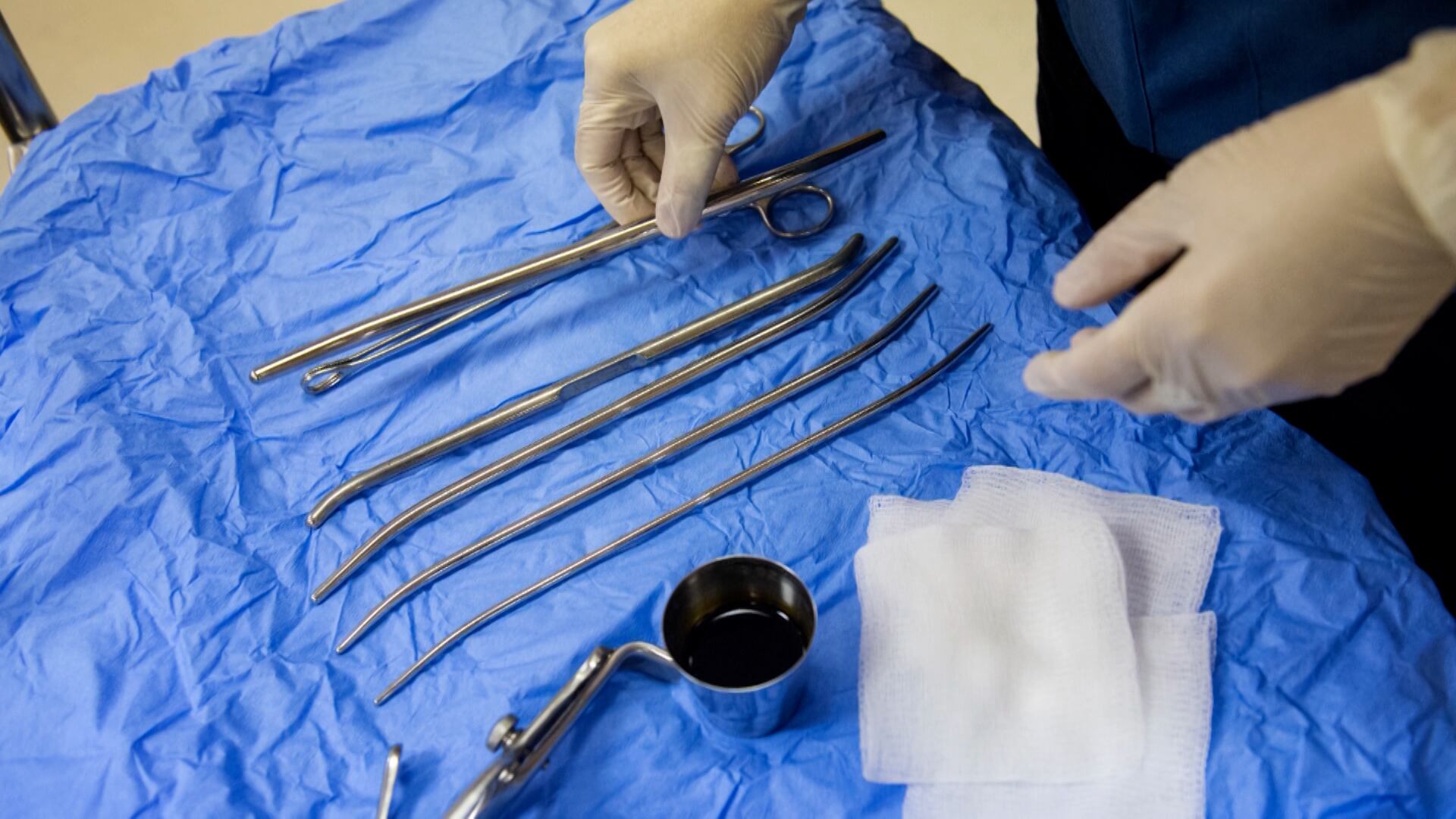
The Department of Justice is suing Texas over the state's new abortion law that prohibits abortions after six weeks, well before many women even know they're pregnant. The lawsuit argues the law is unconstitutional under long-standing Supreme Court precedent. It was filed last week in federal court in Texas, but could go all the way to the high court within weeks. Josh Blackman, a constitutional law professor at South Texas College of Law Houston, discusses the DOJ lawsuit and what it could mean for other abortion laws across the country.
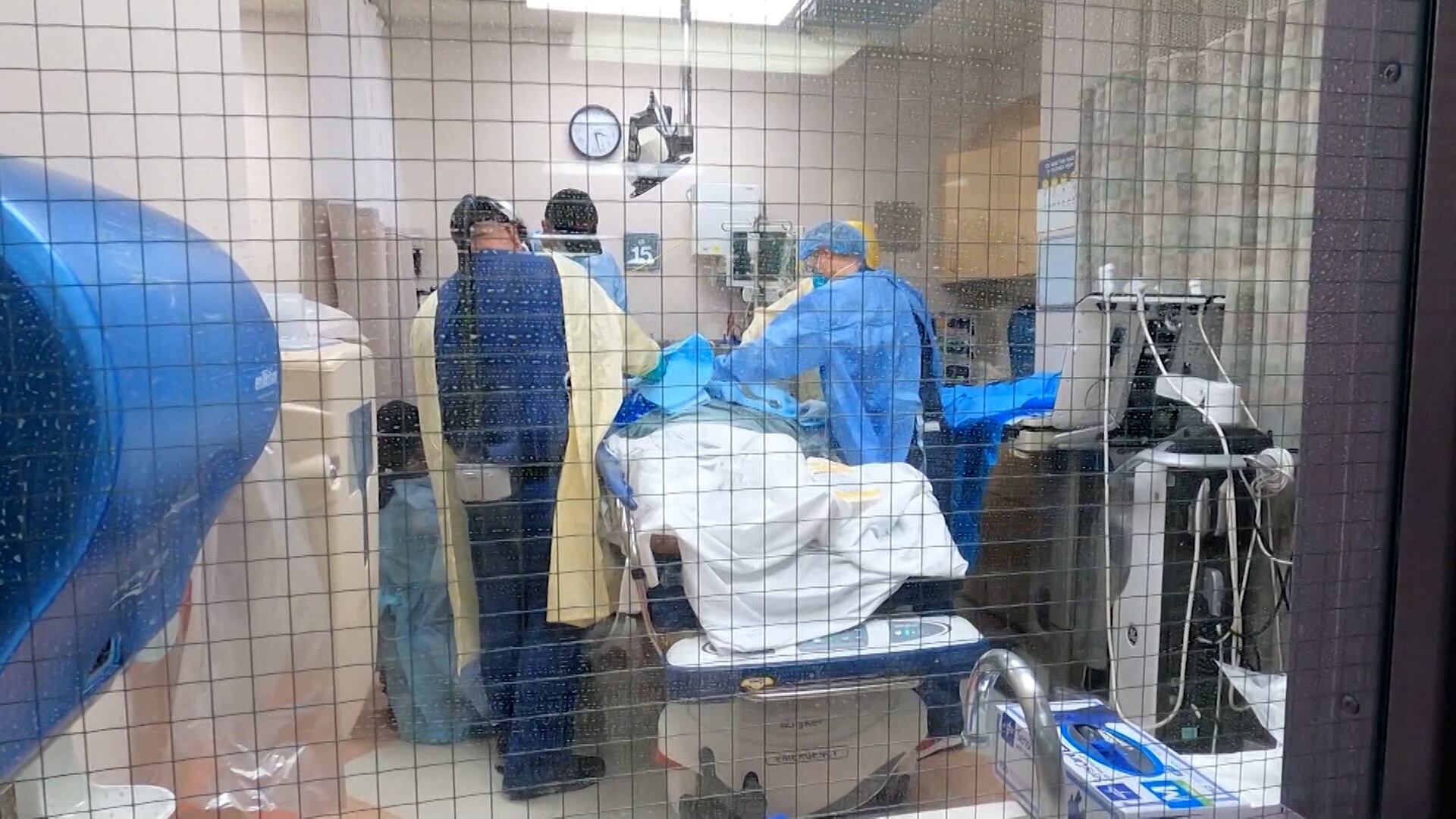
26 states have now fully vaccinated more than half of their population with Vermont, Connecticut, and Massachusetts fully vaccinating at least two-thirds of their residents. These three states are among the ones with the lowest new Covid-19 cases per capita, but in states with low vaccination rates, hospitals are filling up again.
Dr. Rob Davidson, ER doctor and executive director of Committee to Protect Health Care, joined Cheddar's Opening Bell to discuss more.
The Biden Administration has officially extended a ban on a Trump-era policy that prohibits traveling with a U.S. passport to North Korea. The extension is expected to last until August 2022. The ban was initially enforced after the death of Otto Warmbier, who entered a vegetative state while in North Korean custody. Advocates against the ban argue that it has caused crippling impacts on Korean Americans who have not been able to reunite with their families back home. Senior Fellow at The Foundation For Defense of Democracies Anthony Ruggiero joined Cheddar's News Wrap to discuss more.