President Trump is driving home his "America First" message at the World Economic Forum in Davos. During a speech today, he said that he would take on predatory trade practices, but that America first "doesn't mean America alone."
He did not address questions about reports that he tried to fire Special Investigator Robert Mueller this summer. He has since, however, denied the allegations made in the New York Times report.
Nate Madden, Congressional Correspondent at CRTV, and Katherine Mangu-Ward, Editor-In-Chief at Reason Magazine, discuss what the president's speech means for America when it comes to the country's standing around the world. Madden and Mangu-Ward also take a look at the White House's immigration proposal and the likelihood that the plan makes it through Congress.
The White House has put forward a $1.7 trillion infrastructure counteroffer to Senate Republicans.
From Wall Street to Silicon Valley, these are the top stories that moved markets and had investors, business leaders, and entrepreneurs talking this week on Cheddar.
The White House is pushing a new reason to swipe right: Dating apps are starting to offer vaccination badges and “super swipes” for people who've gotten their coronavirus shots.
Israel and Hamas have announced a cease-fire to end a bruising 11-day war that caused widespread destruction in the Gaza Strip and brought life in much of Israel to a standstill.
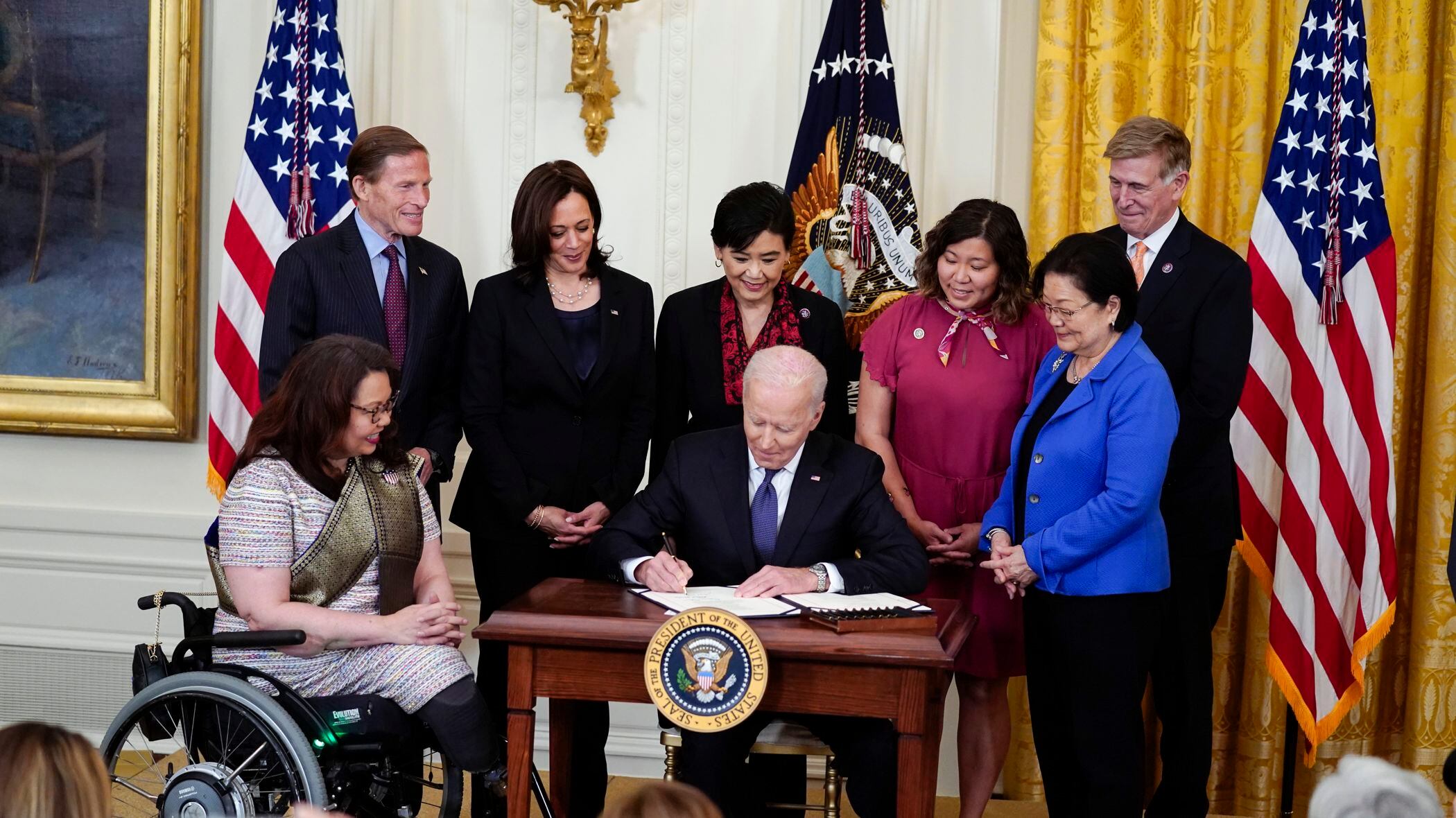
President Joe Biden signed legislation Thursday designed to curtail a dramatic rise in hate crimes against Asian Americans and Pacific Islanders.
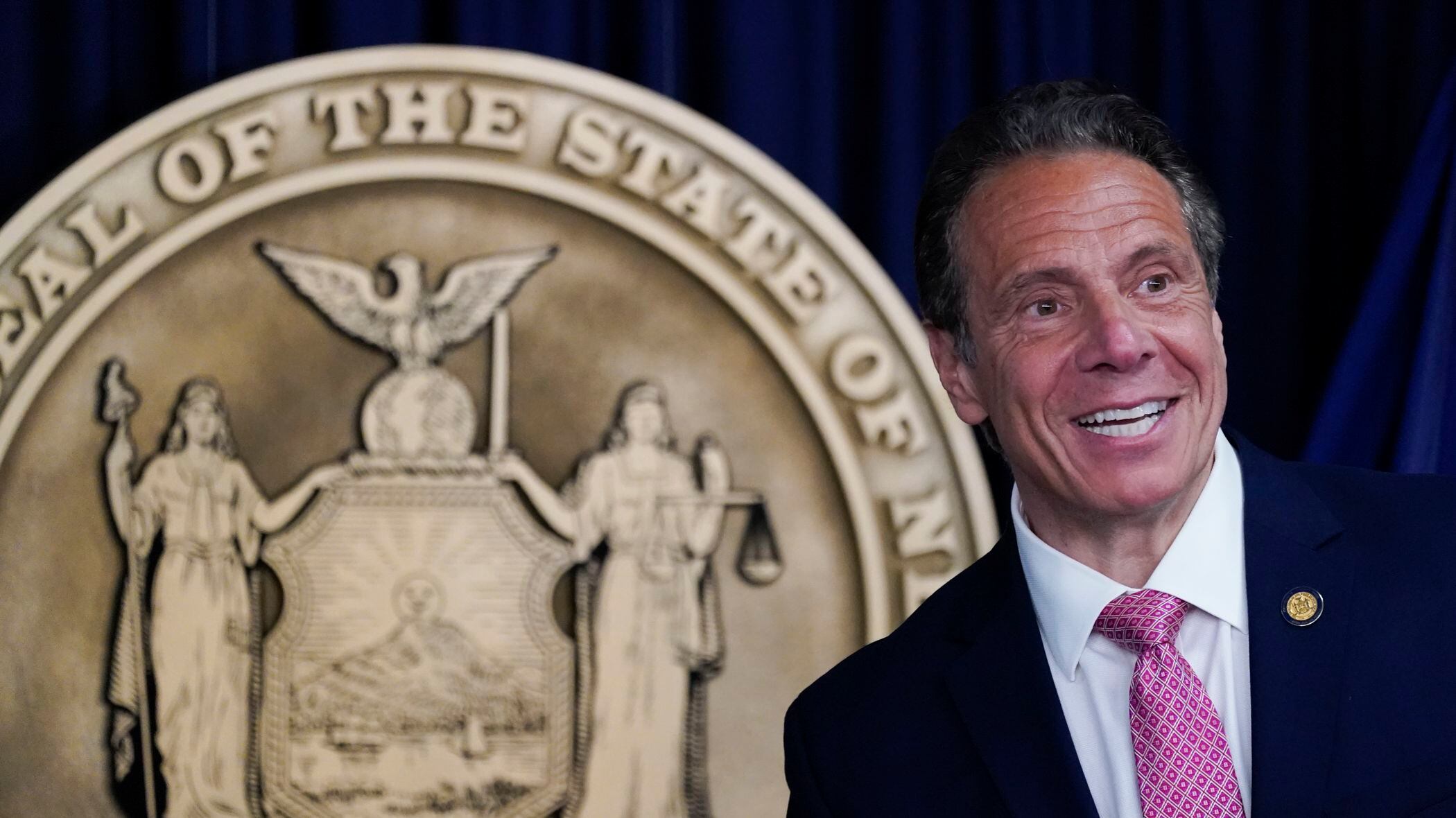
Anyone who gets vaccinated at select state-run vaccination sites in New York next week will receive a lottery scratch ticket with prizes potentially worth millions, as the state tries to boost slowing vaccination rates.
Amazon says it will extend its ban on police use of its face-recognition technology beyond the one-year pause it announced last year.
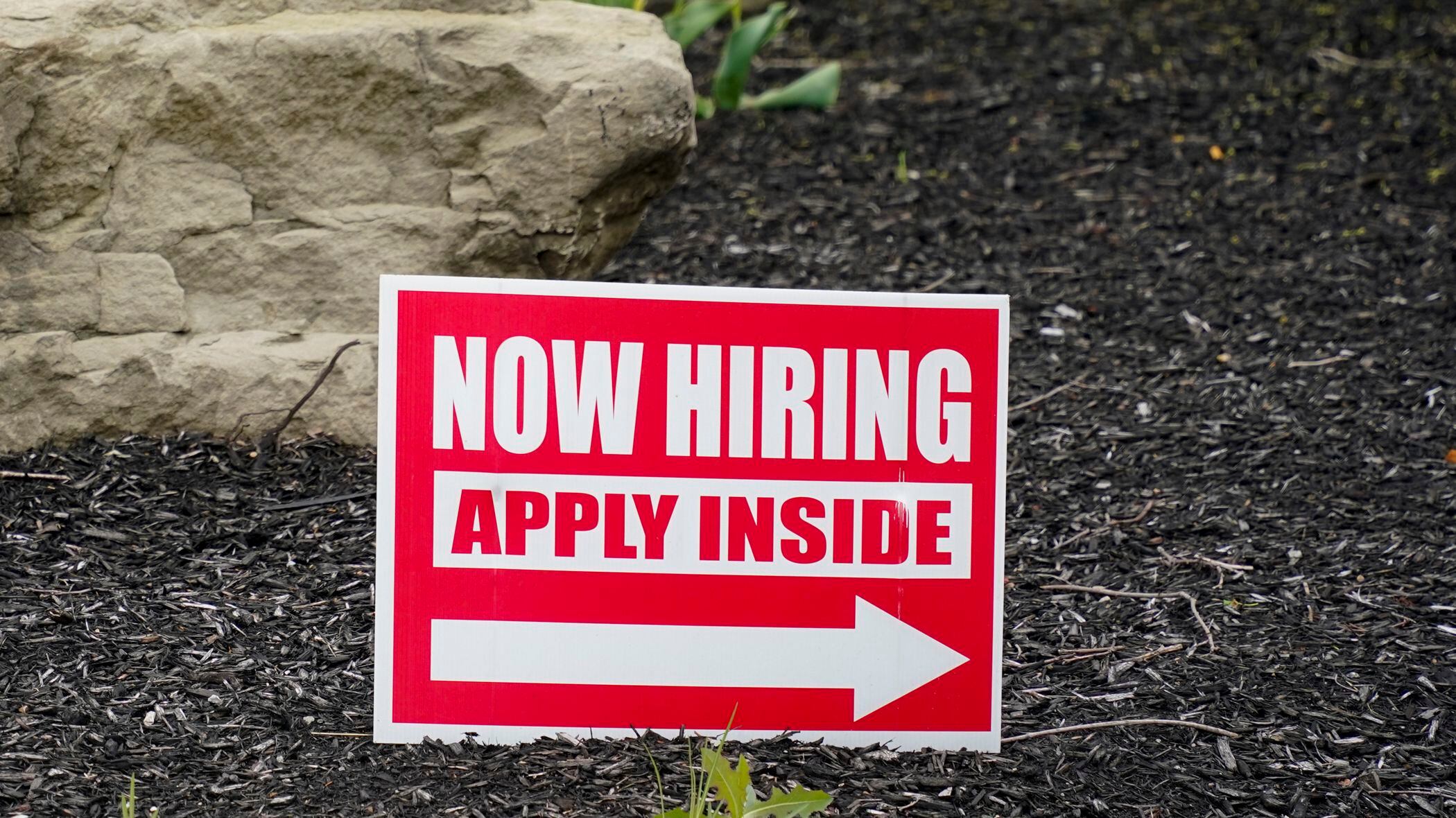
The number of Americans seeking unemployment aid fell last week to 444,000, a new pandemic low and a sign that the job market keeps strengthening as consumers spend freely again, viral infections drop and business restrictions ease.
The U.S. economy’s faster-than-expected reawakening had some Federal Reserve officials discussing whether it might be time to start planning for easing back on one of the central bank’s levers for keeping interest rates low.
The European Union has taken a step toward relaxing travel for visitors from outside the bloc, with EU ambassadors agreeing on measures to make it easier for fully vaccinated visitors to get in.