In his first public remarks following the U.S. assassination on Iran's Major General Qassem Soleimani, President Donald Trump said the killing was an act intended to "stop a war. We did not take action to start a war."
"The world is a safer place without these monsters," Trump said, noting there had been an imminent threat to Americans in the region.
The president ordered the airstrike in Baghdad that killed Soleimani, one of the top Iranian military officials, and several others. However, on Friday Democrats quickly decried the president's failure to notify Congress and the bipartisan 'Gang of Eight' before making the decision to escalate tensions with the Middle Eastern power.
Meanwhile, Republicans have said this was a necessary action to deter the defiant nation from further aggression against the U.S.
Rep. Mike Gallagher (R-Wis. 8th District), who serves on the House Armed Services Committee told Cheddar "You don't always have the luxury of being able to notify Congress," although he noted it is better to do so, when possible.
In the past, "when we have stepped up and said 'We are the superpower here,' we were able to convince them" to back down, Gallagher said. He called today's move a defensive action and said Iran usually backs down when "confronted with a credible American threat."
However, in the immediate aftermath of Soleimani's death, Iran did not appear to be backing down, as the nation's Supreme Leader Ayatollah Ali Khamenei quickly promised severe revenge for the drone strike.
Soleimani, who led the Quds Force of the Islamic Revolutionary Guards Corps, played a large role in Iranian policy, which made him a target for years, but both presidents George W. Bush and Barack Obama opted not to escalate tensions by ordering a strike against him. Soleimani bolstered Shiite influence in the region, supported Hamas in the Gaza Strip, and was behind hundreds of American deaths in Iraq. He and four other Iranian officials were designated as terrorists in 2011.
After Iranians took to the streets to protest and the country's supreme leader Ayatollah Ali Khamenei promised retaliation, the Pentagon announced it will send 3,500 more U.S. troops to the region, further complicating the situation in the Middle East only months after the president vowed to bring home troops from Syria and Iraq. The U.S. said Soleimani was planning attacks on Americans in the region.
Democratic and Republican responses have been divided.
Speaking in front of an audience in Anamosa, Iowa on Friday, Democratic presidential contender Senator Bernie Sanders (I-Vt.) said "Trump promised to end endless wars. Tragically, his actions now put us on the path to another war." Democrats have said the move was both imprudent and done without Congressional approval.
On the Senate floor, Minority Leader Charles Schumer (D-N.Y.) noted the president failed to notify the top Congressional leaders usually briefed on military actions. However, Senator Lindsay Graham (R-S.C), who is not a member of the group, said the president did brief him during his trip to Florida. "I appreciate being brought into the orbit. I really appreciate President Trump letting the world know you cannot kill an American without impunity," Graham said on Fox & Friends.
2021 saw markets continue to be impacted by the onslaught of the coronavirus pandemic -most recently in the form of the Omicron variant- in addition to the global supply chain shortage, and increased inflation. But it wasn't all bad news, as crypto soared throughout the year, and meme stocks continued to have a moment. With the year coming to a close, investors are keeping an eye out to see if they should expect more of the same in the new year. Chris Vecchio, Senior Analyst, at DailyFX tells us what market trends to be on the watch for in 2022.
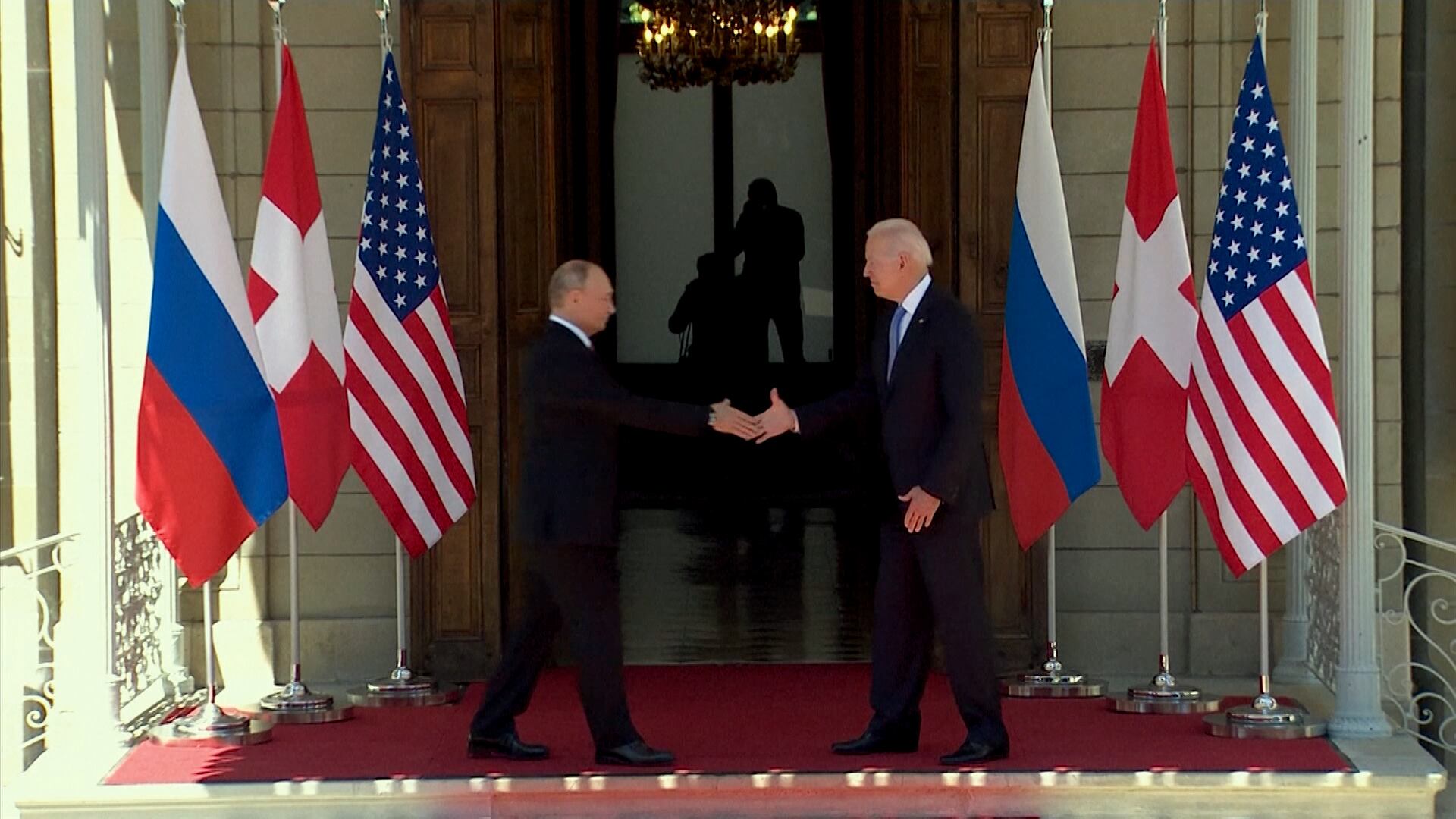
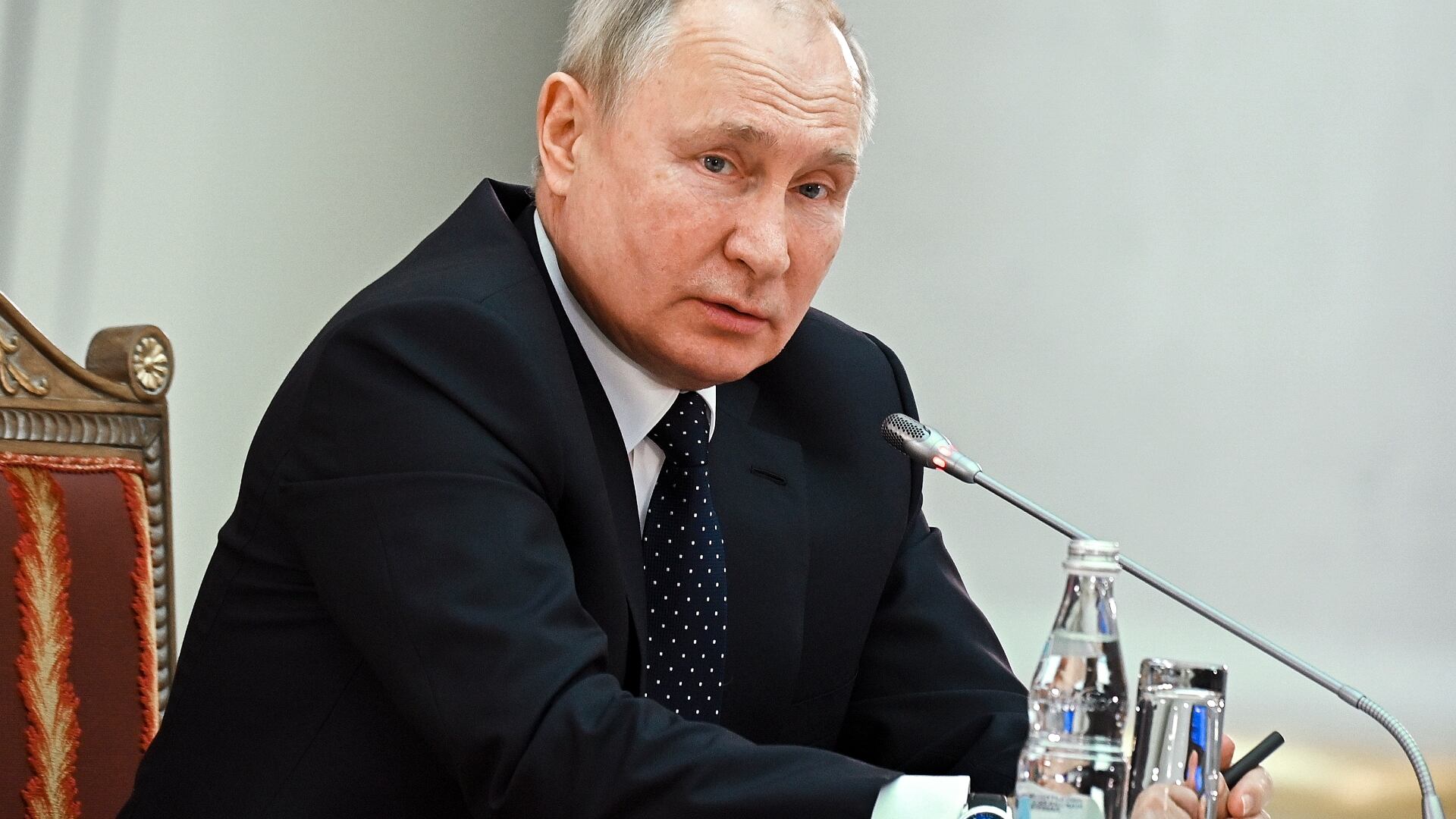
Matt Hayden, vice president of govtech solutions at Exiger and a former assistant secretary of cyber at Department of Homeland Security, joined Cheddar to discuss the surprise phone call initiated by Russian President Vladimir Putin to President Joe Biden, ahead of January security talks about the rising tensions over Ukraine. "We're hoping to hear that we're able to talk about the aggression and the leadup of the Ukrainian militarization," Hayden said. "But we're also looking to hear is how the Kremlin leveraged their talking points to try to test their negotiation stance with the United States leading into this January 10th meeting."
The No Surprises Act begins implementation on January 1, 2022. The legislation is meant to curb the practice of unexpected billing for care from providers the patient was unaware were out-of-network from their insurance. Patricia Kelmar, director of health care campaigns for U.S. PIRG joined Cheddar to describe the hundreds, sometimes thousands, of dollars charged to unsuspecting patients and how things will change under the new law. "If we are picking an in-network doctor and an in-network hospital, we should not see those added costs from anesthesiologists, radiologists, scrub-in surgeons," she said. "The other area it protects you is in air ambulances — not ground ambulances, unfortunately — but the helicopters or the airplanes you might need to transport you in an emergency situation."
President Joe Biden and Russian President Vladmir Putin are expected to have another conversation surrounding escalating tensions between Russia and Ukraine. Ariel Cohen, senior fellow at the Atlantic Council, joined Cheddar's Ken Buffa to discuss the ongoing tensions and why Putin's request for a conversation with Biden comes now. "This is very serious. This is the worst security crisis we had since the collapse of the Soviet Union," Cohen told Cheddar.
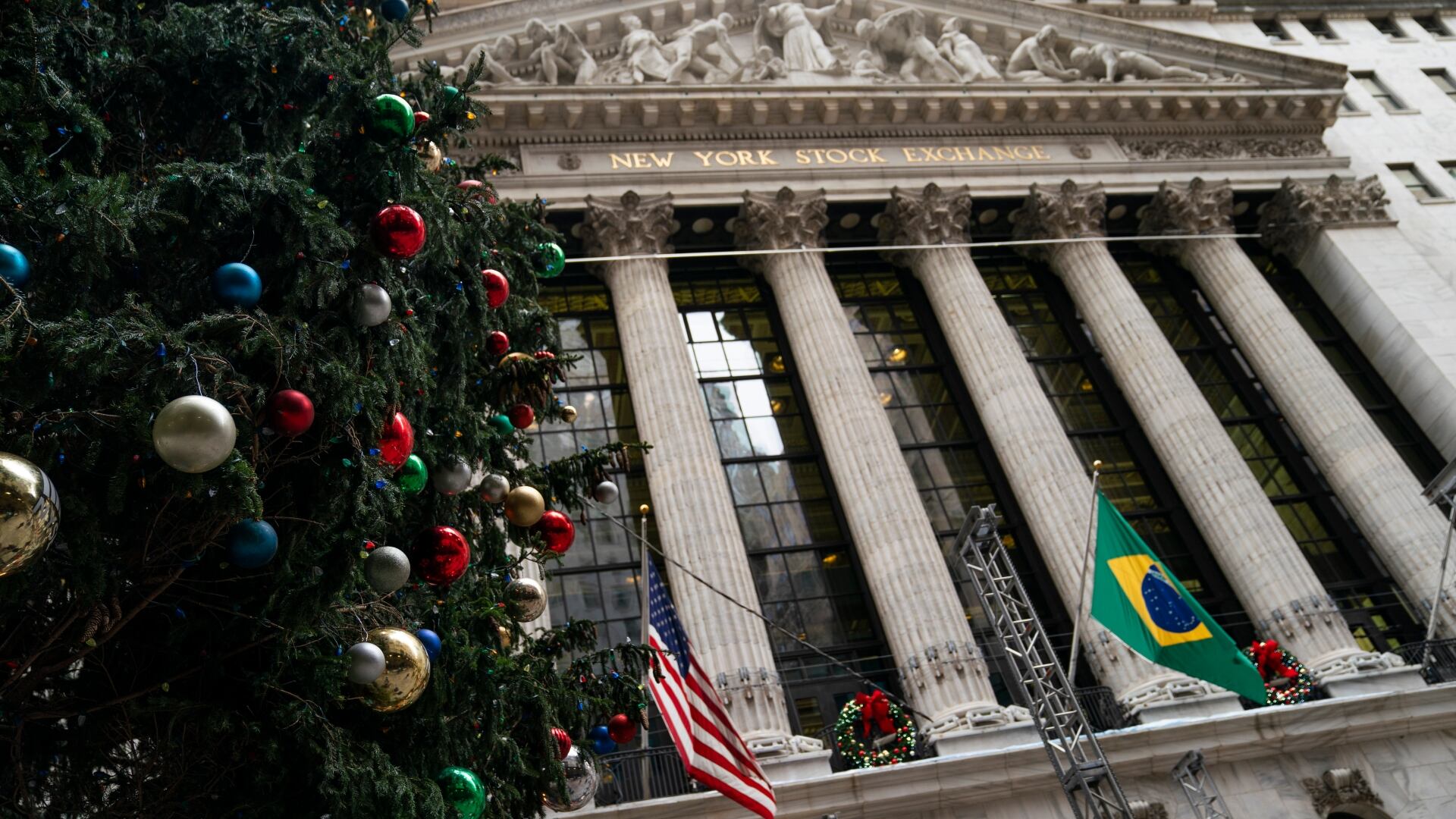
Stocks closed mixed on Wednesday, but two indexes - the Dow and the S&P 500 - ended the session with a new record. Akshata Bailkeri, Equity Analyst at Bruderman Asset Management, joins Cheddar News' Closing Bell, where she says there is a consensus for robust consumer spreading in 2022, especially as the Omicron variant is proving to be milder than other COVID-19 strains.