In his first public remarks following the U.S. assassination on Iran's Major General Qassem Soleimani, President Donald Trump said the killing was an act intended to "stop a war. We did not take action to start a war."
"The world is a safer place without these monsters," Trump said, noting there had been an imminent threat to Americans in the region.
The president ordered the airstrike in Baghdad that killed Soleimani, one of the top Iranian military officials, and several others. However, on Friday Democrats quickly decried the president's failure to notify Congress and the bipartisan 'Gang of Eight' before making the decision to escalate tensions with the Middle Eastern power.
Meanwhile, Republicans have said this was a necessary action to deter the defiant nation from further aggression against the U.S.
Rep. Mike Gallagher (R-Wis. 8th District), who serves on the House Armed Services Committee told Cheddar "You don't always have the luxury of being able to notify Congress," although he noted it is better to do so, when possible.
In the past, "when we have stepped up and said 'We are the superpower here,' we were able to convince them" to back down, Gallagher said. He called today's move a defensive action and said Iran usually backs down when "confronted with a credible American threat."
However, in the immediate aftermath of Soleimani's death, Iran did not appear to be backing down, as the nation's Supreme Leader Ayatollah Ali Khamenei quickly promised severe revenge for the drone strike.
Soleimani, who led the Quds Force of the Islamic Revolutionary Guards Corps, played a large role in Iranian policy, which made him a target for years, but both presidents George W. Bush and Barack Obama opted not to escalate tensions by ordering a strike against him. Soleimani bolstered Shiite influence in the region, supported Hamas in the Gaza Strip, and was behind hundreds of American deaths in Iraq. He and four other Iranian officials were designated as terrorists in 2011.
After Iranians took to the streets to protest and the country's supreme leader Ayatollah Ali Khamenei promised retaliation, the Pentagon announced it will send 3,500 more U.S. troops to the region, further complicating the situation in the Middle East only months after the president vowed to bring home troops from Syria and Iraq. The U.S. said Soleimani was planning attacks on Americans in the region.
Democratic and Republican responses have been divided.
Speaking in front of an audience in Anamosa, Iowa on Friday, Democratic presidential contender Senator Bernie Sanders (I-Vt.) said "Trump promised to end endless wars. Tragically, his actions now put us on the path to another war." Democrats have said the move was both imprudent and done without Congressional approval.
On the Senate floor, Minority Leader Charles Schumer (D-N.Y.) noted the president failed to notify the top Congressional leaders usually briefed on military actions. However, Senator Lindsay Graham (R-S.C), who is not a member of the group, said the president did brief him during his trip to Florida. "I appreciate being brought into the orbit. I really appreciate President Trump letting the world know you cannot kill an American without impunity," Graham said on Fox & Friends.
Eli Yokley, Senior Reporter at Morning Consult, joins Cheddar News to discuss how Americans are prioritizing economic issues over the pandemic when it comes to voting.
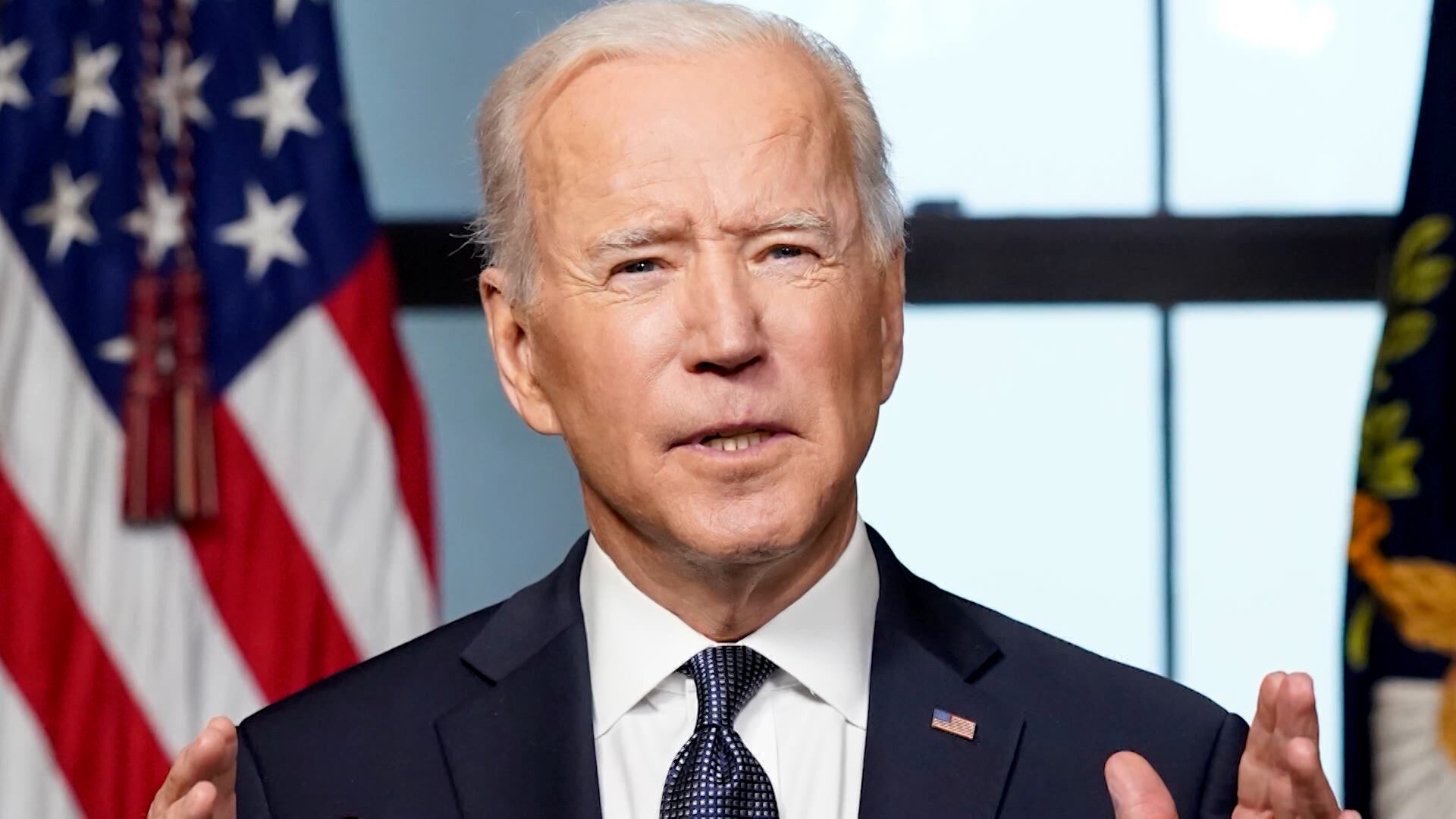
President Biden's disapproval rating hit a new high in December according to a poll from CNBC and Change Research, as Americans expressed their disapproval over the current state of the economy. This comes just months after the president signed a historic infrastructure bill back in November that was promised to bring a surge of jobs, especially in the manufacturing sector.
Change Research Senior Pollster Nancy Zdunkewicz spoke to Cheddar News about just what is driving the President’s disapproval rating.
As the Omicron variant continues to sweep across the country. The US Supreme Court is expected to hear arguments at the end of this week on whether or not the Biden administration can force private companies to vaccinate or test millions of their employees. In addition, the National Nurses United has spearheaded legal action to protect nurses and health care workers, patients, and the public while on the job. President of the National Nurses Union, Zenei Cortez, joined Cheddar to discuss more.
Far too often, Americans are forced to navigate a tangled web of outdated government websites, offices way out of their reach, and hours of time 'on hold' to access the simple government services they depend on. A recent executive order, signed by President Biden, is intended to improve, streamline and modernize the 'customer' experience when accessing government services. Mina Hsiang, the administrator of the United States Digital Service, joins Cheddar News to discuss how the tech workforce is impacted by this executive order.
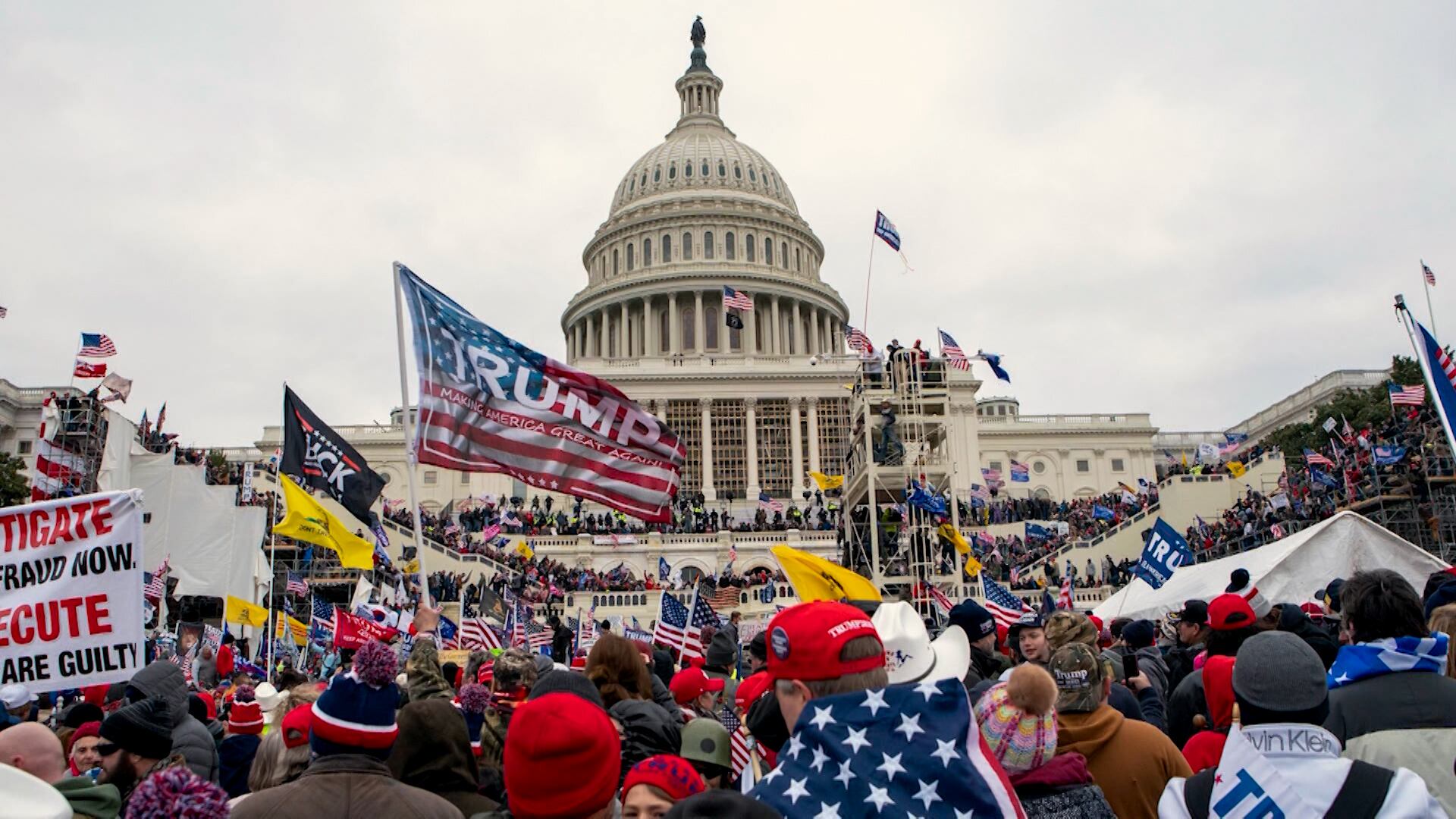
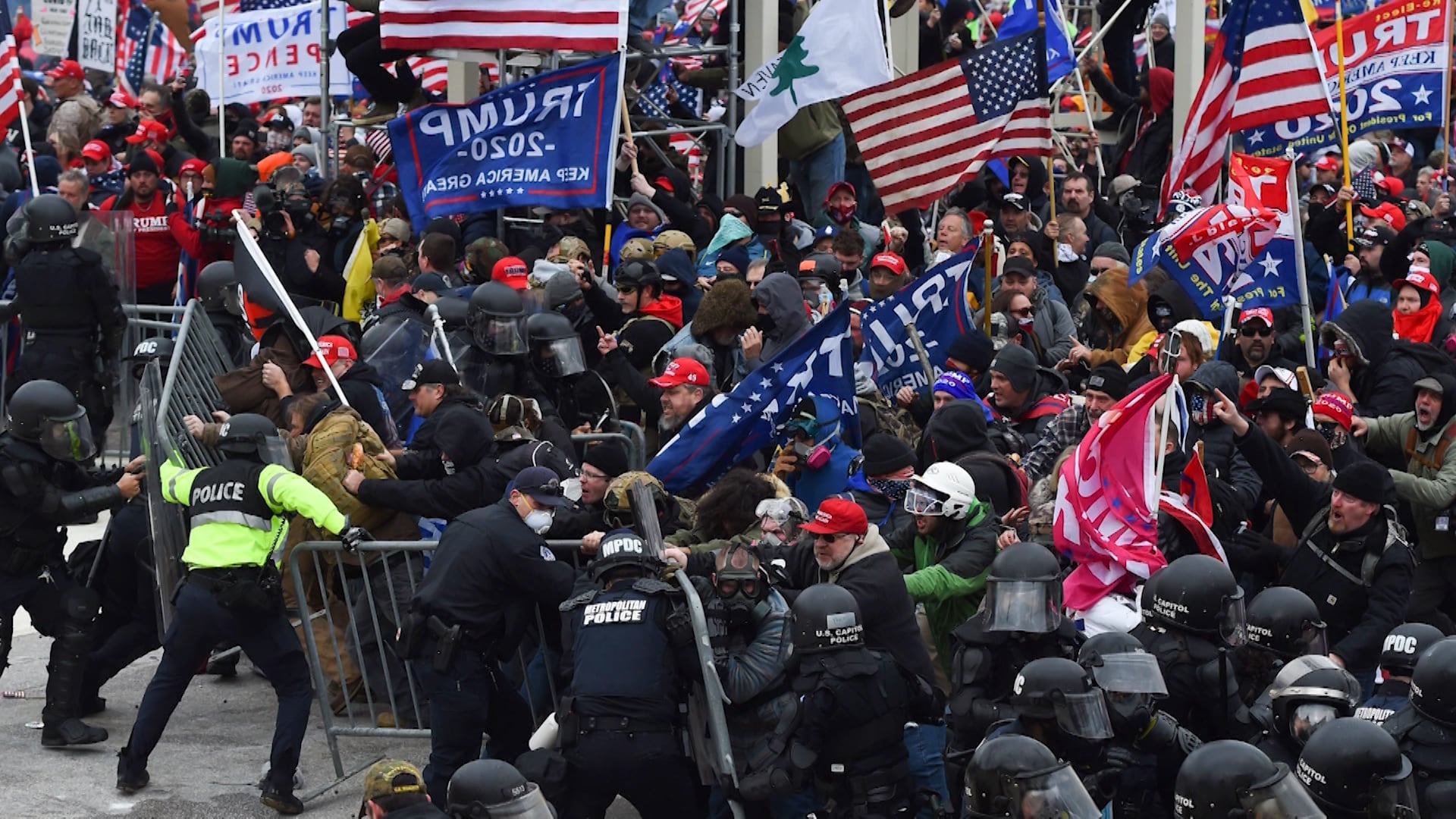
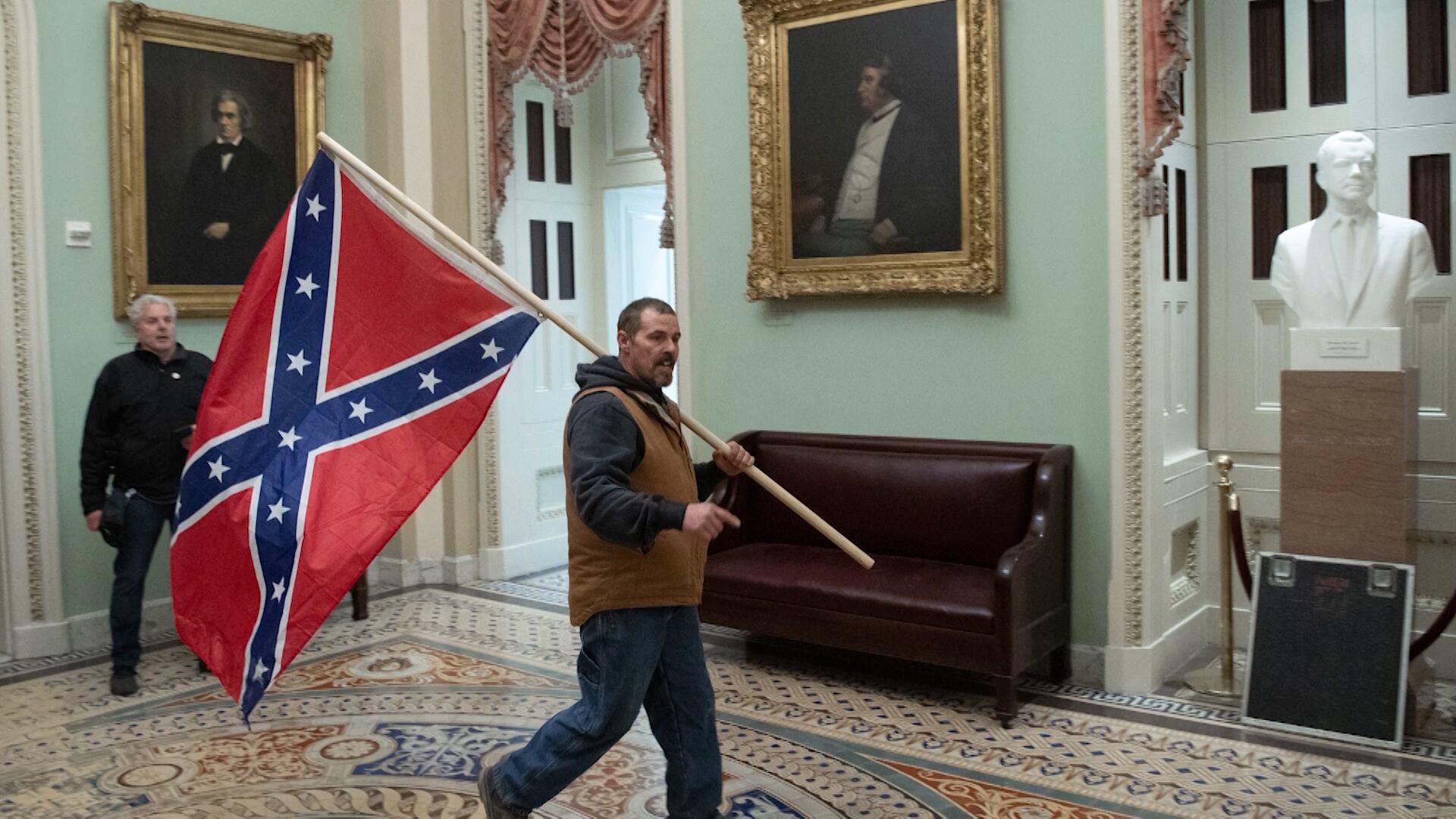
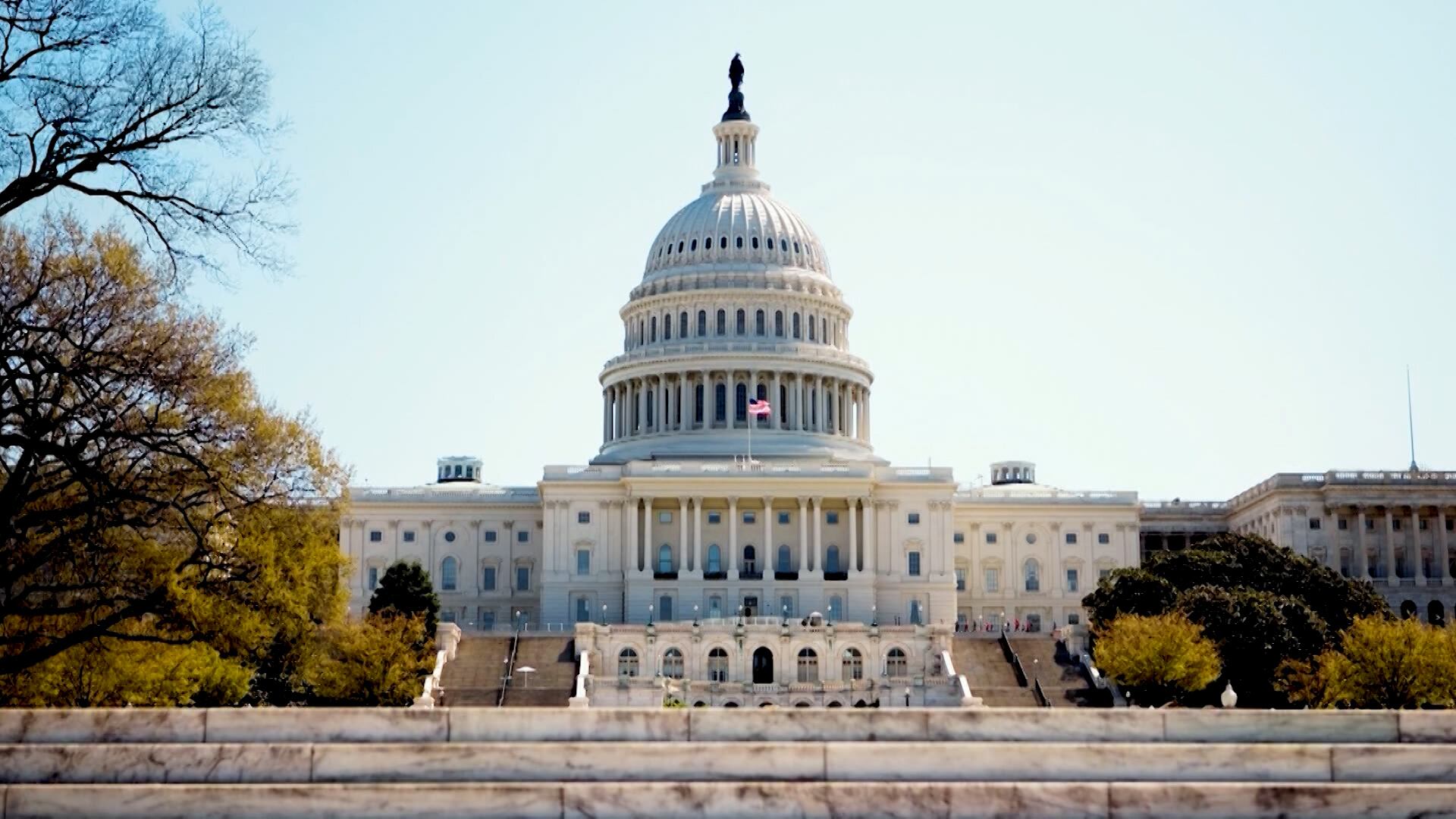
Today marks one year since the January 6 Attack on the United States Capitol. The Country watched as supporters of then-President Trump stormed what was assumed to be the most secure building in the country in an attempt to stop the certification of the 2020 Election. Several lawmakers, including the Vice President, could be seen ducking down as they feared for their lives. Democratic Michigan Representative Dan Kildee, joined Cheddar to discuss more.
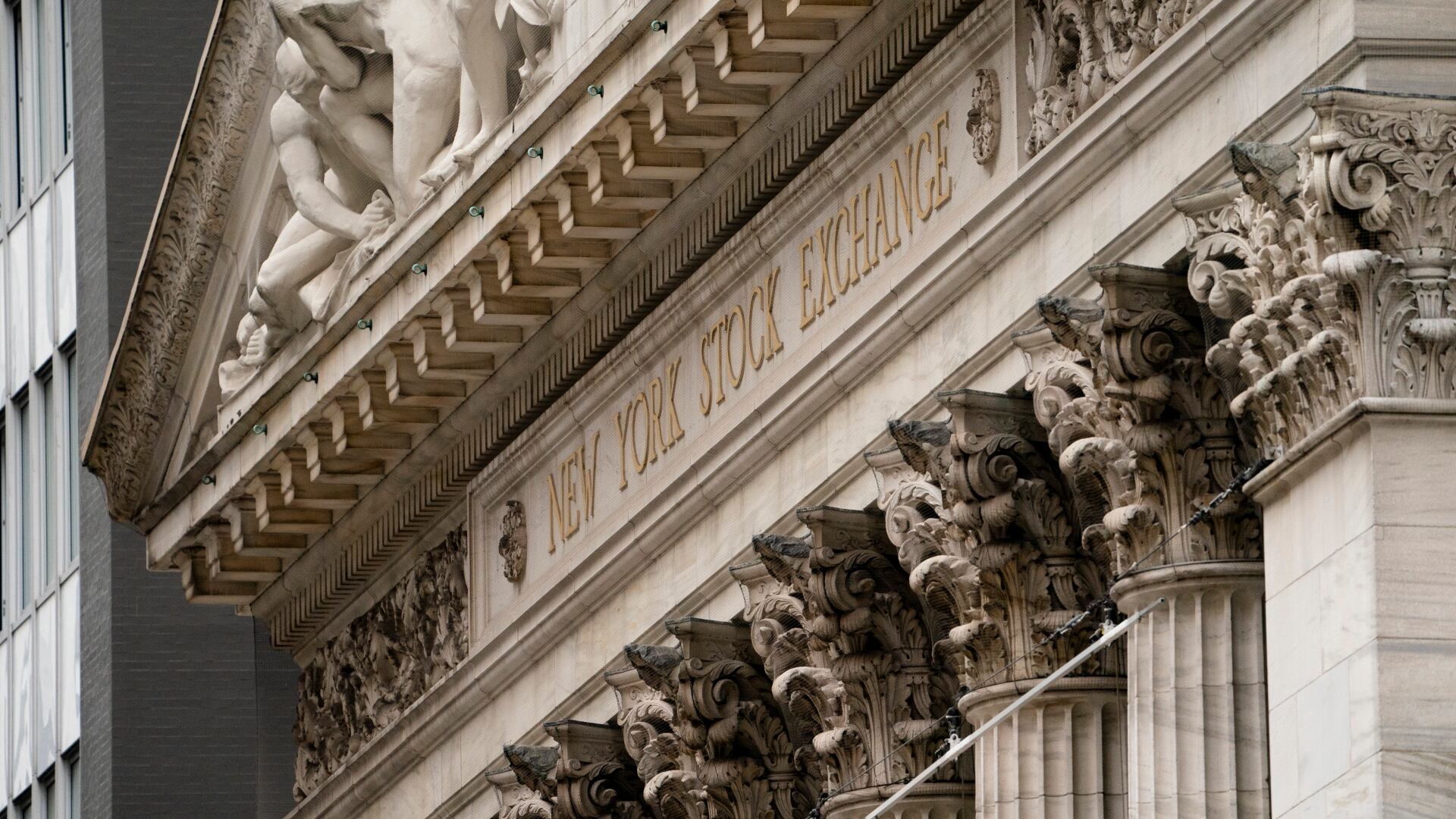
Stocks closed lower on Friday as investors continue to worry over rate hikes. John Lynch, CIO of Comerica Wealth Management, joins Cheddar News' Closing Bell, where he says value is back in play with investors. Lynch also believes the market has overreacted to the latest Fed minutes, suggesting a bounce-back at some point.
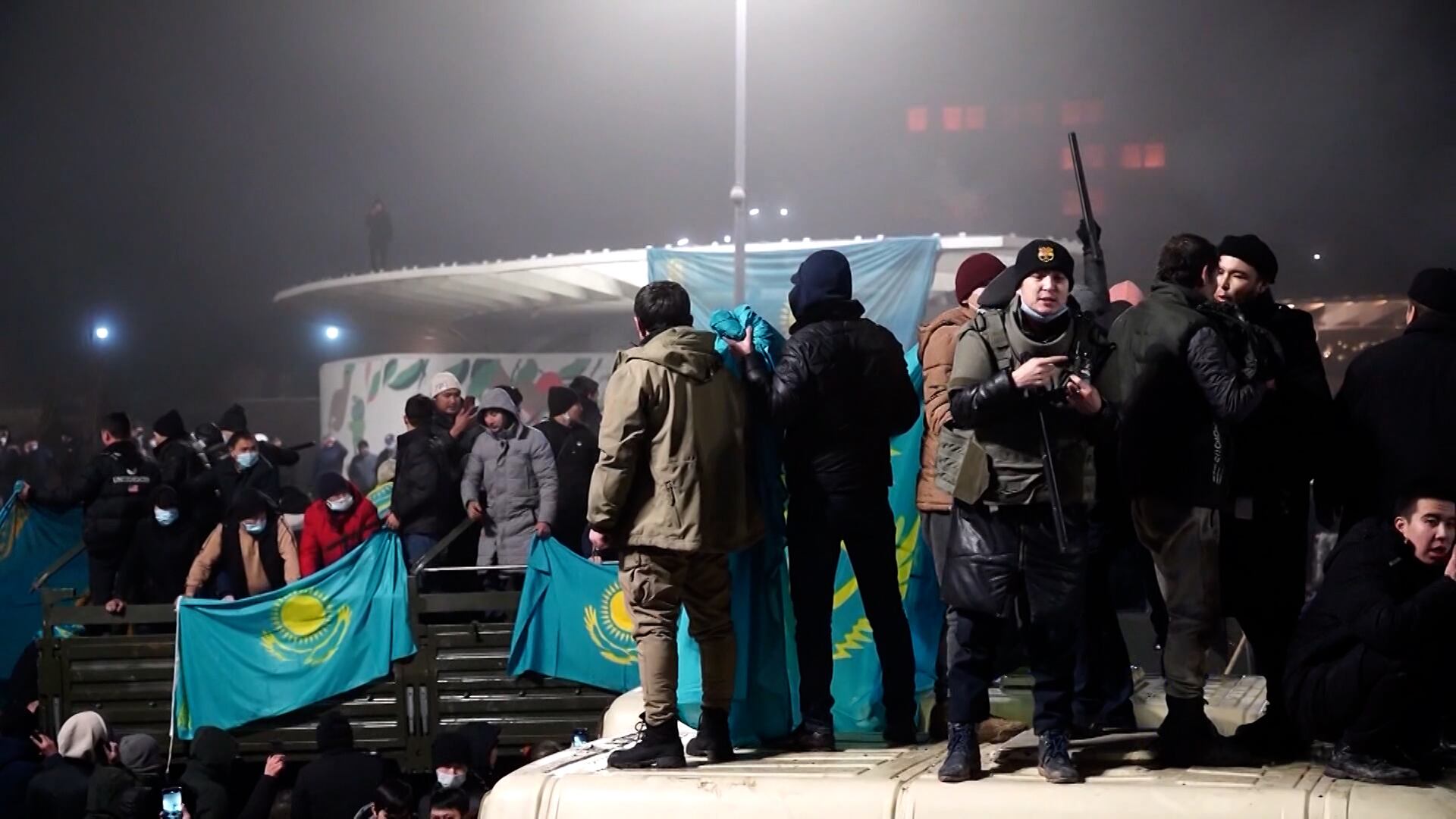
Ben Armstrong, founder of Bitboy Crypto, joins Cheddar News to discuss Bitcoin's downward trend and what's next for crypto after protests in Kazakhstan cause crypto miners to shut down.
Washington, D.C. Attorney General Karl Racine joins Cheddar Politics to discuss his lawsuit against the extremist groups Proud Boys and Oath Keepers over their role in the January 6 attack on the U.S. Capitol.
Josh Pasek, a professor at the University of Michigan and expert on political communication and misinformation, joins Cheddar News to discuss how political radicalization happens and how America got to this point.
Kyle Kondik, managing editor at Sabato's Crystal Ball at the University of Virginia Center for Politics, joins Cheddar News to discuss what to expect at the 2022 midterm elections.