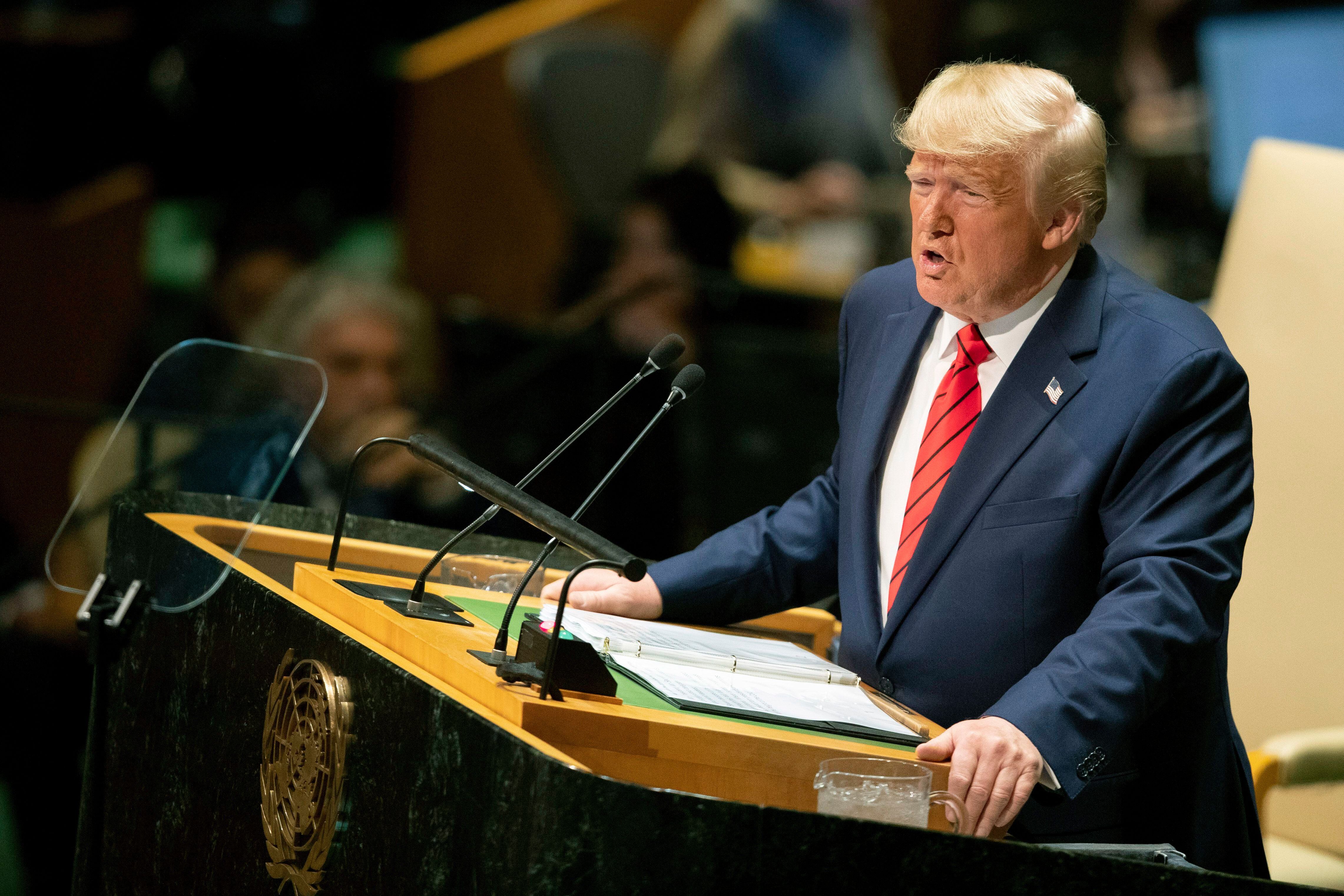
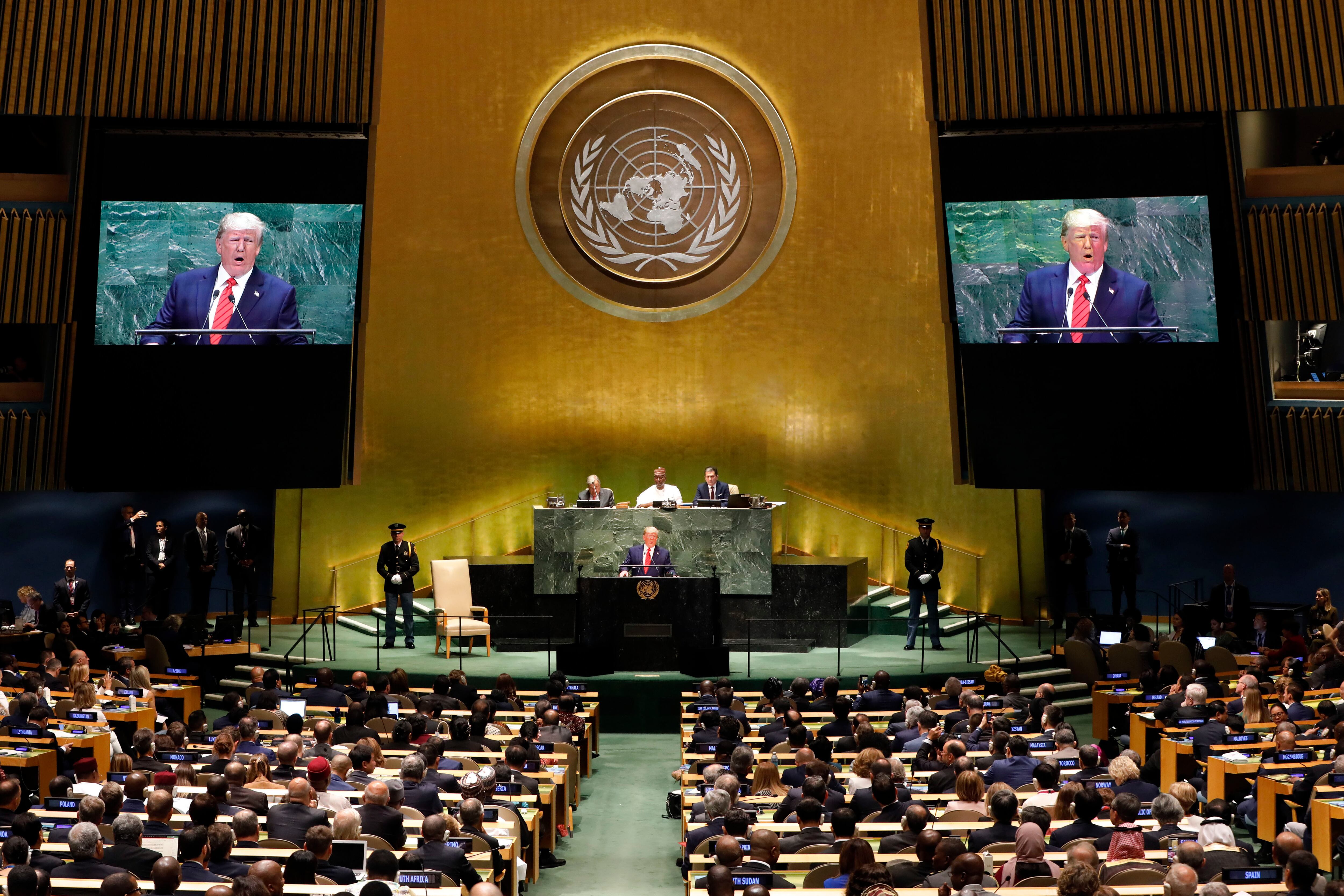
President Trump reiterated his "America first" worldview and policy agenda on Tuesday in a speech at the United Nations that bemoaned globalism and instead urged mutual support among sovereign nations.
"Wise leaders put the good of their own people and their own country first," Trump said in his third address as president to the UN General Assembly. "The free world must embrace its national foundations. It must not attempt to erase them or replace them."
However, he called for countries to work together toward common goals. "America is ready to embrace friendship with all who genuinely seek peace and respect," he said. "Many of America's closest friends today were once our greatest foes. America has never believed in permanent foes."
As with his past speeches at the UN, Trump used the platform to critique international institutions.
The president doubled down on his maximum pressure approach to Iran, a government he characterized as "one of the greatest security threats" to international peace. Trump, who pulled the U.S. out of the Iran nuclear deal last year despite global objections, threatened greater sanctions if "menacing behavior continues" and added that "no responsible government should subsidize Iran's blood lust."
Trump also called on North Korea to denuclearize and slammed Venezuelan President Nicolas Maduro, calling the embattled leader a "dictator" and "a Cuban puppet protected by Cuban bodyguards." In a not-so subtle shunning, the Venezuelan delegation in the audience visibly read a book about Simón Bolívar, the military and political leader that lead Venezuela's fight for independence.
<i>Photo Credit: Richard Drew/AP/Shutterstock</i>
On China, Trump reiterated that he will "not accept a bad deal for the American people" in order to resolve the enduring trade dispute between the two countries. He also called on Chinese President Xi Jinping to tread carefully in responding to the ongoing unrest in Hong Kong, saying that China must adhere to the governing system that protects "Hong Kong's freedom, legal system, and democractic ways of life."
He bragged of America's strong economy and lowest level of unemployment in half a century, "thanks to our pro-growth economic policies" and noted plans to meet with Japan's Prime Minister Shinzō Abe to work on a new trade agreement.
While touting the might of the U.S. military, the president said the U.S. "does not seek conflict" and desires "peace, cooperation, and mutual gain with all," although his administration will "never fail to defend America's interests." He also called on member nations to increase their contributions to global security and "pay their fair share of the tremendous defense burden" that has largely fallen on the U.S.
On migration, Trump fired back against international criticim of his illegal immigration policies, saying, "Each of you has the absolute right to protect your borders and so, of course, does our country." He also criticized "open border activists" who he said pursue a "cruel and evil" agenda that is "empowering criminal organizations that prey on innocent men, women and children."
The president also derided socialism — the "wrecker of nations and destroyer of societies" — and declared that the U.S. will never be a socialist country.
Above all, however, Trump stressed that governments lead by "patriots" are the future of the world's nation-state system.
"The true good of a nation can only be pursued by those who love it, by citizens who are rooted in its history, who are nourished in its culture, committed to its values, attached to its people, and who know that its future is theirs to build," Trump said at the end of his speech.
As Russia continues to invade Ukraine, its tech outsourcing sector is at risk. Over the past few years, the country has become a popular outsourcing destination for American and European tech companies, but now the future of that industry is uncertain. Isabelle Bousquette, enterprise technology reporter, for The Wall Street Journal, discusses what repercussions the crisis might have on the industry, and what companies are doing to mitigate possible disruptions.
In a nearly 3,700 page UN report, climate scientists outline the imminent dangers caused by climate change, saying fossil fuels are 'choking humanity.' The report calls some of the impacts of global warming 'irreversible,' warning of extreme consequences in the near future. Kristie L. Ebi, Professor of Global Health and Environmental and Occupational Health Sciences, University of Washington joined Cheddar's Opening Bell to discuss.
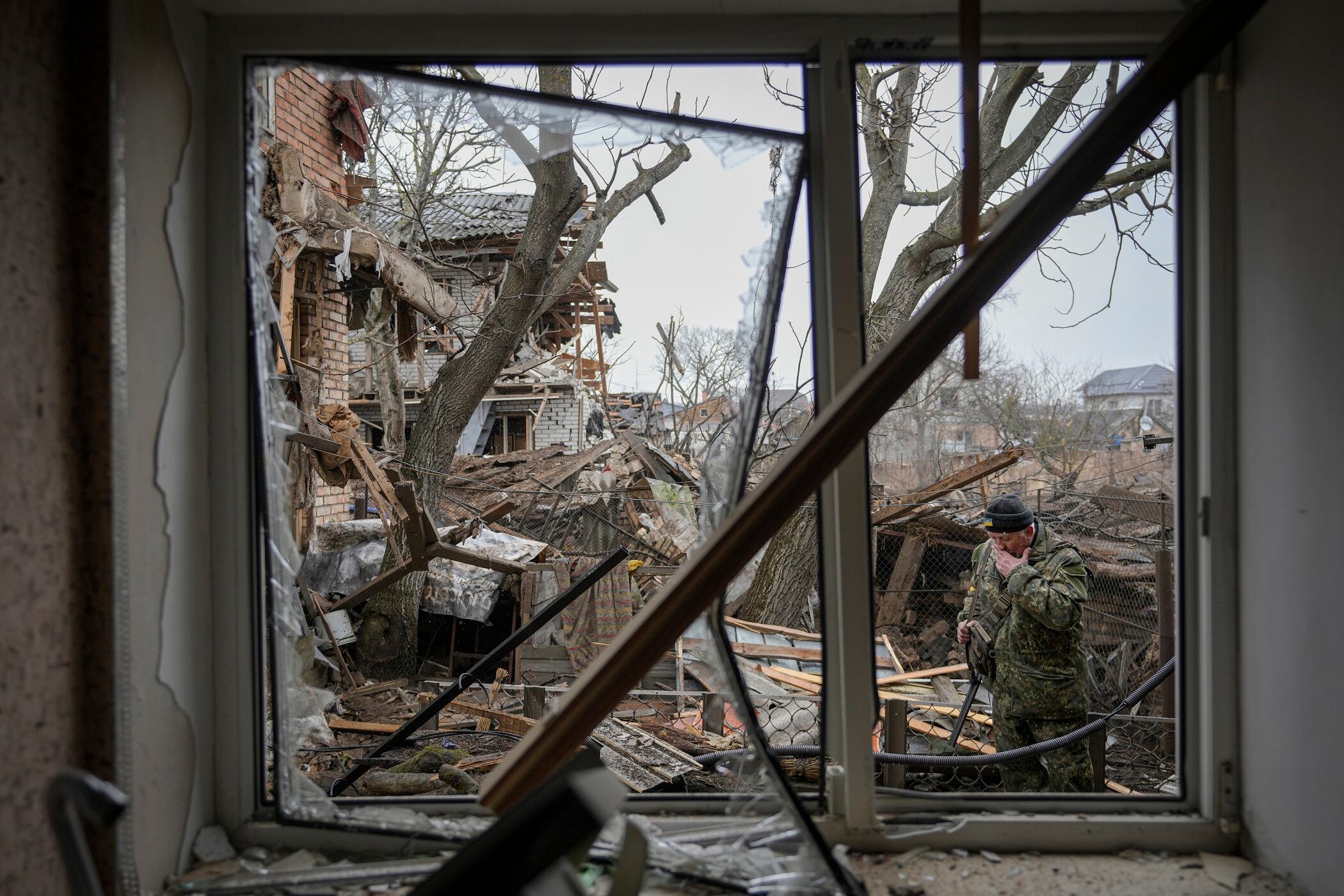
Ukrainian President Volodymyr Zelenskyy has signed an application for Ukraine's membership in the European Union, pleading with the bloc to accept this request. It comes as Russian forces push further into Ukraine, forcing at least half a million refugees to flee. Benjamin Schmitt, Postdoctoral Research Fellow at Harvard University and Senior Fellow at the Center for European Policy Analysis, breaks down the latest in Ukraine.
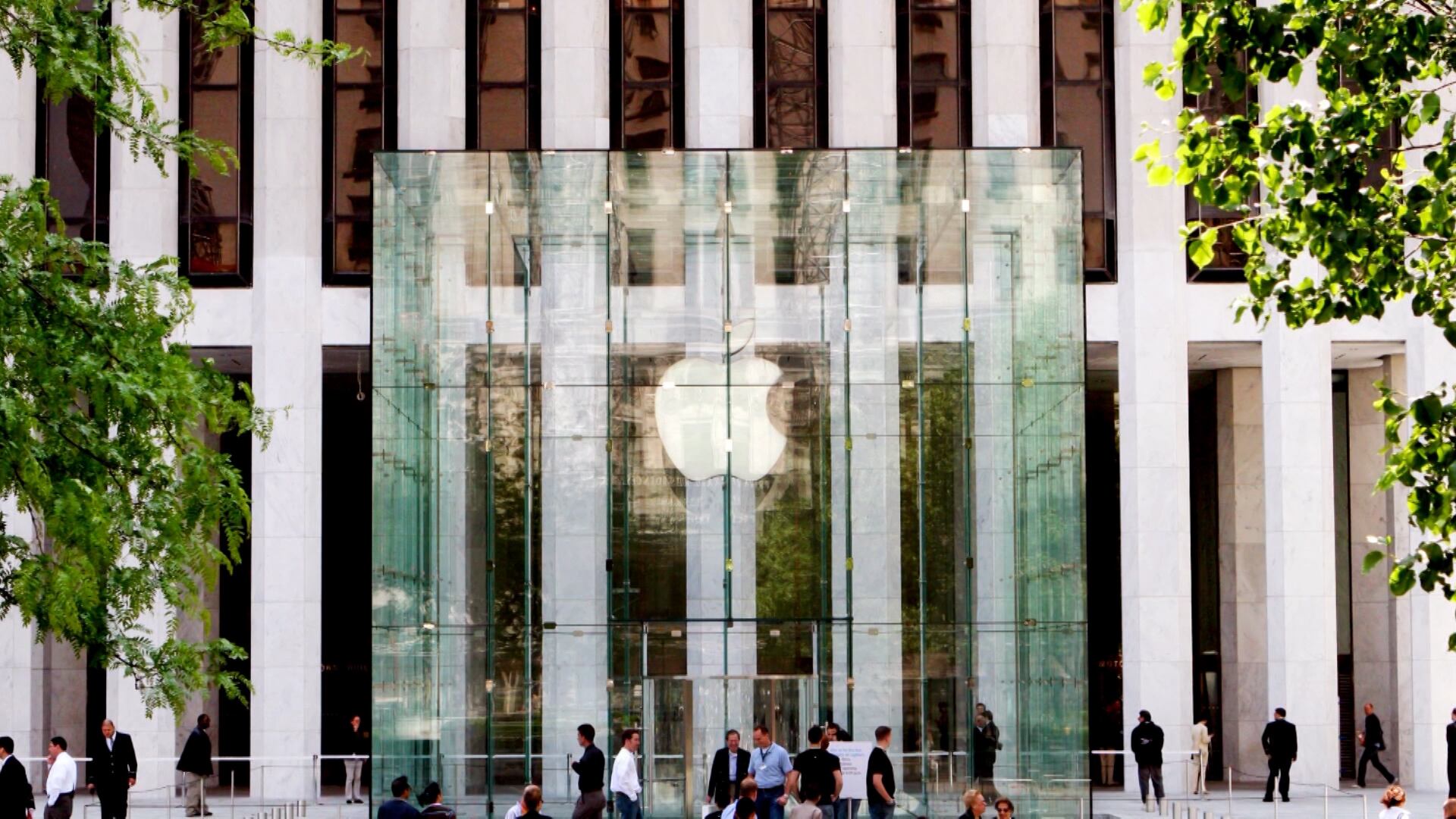
A growing wave of major U.S. companies have taken steps to cut ties with Russia or offer support to Ukraine, as tensions escalate in the region. Exxon, Apple and Boeing are just the latest companies to make the move, following the likes of Google, Meta and BP who have all announced plans to exit the region in response to the conflict. Courtney Vinopal, Breaking News Reporter, Quartz joined Cheddar's Opening Bell for more.
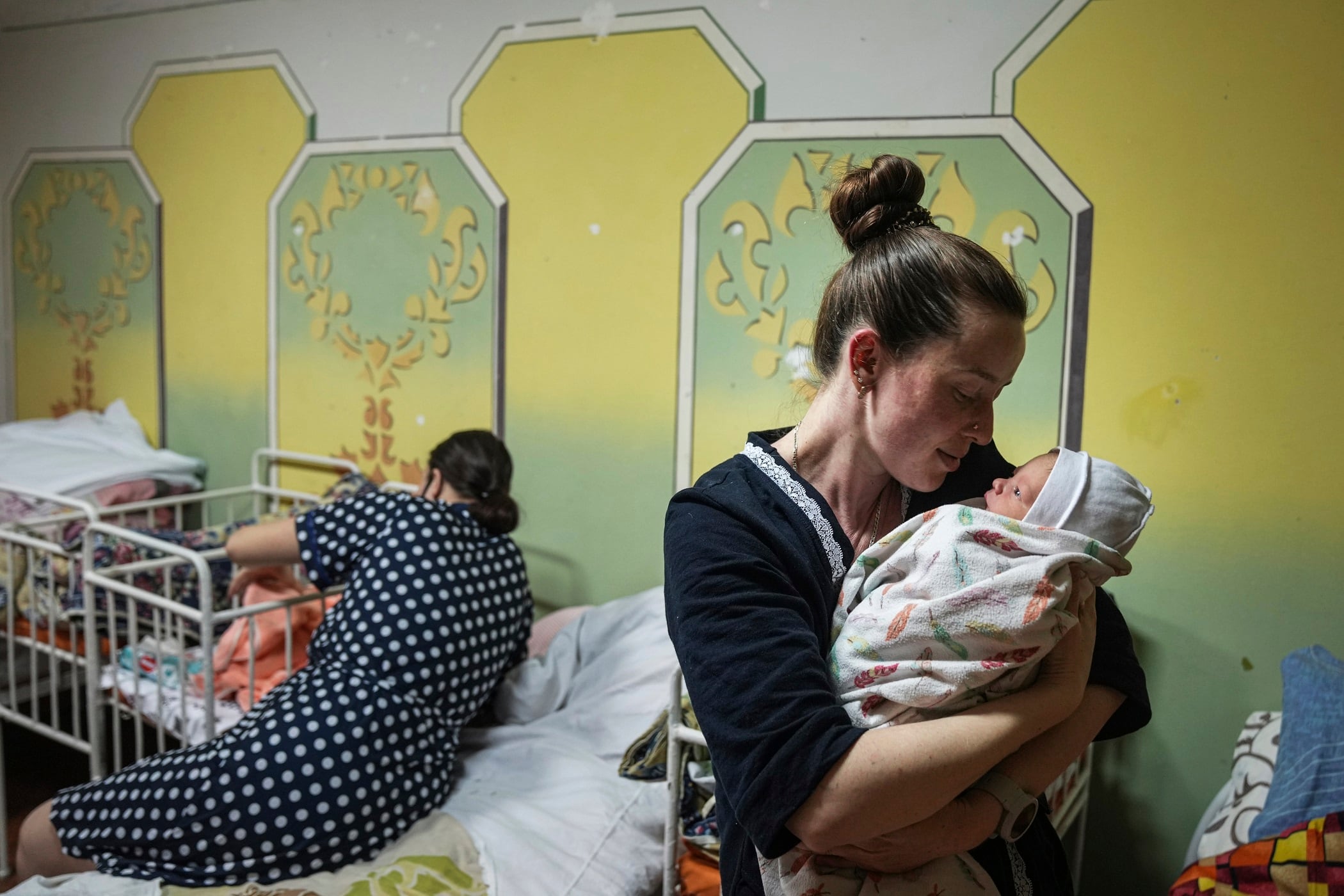
A hospital basement in Ukraine’s coastal city of Mariupol has transformed into a bomb shelter and maternity ward amid shelling during Russia’s invasion.
World leaders are currently dealing with a handful of pressing issues, including Russia's invasion of Ukraine, inflation, and not to mention the COVID-19 pandemic; but it could be argued that the most pressing issue is one that has experienced its fair share of neglect in the past -- climate change. As tensions escalate between Russia and Ukraine, there is fear the focus on climate will once again be pushed aside. However, the White House appears to be making some effort to prevent that from happening. The White House Office of Science and Technology held a first-of-its-kind roundtable discussion with some of the nation's leading climate scientists on Thursday. Michael Mann, Director of the Earth System Science Center at Pennsylvania State University, and author of the book 'The New Climate War' joins Cheddar News' Closing Bell to discuss his experience as one of the climate scientists at the White House event.
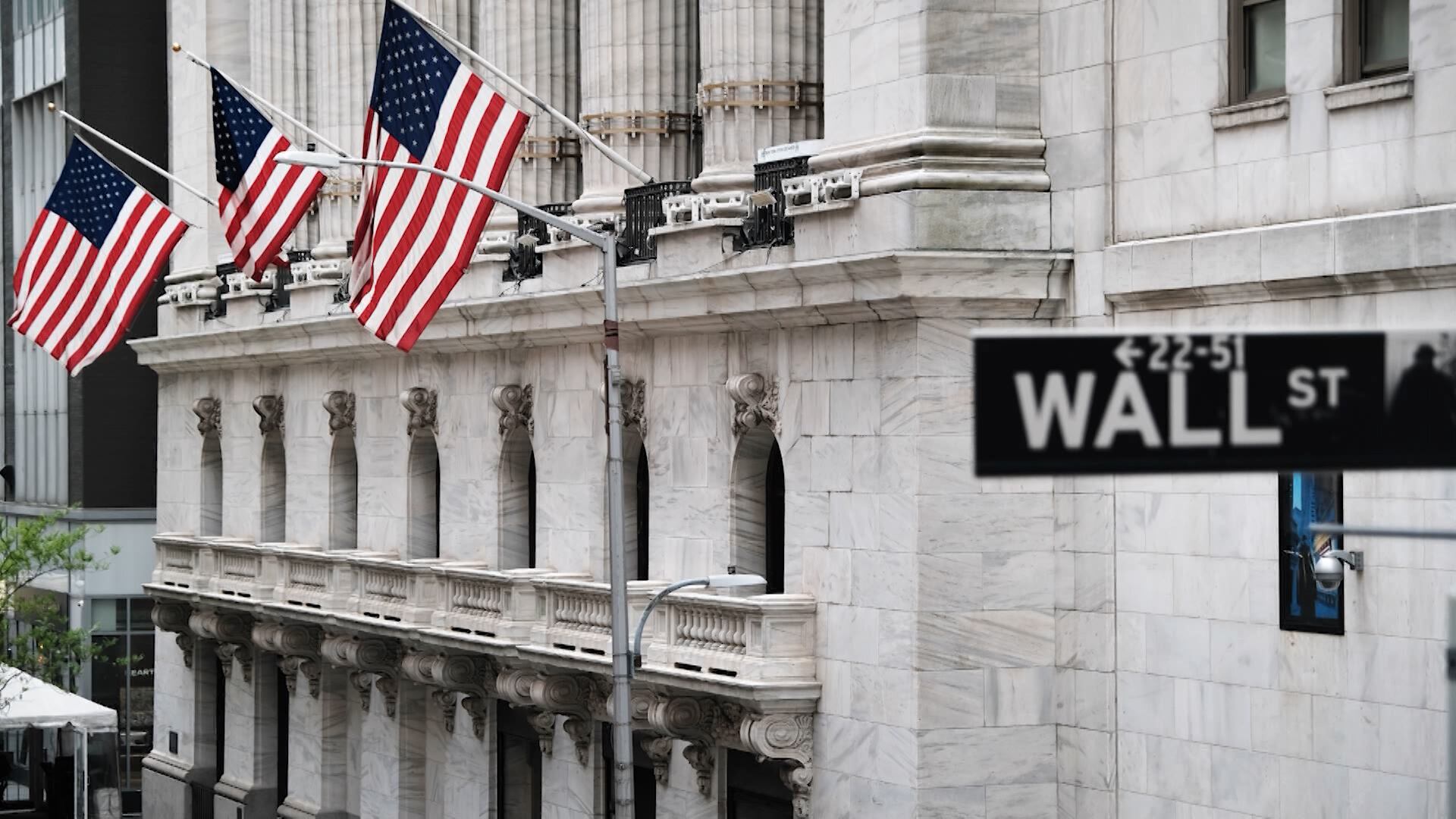
Scott Clemons, Partner and Chief Investment Strategist at Brown Brothers Harriman, joins Cheddar News' Closing Bell, where he discusses the factors leading to the sell-off on Wall Street today and explains why uncertainty is worse than bad news for the investors.
U.S. stocks rebounded to end higher on Thursday after President Biden announced new sanctions against Russia following the country's attack on Ukraine. The Dow was down 859 points at its lowest point of the session, before ultimately finishing the day in the green. Melissa Armo, founder and owner of the Stock Swoosh, joins Cheddar News' Closing Bell to discuss.
People of African and Middle Eastern descent fleeing from Russia’s invasion of Ukraine are facing the double trauma of racism at the borders. Professor of law and migration studies at the University of San Francisco, Bill Hing, joined Cheddar News Wrap to discuss what some are describing as a double standard for other refugees escaping the war. "Those that are from the Middle East and from Africa who just happen to be in Ukraine, for example on a student visa, they are not going to be able to get into Poland or another area of the Schengen area because they are not natural Ukrainian," he said.